Why Your Seamless Pipe Company Must Have ISO 9001
When procurement managers evaluate potential suppliers, ISO 9001 certification often appears at the top of their checklist. A seamless pipe company holding this certification demonstrates a commitment to quality management that extends beyond product specifications. This standardization reduces project risk, supports regulatory compliance, and helps ensure consistent product performance across all orders. ISO 9001 creates a framework that helps manufacturers maintain controlled and traceable processes, directly addressing the core concerns of EPC contractors, distributors, and industrial end users who cannot afford supply chain failures. Without this certification, buyers face unnecessary uncertainty that can derail timelines, inflate costs, and compromise safety standards.
Understanding ISO 9001 and Its Role in Seamless Pipe Manufacturing
The Foundation of Quality Management Systems
ISO 9001 sets the worldwide standard for quality management systemsacross all manufacturing sectors, including the production of seamless steel pipes. The standard is based on three main principles: process-based management, risk-based thinking, and continual improvement. These principles make sure that product quality remains consistent by requiring regular checks at every stage of production.
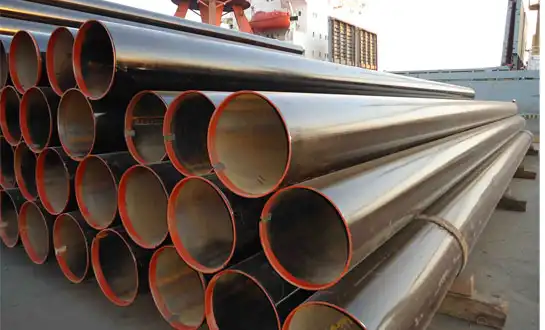
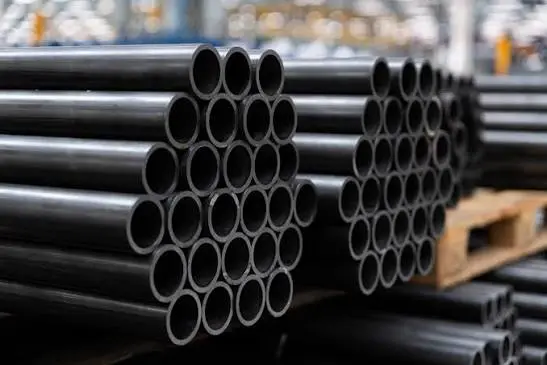
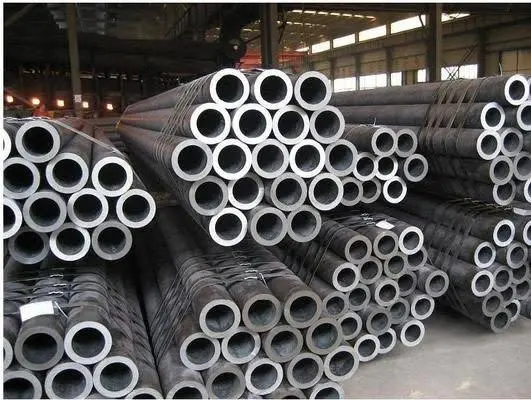
During the manufacturing of seamless pipes, billets are heated, pierced with a mandrel, and rolled to get the exact diameter and wall thickness that are needed. ISO 9001 makes sure that every step, from preparing the block to finishing processes like heat treatment and bending, is done according to written instructions that have quality controls that can be measured. This methodical approach stops the differences in size and surface defects that happen in operations that aren't approved.
Building Trust with Global Procurement Teams
When they work on projects for oil and gas refineries, power plants, or chemical processing plants, procurement managers need suppliers that meet strict international standards such as ASTM A106, ASTM A53, ASTM A312, and the ASME specifications that go with them. Having ISO 9001 approval shows that a company follows strict quality standards that are in line with what people around the world expect.
Third-party audits of a company's quality management system are needed to get the certification, which builds trust. When buyers know that their supplier is regularly inspected by an independent certification body, they feel more confident in them. This openness meets the basic need to lower project risk, which is a big issue for EPC companies in charge of multimillion-dollar infrastructure projects where a pipe failure could have catastrophic consequences.
Customer-Focused Culture for B2B Partnerships
ISO 9001 makes sure that manufacturing processes have a mindset that puts the customer first. Companies must understand what their customers want, turn that into specifications, and keep track of how satisfied their customers are all the time. This method is very important for companies that sell seamless pipes to a wide range of industries. These industries need a wide range of goods, from high-pressure ASTM A106 pipes for steam systems to corrosion-resistant ASTM A312 steel pipes for chemical uses.
Manufacturers who follow ISO 9001 keep thorough records of their contacts with customers, technical requirements, and delivery performance. These methods help them quickly meet specific needs and give procurement managers the proof of tracking they need for compliance checks. The certification sets up ways for people to be held accountable, which helps partnerships last in global markets that are very competitive.
Challenges in Seamless Pipe Manufacturing Without ISO 9001
Quality Inconsistencies That Jeopardize Supply Reliability
When a business doesn't have ISO 9001 certification, quality problems often happen that make customers lose faith. Non-certified suppliers often fail to follow standard procedures for important manufacturing steps, which can cause differences in pipe diameter, wall thickness, and surface imperfections. These flaws lead to failed inspections and production delays that affect the whole project schedule.
To make seamless pipes using either hot working or cold finishing, temperature, pressure, and time must be carefully managed. Changes in these parameters can cause pipes to fail hydrostatic testing or have mechanical properties that aren't up to par without documented quality controls. When there are such differences, it's hard for procurement managers to keep projects on schedule and within budget.
Inspection Failures and Increased Rework Costs
Finding problems with the quality during a check wastes a lot of money. Rejected pipes have to be fixed or thrown away, which adds to the cost of materials and time spent working. Manufacturers who aren't certified often don't have root cause analysis procedures in place, which means that the same problems happen in more than one production batch.
A non-certified supplier kept delaying deliveries to a mid-sized engineering company that needed ASTM A53 steel pipe for a local water project. Dimensional differences meant that more inspection and sorting had to be done, which added six weeks to the purchase plan. After that, companies that switch to ISO 9001-certified suppliers often report fewer quality-related delays over the next year.
Procurement Decision Complications
When buyers need strict quality assurance, they have to make hard choices when looking at non-certified providers. Without ISO 9001, buying teams have to do their own thorough checks of suppliers, which takes time and money. Government building projects and industry end users often include ISO 9001 certification in the standards for bids, which instantly rules out manufacturers who aren't certified.
Without certification, the supply chain is open to risk. Distributors and stockists who depend on regular product quality to keep local sales going can't trust stocking items from sources that aren't approved. This uncertainty makes it harder for them to serve customers quickly and keep their profit margins high in areas where competition is high.
How ISO 9001 Certification Boosts Competitive Advantage for Seamless Pipe Companies?
Facilitating Compliance with International Standards
ISO 9001 certification is a strategic asset that helps a business position itself in the market and run more efficiently. The process-oriented approach of the standard fits naturally with the requirements for meeting ASTM, ASME, ANSI, and other technical standards for making seamless pipes. Companies that are certified show that they can regularly meet exact product standards.
The systematic documentation requirements of ISO 9001 are helpful for companies that make pipes that meet ASTM A790, ASTM A312, ASTM B444, and related ASME standards. These records show that pipes have the right chemical makeup, mechanical properties, and size tolerances that customers have asked for. This paperwork makes it easier to evaluate suppliers and speeds up the approval process for new projects.
Enhanced Credibility in Supplier Evaluations
When evaluating suppliers, procurement managers look at a number of things, such as the supplier's ability to produce, their technical knowledge, their quality processes, and their ability to stay in business. Getting ISO 9001 approval gives you instant authority, which cuts down on the time it takes to evaluate and builds customer trust. A seamless pipe company that has this certification shows that it meets international quality standards. This sets it apart from competitors in a market that is already very competitive.
This trustworthiness leads to more business opportunities. EPC companies who are in charge of building power plants or oil and gas pipelines prefer to work with certified suppliers because they significantly reduce procurement risks. The certification demonstrates a commitment to quality that matches the project's needs for safety and following the rules.
Streamlined Procurement Processes
Most of the time, certified makers offer faster quotes, more accurate lead times, and reliable order fulfillment. The focus on process speed in ISO 9001 cuts down on internal bottlenecks that slow down reaction times. A professional seamless pipe company can quickly find historical data on projects that are similar to the one at hand. This lets them make detailed technical proposals and offer competitive prices.
Here are the operational advantages that certified seamless pipe manufacturers offer buyers:
- Reduced Lead Times: Certified companies can accurately predict their material requirements thanks to standardized production planning and inventory management systems. This feature cuts down on delivery times, which is especially important for wholesalers who use just-in-time stocking systems.
- Predictable Quality: Buyers receive products with consistent high quality every time they place an order because certified manufacturers follow documented procedures. This stability gets rid of the need for buyers to spend a lot of money on quality checks when they buy from non-certified suppliers.
- Comprehensive Documentation: Qualified suppliers give full mill test results, material certificates, and records of measurement inspections that meet government standards. This paperwork makes it easier for buying teams to keep track of their complicated compliance responsibilities.
These advantages enable manufacturers to serve large-scale export clients effectively while maintaining service excellence. Buyers appreciate working with partners who understand that on-time delivery and quality consistency directly impact their project success and total cost of ownership.
Steps for Seamless Pipe Companies to Achieve and Maintain ISO 9001 Certification
Conducting Thorough Gap Analysis
To get ISO 9001 approval, you must first do a full gap analysis of your current processes and compare them to the standard requirements. Workflows, quality controls, documentation standards, and management systems are found to be lacking in this study. Manufacturers of seamless pipes have to look at every step of the production process, from getting the raw materials to doing the final inspection, to see what needs to be changed.
The gap analysis shows specific things that need to be done, like putting in place process controls to keep an eye on the temperature while the billet is being heated, making sure that dimensional inspection equipment is regularly calibrated, or establishing formal procedures for handling non-conforming products. This assessment phase lays the groundwork for the operational efforts that will come next.
Implementing Comprehensive Documentation Systems
ISO 9001 requires a lot of paperwork, like records, work instructions, process procedures, and quality policies. Manufacturers of seamless pipes must keep records of how they keep important manufacturing factors under control, do checks, deal with customer complaints, and take corrective actions. Everyone in the company is held accountable and informed thanks to this paperwork.
The instructions for manufacturing must include details about the piercing, rolling, and heat treatment cycles. As part of the inspection process, acceptance standards must be set for mechanical qualities, surface finish, and dimensional tolerances. Documentation makes sure that production stays the same even when shifts change or employees leave.
Employee Training and Leadership Commitment
A successful implementation of ISO 9001 at a seamless pipe company depends on giving employees a lot of training and showing that executives are committed. The people who work in production need to know about quality processes that apply to them. The people who do inspections need to be taught how to measure things and what kinds of records are needed. Management needs to make decisions about how to use resources and show that they are involved in quality efforts.
Leadership commitment shows up in the form of regular management reviews that look at quality objectives and performance indicators, customer feedback, and ways to make things better. Executives set quality goals that are in line with the company's overall plan and make sure that quality management has enough money and staff to do its job. This involvement from the top makes a culture where quality is everyone's responsibility.
Rigorous Internal and External Audits
To keep ISO 9001 certification, there must be regular internal audits and periodic external checks by recognized certification groups. Internal audits find problems before they are seen by outside auditors, so companies can take corrective actions ahead of time. These checks make sure that the written processes are always followed and continue to work.
Every year, there are external surveillance audits, and every three years, there are comprehensive recertification audits. Auditors look at quality records, watch how things are made, talk to employees, and look at data on customer satisfaction. This review from outside sources makes sure that quality control systems stay strong and keep meeting standards.
Continuous improvement measures form the foundation for sustaining certification. Manufacturers analyze quality data to identify trends, implement preventive actions, and refine processes systematically. This approach enhances product reliability and maintains competitive advantage in demanding B2B procurement environments.
Conclusion
ISO 9001 approval has changed from a way for a seamless pipe company to stand out in the market to a must-have for companies that make seamless pipes for industrial markets around the world. Buyers are mostly worried about quality consistency, supply reliability, and lowering risk. The standard addresses these concerns. Companies that are certified show organizational control, which means that customers can count on their products to work as expected and deliveries to be on time.
When making difficult supplier choices, procurement managers should know what ISO 9001 certification means and what it can't promise on its own. Strong quality management systems are required for the certification, but the provider must also have other specialized certifications and a track record to show that they can do everything they say they can.
Companies that make seamless pipes and try to get certified get strategic benefits that go beyond what customers want. A methodical approach to quality management cuts down on waste, boosts productivity, and fosters a mindset of constant improvement that makes a business more competitive in the long run.
FAQ
1. Does ISO 9001 certification guarantee product quality?
ISO 9001 makes sure that a company has a strong quality management system with well-thought-out procedures and ways to keep improving. But approval by itself doesn't mean the product is good as long as it meets the right technical requirements and follows industry standards like ASTM, ASME, or API. When choosing suppliers, buyers should look at both their quality management systems and their technical skills.
2. How long does obtaining ISO 9001 certification typically take?
The time required for certification depends on company size, existing quality systems, and implementation readiness. Manufacturers of seamless pipes who already have quality control in place may be able to get certified in six to twelve months. Companies that need to make big changes to their processes and create more paperwork might need twelve to eighteen months before they can successfully finish external audits.
3. What other certifications complement ISO 9001 for seamless pipe suppliers?
API certifications or approvals are important for companies that supply products to the oil and gas industry, and PED compliance addresses pressure equipment requirements in European markets. Extra certifications, such as ISO 14001 for environmental management and ISO 45001 for occupational health and safety management, boost a supplier's total quality and legal compliance, which makes buyers more confident.
Partner with RAYOUNG: Your Trusted ISO 9001 Certified Seamless Pipe Supplier
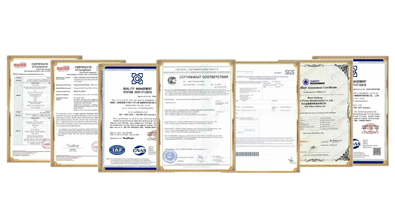
As a well-known seamless pipe company around the world, RAYOUNG offers approved quality management, reasonable prices, and reliable order delivery for industrial projects all over the world. Our ISO 9001:2015 certification, along with GOST-R and SGS export compliance validation, makes sure that all of our seamless steel pipes and fittings meet strict international standards like ASTM A106, A312, A790, and the related ASME standards.
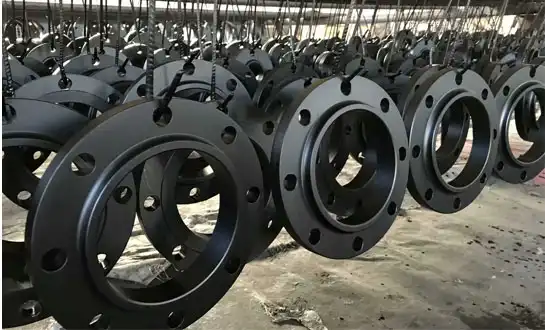
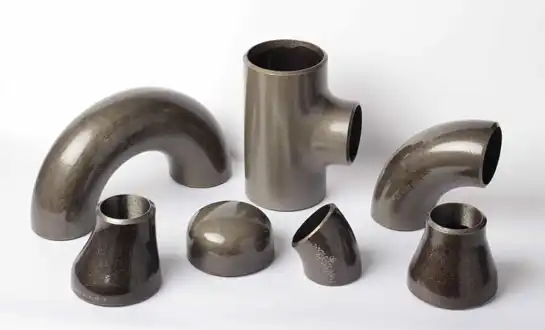
We manufacture seamless pipes through processes such as hot piercing and cold finishing, eliminating welded seams in the final products. This gives the pipes more strength and resistance to pressure for tough uses. Buttweld elbows, reducers, and flanges are just a few of the many products we offer. They are used for secure connections in oil and gas, power generation, chemical processing, and construction projects. RAYOUNG knows how important it is for you to get consistent quality and on-time delivery because they have worked with EPC contractors, distributors, and industrial end users in both domestic and international markets for a long time. You can talk to our team about your project needs and get a detailed quote by emailing info@hb-steel.com.
References
1. International Organization for Standardization. (2015). Quality Management Systems – Requirements: ISO 9001:2015. Geneva: ISO Press.
2. American Society for Testing and Materials. (2020). Standard Specification for Seamless Carbon Steel Pipe for High-Temperature Service: ASTM A106/A106M. West Conshohocken: ASTM International.
3. Besterfield, D.H., Besterfield-Michna, C., Besterfield, G.H., & Besterfield-Sacre, M. (2014). Total Quality Management. Fourth Edition. London: Pearson Education Limited.
4. American Society of Mechanical Engineers. (2019). Process Piping: ASME B31.3. New York: ASME Press.
5. Juran, J.M. & De Feo, J.A. (2017). Juran's Quality Handbook: The Complete Guide to Performance Excellence. Seventh Edition. New York: McGraw-Hill Education.
6. Russell, J.P. (2013). The ASQ Auditing Handbook: Principles, Implementation, and Use. Fourth Edition. Milwaukee: ASQ Quality Press.

Need a quote? Want to see samples? Just say hello. We’re friendly. We’re fast. And we’re ready when you are.
Welcome to RAYOUNG – Strong Pipes, Stronger Promise