How Slip On Flange vs Weld Neck Affects Joint Integrity
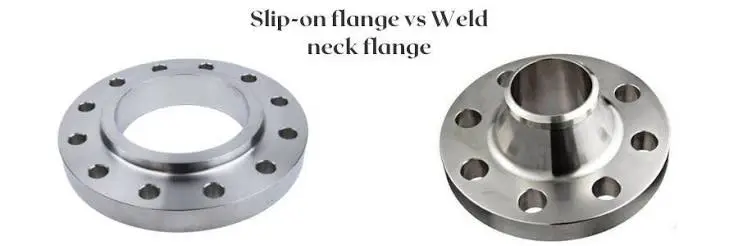
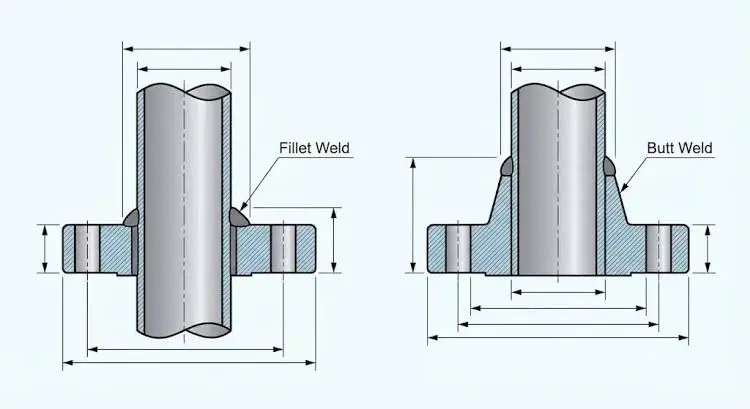
When comparing slip-on flanges vs. weld neck options, the fundamental difference lies in how each design influences joint integrity under operational stress. Slip-on flanges slide over the pipe end and are typically secured with fillet welds on both the inside and outside of the flange, making them cost-effective for low-pressure systems but potentially vulnerable at stress points. Weld neck flanges transfer stress directly into the pipe through their tapered hub design, distributing loads more evenly and significantly reducing high-stress concentration at the flange base—a characteristic that makes them the preferred choice for demanding applications in oil, gas, and power generation sectors where joint reliability cannot be compromised.
Introduction
In industrial piping systems, the operational safety of your entire facility depends on the quality of every connection. If a connection fails, it could cost a lot of money to fix. Choosing between slip-on flanges vs. weld neck flanges is one of the most important choices that procurement managers and engineers have to make. This decision has a direct effect on the stability of the joint, the cost of upkeep, and the ability to follow safety rules in a wide range of settings, from high-pressure petrochemical plants to local water systems.
We've worked with EPC contractors, distributors, and site managers who know that choosing the right flange isn't just a technical matter; it's also a strategic choice that affects long-term performance, business budgets, and project timelines. A bad flange connection can cause leaks, unplanned shutdowns, or catastrophic failures that put workers' safety and the company's reputation at risk.
This guide gives procurement professionals and engineering teams a full look at how slip-on flanges vs. weld neck flanges affect the stability of joints. We'll talk about changes in structure, success in different situations, cost effects, and real-world uses. In today's competitive B2B industrial supply chain, our goal is to give you evidence-based insights that help you make decisions with confidence while combining technical needs with budget facts.
Understanding Slip-On and Weld-Neck Flanges
Design Characteristics of Slip-On Flanges
Slip-on flanges are easy to use. The pipe just slides into the flange hole, leaving a small space on both the inside and outside sizes until welding takes place. The mechanical link is made by this dual-weld arrangement. The flange face can stay flat or raised, depending on the application. The overall profile is relatively compact. Installers like how easy it is to line up the flange because it can be put in place and tack-welded before the final welding. Most of the time, these flanges meet ANSI B16.5 and ASME standards. They come in carbon steel, stainless steel, and other alloy materials to match the needs of the pipes.
Structural Features of Weld Neck Flanges
Weld neck flanges are different because they have a long, curved hub that goes from the face of the flange to the place where the pipe connects. This tapered transition makes it possible for the flange bore to perfectly match the inner diameter of the pipe, which makes the flow path smooth and uninterrupted. With the butt weld connection method, the flange is joined directly to the pipe end through a butt weld designed for full penetration according to applicable welding requirements that can be checked with radiographic inspection. The improved reinforcement in this design occurs where the flange meets the pipe, spreading mechanical load over a bigger area. Weld neck flanges are commonly manufactured according to standards such as ASME B16.5 and ASME B16.47, while API 6A applies to specialised wellhead and Christmas tree equipment.
Material Grades and Pressure Ratings
Both types of flanges are made from different grades of material to fit different working situations. Different types of carbon steel, like ASTM A105, can be used for a wide range of tasks. Stainless steel grades, like 304L and 316L, can stand up to harsh environments. Power generation systems can handle high temperatures with alloy steels like ASTM A182 F11 and F22. Pressure ratings range from Class 150, which provides pressure ratings that vary depending on material and temperature conditions, to Class 2500, which is made for extreme conditions over 6,170 PSI. The material and grade you choose should match the working pressure, temperature changes, and the chemical makeup of the fluids being moved.
Slip-On vs Weld-Neck Flange: Impact on Joint Integrity
Stress Distribution and Mechanical Strength
When analyzing stress distribution, weld neck flanges inherently provide superior structural performance. When pipe systems are in use, they go through bending moments caused by changes in temperature, weight, and pressure. The tapered hub of a weld neck flange gradually changes thickness from the flange to the pipe wall. This moves stress from the base of the flange to the pipe itself. At the critical junction point, this stress transfer mechanism cuts down on fatigue by a large amount. Weld neck connections generally provide better fatigue performance than slip-on designs under cyclic loading because of their improved stress distribution.
Slip-on flanges put most of the stress on the fillet weld where the flange meets the pipe. This stress concentration point can initiate cracks when pressure changes or when the machine vibrates over and over again. Slip-on flanges are acceptable for static or low-cycle applications, but due to this structural limitation, they are less suitable for systems subject to frequent temperature fluctuations or dynamic mechanical stress.
Leak Resistance and Sealing Performance
Maintaining a consistent seal under different operating situations is very important for joint durability. Weld neck flanges are better at sealing because their link is stiff and they don't bend much when pressure is applied. The butt weld makes a smooth joint with the same properties for all the parts, which lowers the chance of differential expansion that could damage the gasket's ability to compress. The Turbomachinery Laboratory at Texas A&M University has done studies that show weld-neck connections keep gasket stress more stable even when pressure changes. This lowers fugitive emissions in unstable service.
With their two fillet welds, slip-on flanges add more places where something could go wrong. In harsh chemical conditions, the space between the pipe and flange hole can trap corrosive fluids or make cracks where stress corrosion cracking can start. Proper welding techniques and inspections can lower these risks in low-demand situations, but the design itself makes it hard to use in critical situations where stopping leaks is very important.
Common Failure Modes and Prevention
Knowing how each type of flange fails helps procurement teams evaluate potential risks. Slip-on flanges usually break at the fillet weld contact, showing up as cracks that grow around the edges over time when they are loaded and unloaded repeatedly. Visual inspection during regular maintenance can find these cracks before they cause a major failure, which lets replacements be planned for when the system is shut down. Failure risk is greatly reduced by using the right welding techniques, such as making sure there is enough depth and avoiding undercuts.
Fewer weld neck flanges fail, but when they do, it's usually because the heat treatment wasn't done right during production or there were mistakes made during fitting during butt welding. When breakdowns do happen, they usually involve the pipe rather than the flange connection, which shows how strong the joint is. Radiographic and ultrasonic inspection are two non-destructive testing methods that are used to check the quality of the weld while it is being installed. This gives written proof of the joint's integrity that meets quality management systems and regulatory requirements.
Procurement Considerations: Making the Right Choice for Your Project
Cost Analysis: Purchase Price vs. Total Installed Cost
People usually decide what to buy based on the initial sticker price, but the total cost of ownership is a better way to compare things. When it comes to raw materials, slip-on flanges are usually 20–30% cheaper than weld-neck flanges of the same size. A 6-inch slip-on flange made of Class 300 carbon steel might cost between $45 and $65, while a weld-neck version might cost between $75 and $95. When it comes to bigger sizes and better ratings, this price gap stands out more.
But the costs of installation change the situation. Slip-on flanges need two separate welds: an internal fillet weld and an external fillet weld. This takes more time and materials than the single butt weld that is needed for weld-neck flanges. When fit-up time and weld completion time are taken into account, installation time depends on pipe size, welding requirements, and field conditions, and the difference may vary between projects. With labour costs ranging from $85 to $120 per hour on average, how well installations are done has a big effect on the total cost of the project.
Long-Term Performance and Maintenance Costs
Total cost of ownership is affected by maintenance gaps and replacement regularity in a big way. When evaluating long-term performance, weld neck flanges frequently demonstrate superior value, as they can provide decades of reliable service in properly designed systems when suitable materials, installation practices, and maintenance programmes are applied. Their strong construction keeps unplanned repairs and the production losses that come with them to a minimum. Reliability is very important for the economy because one unexpected shutdown in a refinery can result in significant financial losses depending on facility size and operating conditions.
When you use the right amount of torque on the bolts, the gasket will be compressed evenly across the sealing surface. Leaks happen when the torque is too low, and damage to the gasket material and extra stress in the flange bodies happen when the torque is too high. When purchasing things for businesses that need a lot of uptime, like making medicines, processing chemicals all the time, or making electricity, procurement managers should think about these upkeep issues along with the price.
Supplier Certification and Quality Assurance
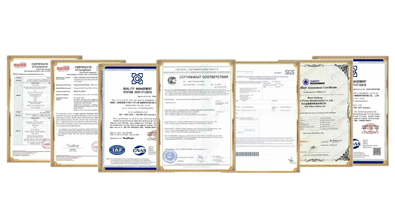
Buying from certified manufacturers makes sure that you can track the materials and that they meet international standards. Look for providers that have ISO 9001:2015 quality management certification. This shows that they have a method for keeping an eye on the quality of their products. Every flange package should come with a material test report (MTR) that lists the flange's chemical makeup and mechanical properties. This way, the flange can be checked against the project's requirements.
Suppliers who want to sell their goods abroad should have the right licenses, like GOST-R for Russian markets or SGS proof for European customers. These certifications show that the ways of making things, getting materials, and testing them all meet internationally accepted standards. We've seen that when procurement teams prioritise certified suppliers, they have fewer quality problems, a lower rate of rejections, and easier documentation for regulatory compliance. All of these things speed up project execution and reduce costly delays.
Lead Times and Supply Chain Reliability
Standard-size flanges made of common materials usually ship within two to four weeks from reputable sources who keep stock on hand. Custom specs, such as unique sizes, alloys, or pressure values that aren't standard, can make wait times 8–12 weeks long, based on how complicated the manufacturing process is. EPC workers who are in charge of critical-path schedules should start working with suppliers early on in the planning stages of a project. This is especially important for large-diameter or high-quantity orders that may need specific production runs.
Distributors and stockists who serve regional markets can benefit from working with manufacturers who offer regular quality and reliable service. Problems in the supply chain, like not having enough materials, production delays, or logistics issues, can cause project schedules to slip, which can affect payments for milestones and contractual obligations. Suppliers with a history of on-time deliveries and proactive communication during potential delays are very helpful for keeping the project moving forward.
Conclusion
Joint soundness, working dependability, and long-term project success are all influenced by the choice of slip-on flange vs. weld neck configurations. We looked at how the design of a structure affects how stress is distributed, leak prevention performance, and how it fails in different service conditions. Weld neck flanges are essential for high-pressure, high-temperature, and corrosive environments where joint reliability can't be compromised because of how well they transfer stress through their tapered hub design. Slip-on flanges are a cheap way to fix moderately demanding systems that need to work well and require quick installation while keeping costs low. Professionals in procurement make sure that the flanges they choose are right for the working conditions, that they look at the total cost of installation, and that they only buy from certified providers. This way, their projects will be safe, compliant, and cost-effective throughout the asset's lifecycle.
FAQ
1. Which flange type provides superior joint strength under high pressure?
Because their hubs are curved and they are connected with a butt weld, weld neck flanges are stronger in high-pressure situations. The slow change in width spreads stress from the flange to the pipe wall, which makes the joint less stressed. Weld neck flanges can handle pressure ratings of up to Class 2500 and can also handle cyclic loading that would cause connections to wear out and slip. Weld neck designs generally demonstrate better fatigue resistance under cyclic loading conditions.
2. Can slip-on flanges be used in corrosive environments?
Slip-on flanges can be used in slightly corrosive conditions if they are made of the right materials, like 316L stainless steel or special metals. But the space between the pipe and flange hole makes a crack where corrosive fluids can gather, which could lead to crevice corrosion or localised corrosion. Weld neck flanges don't have this gap because they are joined with a butt weld. This makes them more resistant to corrosion in harsh chemical environments or saltwater.
3. What are the differences in the costs of installation?
Slip-on flanges use 20–30% less material and their initial fit-up is simpler. However, they require two fillet welds, which increases total welding time compared to the single butt weld needed for weld-neck flanges. When full installation, welding, and NDT inspection times are accounted for, the labor costs can offset the initial material savings. For projects with a lot of workers or tight deadlines, the faster fitting of weld-neck flanges may be worth the extra cost.
Partner with RAYOUNG for Certified Flange Solutions.
RAYOUNG is a reliable company that sells pipe fittings. They make high-integrity slip-on and weld-neck flanges that meet international standards like ANSI, ASME, and API. Our ISO 9001:2015-certified factories use precise manufacturing and strict quality control to make sure that every flange meets the technical and safety needs of your project. Our large inventory includes a wide range of pressure classes and material grades, from carbon steel to speciality alloys. This lets us meet both standard and unique needs for EPC contractors, distributors, and industrial end users.
Our engineering team offers technical guidance to help you make the slip-on flange vs. weld neck choice, taking into account your unique working conditions, budget constraints, and compliance requirements. Every shipment comes with full traceability papers, GOST-R and SGS export certifications, and full material test results. This makes it easier to do quality control and submit paperwork to the government. Get in touch with our experts at info@hb-steel.com to talk about your flange needs and get specific quotes from a company that is dedicated to providing dependable, compliant, and cost-effective pipe solutions.
References
1. American Society of Mechanical Engineers. (2020). ASME B16.5: Pipe Flanges and Flanged Fittings: NPS 1/2 Through NPS 24 Metric/Inch Standard. New York: ASME Press.
2. Bickford, J.H. (2018). Gaskets and Gasketed Joints: Second Edition. Boca Raton: CRC Press.
3. Brown, W.F. & Srawley, J.E. (2019). Fracture Toughness Testing Methods for Metallic Materials in Pressure Vessel Applications. West Conshohocken: ASTM International.
4. Escoe, A.K. (2021). Piping and Pipeline Assessment Guide: Volume 1 - Reliability and Integrity Analysis. Cambridge: Gulf Professional Publishing.
5. Nayyar, M.L. (2019). Piping Handbook: Eighth Edition. New York: McGraw-Hill Education.
6. Pressure Vessel Research Council. (2017). Technical Report on Fatigue Performance of Welded Flange Connections Under Cyclic Loading. New York: Welding Research Council Bulletin Series.

Need a quote? Want to see samples? Just say hello. We’re friendly. We’re fast. And we’re ready when you are.
Welcome to RAYOUNG – Strong Pipes, Stronger Promise