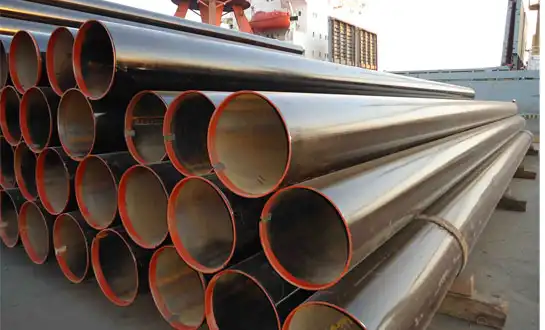
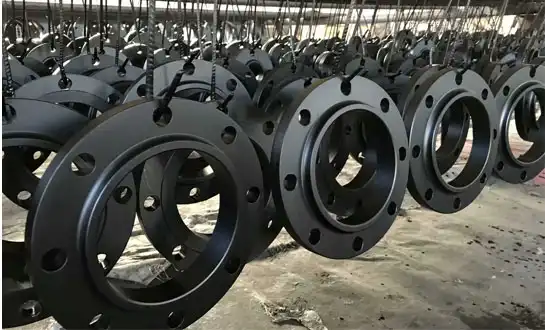
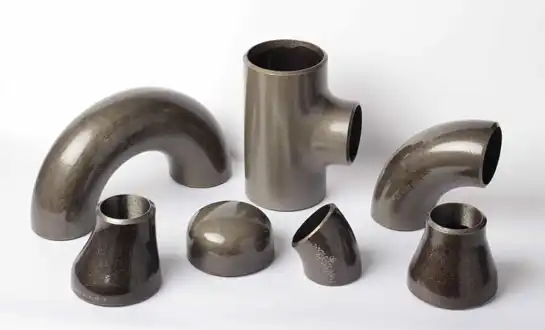
Custom pipe fittings Solutions for Industrial Piping Systems
Custom pipe fittings represent precisely engineered components tailored to meet unique dimensional, material, and pressure specifications beyond standard catalog offerings. Unlike off-the-shelf alternatives, these specialized fittings address complex piping configurations in oil refineries, chemical plants, power generation facilities, and offshore platforms where standard solutions fail to meet operational demands. They bridge critical gaps in system design, accommodating unusual angles, non-standard diameters, and extreme service conditions while maintaining structural integrity and compliance with international safety standards.
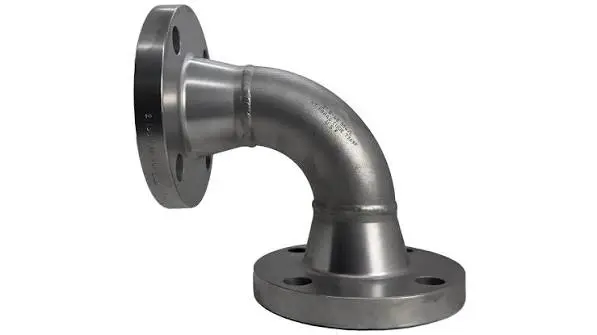
Understanding Custom Pipe Fittings: Types, Materials, and Design Standards
Defining Custom Pipe Fittings and Their Industrial Applications
Industrial piping networks often face problems that catalog products can't fix, like connections that aren't lined up right between old infrastructure and new equipment, unique branch configurations, or very strict operating conditions. Custom pipe fittings solve these problems by using unique production methods that meet exact needs. These solutions have been shown to help companies avoid costly shutdowns by using custom reducing tees to connect pipes with three different schedules. Fabrication plants may require 90° elbows with diameters larger than 48 inches to change the direction of high-volume steam flows without causing damage from turbulence.
Material Selection: Carbon Steel, Alloy Steel, and Stainless Steel Options
The choice of material has a direct effect on how long the system lasts and how safe it is. Carbon steel fittings made to ASTM A234 WPB standards can be used in a wide range of pressure piping applications where carbon steel properties are suitable for the operating temperature and service conditions. Alloy steels that contain chromium and molybdenum can resist temperatures of up to 1200°F, which is why they are essential in thermal power plants. In coastal petrochemical complexes, corrosion caused by chloride is not a problem for stainless steel grades such as ASTM A403 WP316 and WP316L. Advanced surface treatments significantly extend component service life. For example, sandblasting removes mill scale before applying protective coatings or temporary preservation treatments for storage. Water-based eco-friendly paints offer reliable environmental protection, while advanced epoxy coatings provide superior resistance to aggressive chemicals in harsh environments.
Compliance with ASME B16.9, EN 10253, and GOST Standards
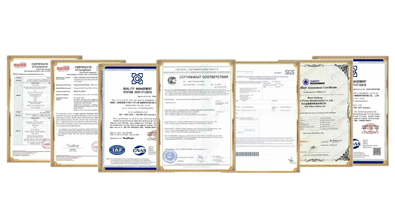
Following well-known design guidelines makes sure that projects involving different countries have the same measurements and are built to last. The rules for wrought butt-welding fittings used in North American infrastructure are set out in ASME B16.9. These rules include wall thickness tolerances, bevel angles, and hydrostatic test pressures. European installations may use EN 10253 requirements for butt-welding fittings, while CE marking requirements depend on whether the complete pressure equipment falls within the scope of Pressure Equipment Directive 2014/68/EU in order to legally access the market. GOST standards are still required for projects in Russia and other former Soviet states. GOST-R approval makes sure that projects follow the rules, which keeps expensive import rejects from happening. RAYOUNG keeps full certification portfolios for all three frameworks, which are kept in detailed technical files that meet the needs of purchase reports.
How to Choose the Right Custom Pipe Fittings for Your Industrial Piping System?
Assessing System Parameters: Pressure, Temperature, and Fluid Characteristics
A careful study of the system is the first step in choosing the right custom pipe fittings. The necessary wall thickness is based on the operating pressure. Class 3000 fittings are designed for higher-pressure applications, with allowable pressure ratings depending on material, temperature, and ASME B16.11 requirements, while Class 150 components are enough for low-pressure drainage networks. Changing temperatures can change the features of metals. To recover the integrity of the grain structure, heat treatment such as normalizing may be required according to ASTM A234 requirements to restore suitable microstructure and mechanical properties after forming. Fluid chemistry is just as important. For example, materials that comply with NACE MR0175/ISO 15156 may be required for sour oil and gas production environments containing hydrogen sulfide to avoid sulfur stress cracking, but standard carbon steel can be used for clean water systems.
Material Compatibility and Dimensional Precision Requirements
When schedules don't match up, they make internal ledges that speed up erosion and hold corrosion cells. When different pipe schedules are connected without proper transition design, internal steps may occur and affect flow performance causing the flow from being smooth. This is especially problematic when moving slurry because solids tend to gather at the breaks. Precision in measurements is very important when a plant grows and has to connect to equipment that is decades old. We just recently made custom pipe fittings and custom reducers that match imperial pipe to metric tubes for a pharmacy plant. These reducers achieved concentricity within 1 mm to stop fatigue failures caused by vibration. Beveled ends machined according to applicable welding standards, commonly around 37.5°, allow proper weld penetration and allow the weld to go all the way through, making joints that are the same strength as the parent pipe.
Custom Solutions vs. Standard Fittings: Cost-Benefit Analysis
Standard fittings may be cheaper at first, but custom solutions often offer better total ownership value. Catalog elbows that handled rough catalyst particles kept breaking down at a plant on the Gulf Coast. Changing to hardened alloy steel elbows that were custom-designed raised the unit cost by 40% but increased the service life from 18 months to 7 years, which cut costs for repairs and unplanned downtime by 65%. Custom configurations also eliminate changes that need to be made in the field that hurt the quality of the weld. Prefabricated parts come ready to be put together, which cuts project timelines by weeks.
Manufacturing Process and Quality Assurance of Custom Pipe Fittings
Advanced Fabrication: Forging vs. Casting Techniques
The way something is made has a big effect on its mechanical properties. Hot forging puts very high pressure on hot steel billets, which lines up the grains along the flow paths to increase their resistance to impact and wear. For high-integrity tasks, this method works well for underwater manifolds and nuclear cooling systems. Casting involves pouring molten metal into sand molds, which can be used to make complex geometries and fittings with diameters bigger than 24 inches. Modern foundries use vacuum degassing to reduce porosity and inclusions, improving the mechanical properties and reliability of cast components.
After making, heat treatment is used to improve the nanostructures. During normalizing, fittings are heated to the appropriate temperature range for the material grade, and then air-cooled to refine the microstructure. This reduces the size of the grains, which makes them stronger. When you quench and temper alloy steels, you make martensite structures that give them yield strengths above 60 KSI, which is needed for high-pressure gas transport.
Rigorous Testing: Pressure, Corrosion, and Dimensional Inspections
Protocols for quality assurance check for compliance before custom pipe fittings leave. Hydrostatic testing, when required, is performed according to the applicable specification and project requirements. This shows any flaws that could lead to problems in the field. Radiographic examination finds internal flaws like porosity, slag inclusions, and incomplete fusion, making sure the weld meets the requirements of ASME Section V. Coordinate measuring tools are used for dimensional checks to make sure that important features are within ±0.5mm of their tolerances. Material tracking through EN 10204 3.1 inspection certificates shows the chemical makeup, heat numbers, and mechanical test results. This meets the strict requirements for buying from companies like NIOC, ADNOC, and PETROBRAS that want to see proof of quality.
RAYOUNG has factories that are certified to ISO 9001:2015 and have automated tracking systems that keep full records of all production. Each fitting is given a unique label that connects it to the test records. This way, if problems happen in the field years after they were installed, they can be fully tracked back to where they came from.
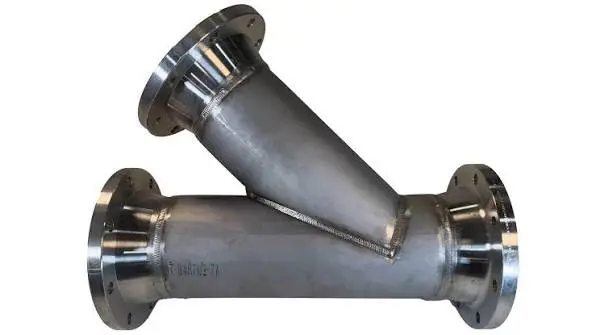
Procurement Guide: Buying Custom Pipe Fittings for Industrial Systems
Sourcing Strategies and Lead Time Considerations
Comparing prices isn't enough to find qualified custom pipe fittings manufacturers; you also need to look at their technical skills. Suppliers should show that they have in-house engineering support for improving designs, advanced CNC machining for tight tolerances, and a wide range of non-destructive testing tools. Logistics are affected by geography. For example, local suppliers can respond faster but charge more, while Asian makers can offer reasonable prices but take longer to get the goods to you (about 6–8 weeks by ocean freight).
Lead times depend on how complicated the order is. Standard changes, like odd-angle elbows, are shipped within 4 weeks. However, custom pipe fittings fabricated from exotic alloys or requiring specialized heat treatments may extend lead times to 12 weeks. When you buy full production runs of 50 or more units, the cost of each unit drops by 15 to 25 percent compared to buying small lots. Distributor networks keep common setups in stock for quick needs, but for unique specs, you need to talk to the maker directly.
Pricing Determinants and Flexible Payment Terms
Quotes are affected by many things. 40–50% of the cost is the raw material, which changes based on the global steel market and alloy surcharges for adding chromium, nickel, and molybdenum. Multi-plane crossings that need five-axis machining cost more than simple radius turns because they require more work. In industries that are regulated, the costs of certification, which include third-party inspections and paperwork, add up over time. Order volume provides leverage—quantities greater than 100 pieces support investing in specialized tools that lower costs per unit.
Different cash needs can be met by different payment systems. When a new relationship starts, production slots are usually reserved with a 30% deposit. The rest is due before the shipment. Customers who have been with you for a while can get net-30 or net-60 terms, which make managing cash flow easier during long project cycles. Letters of credit protect foreign deals where there aren't many legal options.
Advantages of Choosing Custom Pipe Fittings and Trusted Suppliers
Enhanced System Reliability and Reduced Maintenance Costs
Precision-engineered joints get rid of common ways that incorrect parts fail. Smooth internal changes keep laminar flow going, which stops erosion pockets that wear through standard elbows in months of rough use. The controlled weld bevels make sure that the fusion is done right, so there are no cold laps or lack-of-penetration problems like those that happen with field-modified installations. One chemical company in the Midwest cut the number of pipe failures by 78% when they switched to custom pipe fittings that were designed to fit their exact needs. This saved them $340,000 a year in upkeep costs and improved safety.
Assets last a lot longer when they are resistant to rust. Stainless steel fittings in offshore platforms can provide a long service life when the selected grade and maintenance practices are suitable for the marine environment, while carbon steel fittings need to be replaced every 7 to 10 years. The bigger original investment pays off because capital costs are put off and output stops are avoided.
Identifying Reputable Suppliers Through Certifications and Customer Feedback
Qualifying suppliers keeps procurement professionals from getting bad products. Check that the current ISO 9001 certification shows that quality management systems have been recorded. Compliance with PED 2014/68/EU confirms regulatory acceptance in Europe, which is very important for projects that span borders. Ask for references from clients in the same industry as you work in. For example, oil and gas suppliers know about H₂S service requirements that general fabricators might miss. Look over test reports from past orders and make sure they can be fully tracked and follow the specifications exactly.
RAYOUNG has won the trust of important foreign operators like NIOC, ADNOC, and PETROBRAS by consistently delivering products that are free of defects and meet strict technical standards. During the design phase, our engineering team works with clients to find potential problems before the fabrication process starts. Shipments come with complete paperwork packages that include material certificates, test results, and dimensional inspection records. These packages make it easier for receiving checks and governmental filings to be done. For decades, we've worked with EPC companies, government infrastructure projects, and industry end-users, building a reputation for dependability when quality is key to a project's success.
Conclusion
To get the best system performance, choosing the right custom pipe fittings means balancing technical requirements, budget limits, and the supplier's abilities. The choice of materials, accuracy of measurements, and standard of production all have a direct effect on long-term dependability, safety compliance, and the total cost of ownership. Partnering with approved providers that offer full engineering support, strict testing procedures, and full paperwork helps projects stay on schedule and avoid mistakes that cost a lot of money. As industrial piping systems get more complicated and working conditions get tougher, custom-engineered solutions offer more performance and freedom than normal catalog goods.
FAQ
1. What distinguishes butt-weld from socket-weld fittings?
Butt-weld fittings join to pipes directly by welding angled ends to the pipes. This makes full-penetration joints that are good for lines bigger than 2 inches in diameter and high-integrity uses. Socket-weld fittings have deep pockets where pipes go before they are fillet-welded. They are mostly used for small-bore pipes under 2 inches where room is limited, or pressures are low.
2. Why do custom fittings require heat treatment after forming?
The grain structure of the steel and its mechanical properties are changed by hot forming. Normalizing or quenching-tempering according to ASTM A234 brings back a uniform microstructure, making sure that the yield strength, ductility, and impact toughness meet the needs of the design. Under operating pressures, custom pipe fittings that haven't been treated could break easily.
3. Can different pipe schedules be welded together safely?
When welding plans don't match up, internal steps are made that cause flow turbulence and preferred erosion. When you put Schedule 40 fittings on Schedule 80 pipe, they cause stress concentrations that shorten the life of the joints. For proper construction, transition reducers are used to keep the bore aligned smoothly across pressure requirements.
4. What documentation should accompany custom fitting deliveries?
Material Test Reports (EN 10204 3.1) confirm the chemical make-up, heat numbers, and mechanical test data for certain output lots. Full sets come with dimensional inspection reports, records of non-destructive tests, heat treatment charts, and pressure test certifications. This gives the full tracking that is needed by quality management systems and regulatory audits.
Partner with RAYOUNG for Reliable Custom Pipe Fittings.
RAYOUNG provides engineered pipe solutions that keep project risks to a minimum and meet tight schedules. Our custom pipe fittings are made from approved carbon steel, alloy steel, and stainless steel that have been given advanced surface treatments to meet ASME B16.9, EN 10253, and GOST standards. As a company with CE/PED, ISO 9001, GOST-R, and approval from NIOC, ADNOC, and PETROBRAS, we can support non-standard configurations like reducing tees and large-diameter elbows. Get in touch with our engineering team at info@hb-steel.com to talk about your needs and get detailed quotes from a reliable custom pipe fittings supplier that wants your project to succeed.
References
1. American Society of Mechanical Engineers. (2020). ASME B16.9: Factory-Made Wrought Buttwelding Fittings. New York: ASME Press.
2. European Committee for Standardization. (2019). EN 10253: Butt-Welding Pipe Fittings - Part 2: Non-Alloy and Ferritic Alloy Steels with Specific Inspection Requirements. Brussels: CEN Publications.
3. Davis, J.R. (Ed.). (2006). Corrosion of Weldments. Materials Park, OH: ASM International.
4. Mohitpour, M., Golshan, H., & Murray, A. (2007). Pipeline Design and Construction: A Practical Approach (3rd ed.). New York: ASME Press.
5. Nayyar, M.L. (2019). Piping Handbook (8th ed.). New York: McGraw-Hill Education.
6. International Organization for Standardization. (2018). ISO 9001:2015 Quality Management Systems - Requirements. Geneva: ISO Publications.

Need a quote? Want to see samples? Just say hello. We’re friendly. We’re fast. And we’re ready when you are.
Welcome to RAYOUNG – Strong Pipes, Stronger Promise