Types of Pipe Elbows: How to Choose for High-Pressure Oil & Gas Pipelines
Selecting appropriate types of pipe elbows for high-pressure oil and gas pipelines demands careful consideration of structural integrity, material composition, and flow dynamics. The wrong choice can lead to catastrophic failures, costly downtime, and safety hazards. Understanding the nuances between seamless versus welded configurations, long-radius versus short-radius designs, and various angle options ensures your pipeline system delivers reliable performance under extreme conditions while meeting strict industry compliance standards.
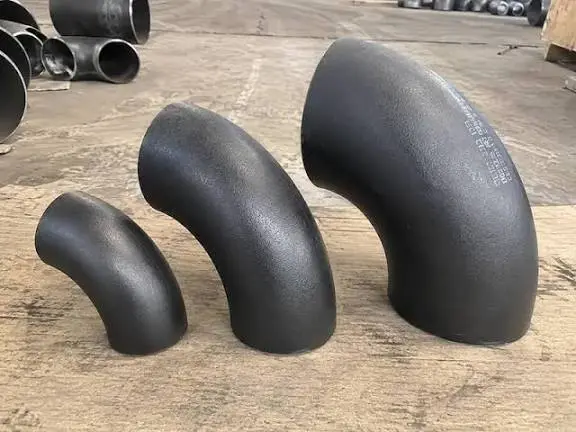
Understanding Different Types of Pipe Elbows
Pipeline systems need to change direction, and choosing the right curve design has a direct effect on how safe and efficient the system works. Based on pressure needs, space limitations, and fluid properties, each type of pipe elbow has a specific job to do.
Seamless versus Welded Pipe Elbows
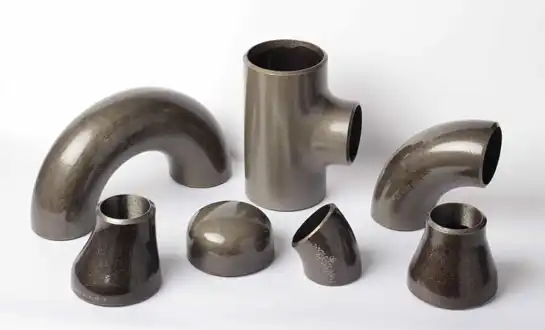
Hot-forming methods are used to make seamless elbows from seamless pipe blanks or hollow billets. This gets rid of weld gaps that could become weak spots under pressure. This way of building gives you better strength and corrosion resistance, which makes seamless choices perfect for high-pressure, important uses. Welded elbows are manufactured by forming welded pipes or steel plates and joining them through qualified welding processes. They are cheaper for systems with lower pressure. But the weld line adds possible weak spots that could break when it's in a repetitive stress or corrosive environment.
Long Radius and Short Radius Configurations
Long-radius elbows have a central radius that is 1.5 times the standard pipe diameter. This makes the flow of fluid smoother and less turbulent. This design keeps pressure drops and erosion to a minimum, which makes the system last longer in high-velocity situations. When room is more important than flow efficiency, short-radius elbows are a good choice. Their centerline radius is the same as pipe diameter. Because the bend is smaller, there is more stress and friction, which makes them less suitable for long-term high-pressure processes.
Common Angle Variations: 45° and 90° Elbows
When compared to tighter bends, the 45-degree elbow makes it easier for flow to change directions while lowering pressure loss. This setup works well in pipeline routing and gathering systems where small changes in direction keep the flow conditions at their best. The 90-degree elbow makes right-angle turns, which are often needed when there isn't enough room or the plan calls for quick changes in direction. Even though 90-degree bends are flexible, they make things more turbulent and require careful material choice to deal with the stress concentrations that happen as a result.
Material Considerations for Oil and Gas Applications
Carbon steel elbows are most common in oil and gas uses because they are strong for the price and don't rust when coated properly. Stainless steel versions are better at resisting corrosion in places with sour gas or offshore platforms that are exposed to saltwater. Alloy steel elbows with chromium, molybdenum, or nickel work very well in harsh temperatures and corrosive environments, which is why they are more expensive but necessary in upstream and refining uses.
Key Factors in Choosing Pipe Elbows for High-Pressure Oil & Gas Pipelines
When elbow specifications are matched to operational needs, early failures are avoided, and regulatory compliance is maintained throughout the service life of the pipeline.
Pressure Ratings and Temperature Limits
High-pressure oil and gas pipes usually work at 1,000 to 15,000 psi, but some systems can go up to 20,000 psi. When figuring out wall thickness, you need to take into account the design pressure, allowed stress values, and corrosion limits that are set out in ASME B31.3, B31.4, B31.8, or other applicable pipeline codes. Changes in temperature have an effect on the features of materials. For example, carbon steel can be used at elevated temperatures within the allowable limits defined by the applicable design code, while chrome-moly metals can be used up to 1,100°F. By choosing elbows with higher ratings than they will actually be used under, you can protect yourself from pressure spikes and thermal expansion.
Corrosion Resistance Requirements
Hydrogen sulfide, carbon dioxide, and chlorides are chemicals that are often found in crude oil that speed up corrosion. When choosing materials, they must take into account the corrosive substances that are in the fluid being moved. Selecting the right material grade is essential for handling corrosive conditions. In saline environments, duplex stainless steel offers excellent corrosion resistance and improved resistance to stress corrosion cracking in many chloride-containing environments. Coatings or claddings on the inside of carbon steel elbows make them last longer in moderately corrosive environments while keeping costs low. Wall thinning can be found before it affects the stability of the system through regular checking routines.
Pipeline Diameter and Flow Dynamics
Stress and flow patterns are different in larger diameter pipes compared to smaller lines. Ratios of elbow radius to diameter change how much pressure drops and how fast things wear away, especially when there are multiple phases of flow, which is common in oil production. Computational fluid dynamics modeling helps figure out where erosion might happen and predict the patterns of turbulence. When elbow specs are matched to real flow speeds, excessive wear is avoided, and hydraulic efficiency is maintained across the whole operating range of the system.
Industry Standards and Compliance
ASME B16.9 sets the measurements for factory-made wrought steel butt welding parts so they can be used by all makers. The ASTM material specifications spell out the chemical make-up and mechanical properties of a material, making sure that it always works the same way. Getting ISO 9001:2015 approval shows that a company cares about quality management systems. GOST standards are still useful for projects that need to follow Russian rules, especially when building international pipelines. To make sure that the elbows supplied meet the technical needs of the project and make inspection acceptance easier, the procurement specs should include references to relevant standards.
Comparing Pipe Elbow Types for High-Pressure Conditions
Knowing how the performance of different elbow designs varies lets you make smart choices that balance technical needs with price limitations.
Long Radius versus Short Radius Performance
Long-radius elbows spread stress more evenly across the bend, which lowers the risk of fatigue failure during pressure cycling. The softer slope reduces erosion caused by turbulence, which is especially important when moving fluids with sand from unconventional wells. Based on estimates of pressure drop, long-radius designs generally create lower pressure losses and turbulence than short-radius designs used under the same operating conditions. Long-radius elbows take up more space, which can make installation less flexible and make retrofits or crowded plant plans more difficult. Short-radius elbows can fit in small areas, but the walls need to be stronger to handle the extra stress, which often cancels out the cost savings at first.
Seamless versus Welded Structural Integrity
With seamless construction, there is no longitudinal weld seam, so the material properties are the same all the way through the elbow. This evenness stops corrosion paths from picking favorites and weak spots that could crack from fatigue. For seamless elbows, nondestructive testing standards are easier because there is no need to check the weld. Radiographic or ultrasonic tests are done on welded elbows to make sure of the quality of the weld. These tests add to the cost of inspection and increase the risk of rejection. Testing for fatigue life shows that seamless elbows generally eliminate weld seam-related defects and may provide improved fatigue performance in critical applications when properly manufactured.
Forged versus Cast Elbow Capabilities
Forged elbows are formed under a lot of pressure, which smooths out the grain structure and gets rid of any holes inside that would weaken the joint. This way of making things has better mechanical properties and the ability to handle pressure. Cast elbows are produced through metal casting processes and are strictly limited to low-pressure applications where cast material properties are deemed acceptable. They can have complicated shapes and lower costs for certain uses. But flaws in the casting, such as porosity and inclusions, make it less reliable in high-pressure applications that are very important. Higher test pressures are usually needed for cast elbows in hydrotest requirements to find defective units before they are installed.
Strategic Application of Different Angles
The 45-degree elbow is useful for making slow changes to pipeline routes, especially in systems that connect several wellheads. Two 45-degree elbows can provide routing flexibility, but their total pressure loss depends on spacing, geometry, and flow conditions. The 90-degree curve makes it easier to lay out pipes that need to change directions quickly near equipment links or platform limits. Designers of refineries and processing plants place elbows in the best places to reduce flow resistance while also taking into account factors such as thermal expansion and the need for easy repair access.
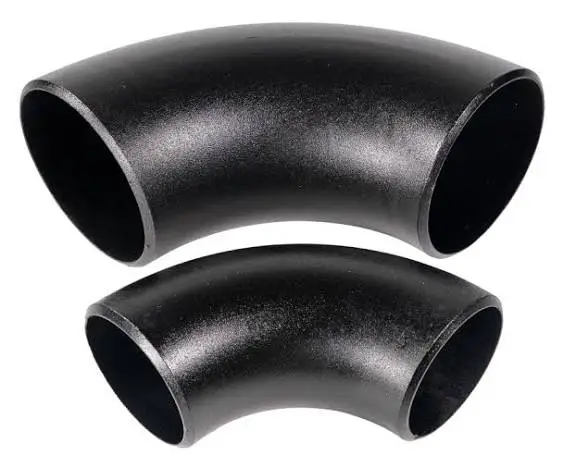
Installation and Measurement Best Practices
When elbows are installed correctly, they work better and don't break down early, which could compromise the integrity of the system.
Critical Dimension Verification
Before installing pipe elbows, ensure they meet project requirements by accurately measuring their centerline radius, diameter, wall thickness, and angle. With a caliper, you can check the outside circle against ASME B16.9, which specifies dimensional tolerances that vary according to the fitting size and parameter. Ultrasonic thickness gauges make sure that the wall thickness is right, taking into account mill errors and rust allowances. Radius templates or special fixtures check the centerline radius measurements and find bends that aren't within the tolerances, which can cause stress concentrations or flow disruptions.
Alignment and Welding Techniques
When things are lined up correctly, the internal diameter stays the same and there are no flow restrictions or stress risers. Backing rings or replaceable inserts make sure that the root pass goes all the way through, which is important for keeping the pressure inside. Defects like incomplete fusion, porosity, or cracking can be avoided if qualified welders follow the right steps. The carbon equivalent and thickness of the material determine the preheat and post-weld heat treatment needs. This is especially true for chrome-moly alloys. Specifications for the welding process should include ways to control hydrogen in bad service situations to stop cracks caused by hydrogen.
Integrity Testing and Documentation
Before starting up, hydrostatic testing is performed according to the applicable construction code, which may require pressures such as 1.5 times the design pressure, to make sure that the pressure is contained. As needed by ASME B31.3 for vital services, a radiographic examination can find internal weld flaws that can't be seen with the naked eye. When radiography isn't possible, ultrasonic testing can be used as an alternative nondestructive study. Traceability is needed for quality assurance and planning future maintenance. Documentation packages with material test reports, heat numbers, and inspection records set this up.
Procurement Tips and Supplier Selection Guide
Strategic relationships with suppliers and smart buying habits keep project risks to a minimum and costs under control.
Evaluating Supplier Credentials
Getting ISO 9001:2015 certification shows that you are committed to systematic quality management and continuous improvement. Suppliers who have pressure equipment direction approvals or API logo rights show that they can meet the strict needs of the business. Customer references from finished projects show how well the delivery, expert help, and problem-solving skills worked. Audits of manufacturing facilities make sure that the methods for quality control, production, and tracking are in line with what the project calls for.
Understanding Pricing and Lead Times
The price of raw materials changes with the steel market, which has an effect on how elbow prices change over time. For big projects that last for years, long-term supply deals keep prices stable. Ordering in bulk lowers the cost per unit, but it needs to be stored and managed properly. Standard sizes can be shipped more quickly from stock, but custom specifications require longer production times. Buying early lowers the risk of missing a deadline and may help you get a good deal on prices before the market goes up.
Standard versus Custom Elbow Selection
The standard ASME B16.9 measurements work well for most uses and save money by making a lot of them. Custom elbows are made to fit specific needs, like curves that aren't normal, special materials, or bends with a small radius. Getting engineering help from providers can help you find the best specs by balancing performance needs with the cost and ease of production. Custom designs are tested on prototypes to make sure they work before they are committed to production numbers.
Partnering with RAYOUNG for Reliable Supply
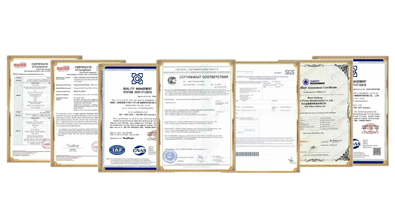
Buttweld steel elbows, reducers, and flanges for tough oil and gas applications are what RAYOUNG has been making for decades. When we make our seamless elbows, we use high-quality raw materials from trusted sources that have the right amount of carbon for high-pressure use. At every stage of production, comprehensive quality control checks the accuracy of the dimensions, material composition, and the finish on the surface. Our export safety and quality standards are backed up by GOST-R and SGS approvals. Our ISO 9001:2015-certified processes make sure that the quality of our products stays the same and that they can be tracked all the way through the manufacturing process. Technical support teams help you choose the right materials, look over the specifications, and come up with solutions that are unique to your project. Contractors and procurement managers can meet project goals and keep costs down with competitive price structures and flexible delivery plans.
Conclusion
When choosing the right types of pipe elbow configurations, you have to balance technical performance, compliance standards, and your budget. Seamless long-radius elbows work best in high-pressure situations that need to be precise, while welded versions are cheaper for less demanding uses. When choosing materials, oil and gas companies have to take into account harsh conditions that are corrosive and wide ranges of temperatures. Thoroughly checking out suppliers and following best practices for installation lowers project risks and guarantees that the system will work well for a long time.
FAQ
1. What distinguishes long-radius from short-radius elbows?
Long-radius elbows have a central radius that is 1.5 times the width of the pipe. This makes the turns smoother, which lowers pressure loss and turbulence. Short-radius bends are good for situations where installation space is limited and flow efficiency is less critical. Even though they take up more space, long-radius shapes are better for high-pressure oil and gas pipes because they have lower stress concentrations and erosion rates.
2. Which materials work best in corrosive oil and gas environments?
Grades of stainless steel like 316L provide excellent corrosion resistance and improved resistance to cracking in many chloride-containing environments when exposed to chloride, which is common in offshore applications. Duplex alloys are strong and don't rust, making them perfect for harsh environments. Performance and cost are balanced in carbon steel with internal coatings or corrosion-resistant alloy cladding. The choice of material is based on the chemical agents, temperature ranges, and projected service life.
3. Can manufacturers produce custom elbows for unique specifications?
Elbows that meet specific pressure ratings, temperature standards, and non-standard measurements can be made by reputable makers. Custom manufacturing is used when a project needs something specific, like curves that aren't common, materials that aren't common, or tight-radius shapes. Longer wait times and reviews by engineers make sure that unique designs meet performance standards before they are made.
Partner with RAYOUNG as Your Trusted Pipe Elbow Supplier
For high-pressure pipeline projects that call for dependable types of pipe elbows and fittings, RAYOUNG offers comprehensive solutions. Our production capabilities include both welded and seamless designs in carbon steel and stainless steel that meet ASME, ASTM, and GOST standards. We offer reasonable pricing, guaranteed quality, and quick technical support because we know the problems that EPC companies and industry end-users face when they need to buy things. Email our team at info@hb-steel.com to talk about your needs, get quotes, or set up a free review.
References
1. American Society of Mechanical Engineers. ASME B16.9: Factory-Made Wrought Buttwelding Fittings. New York: ASME Press, 2018.
2. American Society of Mechanical Engineers. ASME B31.3: Process Piping Code. New York: ASME Press, 2020.
3. Mohitpour, M., H. Golshan, and A. Murray. Pipeline Design & Construction: A Practical Approach. 3rd ed. New York: American Society of Civil Engineers, 2007.
4. Nayyar, M.L. Piping Handbook. 8th ed. New York: McGraw-Hill Education, 2019.
5. ASTM International. ASTM A234: Standard Specification for Piping Fittings of Wrought Carbon Steel and Alloy Steel for Moderate and High Temperature Service. West Conshohocken: ASTM International, 2021.
6. Escoe, A. Keith. Piping and Pipeline Assessment Guide. Burlington: Gulf Professional Publishing, 2006.

Need a quote? Want to see samples? Just say hello. We’re friendly. We’re fast. And we’re ready when you are.
Welcome to RAYOUNG – Strong Pipes, Stronger Promise