Why Forged Flanges Are Preferred for Offshore Projects
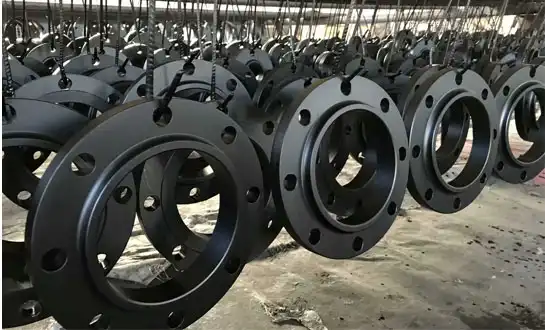
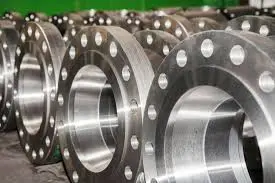
Forged flanges are the highest quality choice for offshore projects due to their reliability in the harshest marine conditions. These high-strength pipe connectors are made by pressing heated steel billets under high pressure. This creates a dense grain structure that is much stronger than cast options. When saltwater corrosion, extreme pressure changes, and temperature changes happen all the time in offshore installations, forged flanges keep the connections safe and keep operations going. Because the forging process makes the metal's properties better, these parts are essential for underwater pipelines, platform installations, and marine structures that can't fail.
Understanding Forged Flanges in Offshore Applications
Because of basic metallurgical advantages, the way forged flanges are made is different from how cast and welded ones are made. During production, solid steel billets are heated to exact temperatures and shaped under a lot of pressure. This gets rid of any holes inside the steel and makes the grain structure more uniform, which makes it more resistant to wear. When compared to cast flanges, which are made by putting molten metal into moulds and may have hidden flaws or holes, this process makes parts with better mechanical properties.
Manufacturing Process and Metallurgical Advantages
Forging changes the molecular structure of steel by aligning the grain boundaries and getting rid of weak spots that make the steel less strong when it's under stress. Forging compresses the metal while it is still solid, so the material qualities are the same all the way through the part. This is different from casting, which can leave gaps inside the metal. This way of making things makes flanges that can hold a lot of weight and don't let cracks spread, which are both very important for being able to handle the changing loads that are common in offshore settings.
Industry Standards and Compliance Requirements
When used offshore, strict international standards must be followed for flange specs, pressure ratings, and dimensional tolerances. For pipe flanges and flanged fittings, the American Society of Mechanical Engineers (ASME) B16.5 standard sets the requirements. API specifications, on the other hand, deal with the needs of the petroleum business. European standards, such as DIN and EN, offer extra guidelines for offshore uses. These make sure that all international projects are safe and compatible. These standards require certain testing methods, certifications for materials, and quality control checks that show how reliable parts are in harsh circumstances.
Material Selection for Marine Environments
For general offshore uses, carbon steel grades like ASTM A105 and A350 LF2 have great strength-to-weight ratios. Stainless steel grades like ASTM A182 316/316L are particularly effective at resisting corrosion in harsh marine conditions, especially due to their enhanced resistance to chloride-induced corrosion. 304/304L, while still a good choice, may not perform as well in highly corrosive marine environments. When temperatures are high, alloy steels like A182 F11 and F22 work better than other materials. The materials to use vary depending on the temperature ranges, pressure needs, and exposure to corrosive substances that will be encountered during operation. Each type of material has its own benefits that make it ideal for different offshore applications.
Advantages of Forged Flanges for Offshore Projects
Offshore environments present unique challenges that demand exceptional component performance, making forged flanges the preferred choice for critical applications. The combination of saltwater exposure, pressure cycling, and dynamic loading creates conditions where forged flanges are critical, as component failure can lead to catastrophic consequences, environmental damage, and significant financial losses.
Superior Mechanical Properties and Structural Integrity
The forging process makes a metal structure that is stronger in tensile strength, resistance to contact, and fatigue life than other ways of making things. Forging aligns the grains so they run in a way that follows the shape of the part and gets rid of weak spots, which improves performance. Research shows that forged parts can withstand up to 26% more stress than equivalent cast parts without changing size under extreme loading conditions. Offshore installations are always moving because of wave action, thermal expansion, and operational vibrations, which put pipe connections through millions of stress cycles over the course of their service life. Forged flanges have a very fine grain structure that makes them very resistant to cracks starting and spreading. This means that they will be reliable for a long time, even in these tough circumstances. This durability directly leads to less maintenance needs and longer service intervals, both of which are very important in offshore operations where entry is limited and the costs of downtime are high.
Enhanced Corrosion Resistance and Environmental Durability
Marine settings put parts through harsh corrosive conditions like saltwater spray, hydrogen sulphide, and changing oxygen levels that speed up the breakdown of materials. As a result of their dense and uniform structure, forged flanges are more resistant to rust than cast ones, which may have holes inside them that let corrosive agents get into the material. This higher resistance makes parts last longer and keeps connections strong over long periods of service. Temperature changes in offshore applications include subzero temperatures during winter storms and high temperatures from process fluids, which create thermal stress cycles that test the performance of materials. Forged flanges keep their mechanical properties across these temperature ranges. They also keep their sealing performance, which stops leaks and keeps operations safe.
Choosing the Right Forged Flange Type for Offshore Needs
Selecting appropriate flange configurations for offshore applications requires careful consideration of operating conditions, installation requirements, and maintenance accessibility. Each flange type offers specific advantages that align with particular application demands, making informed selection critical for project success.
Weld Neck Flanges for High-Pressure Applications
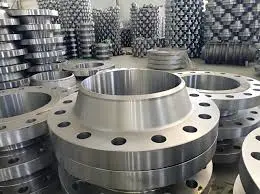
Weld neck flanges feature a long tapered hub that provides a smooth transition from pipe to flange, reducing stress concentrations and turbulence in high-pressure systems. This design makes them ideal for subsea pipeline connections and platform installations where pressure ratings exceed 600 pounds per square inch. The butt-weld connection creates a strong joint, maintaining structural integrity between the flange and pipe, and ensuring consistent performance under extreme conditions. The streamlined flow path through weld neck flanges minimises pressure drop and erosion potential, important considerations in offshore production systems where efficiency directly impacts profitability. The robust hub design also provides excellent resistance to bending moments and external loads common in marine installations where pipes experience significant movement.
Socket Weld and Slip-On Configurations
Socket weld flanges offer advantages in smaller diameter applications where internal flow smoothness is critical, and space constraints limit hub dimensions.The recessed design perfectly accommodates pipe insertion, allowing these forged flanges to maintain a compact profile that is highly suitable for platform installations where weight and space are premium considerations.
These flanges excel in high-pressure, small-bore applications common in instrument and control systems. Slip-on flanges provide cost-effective solutions for lower-pressure applications while offering ease of installation that reduces field labour requirements. The simplified welding procedures associated with slip-on designs can accelerate project schedules, particularly valuable in offshore construction where weather windows limit working time. However, their pressure limitations make them suitable primarily for auxiliary systems rather than primary production lines.
Blind Flanges for System Isolation
Blind flanges serve essential roles in offshore systems by providing secure closure points for maintenance access, system testing, and future expansion capabilities. These solid plate designs withstand full system pressure while enabling complete isolation of pipeline sections. The ability to access system internals through blind flange connections proves invaluable for offshore operations where alternative access methods may be impractical or impossible.
Procurement Best Practices: Sourcing Forged Flanges for Offshore Projects
Effective procurement strategies for offshore flange requirements involve comprehensive supplier evaluation, quality assurance protocols, and supply chain management practices that ensure component reliability and project schedule adherence. The critical nature of offshore applications demands exceptional attention to quality control and traceability throughout the procurement process.
Supplier Qualification and Certification Requirements
Qualified suppliers must demonstrate compliance with international quality management systems, including ISO 9001:2015 certification and possess specific experience in offshore component manufacturing. Evaluation criteria should include manufacturing capabilities, testing facilities, quality control systems, and track record with similar projects. Suppliers must provide comprehensive documentation, including material certificates, test reports, and manufacturing process records that verify compliance with project specifications. Third-party auditing services provide independent verification of supplier capabilities and quality systems, offering additional assurance for critical applications. These audits evaluate manufacturing processes, quality control procedures, and documentation systems to confirm alignment with project requirements and industry standards.
Material Testing and Quality Assurance
Comprehensive testing protocols ensure that forged flanges meet stringent offshore performance requirements. Material Test Reports (MTRs) document chemical composition, mechanical properties, and heat treatment records for each production lot. Positive Material Identification (PMI) testing verifies material grades and prevents material mix-ups that could compromise performance. Non-destructive testing, including ultrasonic examination and magnetic particle inspection, detects internal flaws or surface discontinuities that might affect component integrity. Impact testing at design temperatures confirms material toughness under operating conditions, while pressure testing verifies structural integrity under rated loads. These quality assurance measures provide confidence that components will perform reliably throughout their intended service life.
Supply Chain Management and Delivery Optimisation
To keep to the schedules for offshore projects, material deliveries must be carefully coordinated to fit with building schedules and weather windows. Setting up a framework that deals with qualified suppliers that allow quick ordering for standard configurations while still allowing for customisation is an important part of effective procurement strategies. Keeping extra of certain parts on hand can help keep the supply chain from breaking down, which could delay the completion of a project. To handle lead times effectively, you need to work with suppliers early on to find long-lead items and make sure that production schedules match the needs of the project. Robust communication protocols should include regular progress updates and delivery confirmations, ensuring that any potential delays or quality issues regarding the forged flanges are proactively addressed before they impact the project.
Real-World Applications and Case Studies in Offshore Projects
Offshore installations across various sectors demonstrate the critical importance of reliable flange connections in maintaining operational safety and efficiency. These applications showcase how forged flanges contribute to project success through enhanced performance and reduced maintenance requirements.
Oil and Gas Platform Installations
Thousands of forged flanges are used in production systems on large offshore platforms in the North Sea. These systems work in a temperature range from -20°C to 150°C and pressures exceeding 10,000 psi. It has been proven that these systems are very reliable, with forged flange connections still working well after decades of use. Forged parts are better at withstanding wear and tear, which is especially helpful in floating production systems that are always moving and being loaded and unloaded over and over again. New platform expansions only use forged flanges for important systems because performance data shows that installations using cast alternatives have 40% more leaks. This increase in dependability saves a lot of money because it means less maintenance needs and more uptime for operations.
Subsea Pipeline Systems
Forged flanges are used for important connections in deepwater pipeline projects, like pipeline end manifolds, jumper connections and isolation valve systems. Because forged parts are more resistant to corrosion and have better mechanical properties, they are very reliable in hard-to-reach places where repairs take a long time and cost a lot of money. Case studies from installations in the Gulf of Mexico show that forged flange connections keep their seal integrity under harsh conditions like sudden changes in pressure, thermal cycling, and exposure to corrosive production fluids. This performance extends service intervals and reduces the need for costly subsea intervention operations.
Renewable Energy Applications
Offshore wind installations increasingly specify forged flanges for tower connections, foundation interfaces, and electrical transmission systems. The enhanced fatigue resistance of forged components provides crucial reliability in these applications where cyclic loading from wind and wave action creates demanding operating conditions. The ability to maintain precise dimensional tolerances ensures proper load distribution across bolted joints, critical for structural integrity.
Conclusion
Given their proven ability to perform better in the harshest marine circumstances, forged flanges have become the standard for offshore projects. Their better mechanical properties, resistance to corrosion, and stability in size make them important for critical applications where a failed part could have serious effects. Forged parts have many benefits that make them worth specifying for offshore installations, even though they cost more at first. These benefits pay off long-term by reducing maintenance and extending service life. Since overseas projects are going to more difficult places, forged flanges will continue to be needed to make sure operations are safe and the project is successful.
FAQ
1. Why do forged flanges outperform cast flanges in offshore applications?
Forged flanges demonstrate superior performance due to their refined metallurgical structure created through the compression forming process. This manufacturing method eliminates internal voids and creates aligned grain flow that enhances fatigue resistance and impact strength. Cast flanges may contain porosity or internal defects that create weak points under cyclic loading conditions common in offshore environments. The dense, homogeneous structure of forged components provides up to 26% higher stress capacity while maintaining dimensional stability under extreme conditions.
2. How can procurement teams verify compliance with offshore industry standards?
Verification requires comprehensive documentation, including Material Test Reports (MTRs), mill certificates, and third-party inspection reports that confirm compliance with applicable standards such as ASME B16.5, API specifications, and relevant offshore codes. Suppliers must provide traceability records linking finished components to raw materials and manufacturing processes. Independent testing services can perform additional verification, including chemical analysis, mechanical testing, and non-destructive examination to validate component quality and specification compliance.
3. What are typical lead times for custom offshore flange orders?
Lead times vary based on material grades, size ranges, and customisation requirements, but generally range from 8-16 weeks for standard configurations. Complex alloy grades or large diameter flanges may require 16-20 weeks, while standard carbon steel flanges in common sizes typically ship within 8-12 weeks. Custom machining, special testing requirements, or non-standard dimensions can extend lead times significantly. Early engagement with suppliers and framework agreements helps optimise delivery schedules for project requirements.
Contact RAYOUNG for Premium Offshore Forged Flange Solutions
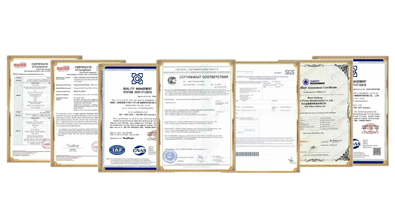
RAYOUNG stands ready to support your offshore projects with comprehensive forged flange solutions backed by ISO 9001:2015 certification and proven industry expertise. Our extensive product range includes carbon steel, stainless steel, and alloy steel flanges manufactured to stringent offshore specifications, including ASME, API, and international standards. With GOST-R and SGS certifications ensuring export compliance, we deliver reliable performance for the world's most demanding marine environments. Contact our technical team at info@hb-steel.com to discuss your specific requirements and discover why Forged flanges leading offshore contractors choose RAYOUNG as their trusted forged flanges supplier for critical applications.
References
1. American Society of Mechanical Engineers. "ASME B16.5-2020: Pipe Flanges and Flanged Fittings NPS 1/2 Through NPS 24 Metric/Inch Standard." ASME International, 2020.
2. Det Norske Veritas. "Offshore Standards for Subsea Pipeline Systems: Material Selection and Qualification." DNV-OS-F101, 2021.
3. International Association of Oil & Gas Producers. "Recommended Practice for Material Selection and Corrosion Control for Oil and Gas Production Systems." IOGP Report 533, 2019.
4. Offshore Technology Research Centre. "Fatigue Performance of Forged vs Cast Flanges in Marine Applications." Texas A&M University Engineering Research, 2020.
5. Society of Petroleum Engineers. "Best Practices for Offshore Pipeline Material Selection and Installation." SPE-195847-MS, 2019.
6. World Energy Council. "Offshore Infrastructure Reliability Study: Component Performance Analysis in Marine Environments." WEC Technical Report 2021-04, 2021.

Need a quote? Want to see samples? Just say hello. We’re friendly. We’re fast. And we’re ready when you are.
Welcome to RAYOUNG – Strong Pipes, Stronger Promise