Choosing the Right Flange Type for Offshore Platforms
Picking the right offshore flanges is a big choice that has a direct effect on the safety of the platform, how well it works, and how much the whole project costs. In marine settings, these special, heavy-duty connectors have to be able to handle high pressure, extreme saltwater corrosion, and constant vibrations. The configuration you choose—weld neck, blind, or swivel flange—affects both how well the installation goes right away and how much upkeep it needs in the long run. Knowing about the material's properties, its pressure ratings, and its ability to work in different environments will help you make sure that your platform works well and that you don't have to worry about downtime or compliance problems.
Understanding Offshore Flanges: Definitions and Key Specifications
Essential Functions in Marine Engineering Applications
Some of the harshest places in the world are where offshore flanges are used to connect piping systems, pressure tanks, and subsea equipment. These parts make sure that the connections between pipes, valves, and tools are safe and don't leak. They can also stand up to saltwater, high temperatures, and mechanical stress. Offshore industrial flanges are designed differently to meet the unique demands of marine installations. For example, the engineering needs for offshore use require stronger structures than those used onshore. Although the platform constantly moves and experiences varying temperatures and pressure, these rings must maintain a perfect seal. Flange failure in offshore settings can cause more than just maintenance problems. It can also cause environmental disasters, put workers at risk, and cost a lot of money.
Primary Flange Types for Platform Applications
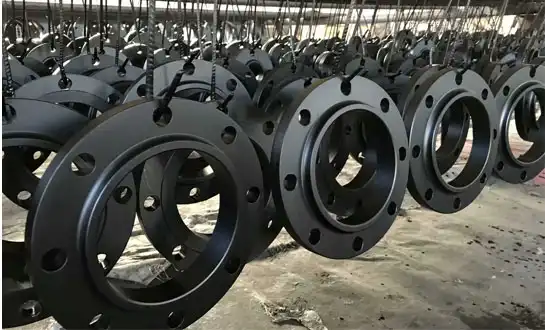
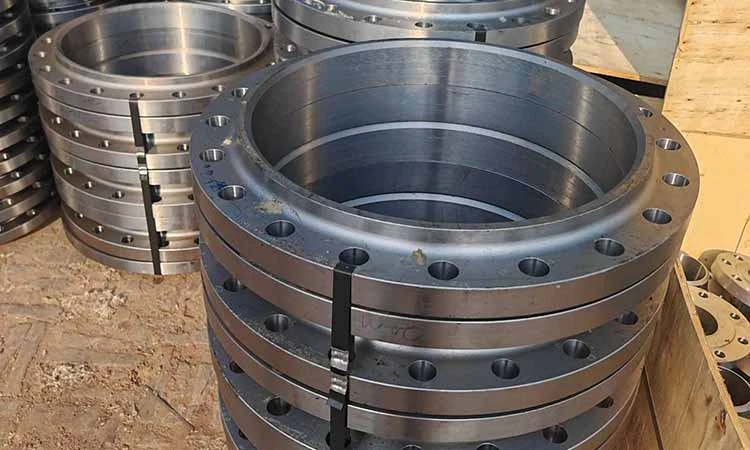
Marine engineering projects use a number of different flange configurations, each of which is best for a certain set of practical needs. Weld neck flanges are very strong and can be used to connect high-pressure pipelines. They have a curved hub design that spreads stress evenly across the joint. This configuration is especially useful for subsea uses where maintenance access is very limited. Blind flanges are very important for keeping pipeline ends sealed during installation, testing, or maintenance. These rigid disc parts keep fluid from escaping while letting parts of the system be closed temporarily. Swivel flanges can rotate 360 degrees, which makes it much easier to line up bolt holes during subsea installation. This cuts down on the time and complexity of the installation process. Socket weld flanges are ideal for high-pressure, small-diameter applications where space constraints prevent the use of other connection methods. The socket design lets the pipe go in and out, and the welded joint shape gives it great pressure resistance.
Technical Specifications and Standards Compliance
Offshore flanges can handle pressures typically ranging from Class 150 (about 285 psi) to Class 2500 (about 2,500 psi), with some special designs engineered for higher pressures in specific applications, reaching up to 10,000 psi or more. These scores have to match the parameters for how the system works and include the right safety margins. The ASME B16.5 standards set the sizes of flanges and the relationships between offshore flange pressure and temperature. This makes sure that products from different makers and uses can work together. When choosing a material, corrosion resistance is very important. The grades UNS S31803 and S32750 of duplex stainless steel are very good at resisting chloride stress corrosion while still being strong. Super duplex alloys should work in very sour service circumstances. Nickel-based alloys, such as 625, 718, and 825, offer excellent corrosion resistance, especially in extreme environments, but their cost varies depending on the application and the level of corrosion resistance required. Dimensional standards follow API, ASME, and ISO rules to make sure they work everywhere. For accurate sizing, the pipe width, wall thickness, and connection needs must all be carefully thought through. Engineers have to make sure that the dimensions of the flange bore match the specs for the pipe, and they also have to decide if any end preparation is needed.
Comparing Offshore vs. Onshore Flanges for Optimal Platform Performance
Structural and Material Engineering Differences
The main difference between offshore and onshore plate designs is how well they can handle the harsh conditions of the ocean. Offshore flanges have better metallurgy, thicker wall sections, and better sealing surfaces to protect against corrosion and pressure cycles in saltwater. For offshore parts, stricter quality controls and material testing rules are usually used during the manufacturing process. Forged construction is most common because it has better grain structure and mechanical properties than cast options. Forging gets rid of internal gaps and makes the grains run continuously, which makes the material more resistant to fatigue. When parts are subject to regular vibrational loads and pressure changes, this way of making them is necessary.
Environmental Resilience and Pressure Capabilities
Seawater exposure causes rust problems that flanges on land never have to deal with. Standard carbon steel products rust faster when there are a lot of chloride ions in the air. Offshore flanges protect against this by using special alloys and surface treatments that stop marine corrosion. Temperature changes in offshore settings happen quickly, from seawater that is almost frozen to high process temperatures. Because of this thermal stress, the materials need to be able to handle thermal growth well and not wear down easily. When you add together the pressure, warmth, and corrosive environment, you get conditions that are better than most onshore uses.
Material Trade-offs: Stainless Steel vs. Carbon Steel
Carbon steel flanges are cheaper, but they need extra steps to keep them from rusting, like sealing systems or cathodic protection. ASTM A105 carbon steel is strong enough for many uses, but it needs to be carefully managed to prevent rusting. The total cost of ownership for carbon steel flanges includes the cost of maintaining corrosion protection systems, such as cathodic protection. It also covers the cost of replacing these systems when needed. For more corrosion-resistant materials, such as stainless or duplex steel, these additional costs are often lower or not needed. Stainless steel alternatives, especially duplex grades that meet ASTM A182, don't rust and have better mechanical qualities. Even though stainless steel costs more at first, it usually ends up being worth it because it lasts longer and needs less upkeep. For the toughest jobs, super duplex grades offer even better protection against corrosion.
How to Choose the Right Offshore Flange Type for Your Platform: Decision Support Approach
Operational Assessment Framework
To choose the right flange, you should first carefully look at all the practical factors that will affect the performance needs. Water depth significantly impacts the ease of installation and maintenance for subsea equipment and piping systems, which directly dictates your design and material choices. Platforms in shallow water can be inspected and maintained more often, while installations in deep water need to be as reliable as possible and have longer service intervals. The characteristics of the process fluid decide the material compatibility requirements. Hydrocarbon service may expose materials to hydrogen sulphide, which calls for materials that don't crack easily when exposed to sulphide. The temperature of the production stream affects how to choose a gasket and how to think about thermal expansion. Minimum pressure rating requirements are set by the pressure levels that exist throughout the system's lifecycle, including possible surge conditions. The amount of environmental exposure depends a lot on where the platform is located and how it is designed. Because of the alternating wet-dry cycles and the presence of oxygen, splash zone places have the most severe corrosion conditions. Submerged parts are constantly exposed to seawater and could get marine growth on them, which are both different but equally difficult circumstances.
Core Selection Criteria and Standards Compliance
Material suitability is the most important factor in choosing something because it ensures that it will work safely and reliably for the whole design life. Chemical compatibility charts help you figure out which types of alloy to use in different situations. Galvanic compatibility between flanges and connecting parts stops joints from rusting faster. Meeting international standards makes sure that the product is accepted all over the world and gets government approval. API 6A certification makes sure that the equipment can be used in wellhead and tree applications. The fact that it meets NACE MR0175 standards proves that it can handle sour service situations. ISO 9001 certification shows that a quality management system was followed during production. Choosing the right pressure class requires a thorough examination of working pressures, possible surge conditions, and safety factors. The rating that is chosen must include the highest operating pressure that is expected, along with the right amount of safety margins. According to tables that show the relationship between pressure and temperature, temperature may lower the allowed working pressure.
Economic and Functional Balance
Lead time affects project plans and can influence material selection. When compared to exotic metals, standard carbon steel flanges usually have shorter lead times. Custom shapes or materials may need longer production times, which can delay projects. Minimum order quantities can significantly impact purchasing costs, especially for less common alloys or non-standard sizes. Volume savings might make it worth it to order more than you need for future maintenance needs. International sourcing choices are made more difficult by the costs of shipping and customs duties. The total cost of ownership analysis takes into account the initial purchase price, the costs of installation, the costs of maintenance, and the costs of replacement. Even though they cost more at first, higher-quality products that last longer often end up being cheaper in the long run. Because maintenance is harder to get to in offshore environments, reliability is more important than original cost.
The Manufacturing Process and Quality Assurance of Offshore Flanges
Production Methods and Metallurgical Considerations
When it comes to offshore flanges, forging is the best way to make them because it can make parts with better mechanical qualities and grain structure. Forging gets rid of flaws in the casting process and creates continuous grain flow that makes the material more resistant to wear. Hot forging at controlled temperatures makes sure that the whole part has the best mechanical properties. Precision machining processes make the closing surfaces and precise measurements that are needed for reliable performance. Computer-controlled machining centres make sure that the surface finish and size consistency are the same from one production run to the next.
Advanced heat treatment methods not only optimize the mechanical properties of the materials but also relieve residual manufacturing stresses that could otherwise compromise the long-term performance of offshore flanges.
During production, quality control includes checking the material's accuracy, its dimensions, and its ability to function without damage. Ultrasonic testing finds problems inside that could affect the function. Magnetic particle analysis shows bumps on the surface that could cause stress corrosion cracking to start.
Certification and Quality Validation Systems
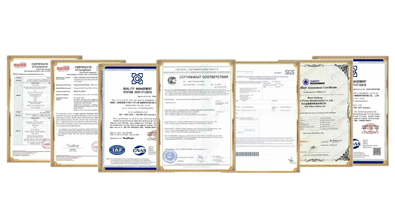
API 6A certification validates flanges for critical wellhead and Christmas tree applications where failure consequences prove most severe. This certification requires extensive testing, including pressure cycling, thermal cycling, and environmental exposure tests. The qualification process demonstrates performance under simulated service conditions. ISO 9001 quality management certification ensures consistent manufacturing processes and continuous improvement initiatives. Certified manufacturers maintain documented procedures for material control, manufacturing processes, and quality verification. Regular audits confirm ongoing compliance with quality standards. Third-party inspection services provide independent verification of material properties, dimensions, and workmanship quality. These services prove particularly valuable for critical applications where performance reliability justifies additional verification costs. Inspection certificates provide documented evidence of compliance with specifications and standards.
Technological Innovations and Performance Enhancements
Recent advances in metallurgy have produced new alloy grades with enhanced corrosion resistance and mechanical properties. Lean duplex stainless steels offer improved corrosion resistance compared to standard austenitic grades while maintaining cost competitiveness. These materials expand the range of economical solutions for challenging service conditions. Advanced manufacturing techniques, including computer-controlled machining and automated welding, improve consistency while reducing production costs. These technologies enable tighter tolerances and better surface finishes that enhance sealing performance and extend service life. Coating technologies provide additional corrosion protection for carbon steel components in less demanding applications. Thermal spray coatings and advanced paint systems extend service life while maintaining cost advantages compared to solid stainless steel alternatives.
Procurement Strategies for Offshore Flanges: From Sourcing to Delivery
Supplier Evaluation and Selection Criteria
Identifying qualified suppliers requires evaluation of manufacturing capabilities, quality certifications, and technical expertise. Suppliers should demonstrate experience with offshore applications and an understanding of marine environment challenges. Manufacturing facility audits verify quality systems and production capabilities. Brand certification and compliance documentation provide evidence of supplier commitment to quality and reliability. Suppliers should maintain current certifications, including API, ISO, and relevant material specifications. Reference projects and customer testimonials indicate successful performance in similar applications. Technical support capabilities prove valuable during specification development and problem-solving activities. Suppliers with engineering expertise can assist with material selection, dimensional optimisation, and custom design requirements. This support proves particularly valuable for complex or critical applications.
Pricing Strategies and Volume Considerations
Offshore flanges are priced differently from normal industrial grades because they are made with better materials and have stricter manufacturing requirements. Discounts for buying in bulk can help you save money on big projects or when you combine needs from different platforms. Long-term agreements may offer stable prices and supply security. Minimum order numbers limit the flexibility of purchasing and the amount of stock that needs to be kept on hand.Suppliers typically establish Minimum Order Quantities (MOQs) for offshore flanges based on manufacturing efficiency and raw material utilization rates. Careful demand forecasting is needed to plan purchases that meet MOQ requirements and avoid having too much inventory. Custom flange needs command higher prices because they require custom tools and setup costs. When you can, sticking to standard sizes and specs cuts down on costs and makes things easier to find. Custom options may be more cost-effective, though, if they get rid of extra parts or make installation easier.
Logistics and Supply Chain Management
Lead times for offshore flanges depend a lot on the material chosen, how complicated the manufacturing is, and how much capacity the seller has. Standard carbon steel flanges typically have faster lead times than specialised alloys or custom designs. Planning your purchasing activities ahead of time will help you avoid schedule delays and rush order fees. When shipping, you should think about what kind of packaging you need to protect the items during transport and handling. Heavy flange parts need the right lifting points and protective packing to keep them from getting damaged. International shipments require customs paperwork and may be delayed, which should be accounted for in project schedules. Export rules and compliance requirements vary from country to country, which could affect the choice of provider. Some products or materials may not be able to be exported, which makes it harder to source them from other countries. If you know about these standards early on, you can avoid delays and problems with compliance during procurement.

Conclusion
Selecting appropriate offshore flanges requires balancing technical performance requirements with economic considerations and project constraints. Material selection represents the most critical decision factor, directly affecting corrosion resistance, mechanical properties, and service life. Compliance with industry standards ensures compatibility and regulatory acceptance while maintaining safety margins. The total cost of ownership approach proves more valuable than initial purchase price optimisation due to limited maintenance access and failure consequences in offshore environments. Partnering with qualified suppliers who understand marine application requirements and maintain appropriate certifications reduces project risks while ensuring reliable supply chain performance.
FAQ
1. What standards govern offshore flange production, and why are they important?
API 6A, ASME B16.5, and ISO 17292 represent the primary standards governing offshore flange design and manufacturing. API 6A specifically addresses wellhead and Christmas tree equipment where failure consequences prove most severe. ASME B16.5 establishes dimensional standards and pressure-temperature ratings for general service applications. ISO 17292 provides requirements specifically for offshore pipeline systems. These standards ensure global compatibility, establish minimum performance requirements, and provide regulatory compliance frameworks that protect personnel and environmental safety.
2. How do I select the right material for my specific offshore conditions?
Material selection depends on fluid composition, operating temperature, pressure requirements, and environmental exposure levels. Duplex stainless steels like UNS S31803 provide excellent general-purpose corrosion resistance for seawater and hydrocarbon service. Super duplex grades UNS S32750 offer enhanced performance for high-temperature or sour service conditions. Nickel alloys 625 and 825 provide maximum corrosion resistance for the most demanding applications. Carbon steel with appropriate corrosion protection systems remains economical for less critical applications with adequate maintenance access.
3. What are typical lead times for bulk offshore flange orders?
Standard duplex stainless steel flanges typically require 8-12 weeks for production and delivery. Exotic alloys or large sizes may extend lead times to 14-16 weeks due to material availability and manufacturing complexity. Custom configurations requiring special tooling or testing may need 16-20 weeks, depending on design complexity. Carbon steel flanges offer shorter lead times of 6-8 weeks for standard configurations. Planning procurement activities well in advance prevents schedule delays and allows for proper quality verification procedures.
Partner with RAYOUNG for Reliable Offshore Flange Solutions
RAYOUNG delivers comprehensive offshore flange solutions engineered for the demanding requirements of marine environments. Our certified manufacturing processes ensure compliance with API, ASME, and ISO standards while maintaining strict quality control throughout production. We specialise in duplex and super duplex stainless steel flanges that provide superior corrosion resistance and mechanical properties for offshore applications. Our experienced engineering team assists with material selection, custom design requirements, and technical support to optimise your platform performance. Contact our engineering and sales experts at info@hb-steel.com to discuss your specific requirements and receive detailed, customized quotations for your upcoming offshore projects.
References
1. American Petroleum Institute. "API Specification 6A: Specification for Wellhead and Christmas Tree Equipment." 21st Edition, 2019.
2. American Society of Mechanical Engineers. "ASME B16.5: Pipe Flanges and Flanged Fittings NPS 1/2 Through NPS 24 Metric/Inch Standard." 2020 Edition.
3. ACE International. "MR0175/ISO 15156: Petroleum and Natural Gas Industries - Materials for Use in H2S-Containing Environments in Oil and Gas Production." 2020 Revision.
4. Det Norske Veritas. "DNV-OS-F101: Submarine Pipeline Systems - Offshore Standard." 2013 Edition with Amendments.
5. International Organisation for Standardisation. "ISO 17292: Metal Ball Valves for Petroleum, Petrochemical and Allied Industries." 2015 Edition.
6. Offshore Technology Conference. "Materials Selection and Corrosion Control for Offshore Oil and Gas Operations." Annual Technical Papers, 2022-2023.

Need a quote? Want to see samples? Just say hello. We’re friendly. We’re fast. And we’re ready when you are.
Welcome to RAYOUNG – Strong Pipes, Stronger Promise