Slip-On Flanges for Water Treatment: Benefits and Limitations
Secure, leak-proof links are very important for water treatment systems to keep working well and safely. When it comes to connecting pipes, slip-on flanges have become a popular choice because they are easy to install and don't cost a lot of money. They require less complex preparation and tooling compared to other flange types; they slide onto pipes before being welded in place. This makes them especially useful for water treatment projects where keeping costs low and meeting tight deadlines are very important. Slip-on flanges are designed so that they can provide secure pipe connections when properly welded and gasketed. They can handle mild pressure and temperature changes with reliable sealing performance under moderate pressure and temperature conditions, so they work well in most municipal and industrial water treatment situations.
Understanding Slip-On Flanges in Water Treatment Applications
Water treatment facilities across the United States increasingly rely on slip-on flanges due to their straightforward design and practical installation advantages. These pipe fittings feature a simple yet effective construction that accommodates various piping configurations commonly found in filtration systems, chemical dosing lines, and distribution networks.
Technical Design and Construction
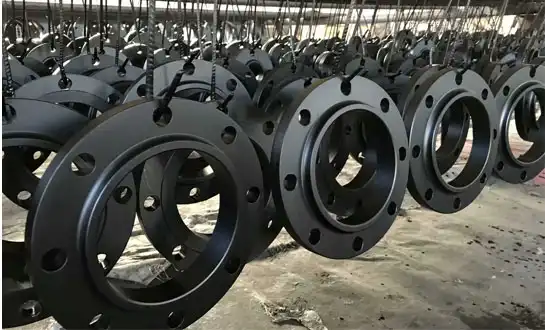
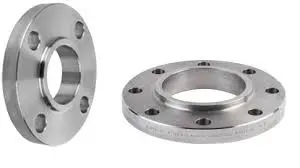
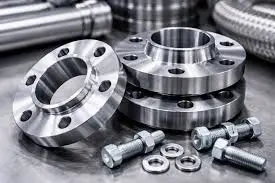
Slip-on flanges are built around having a slightly larger inner diameter, which makes it easy for them to slide over pipe ends before welding. This engineering method gets rid of the need for accurate pipe cutting or complicated weld bevels, which shortens the installation time and lowers the need for skilled workers. The flange body typically features raised face (RF) or flat face (FF) configurations that make optimal sealing surfaces for gasket alignment. This ensures that the connections in the water treatment system do not leak. ASME B16.5 standards are met by modern slip-on flanges made for water treatment uses. They have standard bolt hole patterns and sizes. These requirements make sure that the structure will work with the current infrastructure and keep its strength so that it can be used continuously in harsh conditions.
Material Selection and Standards Compliance
The choice of material is very important for how well slip-on flanges work in water treatment systems. Carbon steel is still the most commonly used material because it is easy to find and has a great strength-to-cost ratio. Stainless steel types, especially grades 304 and 316, are better at resisting rust in places where chlorine, ozone, or other chemicals are present. Standards for manufacturing make sure that these flanges meet strict quality standards. Specifications set by ASTM govern material composition and mechanical properties, while ISO certifications confirm manufacturing processes and quality control systems. These standards give people who buy things confidence that the goods they choose will work reliably for as long as they are supposed to.
Pressure Class Applications
For slip-on flanges utilized in water treatment systems, Class 150 and Class 300 represent the most common and appropriate pressure ratings. This is the pressure range where slip-on flanges work very well. Class 150 flanges can handle pressures of up to 285 psi at room temperature, which means they can be used for most public water treatment and distribution tasks. Class 300 flanges can handle pressures of up to 740 psi at ambient temperature, which makes them suitable for more difficult commercial water treatment processes.
Benefits of Using Slip-On Flanges in Water Treatment Projects
The advantages of implementing slip-on flanges in water treatment systems extend beyond simple cost considerations, encompassing installation efficiency, material versatility, and operational reliability that directly address the core concerns of project managers and procurement professionals.
Installation Efficiency and Labour Cost Reduction
One of the best things about slip-on flanges in water treatment jobs is how quickly they can be installed. Because these fittings can be slid right onto the ends of pipes, they don't need to be machined or cut with great accuracy like weld neck alternatives do. This feature comes in handy for retrofit projects that need to change current pipes to make room for new treatment equipment or process improvements. Some benefits of field installation are less time spent welding and easier adjustment steps. Because the pipe slides directly into the flange bore, installers benefit from a generous fit-up margin. This eliminates the need for millimeter-perfect pipe cutting, ensuring precise alignment even in the tight, restricted spaces commonly found in treatment facilities. This freedom directly leads to lower labour costs and shorter project completion times, both of which are important for keeping up with working schedules and staying within budget.
Material Versatility and Corrosion Resistance
Engineers can choose slip-on flanges that are exactly right for their needs because there are so many materials to choose from. Carbon steel choices are cheap and good for general service uses, and special coatings make them last longer in corrosive environments. Versions made of stainless steel are very strong against chlorine-based cleaning systems and other harsh chemicals that are often used in water treatment processes. Modern methods of treating materials, like galvanising and epoxy coatings, make them even more resistant to corrosion without having a big effect on the cost of the job. These safety steps are especially helpful for installations that are outside, where weather and changes in temperature can speed up the wear and tear on materials over time.
Cost-Effectiveness and Procurement Advantages
Slip-on flanges are always a favourite among procurement workers because they are cheap and easy to get. Because they are easier to make than weld neck flanges, they cost less per unit and take less time to get to market. When working on big jobs that need hundreds or thousands of flange connections, this cost savings becomes very important. When you buy in bulk, you can save even more money because well-known manufacturers offer low prices for large orders. Standard sizes and mass production make sure that supplies are always available, which lowers the chance that a project will be held up by a lack of materials.
Limitations and Challenges of Slip-On Flanges in Water Treatment Systems
While slip-on flanges offer numerous advantages, understanding their limitations ensures appropriate application selection and helps avoid potential performance issues in demanding water treatment environments.
Strength and Pressure Limitations
Slip-on flanges can't be used in high-pressure water treatment systems because of how they are built. With this design, there are naturally more stress concentrations than with weld neck flanges, especially where the pipe meets the flange face. Because of this, they are generally not recommended for applications above Class 300 or for high-stress conditions or where there are heavy mechanical loads. When systems are subject to changing pressures or vibrations, fatigue resistance is another thing to think about. Pumps used in water treatment, compressors, and other machines that spin can cause cyclic stresses that can weaken slip-on flange fittings over time. When engineers choose the right flange types for important uses, they need to carefully think about these factors.
Installation Quality Requirements
To install a slip-on flange correctly, you need to use the right welding methods and follow strict quality control steps. If you don't do enough penetration or use the right weld profiles, you can make leak paths that damage the stability of the system. Because both inside and outside fillet welds are needed, installation mistakes are more likely to happen than with easier connection methods. In water treatment uses, where system failures can threaten public health and safety, quality assurance is even more important. Correct inspection methods, such as non-destructive testing when needed, make sure that connections meet the standards set by regulations and the design specifications.
Maintenance and Lifecycle Considerations
For slip-on flange installations, lifecycle cost analyses must take into account the need for long-term upkeep. At the point where the pipe meets the flange, crevice rust can happen, especially in places where the water chemistry often changes. Inspection and repair programs that are done on a regular basis help find problems before they cause the system to fail or cause unplanned downtime. When replacing parts, the system may need to be changed in big ways, especially in places that are hidden or hard to get to. Planning for future maintenance needs when the system is first designed helps keep costs and downtime to a minimum over the life of the building.
Slip-On Flange Comparisons: Making the Right Choice for Your Water Treatment Needs
Selecting optimal flange types requires careful evaluation of system requirements, operating conditions, and long-term performance expectations. Understanding the relative advantages and limitations of different flange designs enables informed procurement decisions that balance cost, performance, and reliability.
Performance Comparison with Alternative Flange Types
Slip-on designs aren't as strong or resistant to fatigue as weld neck flanges, which is why they're better for high-pressure uses or important system connections. However, in moderate-pressure water treatment systems, these performance advantages are often outweighed by higher costs and more complex installation. When it comes to systems that need to be taken apart often for cleaning or replacing parts, lap joint flanges are especially useful because they allow for more flexible assembly and easier maintenance access. Their higher original cost and chance of crevice corrosion must be weighed against the ways they can be useful in certain situations. Threaded flanges eliminate the need for welding, but they also create a potential leak path through the threaded connection. Most of the time, they are only used on smaller capacity pipe systems where welding is hard to get to or not cost-effective.
Material Selection Guidelines
Slip-on flanges made of carbon steel are a great value for basic water treatment uses where corrosion is not a problem. They are easy to find and don't cost too much, which makes them good choices for municipal systems and commercial uses with low chemical exposure. Stainless steel versions are worth the extra money when they need to be used with harsh chemicals for water treatment, at high temperatures, or for a long time. Grade 316 stainless steel is better at resisting chloride than Grade 304, which is why it is used to treat oceans and other places with a lot of chlorine. Specialist materials, like duplex stainless steels and nickel alloys, can handle harsh corrosive and high-pressure service conditions, but they are much more expensive to buy, so they need to be carefully weighed against their benefits.
Procurement Guide: Buying Slip-On Flanges for Water Treatment Projects
Effective procurement strategies ensure project success while minimising costs and delivery risks. Understanding key selection criteria and supplier capabilities enables informed purchasing decisions that support long-term operational objectives.
Specification Development and Standards Compliance
For procurement to go well, accurate dimensional standards are essential. The ASME B16.5 guidelines tell you everything you need to know about flange sizes, drilling patterns, and pressure-temperature ratings. Procurement teams have to make sure that new parts will work with old ones and make sure that the gasket sealing surfaces are correct. Quality certifications make sure that the qualities of materials and the ways they are made are correct. ISO 9001:2015 certification demonstrates a structured quality management system, and material test certificates show that the chemical make-up and mechanical properties meet the standards. These documents ensure traceability, which is important for regulatory compliance and warranty protection.
Supplier Selection and Evaluation
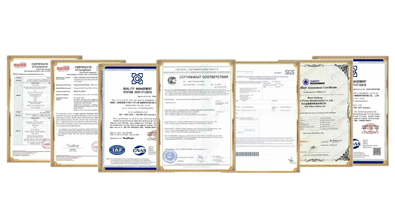
For better help throughout the whole project lifecycle, choose well-known manufacturers with a history of success in water treatment applications. When it comes to meeting specific application needs or fixing problems during field installation, technical knowledge, the ability to customise, and quick customer service become very useful. Delivery schedules and project timelines are directly affected by geographical distribution and the ability to handle inventory. Suppliers with well-placed facilities and comprehensive inventory planning reduce the risk of material shortages and accelerate replacement in emergencies. As a premier manufacturer, RAYOUNG exemplifies this level of supplier reliability, boasting a comprehensive portfolio of pipe fittings and a proven track record in major water treatment applications. Our ISO 9001:2015 certification, backed by GOST-R and SGS export compliance documentation, provides absolute peace of mind regarding product quality and regulatory adherence. By combining advanced manufacturing capabilities with highly responsive technical support, we ensure reliable project execution while maintaining strict cost competitiveness.
Conclusion
When it comes to water treatment systems, slip-on flanges are a good compromise between ease of installation, low cost, and solid performance. Their simple design makes them easy to place quickly while still keeping the structural integrity needed for long-term use in harsh conditions. But choosing the right application requires careful thought about the pressure limits, quality standards for installation, and long-term maintenance needs. To make the implementation go smoothly, you need to make sure that the flange's capabilities match the needs of the system and work with suppliers who have experience and know what water treatment uses need. The success of a project and its long-term dependability depend on how well the specifications are developed, how well the quality is checked, and how well the seller is chosen.
FAQ
1. What pressure classes are suitable for slip-on flanges in water treatment applications?
Class 150 and Class 300 pressure ratings cover the majority of water treatment applications. Class 150 flanges handle pressures up to 285 psi at ambient temperatures, suitable for most municipal systems. Class 300 variants accommodate pressures up to 740 psi, addressing more demanding industrial processes.
2. How do I ensure leak-free installation of slip-on flanges?
Proper installation requires skilled welders who can create proper fillet welds on both the inside and outside surfaces. Following ASME welding procedures, maintaining proper alignment, and conducting appropriate quality inspections ensure reliable connections that meet system requirements.
3. Are slip-on flanges suitable for corrosive water treatment environments?
Material selection determines suitability for corrosive conditions. Stainless steel grades 304 and 316 provide excellent resistance to chlorine-based treatment chemicals, while specialised coatings extend carbon steel service life in mildly corrosive environments.
Partner with RAYOUNG for Your Water Treatment Flange Requirements
RAYOUNG delivers comprehensive slip-on flange solutions designed specifically for water treatment applications. Our ISO 9001:2015 certified manufacturing processes ensure consistent quality, while our technical expertise helps optimise material selection and system design.
As a trusted manufacturer and supplier of industrial flanges, we maintain extensive inventory levels and offer rapid customization capabilities to meet your unique project requirements.
Our commitment to quality, demonstrated through GOST-R and SGS certifications, provides the reliability and performance your water treatment systems demand. Contact our technical team at info@hb-steel.com to discuss your specific requirements and discover how our proven solutions can enhance your project success.
References
1. American Society of Mechanical Engineers. "Pipe Flanges and Flanged Fittings: NPS 1/2 Through NPS 24 Metric/Inch Standard." ASME B16.5-2020.
2. American Water Works Association. "Steel Pipe Flanges for Waterworks Service." AWWA C207-18 Standard, 2018.
3. National Association of Corrosion Engineers. "Corrosion Control in Water Treatment Plant Design." NACE Publication 3T199, 2019.
4. International Organisation for Standardisation. "Steel Flanges for General Purposes and Pressure Purposes." ISO 7005 Series Standards, 2021.
5. American Society for Testing and Materials. "Standard Specification for Piping Fittings of Wrought Carbon Steel and Alloy Steel for Moderate and High Temperature Service." ASTM A234/A234M-21.
6. Water Environment Federation. "Design of Municipal Wastewater Treatment Plants Manual of Practice No. 8." Fifth Edition, McGraw-Hill Professional, 2018.

Need a quote? Want to see samples? Just say hello. We’re friendly. We’re fast. And we’re ready when you are.
Welcome to RAYOUNG – Strong Pipes, Stronger Promise