Forging vs Casting Flanges: Strength, Cost, and Use Cases
When choosing pipe connectors for industrial use, the difference between forged flanges and cast options has a big effect on the safety, performance, and long-term costs of the project. Forged flanges are made by heating and pushing steel billets under a lot of pressure to make better grain structures that make them stronger and more reliable. Unlike cast flanges, which are formed by pouring molten metal into molds and are susceptible to internal voids, forged flanges boast a dense, void-free structure that makes them vastly more resistant to fatigue. This makes them the best choice for high-pressure, safety-critical applications in the oil and gas, power generation, and chemical processing industries.


Understanding Forged and Cast Flanges: Definitions and Manufacturing Processes
What Are Forged Flanges?
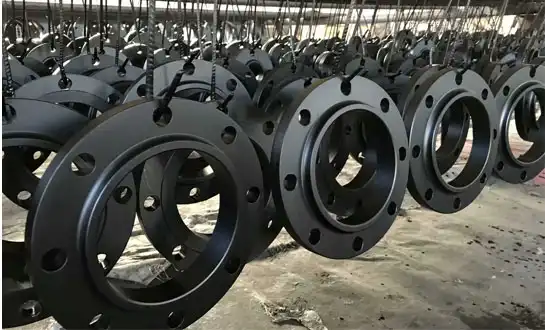
Forged flanges are high-strength metal pipe fittings that are made by pressing down hard on hot steel billets to shape them. This method makes a thick, smooth grain structure that is better than cast parts. To make them, solid steel billets are heated to exact temperatures and then shaped with hydraulic presses or drills that use a lot of force. This compression gets rid of any empty spaces inside the metal and lines up the grains in the direction of the stress, giving it great mechanical properties. Metals like carbon steel (ASTM A105, A350 LF2), stainless steel (ASTM A182, 304/304L, 316/316L), and alloy steel (A182 F11, F22) have better molecular structures when they are forged. When these materials are put under pressure, they change, which makes the density of the whole part the same. There are many popular types, each with its own set of uses for pipes. These include the welding neck, slip-on, blind, socket weld, threaded, and lap joint configurations.
Cast Flanges Manufacturing Overview
To make cast flanges, molten metal is poured into moulds that have already been made. The metal is then left to cool and harden into the desired shape. While the casting process allows for complex shapes and lower initial production costs, it may require additional quality control and testing to ensure long-term reliability. When metal is molten, it can leave air pockets, inclusions, and different grain patterns all over the part. During casting, the cooling process often causes the material to be spread out unevenly and creates weak spots where stress can build up over time. Compared to steel flanges, cast iron flanges usually have a higher carbon content, which makes them more prone to brittleness and cracking under stress, rather than corrosion. Because of these features, cast flanges can only be used in non-pressure situations or places with less difficult working conditions.
Key Manufacturing Differences
The fundamental distinction between these manufacturing methods lies in the material state during formation. Forged components maintain solid-state processing, ensuring continuous grain flow and superior mechanical integrity. Cast components undergo liquid-to-solid transformation, potentially creating discontinuities that compromise long-term performance.
Strength and Performance Comparison: Why Forged Flanges Are Preferred for High-Stress Applications
Superior Mechanical Properties
These parts are essential in harsh industrial settings because the forging process makes them much stronger than other methods. When steel billets are compressed, the grain structure gets finer and more evenly distributed. This makes the steel stronger in tension, impact, and fatigue tests than cast steels. Forged pipe fittings can handle high temperatures and pressures without losing their structural integrity because of their improved metallic structure. Independent metallurgical tests consistently demonstrate that forged parts possess 20–30% higher tensile strength than their cast counterparts.Since there are no internal gaps, there are no stress concentration points that could cause the material to fail too soon under cyclic loading conditions. This level of dependability is very important in places where parts failing could have terrible results, like in subsea pipes, power plant steam systems, and high-pressure refineries.
Pressure Rating Advantages
For high-pressure uses, parts must be able to keep working without leaking even in harsh circumstances. When comparing pressure ratings, forged carbon steel flanges typically outperform cast ones. The thick, uniform grain structure doesn't deform when pressure is applied and keeps its shape even when the temperature changes. In oil and gas activities, where pipeline pressures can go over 1,500 PSI, these performance traits are very important. Forged parts are more resistant to stress cracks from pressure because the continuous grain flow distributes stress more evenly, reducing the risk of cracks. This makes them reliable for a long time in important uses. These better features are backed up by quality certificates that meet ASME/ANSI B16.5, ASTM, DIN, and JIS standards.
Temperature and Corrosion Resistance
Forged steel fittings are better at withstanding thermal stress and corrosion due to their refined metallurgical structure. Forged materials have smooth surfaces that don't react with chemicals like cast parts can, which may have tiny holes that let acidic agents in. This trait is very useful in places like chemical plants and the ocean, where materials are constantly exposed to acidic media. Forged parts are also better at temperature cycle resistance because their structure is uniform and their thermal expansion can be predicted. Power plants depend on this steadiness to keep their systems working properly, even after many starts and stops without getting thermal fatigue cracks.
Cost Analysis: Forged Flanges vs Cast Flanges
Initial Investment Considerations
When compared to casting methods, the forging process costs more at the start because it needs special tools and uses more energy. Forged steel pipe fittings cost more per unit to make because they need to be made with exact temperature control, powerful hydraulic equipment, and skilled operators. Cast flanges have lower start-up costs because they don't need as many tools and can be made more quickly in batches. But procurement managers can't just look at the prices of the first parts; they have to look at how much the whole job will cost. Most of the time, the price difference between forged and cast flanges generally ranges from 15% to 25%, depending on material, size, and design complexity. This depends on the type of material, the size, and the complexity of the design. When you buy in bulk, you can help even out these differences while still getting high-quality parts for important projects.
Total Cost of Ownership Benefits
Long-term cost research shows that forged parts have big benefits, even though they cost more at first. Because they last longer and need less maintenance, forged pipe fittings save a lot of money over the course of a job. Total cost of ownership estimates are better when unplanned shutdowns are avoided, inspections are done less often, and parts are replaced less often. For the same uses, industrial facilities say that forged parts last 40 to 60 per cent longer between service intervals than cast parts. This longer reliability means less work for support staff, less need for inventory, and better system availability. As forged flanges don't leak, there are no more expensive environmental cleanups or problems with following the rules that come with system breakdowns.
Procurement Strategy Optimisation
When you strategically source forged parts, you have to find a way to meet both quality and cost standards.Building strategic partnerships with certified manufacturers who strictly adhere to ISO 9001:2015 quality management standards guarantees consistent product performance while simultaneously lowering overall procurement costs. Long-term contracts and deals to buy in bulk can get better prices and keep the supply chain stable. Forging parts usually need longer production processes than cast parts, so managing lead times becomes very important for planning projects. With careful planning ahead of time and smart product management, these timing issues can be avoided while still getting the performance benefits of forged steel fittings.
Use Cases and Applications: How to Choose Between Forged and Cast Flanges
High-Pressure Industrial Applications
Parts for important infrastructure projects need to be able to work in harsh circumstances without losing their safety or performance. Forged flanges work great in high-pressure situations like power generation systems, oil and gas transportation, and processing petrochemicals. In these conditions, you need links that don't leak and stay strong even when the pressure changes, the temperature changes, and there is mechanical stress. For safety-critical systems, forged parts are best because they have a better grain structure and no casting flaws. Forged steel pipe fittings are more reliable and usually work as expected, which makes them better for pipeline operations, connecting pressure vessels, and pump discharge uses. Forged parts are often required by regulations for certain pressure classes and service situations.
Material Selection Guidelines
Choosing the right materials relies on the pressure, temperature, and corrosive environment that the product will be used in. For general commercial use, carbon steel grades like ASTM A105 work very well, while stainless steel grades (304/304L, 316/316L) are better at resisting corrosion in chemical processing environments. Materials made of alloy steel, like A182 F11 and F22, work better at high temperatures for power creation. To make the system work better and be more reliable, the process of choosing the material must take into account how well it fits with nearby parts, how it will be welded, and how it will be used over time.
Application-Specific Recommendations
Choosing the right flanges for each industry area depends on the needs of the business and the rules that need to be followed. Forged carbon steel or stainless steel flanges are great choices for oil and gas operations because they can handle high pressures and won't rust. Chemical processing plants focus on making sure chemicals work well together and stopping leaks. Forged parts work best for closing these places. In low-pressure distribution systems, cast flanges can be used for water treatment, but for reliability reasons, high-pressure pumping units need forged parts. Knowing these application-specific needs helps buying teams make smart choices that balance the need for performance with the need to stay within budget.
Procurement and Supplier Insights: Sourcing Forged Flanges for Global B2B Clients
Supplier Evaluation Criteria
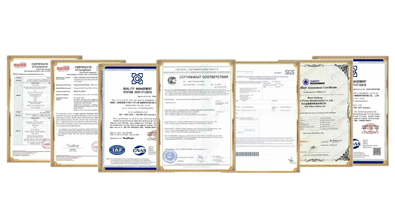
Identifying reputable manufacturers requires a comprehensive evaluation of quality systems, manufacturing capabilities, and certification compliance. Leading suppliers maintain multiple certifications, including ISO 9001:2015 quality management, GOST-R export compliance, and SGS validation. These certifications provide assurance of consistent manufacturing processes and product quality control. Manufacturing capability assessment should include production capacity, material traceability systems, and testing facilities. Suppliers with in-house testing capabilities can provide comprehensive material certifications and dimensional verification, reducing procurement risks and ensuring specification compliance. Geographic considerations may influence lead times and logistics costs, requiring a balance between supplier location and quality requirements.
Quality Assurance and Certification
Professional manufacturers can be told apart from commodity forged flange suppliers by their thorough quality control methods. Advanced testing tools, such as chemical analysis, mechanical property verification, and non-destructive examination, make sure that products meet standards. Full material traceability from raw materials to finished products helps with quality reviews when they're needed and makes sure that everyone is responsible. Material test results, dimensional inspection records, and proof of compliance with relevant standards must all be included in certification paperwork. These papers help meet the quality standards for the project and make it possible to track upkeep and inspection work. Suppliers who keep thorough quality paperwork systems show that they are dedicated to using professional manufacturing methods.
Strategic Partnership Development
Maintaining a long-term relationship with a supplier provides both parties with stability and preferential treatment, benefiting both sides. Partnerships that have been in place for a while usually come with benefits like priority scheduling, open payment terms, and technical support services that make projects more successful. Regular contact and feedback on performance help keep quality standards high and find ways to make things better. Long-term agreements and bulk purchasing can help secure better pricing and ensure a smooth, stable supply chain. Working together technically with suppliers who have a lot of knowledge can often lead to design optimisation opportunities that cut costs and boost performance. When custom applications need specialised engineering support, these relationships are very helpful.
Conclusion
The choice between forged and cast flanges significantly impacts project success, safety, and long-term costs in industrial applications. Forged flanges deliver superior strength, pressure capability, and reliability through their refined manufacturing process and enhanced metallurgical properties. While initial costs may be higher, the extended service life, reduced maintenance, and improved safety performance make a compelling case for a lower total cost of ownership. Strategic supplier selection and proper material specification ensure optimal performance for demanding applications across oil & gas, power generation, and chemical processing industries.
FAQ
1. What makes forged flanges stronger than cast flanges?
The forging process creates a refined, directionally-aligned grain structure by compressing heated steel billets under intense pressure. This eliminates internal voids and weak points common in cast components, resulting in 20-30% higher tensile strength and superior fatigue resistance.
2. Are forged flanges worth the higher initial cost?
Despite higher upfront costs, forged flanges typically provide 40-60% longer service life with reduced maintenance requirements. The elimination of unplanned shutdowns and improved reliability often results in a favorable total cost of ownership over the project lifecycle.
3. Which applications require forged flanges versus cast flanges?
Forged flanges are essential for high-pressure, safety-critical applications, including oil & gas pipelines, power plant steam systems, and chemical processing equipment. Cast flanges may suffice for low-pressure water distribution or non-critical applications where cost optimisation is prioritised.
Choose RAYOUNG for Premium Forged Flanges Solutions
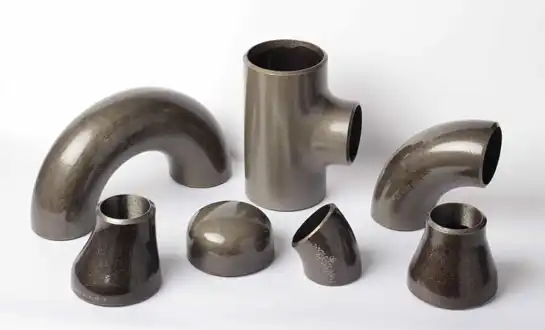
RAYOUNG stands as a trusted forged flanges manufacturer, delivering exceptional quality pipe fittings that meet the most demanding industrial requirements. Our comprehensive product lineup includes buttweld steel elbows, steel reducers, and precision-engineered flanges manufactured to ASME/ANSI B16.5, ASTM, DIN, and JIS standards. With ISO 9001:2015 certification, GOST-R compliance, and SGS validation, we ensure consistent quality and performance for critical applications worldwide.
Our forged carbon steel flanges and stainless steel flanges provide superior strength, corrosion resistance, and leak-proof performance for high-pressure applications. From welding neck to slip-on configurations, we offer complete solutions backed by comprehensive material certifications and technical support. Contact our experienced team at info@hb-steel.com to discuss your specific requirements and discover how RAYOUNG's premium forged flanges can enhance your project success and operational reliability.
References
1. American Society of Mechanical Engineers. "ASME B16.5 - Pipe Flanges and Flanged Fittings: NPS 1/2 through NPS 24 Metric/Inch Standard." ASME International, 2020.
2. Davis, Joseph R. "ASM Speciality Handbook: Carbon and Alloy Steels." ASM International Materials Park, 2018.
3. Petroleum Institute. "API Specification 6A - Specification for Wellhead and Tree Equipment." American Petroleum Institute, 2019.
4. Roberts, William L. "Hot Rolling of Steel." Marcel Dekker Industrial Manufacturing Series, 2017.
5. Society for Testing and Materials. "ASTM A105/A105M - Standard Specification for Carbon Steel Forgings for Piping Applications." ASTM International, 2021.
6. Wilson, Frank W. "Metallurgical Failure Analysis and Prevention in Industrial Piping Systems." McGraw-Hill Professional Engineering, 2019.

Need a quote? Want to see samples? Just say hello. We’re friendly. We’re fast. And we’re ready when you are.
Welcome to RAYOUNG – Strong Pipes, Stronger Promise