Flange Selection Guide for High-Temperature Services
It is very important to choose the right high-temperature flanges for demanding industrial uses to keep the system safe and intact. These special parts have to be able to handle very high temperatures and still seal well in a wide range of applications, such as manufacturing, petroleum processing, and power generation. With temperature ratings above 450°F (232°C), high-temperature flanges need careful thought about the properties of the material, design requirements, and compliance standards to make sure the best project results and lowest long-term operating risks.
Understanding High-Temperature Flanges: Fundamentals and Applications
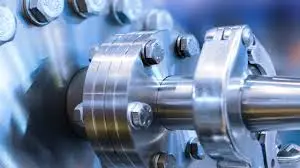
Industrial operations demanding exceptional thermal resistance rely on specialised flange systems engineered to maintain structural integrity under extreme conditions. These critical components serve as the backbone of high-temperature piping systems, facilitating secure connections while withstanding thermal expansion and contraction cycles that would compromise standard flange assemblies.
Material Selection and Properties for Extreme Temperature Applications
However, carbon steel is still often used for many high-temperature jobs. Grades like ASTM A105 and A350 LF2 work very well mechanically at high temperatures. It is better for some types of stainless steel, like 316/316L and duplex grades, not to rust and stay strong at high temperatures. Inconel and Hastelloy can withstand temperatures above 1800°F (982°C), maintaining good performance in ultra-high temperature applications. How well the flange works is directly related to how these materials change shape when hot. As high as 850°F (454°C), most carbon steel flanges can handle it. However, some types of stainless steel can handle up to 1500°F (816°C). The materials that are used must be able to handle both high and low temperatures and work with the chemicals that are used.
Industrial Applications and Temperature Rating Classifications
To connect things like steam lines, turbines, and exhaust systems in power plants, high-temperature flange kits are often used. These are the parts that petrochemical companies need for their distillation columns, reactor vessels, and thermal processing units. In manufacturing, they are used to connect furnaces, heat exchangers, and devices for thermal treatment. Rates of temperature and pressure set by ASME B16.5 help people pick the right joint. Class 150 flanges can withstand up to 285 psi at 100°F, but at 800°F, they can only handle around 75 psi. At room temperature, Class 300 grades let 740 psi through, but at higher temperatures, they only let 195 psi through. Knowing these links makes sure that the system works safely within the limits that were set when it was designed.
Standard Compliance and Certification Requirements
The ANSI/ASME B16.5 standard tells pipe flanges and flanged fittings how to rate and measure how well they can handle pressure and temperature. In Europe, DIN EN 1092 sets the rules for flange systems, and in Japan, JIS B2220 does the same. These standards make sure that goods can be used reliably and interchangeably in supply chains around the world. To prove that your high-temperature flanges comply with these rigorous standards, you must obtain comprehensive documentation such as Material Test Certificates (MTC), dimensional inspection reports, and hydrostatic pressure test records. Third-party inspection companies are often used to make sure that important applications are extra safe and meet project requirements as well as quality standards from other countries.
Comparing High-Temperature Flanges: Making the Right Choice for Your Project
Understanding the distinctions between various flange configurations enables informed procurement decisions that balance performance requirements with cost considerations. Temperature-resistant flange systems differ significantly from standard options in material composition, design tolerances, and manufacturing processes.
High-Temperature vs. Standard Flange Performance Characteristics
Standard carbon steel flanges can usually handle temperatures up to 450°F (232°C) before the material starts to degrade and performance deteriorates. High-temperature versions maintain structural integrity and sealing capabilities above 800°F (427°C). Through better metallurgy and precise manufacturing methods, high-temperature variants keep their structural integrity and ability to seal at temperatures above 800°F (427°C). Thermal cycling resistance is a key performance differentiator. If you heat and cool standard flanges over and over, the bolts may loosen, and the gaskets may fail. High-temperature designs include things like controlled bolt spacing, thermal expansion compensation, and special gasket grooves to keep the seal's integrity during operational cycles. At high temperatures, where oxidation rates increase, corrosion resistance becomes more important. High-temperature flanges often have protective coatings or are made of alloys that don't rust naturally to make them last longer in harsh settings.
Carbon Steel vs. Stainless Steel for Elevated Temperature Service
For moderately high temperatures up to 650°F (343°C), carbon steel flanges are a cost-effective option. ASTM A105 carbon steel has great mechanical qualities and can be welded easily, so it can be used for steam service and other industrial heating tasks. The cost of materials is still much lower than that of options made of stainless steel. Stainless steel flanges work best in places where there is both high temperature and corrosion. Grade 304/304L stainless steel can handle temperatures of up to 816°C (1900°F) and doesn't rust or react with chemicals. The addition of molybdenum to Grade 316/316L makes it more resistant to corrosion. This is especially useful in places where chloride is present. When doing an economic analysis, it is important to look at the total lifecycle costs instead of just the initial purchase prices. Even though stainless steel flanges cost more up front, they often pay for themselves in demanding situations because they last longer and need less maintenance.
Face Type Selection: RF, FF, and RTJ Configurations
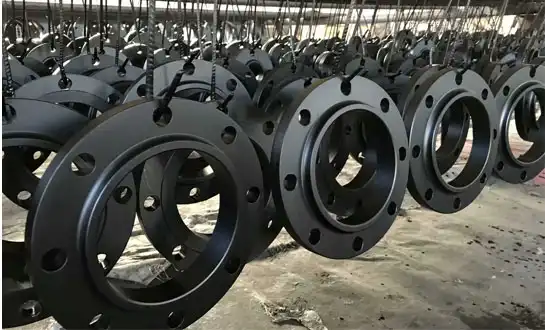
Raised Face (RF) flanges are the most common type for high-temperature work. They have a raised sealing surface that concentrates gasket loading for a reliable seal. The raised area usually goes up 1/16 inch above the flange face, making clear contact zones for the gasket that can handle thermal expansion. Flat Face (FF) configurations are best for situations that need full-face gasket support, like when using soft gasket materials or connecting to things that have flat mating surfaces. This design spreads the load on the bolts across the whole gasket area, which lowers stress levels that could damage the seal at high temperatures. Ring Type Joint (RTJ) faces provide better sealing performance for high-temperature and high-pressure situations. These flanges have precisely machined grooves that fit metal ring gaskets, making metal-to-metal seals that can withstand harsh circumstances. For pressures or temperatures above 1000°F (538°C) or Class 600 ratings, RTJ setups are necessary.
How to Choose High-Temperature Flanges That Optimise Performance and Cost
Systematic evaluation of project requirements ensures optimal flange selection that balances performance capabilities with economic considerations. This structured approach minimises risk while maximising operational reliability and cost-effectiveness.
Project Parameter Definition and Technical Requirements
The temperature and pressure variables show how to choose a flange for its basic design. The maximum operating temperature dictates your material selection, while the system's pressure requirements will help you determine the appropriate pressure class for your high-temperature flanges. When an application starts up and shuts down a lot, the regularity of thermal cycling changes the design margins and material specs. When all the pipes in a system are the same size, they work well together. This is called pipe size and plan compatibility. The inside widths of the pipe and the flange bore sizes must match in order to keep the flow characteristics and stop erosion caused by turbulence. When it comes to how to weld and how strong the joint is, wall thickness matching is important. Chemical compatibility testing keeps things from breaking down too quickly because they don't work with each other or are dangerous. The type of material used and the need for a protective layer are both affected by the process media's pH levels, chloride content, and chemical makeup.
Standards Compliance and Certification Verification
The ASME B31.3 process pipe code tells us how to build systems for pipes that are used at high temperatures. It has rules for picking out flanges and steps for putting them on. It is important to follow these rules to make sure that industry processes are safe and that regulators will accept them. Material traceability paperwork is needed to make sure that a product's chemical makeup and mechanical qualities are correct. The material meets certain standards, which are shown by mill test certificates (MTC), and heat treatment records describe the steps that were taken to process the material thermally. Inspection records from a third party give you extra peace of mind about the quality of important apps. CNC-machined sealing surfaces make sure the right sizes are used, and the finish is good. This has a direct effect on how well the sealing works. The gasket doesn't come out when the seal is under thermal stress because of tolerances of ±0.005 inches in key dimensions for precise machining.
Supplier Evaluation and Quality Assurance Measures
It is checked to see how well a supplier can meet technical goals and delivery dates during a manufacturing capability review. Facilities that make high-temperature flanges need to show that they have the right tools, quality methods, and technical know-how. The ISO 9001:2015 certification makes it easy to do regular checks on quality management. You can keep track of all of your materials with full MTC traceability, from the raw materials they come from to the finished goods they send. This line of documentation helps improve quality, figure out what went wrong, and follow the rules. Digital tracking systems make information more accurate, easier to find, and easier to track throughout a project. Tools for testing and inspection make sure that the end product meets all the needs. You need the right tools and trained people to use them for measuring, testing under pressure, and making sure the material is what it says it is. Independent testing labs can confirm important tasks that need better quality assurance in a fair and unbiased way.
Procurement Guide: Where and How to Buy High-Temperature Flanges for Bulk B2B Orders
Strategic sourcing approaches enable efficient procurement of high-quality flange systems while managing costs and delivery schedules. Understanding supplier capabilities and market dynamics facilitates successful project outcomes.
Supplier Selection Criteria and Evaluation Methods
Global providers can do a lot of different things, from making standard catalogue items to custom-engineered solutions. Established makers usually keep a lot of stock on hand and use standard quality systems, which cuts down on lead times for common requirements. When you buy in bulk, regional sellers may be able to give you better customer service and lower shipping costs. Evaluating suppliers' production ability makes sure they can meet project quantities and delivery dates without lowering quality. Facilities that make things should show that they have the right tools, like CNC machine centres, heat treatment facilities, and quality control labs. Annual output volumes show that capacity is stable and that operations are fully developed. When an application is complicated and needs engineering help or customisation, technical support becomes very important. Suppliers should offer metallurgical knowledge, services for improving designs, and advice that is specific to the purpose. Suppliers add significant value by offering robust field service support, assisting with the complex installation of high-temperature flanges and providing rapid troubleshooting for operational issues.
Bulk Ordering Strategies and Economic Advantages
When compared to individual order prices, volume purchasing agreements usually save 15 to 25 per cent on costs. Suppliers can optimise production runs when they get a lot of orders, which cuts down on setup costs and material waste. A promise to buy a certain amount every year can often get you better prices and faster delivery times. Managing inventory means balancing the costs of keeping things in stock with the needs of having them available. Blanket orders with scheduled releases give you options while locking in big discounts. Supplier-managed inventory programs move handling costs to the supplier while making sure that materials are available on time for projects. Standardisation efforts make buying things easier and lower the cost of keeping things in stock. By limiting flange specifications to configurations that are widely available, lead times are cut, and supplier competition is increased. Standard sizes and materials also make it easier to do upkeep and get replacement parts.
Quality Assurance and Delivery Management
Incoming inspection processes make sure that the product meets the requirements for purchase. Before they are installed, nonconforming goods are found by checking their dimensions, identifying the material, and checking the surface finish. Statistical sample plans find a balance between the costs of inspections and the goals of quality control. For outdoor installations or places where corrosion is likely to happen, hot-dip galvanising offers better defence against corrosion. This coating process adds 2 to 4 mils of zinc covering, which increases the service life by 25 to 50 years when exposed to air. To keep the measurements accurate, galvanising must be done after the final cutting. Delivery coordination makes sure that the supply of materials matches the schedule for building the project. Staged deliveries cut down on the amount of storage needed on-site while keeping work moving forward. When you need something quickly or your plans change, expedited shipping choices give you options.
Installation, Maintenance, and Troubleshooting for High-Temperature Flanges
Proper installation techniques and maintenance practices maximise flange system reliability while minimising operational disruptions. Understanding common failure modes enables proactive maintenance strategies that extend service life.
Installation Best Practices for High-Temperature Applications
The type of bolts used and how they are torqued have a direct effect on the life and integrity of the joint. For uses at high temperatures, alloy steel bolts with the right thermal expansion properties are needed. When used with A194 Grade 2H nuts and ASTM A193 Grade B7 screws, they work reliably up to 1000°F (538°C). The right torque steps make sure that the gasket is compressed evenly and that bolt stress doesn't build up in one place. The choice of gasket must take into account both temperature and chemical exposure. Gaskets that are spiral wrapped and made of stainless steel coils and flexible graphite filler can withstand temperatures of up to 1500°F (816°C) and still stay flexible when the temperature changes. When it comes to applications involving high temperatures, metal-cored gaskets work better than regular gaskets. Verifying the alignment stops gaskets from failing too soon and makes sure they fit well. To keep the gasket from distorting, the flange sides must stay parallel within 1/16 inch per foot of the diameter. Getting rid of pipe strain through proper placement of support and expansion joints stops operational stresses that damage joint integrity.
Preventive Maintenance and Performance Monitoring
Monitoring for thermal growth finds problems before they become too big to fix. Tracking how the system works during thermal cycles is done with expansion joint position indicators and pipe movement readings. Strange patterns of growth could mean that there are problems with constraints or support that need to be fixed right away. Regular retorquing of the bolts to check their tension helps keep the joint's integrity as the gasket materials shift under long-term loads. In high-temperature situations, the bolts usually need to be re-tightened after the first thermal cycling to account for the seal relaxing. Ultrasonic bolt tension measurement gives a correct reading without taking the joint apart. Leakage detection systems let you find problems with seals before they get too bad. Micro-leaks can be found with acoustic emission monitoring before they show any obvious signs. This lets planned maintenance happen instead of emergency repairs. Visual inspections done on a regular basis find surface wear or covering problems that need to be fixed.
Common Failure Analysis and Corrective Actions
A lot of the time, gasket blowout is due to too much pressure, bolts that aren't tight enough, or picking the wrong gasket. To figure out how to fix issues, root cause analysis looks at things like how things are installed, how they are used, and the specs of the materials. Often, recurring leakage issues in high-temperature flanges can be permanently resolved by upgrading to superior bolt materials or utilizing advanced, higher-pressure seal designs (such as RTJ gaskets). If you heat and cool something too many times, it will crack. This is called thermal stress cracking. Crack propagation research tells you how long the service will last and when you should get a new one. Changing to metals that can handle higher temperatures or changing the design to lower thermal stress are examples of permanent fixes. For damage caused by corrosion, the surroundings and how well the protective system works need to be looked at. Some harm can be fixed by cleaning the surface and putting on the coating again. When rust is really bad, parts might need to be swapped out for ones made of better materials or with better safety features.
Conclusion
Selecting appropriate high-temperature flanges requires careful consideration of technical requirements, economic factors, and operational conditions. Material selection, standard compliance, and supplier capabilities directly impact project success and long-term reliability. Proper installation techniques and maintenance practices maximise system performance while minimising lifecycle costs. Understanding these fundamental principles enables informed procurement decisions that optimise both performance and cost-effectiveness for demanding industrial applications.
FAQ
1. What materials are commonly used for high-temperature flange manufacturing?
Carbon steel grades, including ASTM A105 and A350 LF2, provide reliable performance for temperatures up to 650°F (343°C). Stainless steel options such as 304/304L and 316/316L accommodate temperatures reaching 1500°F (816°C) while offering enhanced corrosion resistance. Specialised alloys like Inconel and Hastelloy extend operational capabilities for ultra-high temperature applications exceeding 1000°F (538°C).
2. How do high-temperature flanges differ from standard flanges in performance?
High-temperature flanges incorporate enhanced metallurgy and precision manufacturing techniques to maintain structural integrity above 800°F (427°C). They feature improved thermal cycling resistance through controlled bolt spacing and thermal expansion compensation. Standard flanges typically experience material property degradation and sealing failures when exposed to temperatures exceeding 400°F (204°C).
3. What certifications should I verify when purchasing high-temperature flanges?
Essential documentation includes Material Test Certificates (MTC) verifying chemical composition and mechanical properties, dimensional inspection reports confirming compliance with ASME B16.5 or applicable standards, and pressure testing records. Third-party inspection certificates provide additional quality assurance for critical applications. ISO 9001:2015 certification demonstrates systematic quality management practices.
4. Which face type configuration is best for high-temperature applications?
Raised Face (RF) configurations suit most high-temperature applications, providing concentrated gasket loading for reliable seal formation. Ring Type Joint (RTJ) faces deliver superior performance for extreme conditions, combining high temperature with high pressure, utilising metal ring gaskets for metal-to-metal sealing. Flat Face (FF) designs accommodate specific equipment requirements or soft gasket materials.
Partner with RAYOUNG for Superior High-Temperature Flange Solutions
RAYOUNG delivers precision-engineered high-temperature flanges manufactured to exacting ANSI, DIN, and JIS standards with RF, FF, and RTJ facing options. Our CNC-machined sealing surfaces ensure dimensional accuracy within ±0.005 inches, while full MTC traceability provides complete material verification from raw material through delivery. Available hot-dip galvanising options extend service life in corrosive environments. Contact our technical team at info@hb-steel.com to discuss your specific requirements and discover why leading industrial companies trust RAYOUNG as their preferred high-temperature flanges supplier.
References
1. American Society of Mechanical Engineers. "ASME B16.5-2020: Pipe Flanges and Flanged Fittings NPS 1/2 through NPS 24 Metric/Inch Standard." ASME Press, 2020.
2. Singh, K.P. "Mechanical Design of Heat Exchangers and Pressure Vessel Components: High-Temperature Flange Design Considerations." Arcturus Publishers, 2018.
3. Bickford, John H. "Gaskets and Gasketed Joints: Advanced Sealing Technology for High-Temperature Applications." CRC Press, 2019.
4. International Organisation for Standardisation. "ISO 7005-1:2011: Metallic Flanges - Steel Flanges for High-Temperature Service." ISO Publications, 2011.
5. Rodriguez, Maria C. "Materials Selection for High-Temperature Piping Systems: A Comprehensive Guide to Flange Materials and Applications." Industrial Press, 2020.
6. Thompson, David R. "Pressure Vessel and Piping Design: High-Temperature Flange Selection and Installation Practices." McGraw-Hill Education, 2017.

Need a quote? Want to see samples? Just say hello. We’re friendly. We’re fast. And we’re ready when you are.

Welcome to RAYOUNG – Strong Pipes, Stronger Promise