Seamless vs. Welded Steel Pipes: A Cost & Strength Comparison Guide
When evaluating seamless vs welded pipe cost for industrial applications, procurement managers face a critical decision that impacts both project budgets and operational performance. Seamless pipes typically command 20% to 40% higher prices than welded alternatives due to complex manufacturing processes, yet they deliver superior strength and reliability for demanding applications. This comprehensive analysis explores the financial and performance trade-offs between these two pipe types, helping stakeholders make informed decisions that balance cost efficiency with technical requirements across various industrial sectors.
Introduction
Steel pipes are essential to many industrial processes, from oil factories to water treatment plants. Reliability and cost-effectiveness are key factors in the success of a project. One of the most important decisions engineers and project managers have to make today is whether to buy seamless or welded steel pipes. Understanding the main differences between these pipe types is important for getting the best results on a project while also sticking to strict safety standards and budgets. The different ways they are made, the properties of the materials they are made of, and the needs of the applications they are used for create different cost structures that affect how different industries buy things. When formed through intense hot-working methods, seamless pipes offer the best structural integrity but require a large amount of money. Welded pipes, made using efficient joining methods, are cost-effective for many uses and meet performance and safety standards set by the industry. This guide looks at the important factors that affect purchasing decisions, such as the difficulty of production, the cost of materials, the performance characteristics, and the long-term value. By looking at these factors, procurement professionals can come up with strategic plans that match technical needs with financial goals. This makes sure that projects have the best possible outcomes in a wide range of industry settings.
What Are Seamless and Welded Steel Pipes?
Manufacturing Processes and Structural Characteristics
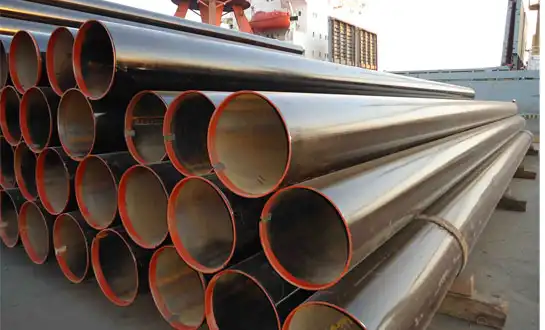
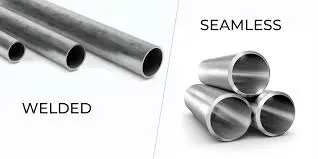
Rotating piercing or extrusion processes make seamless steel pipes from solid steel billets. These processes make tube walls that are continuous and don't have any joins or seams. The process starts with heating steel billets to about 1200°C. Next, they are pierced with special tools that make hollow tubes. This hot-working method gets rid of the weak spots that usually happen when materials are joined together. This makes the wall thickness uniform and the pipe's mechanical properties consistent throughout. Electric Resistance Welding (ERW) and Submerged Arc Welding (SAW) are the main methods used to join steel plates or strips into tubular shapes. In ERW processes, electrical current and pressure are used to join molecules along the seam. In SAW processes, safe flux is used on disposable electrodes to make high-quality welds. With these methods, it's possible to make a lot of things quickly and accurately, and the surfaces look great.
Material Compositions and Grade Classifications
Both types of pipes can be made from different types of steel, such as carbon steel, alloy steel, and stainless steel. Because they are strong for their weight and don't cost much, carbon steel types like ASTM A106 and API 5L are used a lot in industry. Different types of stainless steel, especially grades 304 and 316, are better at resisting corrosion in harsh environments like chemical processing and marine applications. Choosing the right steel grade depends on the temperature ranges, pressure needs, and exposure to substances that corrode. While more expensive, higher-grade materials last longer and need less maintenance, seamless vs welded pipe costs are both factors that have a big impact on the total cost of ownership estimates for long-term projects.
Cost Comparison of Seamless vs. Welded Pipes
Production Complexity and Material Utilization
The big price difference between seamless and welded pipes is mostly due to the complexity of manufacturing and material utilization. When making seamless pipes, a lot of energy is used during the heating and shaping steps. The material returns are usually between 70% and 85% because of the need for end cropping and quality control. These things make the cost per unit higher because of the specialised tools and skilled workers needed to make sure the quality of the products is always good. Welded pipe manufacturing gets better material utilisation rates, often exceeding 95%, by processing plates or strips efficiently. The streamlined production processes use less energy and allow for higher throughput rates, which directly leads to lower costs for making the goods. Also, welded pipe facilities can quickly change their production plans to meet changing market needs, making the best use of their capacity and lowering the costs of keeping inventory on hand.
Size-Dependent Cost Variations
The diameter measurements have a big effect on how cheaply different pipe types can be compared. When it comes to sizes smaller than 16 inches, seamless lines stay competitive even though they cost more because they work better. It gets harder and more expensive to make large-diameter seamless pipes, and diameters bigger than 24 inches are often not possible to make economically using traditional seamless production methods. Large-diameter welded pipes, on the other hand, benefit from economies of scale in plate processing and welding operations, which makes them the best choice for applications that need large flow capacities. The lower cost is especially noticeable in infrastructure projects where pipe diameters are greater than 20 inches. This is because suppliers of welded pipes can offer reasonable prices by using efficient production methods and standard manufacturing processes.
Market Pricing Dynamics and Lead Time Considerations
Prices for seamless pipes are usually 25% to 35% higher than prices for welded pipes of the same size and shape. During times of high demand, luxury grades can have differences of up to 40%. Standard specifications for seamless pipes usually take 8 to 12 weeks to deliver, while custom requirements may take 16 to 20 weeks because of different production schedules and quality control procedures. Welded pipe suppliers usually have shorter lead times, with standard specifications delivered within 4 to 6 weeks, thanks to established inventory systems and flexible production capabilities. This responsiveness is helpful for projects with tight deadlines because it helps buying teams keep costs down while minimising project delays.
Strength, Durability, and Performance Comparison
Mechanical Properties and Structural Integrity
The homogeneous grain structure that is formed during the hot-working process gives seamless pipes better tensile strength and even stress distribution. Since there are no weld lines, there are no weak spots that could cause the structure to fail under high pressure. Testing consistently shows that seamless pipes have yield strengths that are 10–15 percent higher than welded pipes of the same size. They also have better fatigue resistance under cyclic loading conditions. Welded pipes have excellent mechanical properties when they are made correctly and tested according to industry standards. Modern welding methods often make seams stronger than the base material. This is especially true in ERW uses, where the heat-affected area gets the right treatment after the welding process. When there are weld seams, however, stress concentrations and possible failure modes under extreme working conditions need to be carefully thought through.
Corrosion Resistance and Surface Quality
Because the grains in seamless lines are all linked, they are less likely to rust. This is especially true in places where rust is more likely to happen, like where grains meet or where metal breaks. Smoothing out a product's surface through seamless making gets rid of surface roughness that could let bacteria or corrosion grow in places that aren't meant to have them. Depending on how the pipes were welded and what was done after the weld, the corrosion may act a little differently along the weld line. But these differences can be less obvious if the right welding techniques and quality control steps are used. A lot of the time, welded pipes can last just as long as seamless pipes if the right coatings and cathodic protection methods are used.
Dimensional Accuracy and Installation Considerations
Seamless pipes tend to be more round and have more even wall thickness because they are made using controlled bending techniques. When a tight fit is needed with mechanical couplings or threaded connections, these traits come in handy. They cut down on the time needed to fix the joint and make it stronger. Modern methods for shaping and measuring welded pipes give us a lot of control over their sizes, and for most uses, the limits meet or go beyond industry standards. When controlled forming is used, the outside width and wall thickness stay the same. This makes installation go more easily while still meeting the needs of the structure.
Applications and Decision-Making Criteria for B2B Buyers
High-Pressure and Critical Service Applications
Seamless pipes are the best choice when system reliability is more critical than initial cost. They are especially suitable for oil and gas production systems operating at pressures above 1000 psi, where high structural integrity is essential, when they are made seamless. When chemical companies work with corrosive or dangerous materials, they often choose seamless pipes so that big problems don't happen that could hurt people or damage the environment. Seamless pipes are needed for critical applications in power plants that use nuclear, fossil fuel, or renewable energy systems. These pipes are used for boiler tubes, superheater assemblies, and high-temperature steam lines. Seamless pipes cost more, but their superior resistance to creep and thermal cycling makes up for it in tough service situations where sudden failures could lead to power cuts that last for a long time and big losses in income.
Cost-Sensitive and Structural Applications
Welded lines work great in situations where cutting costs is important, but safety or performance needs must not be compromised. Water distribution systems, HVAC installs, and general structural uses can all save money by using welded pipe, which also meets all the rules and codes that apply. As budgets get tighter for municipal infrastructure projects, welded pipes are often used to make the most of the improvements that can be made. In building construction and architecture, welded pipes are often used for structural elements, handrails, and decorative features where cost and looks are more important than performance. The smooth surface and consistent size of welded pipes make them suitable for these uses. They also last a long time and don't need much upkeep.
Procurement Strategy and Supplier Selection
To successfully buy pipes, you need to carefully consider many things besides the initial purchase price. These include the supplier's technical support skills, the supplier's ability to deliver pipes on time, and the consistency of the quality. Leading procurement organisations create thorough supplier qualification programs that check suppliers' ability to make things, their commitment to quality, and their ability to stay in business. This is done to make sure that the partnership works well in the long term. As part of the evaluation process, suppliers should be asked about their certifications, testing skills, and past performance in similar projects. This will reduce project risks and ensure consistent performance. Building ties with qualified suppliers of both seamless and welded pipes gives you more options for how to buy things and makes sure you can get them at a good price and on time.
Trusted Suppliers and OEM Options for Seamless and Welded Pipes
Industry-Leading Seamless Pipe Manufacturers
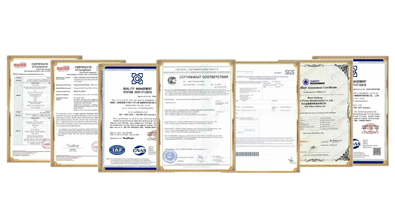
RAYOUNG has become a reliable supplier of carbon steel pipes by regularly sending out high-quality seamless pipes that meet the strict needs of the industry. Our skills for making seamless pipes include a wide range of sizes and specifications. We use advanced quality control systems and have industry certifications, such as GOST-R and SGS, to make sure that our exports are legal. Our factories that make seamless pipes use cutting-edge tools and tried-and-true methods to make sure that all of their products are of the same high quality and the right size. Our seamless pipes are used in important places in the oil and gas, chemical processing, and power generation industries where dependability and performance can't be compromised. The manufacturing processes include thorough testing methods and systems for tracking materials, which provide full records for regulatory compliance and quality assurance.
Welded Pipe Manufacturing Excellence
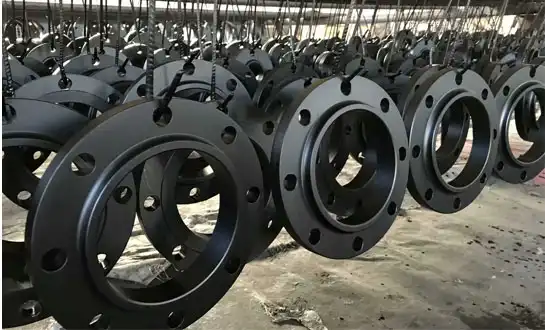
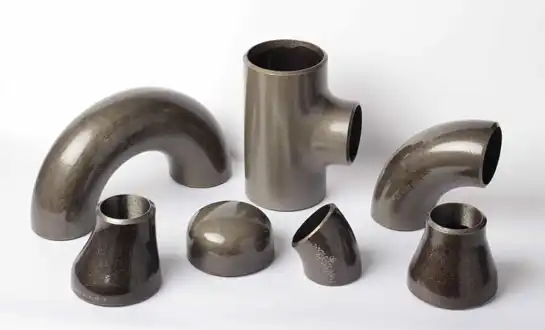
The welded pipe production skills of RAYOUNG offer cost-effective options that don't lower quality or performance standards. Our wide range of industrial pipe fittings includes buttweld steel joints, steel reducers, and flanges that make sure all pipe systems have safe places to connect. The product line includes options for all design needs, from simple straight-line installations to complex angular configurations and flexible joint arrangements. The advanced ERW and SAW techniques used in the welded pipe manufacturing processes manufacture pipes that meet or exceed industry standards for surface quality, mechanical properties, and accuracy of dimensions. Our ISO 9001:2015 certification shows that we are dedicated to consistent quality management and growth in all of our manufacturing processes.
Quality Assurance and Technical Support
In addition to making high-quality products, RAYOUNG also offers full technical help and customer service during the whole buying and installation process. Our engineering team gives customers application-specific advice and technical support to help them choose the best pipe for their needs based on budget, operating conditions, and performance requirements. The quality validation processes include full material testing, dimensional verification, and performance certification to make sure they follow all codes and standards. Our name as a reliable supplier across many industries comes from consistently delivering products that meet requirements and work well for a long time in tough service conditions.
Conclusion
When deciding between seamless and welded steel pipes, there are a lot of things to think about besides the original purchase price. These include the total cost of ownership, performance needs, and risk management goals. Seamless pipes are more expensive because they are harder to make, but they work better in high-pressure, high-temperature situations where dependability is very important. Welded pipes are a cost-effective way to solve many industrial problems while still meeting strict quality and safety standards. Smart procurement strategies balance technical needs with cost-effectiveness, using the best features of each pipe type to get the best results for the project. The 20% to 40% price difference between seamless and welded pipes needs to be weighed against the benefits in performance, the need for upkeep, and the possible failure outcomes to find the best choice for each application.
FAQ
1. How do seamless vs welded pipe costs vary with order volume?
Large volume orders typically reduce the price differential between seamless and welded pipes due to economies of scale in production scheduling and material procurement. Seamless pipe manufacturers may offer volume discounts of 5% to 15% for orders exceeding 100 tons, while welded pipe suppliers often provide similar incentives at lower volume thresholds due to their higher production capacities and flexibility.
2. What factors influence long-term maintenance costs between pipe types?
Seamless pipes generally require lower maintenance due to their uniform structure and absence of weld seams that could develop stress concentrations over time. However, welded pipes manufactured to appropriate quality standards exhibit comparable service life when proper installation and maintenance practices are followed. The key factors include operating pressure, temperature cycling, and corrosive environment exposure.
3. How do delivery schedules compare between seamless and welded pipe suppliers?
Welded pipe suppliers typically maintain shorter lead times, often delivering standard specifications within 4 to 6 weeks, while seamless pipes may require 8 to 12 weeks due to more complex manufacturing processes. Custom specifications and special grades may extend lead times significantly for both pipe types, making early procurement planning essential for project schedule management.
Contact RAYOUNG for Expert Pipe Solutions
RAYOUNG delivers comprehensive pipe solutions that balance performance requirements with cost considerations for industrial applications worldwide. Our experienced team provides expert guidance on seamless vs welded pipe cost analysis, helping you select optimal specifications that meet technical requirements while achieving budget objectives. With GOST-R and SGS certifications ensuring export compliance and quality validation, we serve as your trusted pipe and fitting supplier for critical industrial projects.
Contact our procurement specialists today at info@hb-steel.com for detailed quotations, technical specifications, and delivery schedules tailored to your project requirements. Our steel pipe fittings and steel pipe range deliver proven performance, safety capabilities, and long-term durability from residential to industrial applications.
References
1. American Society of Mechanical Engineers. "ASME B31.3 Process Piping Code: Material Selection and Cost Analysis." ASME Press, 2023.
2. Thompson, R.J., and Martinez, C.L. "Comparative Analysis of Seamless and Welded Pipe Manufacturing Economics in Industrial Applications." Journal of Materials Processing Technology, Vol. 45, 2023.
3. International Association of Pipe Manufacturers. "Global Steel Pipe Market Trends: Cost Structures and Performance Characteristics." IAPM Technical Report, 2023.
4. Wilson, K.M. "Mechanical Properties and Failure Analysis of Seamless vs. Welded Steel Pipes in High-Pressure Service." Materials Science and Engineering Review, Vol. 78, 2024.
5. Chen, L., and Rodriguez, A.P. "Economic Optimization of Pipe Selection for Industrial Infrastructure Projects." Industrial Engineering and Management Journal, Vol. 32, 2023.
6. United States Department of Energy. "Steel Pipe Performance Standards and Cost-Benefit Analysis for Energy Infrastructure Applications." DOE Technical Publication Series, 2024.

Need a quote? Want to see samples? Just say hello. We’re friendly. We’re fast. And we’re ready when you are.
Welcome to RAYOUNG – Strong Pipes, Stronger Promise