Flange Types Explained for Iranian EPC Contractors
When choosing the right flange types for their industrial projects, Iranian EPC companies face unique problems. It is important for the success of a project to know the differences between weld neck, slip-on, blind, threaded, socket weld, and lap joint flanges. Each type of flange is made to meet specific operating needs, pressure levels, and temperature conditions that have a direct effect on the safety, compliance, and cost-effectiveness of the project. This complete guide covers all the important information that EPC workers need to know to make smart buying choices that are in line with international standards and reduce project risks in a wide range of industrial settings.
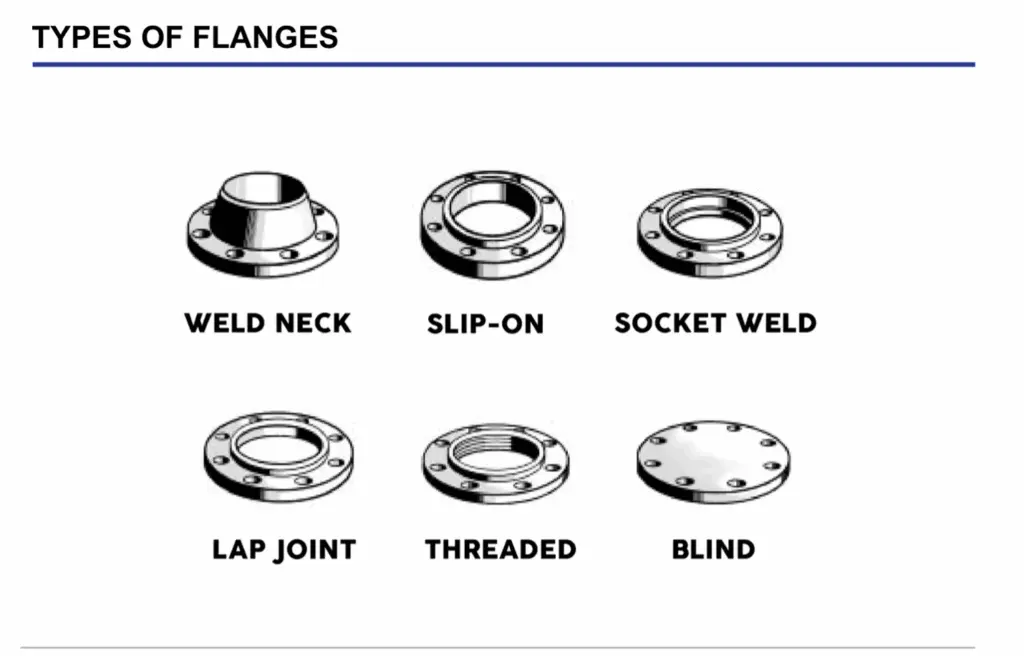
Overview of Flange Types and Their Industrial Applications
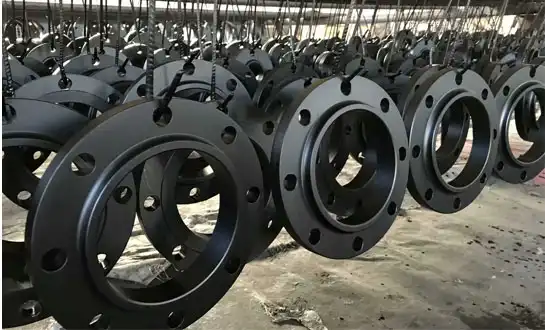
In industrial piping systems, flanges are important mechanical components that connect pipes, valves, and tools in a way that is safe and easy to remove. These round metal discs with bolt holes make it easy to put together and take apart parts while keeping the pressure tight and stopping leaks. Flanges are important for more than just connecting things; they make it easier to do upkeep, allow for temperature expansion, and support the structure of complex pipe networks.
International Standards Governing Flange Design
ASME (American Society of Mechanical Engineers) and ISO (International Organization for Standardization) are the main international standards that guide flange design and manufacturing, while ANSI (American National Standards Institute) mainly serves as a standard coordination and accreditation body. These standards spell out the sizes, pressures, materials, and testing methods needed to ensure global compatibility and operational safety. Pipe flanges and flanged fittings up to 24 inches are covered by ASME B16.5; big diameter flanges are covered by ASME B16.47. Knowing these standards helps Iranian EPC companies choose parts that work with each other and stay in line with regulations on foreign projects.
Classification by Pressure Ratings and Applications
Flanges are classified by pressure class ratings such as Class 150, 300, 600, 900, 1500, and 2500, which represent pressure-temperature ratings rather than direct pounds per square inch values. These numbers tell you th Class 150 flanges are good for low-pressure uses like water delivery systems. Class 2500 flanges, on the other hand, can handle very high pressures in petrochemical processes. Iranian EPC companies must make sure that pressure ratings are in line with what the system needs to avoid catastrophic breakdowns and keep operations safe.
Material Selection for Diverse Environmental Conditions
The choice of material has a big effect on how well and how long a flange works in different environments. Carbon steel flanges, especially ASTM A105 grade, are widely used for general applications and can operate in temperatures typically up to about 1000°F. Stainless steel flanges are better at resisting corrosion in chemical processes and sea settings. In power production and oil processing, alloy steel flanges can handle high temperatures and high pressures. Which of these materials to use relies on things like the working temperature, the amount of corrosive media that will be exposed, the level of mechanical stress, and cost.
Comparison of Main Flange Types for EPC Project Requirements
For Iranian EPC contractors, knowing the unique features of each type of flange helps them choose the best options for each job. This study looks at the differences between the most popular types of flanges in terms of their structural designs, fitting methods, and performance.
Weld Neck vs. Slip-On Flanges: Structural and Performance Analysis
Weld neck flanges have a long, curved hub that makes the change from pipe to flange smooth and evenly distributes stress across the joint. Because of how they are made, they work great in high-pressure and high-temperature situations where structural stability is very important. Weld neck flanges are good for critical service uses because the butt weld link makes the bore regular and gets rid of flow turbulence. Installing it takes careful preparation of the pipe and skilled welding, but it works better in tough circumstances. Slip-on flanges fit over the end of the pipe and need to be filled-welded on both sides to keep the link strong. They are easier to put on than weld neck flanges, but they limit the length a little and put more stress on the weld. Because of these traits, they can only be used in low- to moderate-pressure situations, typically used in low to moderate pressure Class 150–300 applications. Slip-on flanges are a good choice for less important uses where cost is an issue because they require less material and work.
Socket Weld and Threaded Flanges: Small Bore Applications
Small diameter pipes can fit into socket weld flanges by putting the pipe into a deep socket before welding. This design is strong enough for small-bore uses and makes it easier to line up the parts during fitting. The depth of the hole makes a 1/16-inch gap that keeps stress from building up, but may create crevice areas where corrosive media can accumulate. These flanges work well in high-pressure, small hole situations where it might be hard to weld. By fitting onto externally threaded lines, threaded flanges get rid of the need to weld. This way of connecting is useful for situations where parts need to be put together and taken apart a lot, or when bonding could be dangerous. However, the screw connection limits the pressure that can be applied and makes possible leak paths, so they can only be used in low to moderate pressure Class 150–300 applications. The threads can also make stress concentration points that could cause breakdowns due to wear when the load is cycled.
Material Performance in Corrosive Environments
Compared to carbon steel options, stainless steel flanges work better in settings that are prone to corrosion. Austenitic stainless steel types, such as 316L, have molybdenum added to them to make them more resistant to rust in chloride conditions. These materials provide strong resistance to stress corrosion cracking and maintain mechanical properties under temperature fluctuations. Because they cost more at first, though, it takes a careful economic study to show that they are worth using. In places where corrosion is likely to happen, carbon steel plates need protective coats or cathodic protection. Galvanizing protects for a short time, but choosing the right materials takes care of long-term issues. When evaluating material choices, Iranian EPC contractors must carefully calculate the total lifecycle costs, which include replacement frequency, maintenance requirements, and the severe financial impact of unexpected system downtime.
How to Choose the Right Flange Type for Your EPC Project
To choose the right flanges, you need to carefully look at operational aspects, legal standards, and cost considerations. This way of making decisions has a direct effect on the success of the project, how safe it is, and how much it costs to run in the long run.
Defining Operational Requirements
The selection of flanges is based on factors unique to the project, such as the design pressure, working temperature, fluid properties, and mechanical loading conditions. There must be safety gaps above regular operating conditions in the maximum allowed working pressure to account for pressure spikes and emergencies. Temperature affects both pressure rates and material choice, since most materials can't handle as much stress when they're warmer. Chemical compatibility tests keep materials from breaking down and contaminating other things. For corrosive fluids, you need flanges made of stainless steel or a special coating. For rough media, you may need surfaces that are hardened or materials that don't break down easily. Dynamic loading from temperature cycling, shaking, or earthquakes affects how joints are designed and what materials are used to keep them from wearing out too quickly.
International Certification Requirements
International guidelines make sure that Iranian EPC projects are accepted around the world and get regulatory permission. API certifications such as API 6A or API 6B verify flange suitability for oil and gas applications, and PED (Pressure Equipment Directive) compliance lets you sell your products in Europe. Getting ISO 9001 quality management approval shows that your manufacturing methods and quality control procedures are consistent. Material test papers make it possible to track down products and confirm their chemical makeup, mechanical qualities, and heat treatment conditions. For governmental filings and insurance needs, these papers become necessary. Third-party testing services can check the quality of the flange and the authenticity of the certification. This lowers the risks of buying from foreign providers for Iranian builders.
Addressing Iranian EPC Contractor Procurement Challenges
Iranian EPC companies have to deal with special problems, like making sure suppliers are qualified, coordinating logistics, and making sure quality is maintained across foreign supply lines. When you start working with certified providers, you need to do your research to make sure they can meet your needs for manufacturing, quality control, and shipping. Before signing big contracts with possible suppliers, site surveys and capability tests help you figure out if they're a good fit. Managing lead times is important for planning projects, especially when getting specific flanges or a lot of them. Buying in bulk can lower unit costs, but you need to be able to accurately predict demand and have enough space to store the goods. Supply chain risks can be reduced, and project delays can be cut by using different buying strategies, such as local stockholding arrangements.
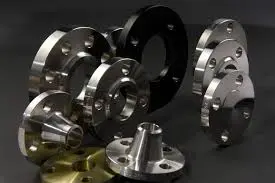
Where and How to Source Flanges for Iranian EPC Projects
To procure flanges successfully, you must identify highly qualified suppliers, rigorously verify product authenticity, and establish resilient supply chains that consistently meet both strict quality standards and project deadlines.
Global and Regional Supplier Landscape
Navigating the global supply chain requires Iranian EPC contractors to strategically select suppliers. While Western manufacturers possess advanced capabilities, complex international trade compliance and logistics often make them impractical for Iranian projects. Therefore, reliable regional suppliers from Asia and the Middle East have become the most viable and cost-effective alternatives. These regional providers frequently maintain robust local inventories and offer technical support tailored to the specific needs of the Middle Eastern market. However, when working with new alternative sources, rigorous quality checks are essential, requiring thorough screening processes and continuous quality monitoring to ensure all materials meet international standards.
Online and Offline Procurement Channels
Digital buying tools make it easy to compare suppliers and handle quotes for standard flange needs. These sites give you access to many suppliers at the same time, and they keep pricing and shipping information clear. But for complicated technical needs, it may be necessary to work directly with the seller to make sure they understand and follow the specifications. Traditional ways of buying things, like distributor networks and maker reps, offer helpful technical support and easy access to local goods. Because of these connections, it's easier to talk about technology needs, quality standards, and delivery times. Regional wholesalers often keep emergency stock on hand in case of emergencies or fixes that need to be done right away.
Quality Verification and Certification Processes
Quality control methods must check that the materials are real, that the measurements are correct, and that the manufacturing process follows the rules. Material test certificates, measurements, and surface condition standards should all be checked by incoming inspection procedures. Magnetic particle inspection (for ferromagnetic materials) and ultrasonic testing can detect manufacturing defects that might affect performance.To stop fake certificates, papers must be checked against databases kept by the granting body as part of certification verification. Third-party testing services check the quality of a product and the authenticity of a license without bias. When working with new providers or getting important parts for safety-related projects, these services become even more useful.
Installation and Maintenance Best Practices for Flange Assemblies
The best way to get the most out of a flange is to install and maintain it correctly so that it doesn't break down and cost a lot of money or put people in danger.
Step-by-Step Installation Procedures
Before installing a flange, all of its parts, such as the flange, seals, and bolting materials, must be carefully checked. Preparing the surface gets rid of any dirt, rust, or harm that could make the seal less reliable. When choosing a gasket, it's important to think about the type of flange face, the working conditions, and the fluid compatibility needs. Installing bolts in a certain way makes sure that the stress and force on the seal are spread out evenly. Cross-pattern tightening keeps the gaskets in good shape and stops them from getting damaged. When figuring out the torque, you have to think about the type of bolt, bolt lubrication condition, and how the temperature affects it. Final check makes sure that the system is aligned, the bolts are tight enough, and the seal is compressed properly before it is pressurized.
Preventive Maintenance Protocols
Setting up regular review times helps find problems before they become major ones. During visual exams, leaks, rust, mechanical damage, and loose bolts are looked for. These checks are especially important in tough settings where things may break down more quickly. Keeping track of what was found during inspections lets you look for patterns and plan ahead for future maintenance. Advanced corrosion monitoring systems track material degradation rates across different flange types, helping maintenance teams accurately predict when replacements are necessary. Ultrasonic thickness readings can find walls that are getting thinner in carbon steel flanges, and eye inspection can find pitting and crevice rust in stainless steel parts. In corrosive settings, protective coating cleaning and upkeep make things last longer.
Troubleshooting Common Flange Issues
Leakage is the most common problem with flanges. This can happen because they were not installed correctly, the seal failed, or the bolts became loose. Systematic fixing starts with finding the source of the leak and listing all the possible reasons why it happened. Bolts can be retightened using controlled torque procedures, or gaskets can be replaced for short-term fixes, but to find long-term answers, the root causes must be addressed. If the flange gets damaged mechanically by overtightening, heat stress, or outside forces, it may need to be replaced. Finding cracks with a dye penetrant or magnetic particle analysis can help you figure out how bad the damage is. When fixing things, you have to think about the safety consequences and the needs of the code, especially for applications that hold pressure.
Conclusion
To choose the right flanges for Iranian EPC projects, you need to know a lot about the different types of designs, the qualities of the materials, and the needs of the project. The type of joint (weld neck, slip-on, blind, threaded, socket weld, or lap joint) you choose has a direct effect on the safety, performance, and cost of the job. When choosing a material from carbon steel, stainless steel, or a metal, you need to think about how resistant it is to rust, how strong it is, and how much it costs. Good buying habits, like checking the qualifications of suppliers and making sure the quality is good, make sure that products are delivered and work well. The best ways to install and maintain things make them last longer and keep them from breaking down, which could cost a lot of money and hurt the project's chances of success.
FAQ
1. What are the main differences between weld neck and slip-on flanges?
The tapered hub form of weld neck flanges makes them good for high-pressure Class 600 and above applications because it evenly distributes stress and makes the hole transition smooth. They need to be butt-welded, but they are more resistant to wear and have better flow properties. Slip-on flanges fit over the end of the pipe and are welded on both sides with fillet welding. They slightly limit the bore but are easier to install and less expensive for uses with moderate pressure Class 150–300 applications.
2. How do I select flange materials for corrosive environments?
The choice of material relies on the acidic medium and the conditions of use. Grades of stainless steel like 316L are very resistant to rust in general, especially in chloride settings. If the rust is very bad, you might want to look at duplex stainless steels or unusual metals. In places where corrosion is likely to happen, carbon steel plates need protective coats or cathodic protection. For important uses, look at info on corrosion rates and try materials to make sure they work well together.
3. Where can Iranian EPC contractors source certified flanges with reliable delivery?
Iranian contractors can get flanges from well-known global makers, regional wholesalers, and trustworthy online stores. Some important things to think about are the supplier's approval (ISO 9001, API, or PED), the authenticity of the material test proof, and the history of delivery performance. Regional wholesalers can often bring items faster and offer local technical support. On the other hand, buying directly from the maker can save you money when you buy a lot of them. For important uses, you should always check certifications and do source audits.
Contact RAYOUNG for Expert Flange Solutions
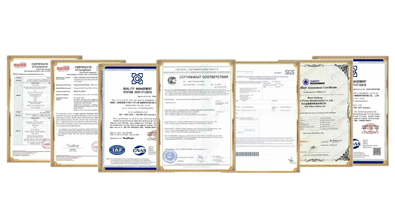
RAYOUNG specializes in manufacturing all major flange types and providing comprehensive piping solutions tailored for EPC contractors who demand fully certified, highly reliable components. We stock a wide range of flange types in carbon steel, stainless steel, alloys, and weld neck, slip-on, blind, and threaded configurations. With export certificates from GOST-R and SGS, you can be sure that our goods meet international quality standards and help you stick to your project's schedule and budget. Our expert team gives you application-specific advice to help you choose the best flange for your individual needs. You can get personalized prices and expert advice from us at info@hb-steel.com, which will make the buying process go more smoothly.
References
1. ASME B16.5 Pipe Flanges and Flanged Fittings, ASME, 2023.
2. ASME B16.47 Large Diameter Steel Flanges, ASME, 2023.
3. ASTM A105/A105M Standard Specification for Carbon Steel Forgings for Piping Applications, ASTM International, 2023.
4. API 6A Specification for Wellhead and Christmas Tree Equipment, American Petroleum Institute, 2023.
5. ISO 7005-1 Metallic Flanges, International Organization for Standardization, 2022.
6. MSS SP-44 Steel Pipeline Flanges, Manufacturers Standardization Society, 2023.

Need a quote? Want to see samples? Just say hello. We’re friendly. We’re fast. And we’re ready when you are.
Welcome to RAYOUNG – Strong Pipes, Stronger Promise