Why Forged Fittings are Superior to Cast Fittings
For industrial purposes, forged pipe fittings beat cast ones in strength, dependability, and lifespan. By pouring molten metal into moulds, cast pipe fittings are made for simple purposes but have porosity and structural flaws. Under intense pressure, forged fittings align metal grain structures and eliminate internal gaps, improving mechanical qualities, pressure resistance, and failure rates in challenging industrial applications.
Introduction
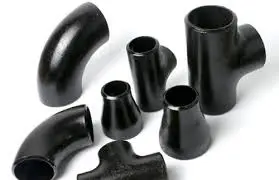
Manufacturing, oil and gas, water treatment, and many other B2B industries depend on industrial pipe systems. The right pipe fittings affect system performance, operational safety, maintenance costs, and project success. Knowing the variations between fitting types is essential for making educated procurement decisions as an EPC contractor managing large-scale installations, a distributor managing inventories for varied clients, or an engineering company optimising project budgets.
Modern industrial environments require reliable, high-performance components that reduce downtime, meet safety regulations, and provide long-term value. This detailed overview explains why forged fittings outperform cast counterparts across numerous performance criteria. We'll discuss manufacturing methods, material qualities, cost factors, and practical applications to assist procurement professionals in making strategic selections that meet project and organisational goals.
Beyond purchase price, suitable selection matters. System breakdowns, maintenance crises, and compliance difficulties may interrupt operations and incur additional costs. Decision-makers may optimise supply chains, minimise the total cost of ownership, and develop long-term partnerships with high-quality and reliable suppliers by understanding these essential distinctions.
Understanding Cast Pipe Fittings and Forged Fittings
Cast pipe fittings are one of the earliest pipeline production technologies. Molten stainless steel 304 or malleable iron is poured into pre-formed moulds to make these components. Casting makes complicated forms and patterns easy to make and cheaper to tool. Stainless steel 304 for corrosion resistance and malleable cast iron in galvanised or black finishes for environmental standards are common materials.
Manufacturing Process Differences
Metal is melted and poured into mould cavities during casting. This approach can introduce porosity in metal structures if not properly controlled, yet it allows complicated geometry like 90-degree elbows, tees, couplings, and unions. Under pressure or heat cycling, these small air pockets and imperfections can form stress concentration locations.
Forged fittings are made differently. Raw material is heated to a plastic state and compressed by hammering, pressing, or rolling. Mechanical deformation significantly reduces internal defects such as porosity, refines grain structure, and provides fitting-contoured metal flow lines, resulting in improved mechanical characteristics and fatigue resistance.
Application Characteristics
In moderate pressure and temperature applications with complicated forms, cast fittings excel. They are used in water treatment systems, fire protection networks, and basic industrial pipelines when cost trumps performance. Installation and maintenance are easy with their NPT or BSPT threaded connectors.
Forged fittings are preferred in high-pressure, high-temperature, and critical service applications that require dependability. These components are crucial in oil and gas transfer, chemical processing, power generation, and aircraft, where system failure poses serious safety and financial hazards.
Performance and Durability: Why Forged Fittings Excel Over Cast Fittings
Real-world operating situations show the performance disparity between forged and cast fittings. Cast pipe fittings are widely used, but their limitations might endanger system integrity over time. Internal porosity from casting provides stress concentration areas, making components more vulnerable to fracture initiation and propagation under cyclic loading.
Mechanical Strength Advantages
Forged fittings outperform cast ones in tensile, yield, and impact strength. Due to its refined grain structure and lack of casting faults, forged components often exhibit higher tensile strength compared to cast ones, depending on material and processing conditions. This strength advantage increases essential application pressure ratings and safety margins.
Forging links metal grain boundaries with component stress patterns to optimise load distribution. However, uneven grain orientation in cast fittings can generate weak areas where stress concentrations cause premature failure.
Corrosion Resistance and Longevity
Both forged and cast fittings may be made from corrosion-resistant materials, although forged components perform better in harsh situations. Reduced porosity lowers the likelihood of localised corrosion initiation, which is critical in chloride-rich environments or acidic media applications.
According to chemical processing facility field investigations, forged stainless steel fittings last longer than cast ones when exposed to temperature cycling and corrosion. Extended service life decreases maintenance intervals, unscheduled shutdowns, and operational expenses.
Pressure and Temperature Performance
Due to their material integrity, forged fittings outperform cast ones in high-pressure situations. While ordinary cast fittings may take 150-300 PSI, depending on size and material, forged components often manage pressures beyond 6000 PSI in specific applications.
Thermal cycling applications choose forged components for temperature performance. Uniform grain structure and no internal flaws help reduce the risk of thermal stress and cracking during temperature variations.
Procurement Considerations for Global B2B Clients
Beyond pricing, strategic buying choices must consider several elements. Based on operational needs, regulatory compliance, and risk tolerance, industries have different requirements. Understanding these varied standards helps procurement experts maximise supplier relationships and assure global supply chain quality.
Industry-Specific Requirements
Forged fittings are used in upstream and midstream oil and gas applications where system failure can have dire environmental and safety ramifications. ASME B16.11 and ASTM standards, thorough documentation, and material traceability are common in these businesses. Supplier capacity and delivery dependability are crucial when selecting suppliers for projects with hundreds to thousands of parts.
Cast fittings are used in cost-sensitive HVAC and building services projects with modest pressure and temperature. To ensure long-term durability and save maintenance, important systems like high-rise building fire prevention increasingly need forged components.
Supplier Evaluation Metrics
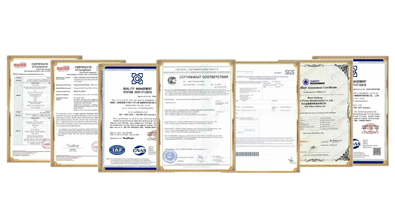
Successful procurement strategies emphasize evaluating supplier competencies far beyond merely comparing standard product catalogs. Industry-specific certifications like API, ASME, and GOST-R verify adherence to technical norms, whereas ISO 9001:2015 certifies robust quality management systems.International supply chains need vendors to maintain certifications and quality validation methods for export compliance.
Lead time management is important, especially in project-driven businesses with deadlines. Established suppliers with sufficient inventory and flexible manufacturing capacity can handle urgent needs and schedule adjustments that arise regularly throughout project execution.
Technical help, such as engineering assistance for complicated applications, material selection guidance, and troubleshooting support, should be evaluated. Comprehensive technical resources from suppliers decrease project risk and enable optimal component selection for operational circumstances.
Risk Mitigation Strategies
As global logistics networks struggle, supply chain resilience is crucial. Diversified supply networks, intelligent inventory positioning, and clear communication reduce disruption risks. Critical applications are protected by suppliers with numerous manufacturing sites and strong quality procedures.
Financial stability and long-term profitability are additional risks, especially when forming supplier agreements. Multi-year contracts and warranty guarantees are more reliable with financially stable and market-established suppliers.
Installation and Maintenance: Practical Insights for B2B Clients
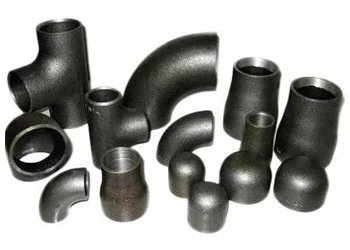
The operational phase of the service life shows considerable variations between forged and cast components that affect the total cost of ownership. These fitting types differ in installation, maintenance, and long-term dependability, affecting project and operations costs.
Installation Efficiency Considerations
Due to regulated manufacture, forged fittings provide tighter dimensional tolerances and fit-up characteristics during installation. Precision speeds installation and reduces field adjustments. The better material qualities also resist installation pressures during threading and assembly.
Cast fittings are normally suitable for regular installations; their material properties may demand extra care during assembly. These components may be more vulnerable to thread damage during installation due to internal porosity, which may need replacement and project delays.
Maintenance Protocol Differences
Long-term maintenance differs greatly between forged and cast fittings. Due to their endurance and resistance to common failure mechanisms, forged components require little maintenance beyond system checks. Their exceptional corrosion resistance and mechanical qualities prevent unexpected breakdowns and emergency repairs.
Cast pipe fittings need more regular inspection and maintenance, especially under harsh operating circumstances. Progressive weakening under cyclic loads, threaded connection degradation, and localised corrosion at stress concentration locations are common concerns. Over the component lifespan, these maintenance requirements raise labour costs and system downtime.
Problem Resolution Strategies
Cast fittings sometimes leak at threaded connections after extensive operation or heat cycling. Porosity and material inconsistencies in cast fittings can contribute to seal degradation and potential leakage over time. System shutdown and component replacement are usually needed to fix these difficulties.
Changing from cast to forged fittings during maintenance cycles can decrease future maintenance and increase system dependability. This upgrade technique lets companies progressively increase system performance while spreading expenditures across numerous maintenance intervals instead of replacing the entire system.
Cost and Value Analysis: Is the Premium of Forged Fittings Justified?
Beyond first purchase price comparisons, suitable selection economics demand further investigation. Forged fittings cost more upfront, but their superior performance in installation efficiency, maintenance, and operational durability over long service periods lowers their total cost of ownership.
Initial Cost Structure Analysis
Cast fittings are cheaper to buy due to their simpler manufacturing method and reduced material needs. This cost benefit is especially important for large-volume applications with hundreds or thousands of fittings. When working conditions are moderate pressure and temperature, budget-conscious projects specify cast components to save initial capital expense.
Due to their sophisticated production process and excellent material qualities, forged fittings cost more. This cost premium varies greatly by size, material grade, and quantity. Bulk purchases can save costs while maintaining quality and delivery.
Total Cost of Ownership Assessment
Over whole system lifecycles, TCO analysis shows the full economic impact. Forged fittings normally offer better value in terms of maintenance, replacement, and operational downtime. They are more reliable, reducing unexpected maintenance and production losses that might surpass the cost alternatives' initial cost reductions.
TCO also considers insurance and liabilities. Critical systems using forged fittings may qualify for lower insurance rates due to their increased safety and reduced failure likelihood. Financial benefits might partially cover early cost surcharges and mitigate risk.
The study must include maintenance and replacement labour expenses. Forged fittings' long service life lowers maintenance interventions, lowering system-life labour costs. Their dependability also reduces emergency repair scenarios that need high labour costs and fast material procurement.
Customisation and Specialised Applications
Custom-engineered forged fittings can solve complex industrial challenges that standard cast pipe fittings simply cannot handle due to their structural limitations.Customisation raises costs, but optimising component design for specific operating circumstances can improve system performance and save lifespan costs. Petrochemicals, power generation, and aerospace justify customisation costs with reliability and performance gains.
The economic case is stronger for essential applications where system failure offers serious safety or environmental implications. Forged components are more reliable, protecting against catastrophic failures and liabilities.
Conclusion
Performance, reliability, and total cost of ownership studies show that forged fittings generally offer superior performance compared to cast ones in demanding applications.
Forged components vastly outperform cast pipe fittings in tough industrial settings, although cast alternatives may still be considered for highly cost-sensitive applications with extremely mild working conditions.
Forged fittings' mechanical integrity, pressure resistance, and prolonged service life justify their premium pricing by reducing maintenance costs, safety risks, and operational interruptions. Forged fittings offer greater ROI across key applications for procurement experts who emphasise long-term value and system dependability.
FAQ
Q1: Can forged fittings be used to replace cast fittings in existing systems?
Forged fittings can typically replace cast alternatives in existing systems, provided they meet the same dimensional and connection requirements. The superior pressure ratings and mechanical properties of forged components often exceed original system specifications, providing enhanced safety margins. However, compatibility verification should include pressure rating analysis, material compatibility assessment, and thermal expansion considerations to ensure optimal system performance.
Q2: What certifications should I look for when purchasing industrial pipe fittings?
Essential certifications include ASTM material specifications, ASME dimensional standards, and ISO 9001:2015 quality management verification. Industry-specific certifications, such as API for oil and gas applications or GOST-R for certain export markets, provide additional quality assurance. Third-party inspection certificates from organisations like SGS validate manufacturing quality and material compliance for critical applications.
Q3: How do lead times compare between cast and forged fittings for large orders?
Cast fittings typically offer shorter standard lead times due to simpler manufacturing processes, particularly for common sizes and materials. However, forged fitting suppliers with adequate inventory management can provide competitive delivery schedules for standard products. Custom forged components generally require extended lead times due to specialised manufacturing requirements, making early procurement planning essential for project success.
Q4: What are the key factors to consider when transitioning from cast to forged fittings?
The transition requires evaluation of pressure ratings, material compatibility, dimensional specifications, and connection requirements. Cost-benefit analysis should include initial price differences, expected service life improvements, and maintenance cost reductions. Installation planning must consider any procedural changes, and supplier selection should emphasise technical support capabilities and quality certifications to ensure successful implementation.
Choose RAYOUNG for Superior Forged Fitting Solutions
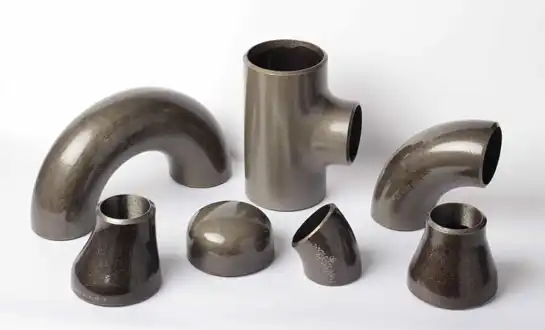
RAYOUNG stands as your trusted pipe fittings manufacturer, delivering exceptional forged components that exceed industry standards for quality, reliability, and performance. Our comprehensive product portfolio includes butt-weld steel elbows, steel reducers, and flanges designed to meet the most demanding industrial applications. With ISO 9001:2015 certification, GOST-R compliance for export markets, and SGS validation, we ensure every component meets stringent quality requirements while supporting your project deadlines and budget objectives.
Our engineering expertise and global supply chain capabilities enable us to provide tailored solutions for diverse industrial sectors, from oil and gas transmission to chemical processing and power generation. Contact our technical team at info@hb-steel.com to discuss your specific requirements and discover how our superior forged fittings can optimise your system performance and reduce total ownership costs.
References
1. American Society of Mechanical Engineers. "ASME B16.11: Forged Fittings, Socket-Welding and Threaded." New York: ASME Press, 2018.
2. Davis, Joseph R. "ASM Speciality Handbook: Cast Irons." Materials Park: ASM International, 2017.
3. Roberts, William L. "Hot Rolling of Steel." New York: Marcel Dekker, 2019.
4. Smith, Charles O. "The Science and Engineering of Materials." Boston: Cengage Learning, 2020.
5. Thompson, Michael K. "Metallurgy and Materials Science in Engineering." Upper Saddle River: Prentice Hall, 2021.
6. Wilson, David P. "Industrial Piping Systems: Design, Installation and Maintenance." Houston: Gulf Professional Publishing, 2019.

Need a quote? Want to see samples? Just say hello. We’re friendly. We’re fast. And we’re ready when you are.
Welcome to RAYOUNG – Strong Pipes, Stronger Promise