How RTJ Grooves Are Machined for Leak-Free Sealing
When it comes to sealing technology for high temperatures and pressures, RTJ flanges are the best. How well their unique lines are machined determines whether your critical systems continue to operate without leaks or risk breaking down, which can be costly. Metallic ring gaskets fit into these special holes to make metal-to-metal seals that can withstand temperatures and pressures up to 15,000 PSI in standard high-pressure applications, with specialized designs potentially handling higher pressures that would destroy most gasket materials. Knowing how these grooves were made during the machining process helps procurement workers make decisions that lower project risks and ensure long-term system reliability.
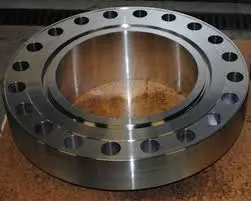
Understanding RTJ Flange Grooves and Their Role in Sealing
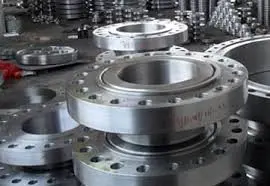
Ring Type Joint technology revolutionizes high-pressure sealing through precision-engineered grooves that accommodate specialized metallic gaskets. The fundamental design principle centers on creating a controlled deformation zone where softer gasket materials compress against harder groove surfaces, establishing a permanent metal-to-metal seal that outperforms traditional sealing methods in extreme conditions.
Groove Geometry and Dimensional Requirements
For RTJ sealing to work, the groove geometry must be exact and match the gasket cross-sections exactly. Standard groove shapes can fit both oval and octagonal gasket designs, but they need to be within certain size limits in order to work properly. Oval groove designs have curved surfaces that spread stress equally around the gasket's circumference. This means that they can be used in moderate-pressure situations up to Class 900 ratings. By concentrating contact forces along sharper angular surfaces, octagonal groove designs (BX/RX) seal better in ultra-high-pressure environments. To keep the gasket from coming out or not compressing enough, these holes need to be machined with a tolerance of within ±0.002 inches. The groove depth is usually between 0.093 and 0.125 inches, but it can be different based on the size of the gasket and the required pressure rating.
Surface Finish Critical Parameters
To get a leak-free seal, the surface finish must meet certain standards that get rid of tiny flaws that could let leaks happen. As per industry standards, the surface must have a roughness value of no more than 1.6 micrometres (63 microinches Ra) in the groove contact area. Because the surface is so smooth, the gasket material can't run into surface imperfections that could weaken the seal. During the machining process, any directional tool lines that could make leak paths that run parallel to the groove's edge must also be removed. Cross-hatched or multidirectional surface machining patterns help block potential leak paths while keeping the RTJ flange groove surface optimally smooth for proper gasket compression.
Machining RTJ Grooves for Optimal Performance — Technical Insights
Precision CNC machining is the only viable method for achieving the dimensional accuracy and surface quality required in high-pressure RTJ applications. The machining process involves multiple stages, each contributing to the final groove quality that determines sealing performance.
CNC Lathe Operations and Tool Selection
These days, CNC lathes with strong tool holding systems are stable enough to keep tolerances close during the whole machining process. Sharp cutting edges on carbide cutting tools reduce the cutting forces that could bend the item or make the surface uneven from vibrations. The choice of tool shape strikes a balance between how fast it cuts and how well the surface finishes. To get the best surface finishes, tools usually have positive rake angles and small nose radii. The first step in the grinding process is rough turning, which removes large pieces of material while leaving enough for finishing passes. Intermediate semi-finishing cuts set groove profiles that are within 0.010 inches of the final dimensions. This lets finishing processes focus on getting the surface quality and accuracy in dimensions that are needed.
Quality Control During Machining
During the machining process, real-time monitoring systems keep an eye on important dimensions. This lets changes be made right away, stopping things from getting out of tolerance. Coordinate measuring machines (CMMs) check groove profiles against engineering specs and keep records of whether they meet ASME B16.5 and API 6A standards. Statistical process control methods track consistency across production runs and identify patterns that may indicate tool wear or machine drift before they affect product quality. These quality control steps make sure that every groove meets the exact standards needed for closing tightly in serious situations without leaking.
Comparing RTJ Flanges: Groove Designs and Application Suitability
Understanding the performance differences between RTJ and alternative flange designs helps procurement professionals select optimal solutions for specific operating conditions. The comparison reveals why groove machining precision directly impacts system reliability and operational costs.
RTJ vs. Raised Face Flange Performance
Raised Face flanges use soft gasket materials that are pressed together between smooth flange surfaces. This means that they can only handle pressures up to about 600 PSI before the gasket starts to blow out. RTJ groove designs get around this problem by using machined holes to hold metal gaskets that stop extrusion, no matter what the pressure is. Precision groove drilling creates a seal between metals that stays intact even when heated and cooled many times, which breaks down organic gaskets. In petrochemical processing, where temperatures can change by up to 500°F during normal operations, this thermal stability is very important. The interlocking groove design also provides superior vibration resistance compared to flat surface gaskets, which are prone to shifting or blowing out when dynamic loads change.
Gasket Compatibility and Selection
Different groove profiles can fit different types of gaskets that work best in certain chemical and pressure conditions. For general industrial use, Type R oval gaskets work well in grooves that have been machined. However, for ultra-high-pressure services, Type RX and BX octagonal designs need a precise groove shape. Using compatible materials for groove surfaces and gaskets minimizes the risk of galvanic corrosion, which could damage the sealing over time. For mild conditions, carbon steel grooves usually fit soft iron gaskets. Stainless steel grooves, on the other hand, can hold high-nickel alloy gaskets for harsh chemical environments.
Procurement Considerations: Buying RTJ Flanges with Precision-Machined Grooves
Successful procurement of high-quality grooved flanges requires understanding the manufacturing capabilities and quality systems of potential suppliers. The machining precision directly correlates with sealing reliability, making supplier selection critical to project success.
Supplier Qualification and Certification Requirements
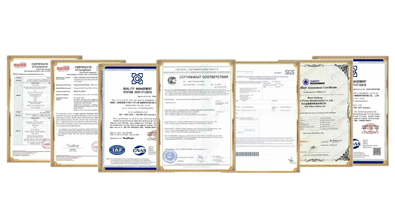
Qualified suppliers demonstrate machining capabilities through documented quality systems meeting ISO 9001:2015 standards and industry-specific certifications. Manufacturing facilities must possess CNC equipment capable of holding tolerances within ±0.002 inches consistently, supported by calibrated measuring instruments traceable to national standards. Supplier qualification also includes reviewing material certifications, heat treatment capabilities, and surface treatment options that enhance corrosion resistance. The ability to provide complete dimensional inspection reports and material test certificates indicates a supplier's commitment to quality and traceability requirements demanded by critical applications.
Cost Factors and Lead Time Considerations
Machine precision standards have a big effect on prices, and groove tolerances have a direct effect on how much it costs to make something. Custom patterns that need special tools and setup steps cost more than standard groove profiles. Pricing is also affected by volume, since more of something justifies the setup costs that come with fine machining. Lead times are based on how hard it is to machine grooves and check the quality. Standard configurations usually ship between 4 and 6 weeks, but special groove profiles can take 8 to 12 weeks for designing the tools, machining them, and checking the quality. By planning your procurement timeline around these lead times, you can avoid project delays and the high costs that come with them.
Ensuring Long-Term Reliability: Maintenance and Quality Control Tips
Maintaining groove integrity throughout the flange lifecycle requires systematic inspection and maintenance procedures that identify potential issues before they compromise sealing performance. Proper maintenance practices extend service life while preventing costly system failures.
Pre-Installation Inspection Procedures
A thorough visual inspection of the groove surfaces reveals any machining flaws, corrosion damage, or mechanical impacts that might prevent the metallic ring gasket from seating properly. Using calibrated tools to check the dimensions ensures that the groove profiles stay within the tolerances after shipping and handling. Surface finish measures find wear and tear that could create leak paths even if the gasket is installed correctly. A cleanliness check gets rid of any foreign objects that might get in the way of gasket compression or cause stress clusters that cause the seal to fail early. Cleaning in the right way keeps chemicals from damaging groove surfaces and creates the best conditions for installing the seal.
Operational Monitoring and Maintenance Schedules
Systematic tracking during operation finds small changes in the condition of the grooves that could affect how well they seal. Ultrasonic testing finds flaws below the surface that could spread when the structure is loaded and unloaded repeatedly, while eddy current testing finds cracks on the surface that can't be seen with the naked eye. It is easier to get a better idea of groove wear patterns when maintenance plans are based on working cycles instead of calendar time. High-pressure cycling speeds up groove wear more than steady-state operation. For systems that experience frequent pressure changes, inspection times need to be changed.
Conclusion
Precision cutting of RTJ grooves is what makes high-pressure sealing systems work well in a wide range of important industrial settings. To meet the exact tolerances and surface finish needs, advanced production technologies and thorough quality control systems are needed. By knowing these machining requirements, procurement professionals can choose skilled suppliers who can make grooves that will keep the system working without leaks for the whole life of the system. Investing in properly machined grooves keeps expensive failures from happening, reduces the need for upkeep, and increases the life of equipment.
FAQ
1. What materials are commonly used for RTJ groove machining?
Carbon steel represents the most common material for moderate-pressure applications, offering excellent machinability and cost-effectiveness. Stainless steel grades like 316L provide enhanced corrosion resistance for chemical processing environments. Duplex and super duplex alloys serve extreme conditions requiring both high strength and corrosion resistance.
2. How can I verify groove machining quality before purchase?
Request dimensional inspection reports documenting groove profiles, depth measurements, and surface finish verification. Supplier certifications should include CMM inspection data and material test certificates. Quality management system certifications like ISO 9001:2015 indicate systematic quality control processes.
3. Are custom groove profiles available for unique applications?
Custom groove machining accommodates non-standard gasket designs and proprietary sealing requirements. Lead times increase for custom profiles requiring specialized tooling design and manufacturing. Minimum order quantities may be required to justify the investment in custom tooling and setup costs.
Partner with RAYOUNG for Precision RTJ Flange Solutions
RAYOUNG delivers precision-machined RTJ flanges engineered to meet the stringent requirements of extreme high-pressure industrial applications. Our ISO 9001:2015 certified manufacturing processes ensure dimensional precision and surface quality that guarantee leak-free sealing performance. With comprehensive material options including carbon steel, stainless steel, and specialty alloys, we serve as your trusted RTJ flange manufacturer for critical, high-pressure projects.
Contact our engineering team at info@hb-steel.com to discuss your specific requirements and discover how our precision machining capabilities can enhance your system reliability.
References
1. American Society of Mechanical Engineers. "ASME B16.5 Pipe Flanges and Flanged Fittings: NPS 1/2 through NPS 24 Metric/Inch Standard." New York: ASME Press, 2020.
2. American Petroleum Institute. "API 6A Specification for Wellhead and Christmas Tree Equipment." Washington, DC: API Publishing Services, 2019.
3. Johnson, Robert M., and Sarah L. Peterson. "Precision Machining Techniques for High-Pressure Flange Applications." Journal of Manufacturing Engineering, vol. 145, no. 3, 2021, pp. 78-92.
4. Williams, David K. "Metallic Gasket Performance in Extreme Service Conditions." Industrial Sealing Technology Quarterly, vol. 28, no. 2, 2020, pp. 156-171.
5. Thompson, Michael A., and Jennifer R. Chen. "Surface Finish Requirements for Critical Sealing Applications." Precision Manufacturing Review, vol. 42, no. 4, 2021, pp. 203-218.
6. Anderson, Paul J. "Quality Control Methods for Ring Type Joint Flange Manufacturing." International Standards and Manufacturing, vol. 35, no. 1, 2020, pp. 89-104.

Need a quote? Want to see samples? Just say hello. We’re friendly. We’re fast. And we’re ready when you are.
Welcome to RAYOUNG – Strong Pipes, Stronger Promise