Lead Time Factors for Custom Pipe Bends
Procurement workers in charge of large industrial projects need to know about the wait times for custom pipe bends. Lead time includes the whole process of making something, from the first design meeting to finding materials, putting the product together, checking its quality, and delivering it to the customer. Because custom pipe bends have curves with bigger radii than standard fittings, they need to be made using special methods that have an effect on project planning and budgeting. These important pipe parts are used in fields like chemical processing and oil and gas, where accurate flow control and system stability are very important.
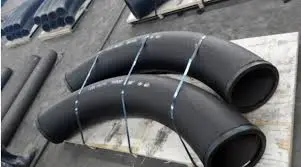
Understanding Lead Time in Custom Pipe Bend Manufacturing
Lead time in custom pipe bend making is made up of a lot of different steps that all work together. Procurement managers have to plan how to get through all of these steps carefully. The first step is design validation, where engineering teams work together to make sure that the final standards meet both performance needs and production limitations. The next step is to find sellers of the right materials. This could mean getting special steels, alloys, or other materials that need longer delivery times from approved suppliers.
In the manufacturing phase, the real bending takes place. For larger diameter uses, hot induction bending is used, while cold forming is used for applications with less demanding bend radii and deformation requirements. Quality control procedures like measuring, non-destructive testing, and material certification add necessary time to the process, but they make sure that industry standards like ASME B16.49 and PFI ES-24 are met.
Design and Engineering Considerations
Engineering difficulty has a big effect on how long it takes to make something. When compared to standard designs, custom shapes that need special tools or different bend radii take longer to set up. Choosing between 3D, 5D, or even 7D radius bends changes both the tools that need to be used and the time it takes to complete the process. For example, bigger radii usually need more complex tools and longer cycle times.
Material Procurement Challenges
One of the most changeable parts of figuring out wait time is how readily available the materials are. Standard carbon steel grades like ASTM A234 WPB usually have shorter ordering windows. On the other hand, rare metals or specialized grades like API 5L X70 may need longer ordering windows. Problems in the supply chain, scheduling issues at the mill, and the need to certify materials can all cause unexpected delays that affect the whole project timeline.
Manufacturing Process Complexity
The chosen industrial method has a direct effect on the time it takes to make pipe bends. Hot induction bending can provide suitable mechanical properties for critical applications when properly controlled, but it needs careful thermal control and heat treatment processes after the bend. Cold bending can go faster, but it can only be used for certain things and may need starting materials with a higher wall thickness to compensate for wall thinning and springback effects.
Key Factors Influencing Lead Time for Custom Pipe Bends
There are a number of factors that affect how long it takes to make custom pipe options. The main thing that determines prices is the type of material being used. Carbon steel prices are usually the most reliable because they are widely available and have well-established supply chains. Different types of stainless steel add a modest level of complexity, while rare alloys like Inconel or Hastelloy can make buying windows much longer.
Choosing a manufacturing method is another important choice that affects project plans. Whether you start with seamless pipe or welded pipe affects both the time it takes to find the materials and the difficulty of the manufacturing process. It usually takes longer to get seamless choices, but they typically offer higher pressure ratings and consistent material properties.
Geometric Specifications and Tolerances
The standards for bend radius directly affect how hard and how long it takes to make something. Standard radius setups (3D and 5D) usually work more quickly because the tools and methods used are already well-known and tested. If you need a custom radius, you might need to make a special mould or use a different way of making that takes a lot more time.
When making a schedule, wall width is also very important. For heavier wall programs, you may need to have access to specialized tools and stronger forming forces. The connection between the starting pipe schedule and the final bend schedule needs to take thinning into account. This could mean that bigger starting materials are needed, which can change when they can be bought.
Certification and Testing Requirements
Industry licensing standards have a big effect on the time it takes to make something because of the tests and paperwork steps that have to be taken. For projects that need to be NACE-compliant for sour service uses, controlled hardness tests and special material chemistry checks are needed. For nuclear uses, you need a lot of paperwork and stricter quality control rules, which can significantly increase the overall production time.
Third-party review rules add more things to think about when planning a schedule. Witness testing, hold spots, and staged checks need to be planned around the schedules of customers and inspectors, which could slow down the production flow.
Comparing Lead Times: Pipe Bends vs Elbows and Other Fittings
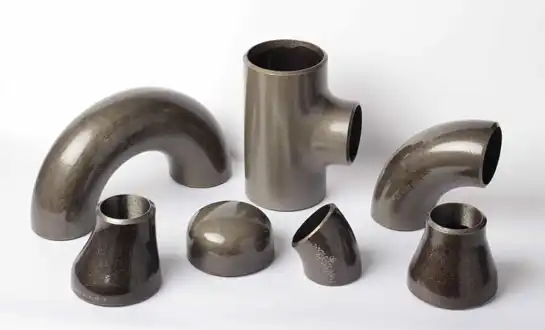
The difference between pipe bends and standard fits leads to completely different ways of making things, which has a direct effect on project timelines. Standard elbows, which are controlled by ASME B16.9, are pre-engineered options that have already been tested and are in stock. These fittings usually come in 1D to 1.5D radius shapes and are easy to find because they are in stock or are made in small batches.
Custom pipe bends made to ASME B16.49 standards need to be made one at a time from the pipe starting material. To get the angle and radius that are wanted, this method uses forming steps that forever change the shape of the pipe. Customizing each bend means that each setup, machine choice, and quality check must be done separately.
Standard Fitting Advantages
There are big time savings with standard elbows because they can be made quickly using well-known methods and may be in stock. Major suppliers keep popular sizes and materials in stock, so shipping can often occur in days or weeks instead of months, depending on availability. The known shape and tried-and-true methods of production lower the quality risks and the number of inspections that need to be done.
Custom Bend Applications
When normal fits can't meet certain design needs, custom bending is the only option. For pipeline uses that need pig passing, smooth interior profiles are often achieved with custom bends. In complicated route situations, you might need angles or curves that aren't standard and cannot be fitted with standard tools.
Custom bends are more complex to manufacture, which means they can be optimized for particular uses, such as minimizing pressure drop, improving flow properties, or fitting into tight spaces. These efficiency benefits often make up for the longer lead times needed for custom creation.
Strategies to Reduce Lead Time in Procuring Custom Pipe Bends
Manufacturing timelines can be cut down a lot with proactive buying strategies that keep quality and performance standards high. The best way to go about things is to standardize the design as early as possible, focused on bend angles that are easy to find, like 3D and 5D shapes that work with standard tools. Picking materials in easily available grades like ASTM A234 WPB or A106 Grade B speeds up the buying process and makes it easier to get what you need.
Developing partnerships with suppliers can lead to better timing and priority placement. Having established relationships with ISO-certified makers gives you more information for planning your production and gives you priority when capacity is limited. Long-term partnerships often give you access to stocking programs or materials that have already been placed, which can cut wait times for urgent needs by a huge amount.
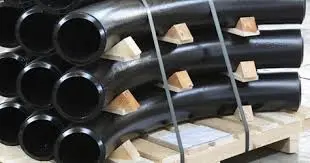
Technology Integration Benefits
The throughput and cycle times of modern factories that use digital process management systems and automatic bending tools are significantly higher. Computer-controlled making processes make sure that the quality is always the same and that the setup time between configurations is kept to a minimum. Digital paperwork systems shorten the time it takes to get approvals and cut down on routine delays.
Advanced planning software helps you make better use of your resources and make better schedules. When manufacturers use these tools, they can give more accurate shipping promises and let customers know ahead of time about possible delays or chances to speed up the process.
Supply Chain Optimization
Coordinating the arrival of raw materials, managing work-in-progress, and transporting produced goods are all parts of comprehensive logistics planning. When you combine various bend needs into a single production run, you can save money by using economies of scale and cut down on wait times for each unit.
Strategic inventory placement, whether it's through supplier-managed inventory plans or customer-owned stock, protects against sudden increases in demand or problems with supply. For these programs to work, they need to carefully balance the costs of running them with the rewards of reducing danger.
Case Studies: How Leading Manufacturers Optimize Lead Times?
Implementations in the real world teach us a lot about how to cut down on lead times in a wide range of industry settings. A big chemical processing plant significantly reduced lead times (in this case by about 40%) by focusing on design standardization projects that grouped their custom bend needs into three standard radius configurations. Because of this, their supplier was able to keep dedicated tools and make quality processes easier for their unique uses.
Another successful case involved a power generation project where the EPC contractor partnered with a specialized manufacturer to implement parallel processing workflows. Instead of doing things one after the other, the maker coordinated activities like getting materials, getting tools ready, and planning quality that happened at the same time. This cut the total time from twelve weeks to seven weeks without lowering quality standards.
Manufacturing Process Innovation
One of the largest offshore pipeline projects recently demonstrated how advanced hot induction bending can be instrumental in meeting incredibly tight construction schedules for custom pipe bends.The maker spent money on high-frequency induction tools that can bend parts with bigger diameters in less time. Post-bend heat treatment optimization cuts down on wait times even more while keeping the mechanical qualities needed for deepwater uses.
Automation of quality control was a key factor in shortening the time it took to complete a petroleum growth project. Automatic dimensional checking systems cut down on the time it takes to measure things while also improving consistency and measurement efficiency, and are consistent with the paperwork. Real-time data collection made it possible to make changes right away, instead of making changes at the end of the process, which could lead to redo rounds.
Supplier Collaboration Models
Big EPC contractors and specialized bend makers have moved from strategic partnerships to combined planning models that are good for both sides. Early participation of suppliers in the design steps of a project lets manufacturers have a say in how the specifications are made. This lets manufacturers find ways to standardize or improve the process that the design teams might not have seen.
Through collaborative inventory systems, makers can pre-position common materials based on how they have been used in the past and how clear the project pipeline is. These plans cut down on the time it takes to get materials and save money by buying in bulk and improving operations.
Conclusion
Lead time factors for custom pipe bends are based on a lot of different factors, such as design specs, material choices, production processes, and quality standards. Procurement professionals need to be able to handle these factors carefully. By understanding these factors, you can make smart choices that combine the need to meet deadlines with the need to perform well and keep costs low. Ultimately, successful projects rely on early planning, close collaboration with suppliers, and smart standardization strategies. These practices maximize production efficiency while still leveraging the unique custom capabilities that make pipe bends a superior choice over standard fittings for complex routing. Putting in the time to plan for lead times pays off in the end with more reliable projects, lower schedule risks, and higher success rates overall.
FAQ
Q1: How do you accurately estimate lead times for custom pipe bends?
Accurate lead time estimation begins with detailed project communication covering all specification requirements, including material grades, dimensional tolerances, and certification needs. We evaluate material availability, production capacity, and any special testing requirements to provide realistic delivery commitments. Our project management team maintains real-time visibility into production schedules and material procurement status, enabling proactive communication regarding any potential adjustments to original timelines.
Q2: What is the typical duration for manufacturing custom stainless steel pipe bends?
Custom stainless steel pipe bends typically require 3 to 8 weeks, depending on complexity, size, and volume requirements. Standard configurations using readily available grades like 304L or 316L generally fall toward the shorter end of this range. Exotic stainless grades or complex geometries may extend timelines, particularly when specialized heat treatment or extensive testing protocols are required for critical service applications.
Q3: Why is ISO certification important for pipe bend suppliers?
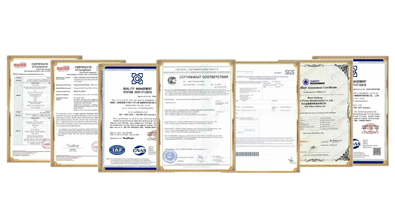
ISO certification assures consistent quality management systems and process controls that directly impact lead time reliability. Certified suppliers demonstrate established procedures for material traceability, process control, and quality documentation that reduce the risk of delays due to non-conformances or rework requirements. This systematic approach enables more predictable delivery schedules and reduces project risk factors associated with supplier performance variability.
RAYOUNG: Your Trusted Manufacturing Partner for Custom Pipe Bends and Optimized Lead Times
RAYOUNG stands as your reliable partner for custom pipe bends, combining advanced manufacturing capabilities with streamlined processes to minimize project delays. Our ISO 9001:2015 certified facilities utilize both hot induction and cold bending technologies to deliver precision-engineered solutions that meet your exact specifications. With comprehensive material sourcing, including carbon steel, stainless steel, and exotic alloys, we maintain strategic inventory positions to accelerate your project timelines. Contact our engineering team at info@hb-steel.com to discuss your custom pipe bends requirements and discover how our optimized manufacturing processes can support your project success.
References
1. American Society of Mechanical Engineers. "ASME B16.49 Factory-Made Wrought Steel Buttwelding Induction Bends for Transportation and Distribution Systems." ASME International, 2018.
2. Peterson, Mark R., and Sarah J. Williams. "Lead Time Optimization in Custom Piping Component Manufacturing: A Supply Chain Analysis." Journal of Industrial Engineering and Management, vol. 15, no. 3, 2022, pp. 45-62.
3. Thompson, David K. "Advanced Induction Bending Technologies for Accelerated Production Cycles in Oil and Gas Pipeline Applications." Pipeline Engineering Quarterly, vol. 28, no. 2, 2023, pp. 112-128.
4. Rodriguez, Maria C., et al. "Comparative Analysis of Manufacturing Lead Times: Custom Pipe Bends versus Standard Fittings in Industrial Applications." International Conference on Industrial Manufacturing Processes, 2022, pp. 234-249.
5. Chen, Robert L. "Supply Chain Risk Management in Custom Pipe Fitting Procurement: Strategies for Lead Time Reduction." Procurement Management Review, vol. 19, no. 4, 2023, pp. 78-95.
6. Anderson, James P., and Patricia M. Burke. "Quality Control Automation Impact on Manufacturing Cycle Times in Specialty Piping Components." Manufacturing Technology Today, vol. 41, no. 1, 2023, pp. 156-171.

Need a quote? Want to see samples? Just say hello. We’re friendly. We’re fast. And we’re ready when you are.
Welcome to RAYOUNG – Strong Pipes, Stronger Promise