Class 600 RTJ Flanges Explained for Oil and Gas Projects
Class 600 RTJ flanges are the most important part of high-pressure pipe systems used in oil and gas operations. Their precision-machined grooved faces and metal ring seals provide excellent sealing performance. When high-pressure conditions are required (as defined by ASME Class 600 ratings, which can exceed 1000 psi depending on temperature and material), these heavy-duty connectors perform reliably. This makes them essential for important infrastructure where conventional flanges would fail. Their metal-to-metal sealing mechanism makes sure that links don't leak, even when temperatures change a lot, and there is a lot of vibration, which is common in oil refineries and offshore platforms.
Understanding Class 600 RTJ Flanges: Specifications and Applications
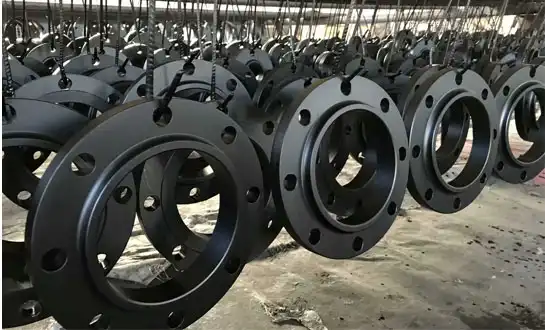
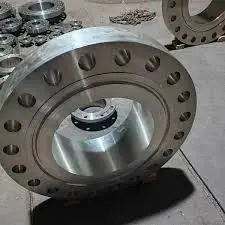
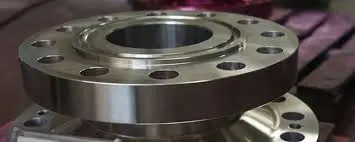
Additionally, Ring Type Joint flanges are designed to work well in harsh environments where regular raised face or flat face flanges can't keep their bonds. The unique feature of these specialised connections is their precisely machined annular groove, which can fit either oval or octagonal metallic ring gaskets to make a better sealing interface.
Technical Design and Sealing Mechanism
The closing mechanism works by a "coining" effect, in which the metal ring gasket, which is usually softer than the flange material, bends when the bolt is tightened to fit the groove perfectly. This metal-to-metal contact gets rid of the problems that come with soft gasket materials, which can break down or extrude in harsh circumstances. To make sure the seal fits properly, the groove sizes must strictly follow ASME B16.5 standards, which say that the surface finish must be no rougher than 63 micro-inches (1.6 μm) RMS.
Pressure Rating and Temperature Capabilities
The Class 600 designation indicates pressure ratings that can reach approximately 1480 psi at room temperature for materials such as ASTM A105, according to ASME B16.5 standards. However, the exact ratings depend on the material used and the temperature at which they are used. According to ASME standards, the link between pressure and temperature shows that higher temperatures lower the pressures that can be used. These flanges work great in a wide range of situations, from high-temperature refinery processes to cryogenic LNG sites.
Material Standards and Configurations
Most of the materials chosen are carbon steel types, such as ASTM A105 for normal use and ASTM A350 LF2 for low-temperature uses. 316L and other types of stainless steel are better at resisting corrosion in sour service settings. There are different configurations, such as weld neck, slip-on, blind, and threaded. For critical uses, Class 600 RTJ weld neck flanges offer the best structural integrity.
Comparing Class 600 RTJ Flanges with Other Flange Types
Understanding the performance distinctions between various flange types enables procurement teams to make informed decisions that balance cost considerations with operational requirements. The comparison reveals significant advantages of RTJ technology in specific applications while highlighting cost implications.
RTJ versus Raised Face Flanges
Because they use soft gaskets like spiral wound or confined gasket designs, raised face flanges can also be used in Class 600 applications; their sealing reliability may decrease under severe vibration or thermal cycling conditions or in systems that go through a lot of thermal cycling. Ring-type joint flanges keep their sealing integrity in these tough situations because the metal-to-metal interface is rigid. These systems are very different in how hard they are to install. To keep the gasket from getting damaged, RF flanges need to be installed carefully and with regular bolt tightening. On the other hand, RTJ flanges require precise installation, including accurate alignment and proper gasket seating, but once installed correctly, they offer more reliable sealing performance. This helps reduce the risk of sealing failure in demanding field conditions.
Comparison with Higher Pressure Classes
Higher-pressure systems may use RTJ flanges in higher ASME classes (such as Class 900 or Class 1500), which follow the same sealing principles but are designed for significantly higher pressure ratings, often significantly higher than Class 600 ratings. Some of the changes in size are thicker flange bodies, bigger bolt circles, and stronger hub designs.
Economic Considerations in Flange Selection
RTJ flanges usually cost 20–40% more at first than RF options. This depends on the material grade and size. Lifecycle cost analysis, on the other hand, usually favours RTJ technology because it requires less maintenance, doesn't need to replace gaskets as often, and has a lower chance of downtime. This investment is very helpful for projects that will last a long time or are in remote areas that are hard to get to for upkeep.
Procurement Guide: How to Source and Order 600 RTJ Flanges
Successful procurement of high-pressure flanges requires understanding market dynamics, supplier capabilities, and quality verification processes. The global supply chain offers multiple sourcing strategies, each with distinct advantages and considerations.
Supplier Evaluation Criteria
The best suppliers have complete quality management systems that are certified to ISO 9001:2015 standards. They also have other certifications, such as API 6A for wellhead equipment use. To make sure they follow ASME guidelines, manufacturing facilities must show that they can heat treat, use non-destructive testing tools, and do dimensional inspection. Comprehensive documentation—including Material Test Certificates (MTCs), dimensional inspection reports, and hydrostatic pressure test records—must be provided and strictly maintained by the supplier for all Class 600 RTJ flanges.
Material Selection and Cost Factors
When it comes to cost-effective uses, carbon steel types are the best choice. For temperatures up to 800°F, ASTM A105 has the best strength-to-cost ratio. 316L and other types of stainless steel are more expensive, but they are better at resisting corrosion in sour gas environments or offshore applications where servicing access is limited. Prices on the market change based on the cost of raw materials, the capacity of factories, and the demand cycles of projects. By agreeing to buy in bulk, you can cut costs by 10 to 15 per cent, but during times of high demand, you may have to pay 25 to 50 per cent more for faster delivery.
Lead Time Management and Inventory Strategy
Standard sizes in common materials usually have lead times of 4 to 6 weeks from reputable sources. For rare alloys or non-standard sizes, the lead time may be 12 to 16 weeks. Carrying costs and project schedule risks are balanced by strategic inventory management. Many operators keep a safety stock of key sizes in standard carbon steel grades.
Trusted Brands and Manufacturer Insights for Class 600 RTJ Flanges
The global marketplace features established manufacturers with proven track records in high-pressure applications. Supplier selection significantly impacts project success through quality consistency, technical support, and delivery reliability.
Industry-Leading Manufacturers
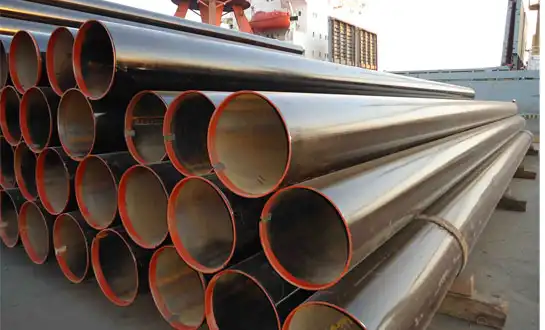
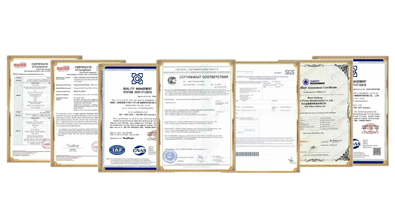
Well-known companies like Bonney Forge, Anvil International, and local experts keep a lot of different products for both common and unusual uses. Most of the time, these makers offer full technical support, which includes help with application engineering and the ability to make custom modifications. The places where they make things have advanced metallurgical skills and a lot of infrastructure for quality control. RAYOUNG has become a trustworthy company that sells carbon steel pipes, always sending high-quality goods that meet international standards. The company keeps its GOST-R and SGS approvals to make sure it follows export rules. This shows that it is committed to quality control in all global markets. Its ISO 9001:2015 approval makes sure that the way it is made is always the same and that the products are reliable.
Quality Verification and Certification Requirements
Manufacturers with a good reputation offer complete paperwork packages that include certificates for hydrostatic testing, material traceability, and verifying dimensions. Independent third-party inspection services, such as those offered by Lloyd's Register and Bureau Veritas, provide extra quality assurance for important uses. Some types of certification are ASME Section VIII approval for pressure vessels and API 6A certification for wellhead equipment. Adherence to these rigorous standards ensures that Class 600 RTJ flanges consistently meet the strict safety, integrity, and efficiency requirements demanded by the global oil and gas industry.
Benefits and Standards of Class 600 RTJ Flanges in Oil & Gas
Ring Type Joint technology delivers measurable performance advantages in demanding applications while conforming to comprehensive industry standards that ensure safety and reliability.
Operational Advantages
The main benefit is superior sealing performance in harsh conditions. With metal-to-metal sealing, you don't have to worry about the temperature limits that come with elastomeric seals. This means that you can operate across a wide temperature range, from cryogenic conditions up to the material’s allowable limits (typically up to around 800°F for carbon steel like ASTM A105). This feature is very important in situations like processing LNG, where temperatures change by more than 600°F during operation cycles. Another important benefit is that it is resistant to vibration and mechanical movement, which can happen in compressor stations and offshore platforms where regular gaskets can fail. The rigid metallic contact keeps the seal strong even when the loads are changing quickly, which would break down soft gasket systems.
Fire Safety Characteristics
The all-metal closing design of RTJ flanges makes them naturally fire-safe. When exposed to fire, the lack of flammable gasket materials keeps the seal from breaking down and the structure of the containment intact. This quality is very important in refineries where fire safety rules require API 607 fire testing for important service valves and flanges.
Regulatory Compliance and Standards
The ASME B16.5 standard sets exact groove geometry, bolt patterns, and material requirements for flanges up to 24 inches in size. The ASME B16.47 standards cover bigger sizes and keep the same quality standards while allowing for different dimensional measurements. API standards include extra rules for certain uses. For example, API 17D covers subsea uses and API 6A covers wellhead equipment. These standards make sure that goods can handle the unique problems that come up in the places where they are meant to be used.
Conclusion
Because they are well-made and use metal-to-metal sealing technology, Class 600 RTJ flanges are the most reliable option for high-pressure oil and gas uses. Investing in premium flange technology pays off in the form of lower upkeep costs, higher safety margins, and longer service life. By thoroughly understanding the technical advantages, evaluating the supplier landscape, and analyzing application-specific requirements, procurement teams can make strategic decisions that significantly improve project outcomes while lowering the overall lifecycle costs of Class 600 RTJ flanges.
FAQ
1. What distinguishes Class 600 RTJ flanges from standard raised face flanges?
RTJ flanges feature precision-machined grooves that accommodate metallic ring gaskets, creating metal-to-metal seals capable of withstanding higher pressures and temperature extremes compared to soft gasket systems used in raised face designs.
2. How do you identify Class 600 RTJ flanges in the field?
Visual identification involves locating the machined groove on the flange face, checking for pressure class markings stamped on the flange body, and verifying the absence of raised face geometry typical of RF flanges.
3. What are typical lead times for Class 600 RTJ flanges?
Standard carbon steel sizes typically require 4-6 weeks from established suppliers, while stainless steel or exotic alloy options may extend to 12-16 weeks, depending on material availability and manufacturing schedules.
4. Why are RTJ flanges preferred for high-pressure oil and gas applications?
The metallic sealing mechanism provides superior leak tightness under extreme conditions, eliminates gasket degradation issues, and offers fire-safe characteristics essential for critical hydrocarbon service applications.
Partner with RAYOUNG for Reliable Class 600 RTJ Flanges Supply
RAYOUNG stands ready to support your high-pressure piping projects with certified Class 600 RTJ flanges that meet stringent quality standards. Our comprehensive product range includes carbon steel and stainless steel variants in standard and custom configurations, backed by ISO 9001:2015 certification and international compliance documentation. As a trusted Class 600 RTJ flanges manufacturer, we combine technical expertise with competitive pricing to deliver value throughout your project lifecycle. Contact our engineering team at info@hb-steel.com to discuss your specific requirements and discover how our proven track record in serving global markets can benefit your next oil and gas project.
References
1. American Society of Mechanical Engineers. "ASME B16.5-2020: Pipe Flanges and Flanged Fittings NPS 1/2 Through NPS 24 Metric/Inch Standard." ASME International, 2020.
2. American Petroleum Institute. "API Specification 6A: Specification for Wellhead and Christmas Tree Equipment, 21st Edition." API Publishing Services, 2019.
3. Bickford, John H. "Gaskets and Gasketed Joints, Second Edition." CRC Press, 2016.
4. Megyesy, Eugene F. "Pressure Vessel Handbook, 16th Edition." Pressure Vessel Publishing Inc., 2018.
5. Stewart, Maurice. "Surface Production Operations: Design of Oil Handling Systems and Facilities, Volume 1, Fourth Edition." Gulf Professional Publishing, 2019.
6. Towler, Gavin and Sinnott, Ray. "Chemical Engineering Design: Principles, Practice and Economics of Plant and Process Design, Second Edition." Butterworth-Heinemann, 2012.

Need a quote? Want to see samples? Just say hello. We’re friendly. We’re fast. And we’re ready when you are.
Welcome to RAYOUNG – Strong Pipes, Stronger Promise