Why Flanges and Fittings Fail Without Proper Torque?
Despite the fact that flanges and fittings are important parts of every industrial pipe system, the most common reason for catastrophic joint failure is still poor torque application. When the nuts that hold these parts together aren't properly tensioned—either too tight or too loose—gaskets don't compress evenly, which lets leaks happen and weakens the system. This simple mistake sets off a chain of problems, including fluid leaks, faster corrosion at the points where two joints meet, unexpected downtime, and serious safety issues. Knowing how important torque is helps procurement teams and work groups avoid problems before they happen.
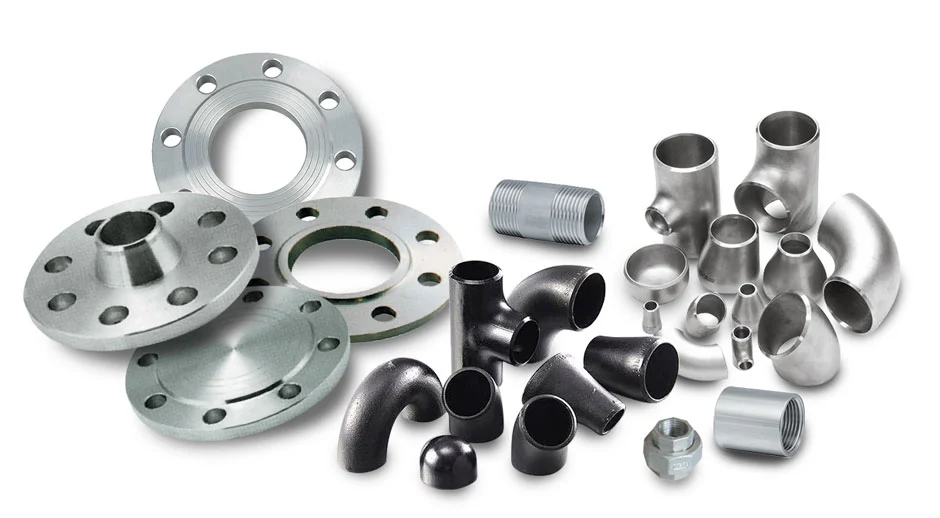
Understanding the Role of Torque in Flange and Fitting Integrity
Torque is the controlled spinning force that is put on bolts, creating the clamping load that is needed to keep flange joints leak-tight. In industrial pipe systems, this mechanical force squeezes the gasket material between two flange faces that fit together, filling in tiny surface imperfections and creating a barrier against fluids under pressure. The science behind this process depends on turning rotational force into axial bolt tension, which must stay within very specific limits in order to keep the sealing efficiency and material yield strength in balance.
How Does Torque Affect Sealing Performance?
When you tighten the bolts correctly, the gasket is compressed evenly across the whole closing surface. When the installation teams use measured tools to reach the required torque value, the gasket deforms in a predictable way, adjusting to the irregularities on the flange face while still being flexible enough to handle thermal expansion. This balanced state stops gasket extrusion due to excessive gasket compression and stops leaks from happening because of not enough compression. Studies of industrial piping failures indicate that a significant percentage of flange leaks are related to improper bolt loading during assembly.
Load Distribution and Joint Stability
When you use the right torque sequence, the tightening forces are spread out evenly around the bolt circle, which keeps the gasket from distorting and the flange from bending. Cross-pattern tightening, which involves going across the bolt circle diagonally instead of around the edge one step at a time, makes sure that the load is transferred evenly. This method is especially important for links with a bigger diameter, since uneven bolt loads can cause bending moments that weaken the joint over time. Components made to ASME B16.5 standards have design features that help distribute load correctly when workers follow the instructions for applying force.
Common Causes of Flange and Fitting Failures Related to Torque
Torque-related problems can happen a lot in industrial settings, especially when installation teams don't have the right training or tools. It's often only a few foot-pounds of force that separate a good seal from a catastrophic failure, which is why accuracy is so important.
Over-Tightening and Material Damage
When force is too high, gasket materials are crushed beyond their elastic limit, destroying the tiny structure that seals. Overtightened bolts also have stress clusters that make fatigue cracking happen faster, especially in settings with repetitive loading like steam systems or pulsating flow. When torque levels are excessively high, carbon steel flanges made from ASTM A105 material may experience localized yielding or flange-face distortion, making it almost impossible to reseal them properly. We have records of eager installers who made connections that were "extra tight" because they thought that extra force would provide extra safety, only to cause leaks right away that needed expensive fixes.
Under-Tightening and Gasket Blowout
Fluids under pressure can lift the flange faces apart, pushing gasket material outward in a failure mode known as "blowout" in flanges and fittings. This mode of failure happens quickly, usually during pressure testing or system startup, putting nearby people in great danger. Under-torqued connections also let matching surfaces move slightly, which causes fretting corrosion that damages both the flange faces and the bolts. When installation teams are pressed for time, they don't always check the torque properly, relying instead on "feel" or impact tool settings that can be very different depending on the thread state and operator technique.
Environmental Factors Affecting Torque Retention
When the temperature changes, the bolts, flanges, and gaskets all expand at different rates, making the original clamping force less strong over time. At elevated temperatures, stress relaxation can occur more rapidly,and certain applications require periodic verification of bolt load in accordance with operating procedures to maintain optimal joint integrity.Corrosive conditions damage bolt threads and nut faces, making friction higher and changing the link between torque and tension. When setting up repair schedules, chemical processing plants that use strong media need to take these ways of breaking down into account. Vibration from moving parts or pulsing flow can also loosen bolts over time, especially if the installers don't use the right thread lubricants or locking mechanisms.
Best Practices for Applying Proper Torque to Flanges and Fittings
For flange connections to work, you need to follow a set of steps that take away the need for guessing. To make sure every joint meets performance standards, professional installation methods include the right preparation, calibrated tools, and written confirmation.
Pre-Installation Preparation Steps
Assembling something well starts long before the wrenches touch the screws. Inspection teams check the condition of the flange face, looking for damage like scratches, rust, or warping that could make sealing less effective. The right material grades are chosen for the gasket based on the temperature, pressure, and chemical compatibility of the working circumstances. Because changes in friction have a big effect on the torque-tension relationship, bolt threads are checked for damage and oiled properly. Surfaces that are clean and dry keep contamination from getting in the way of gasket compression, and proper alignment eliminates angular misalignment that causes uneven loads.
Torque Application Methodology
As required by industry standards, multiple passes must be made to tighten the bolts in a way that keeps the joint balanced. When loads are added one at a time, the star pattern method works across bolts that are not touching, preventing gasket distortion. The first passes reach about 30% of the total torque, with the next rounds at 60% and 100%, allowing the gaskets time to settle and shift the compression forces. For flange assemblies, installers should follow the manufacturer's torque recommendations and applicable assembly guidelines, such as ASME PCC-1, to tighten bolts based on size, material type, and pressure class. Carbon steel flanges typically require different torque values than stainless steel flanges, and RAYOUNG sends full technical paperwork with every order to provide solutions that meet these exacting needs.
Maintenance and Monitoring Programs
Prevention care makes joints last longer and stops them from breaking down without warning. Start-ups, shutdowns, and process upsets are all examples of thermal cycling events that set off planned retorquing activities. Leak detection systems find problems before they become major, so repair teams can fix them before they get worse. Vibration analysis uses specific frequency fingerprints to find loose connections, and ultrasonic bolt tension measures check the binding force without taking the part apart. Documentation systems keep track of the past torque, which helps with reliability research and efforts to keep getting better.
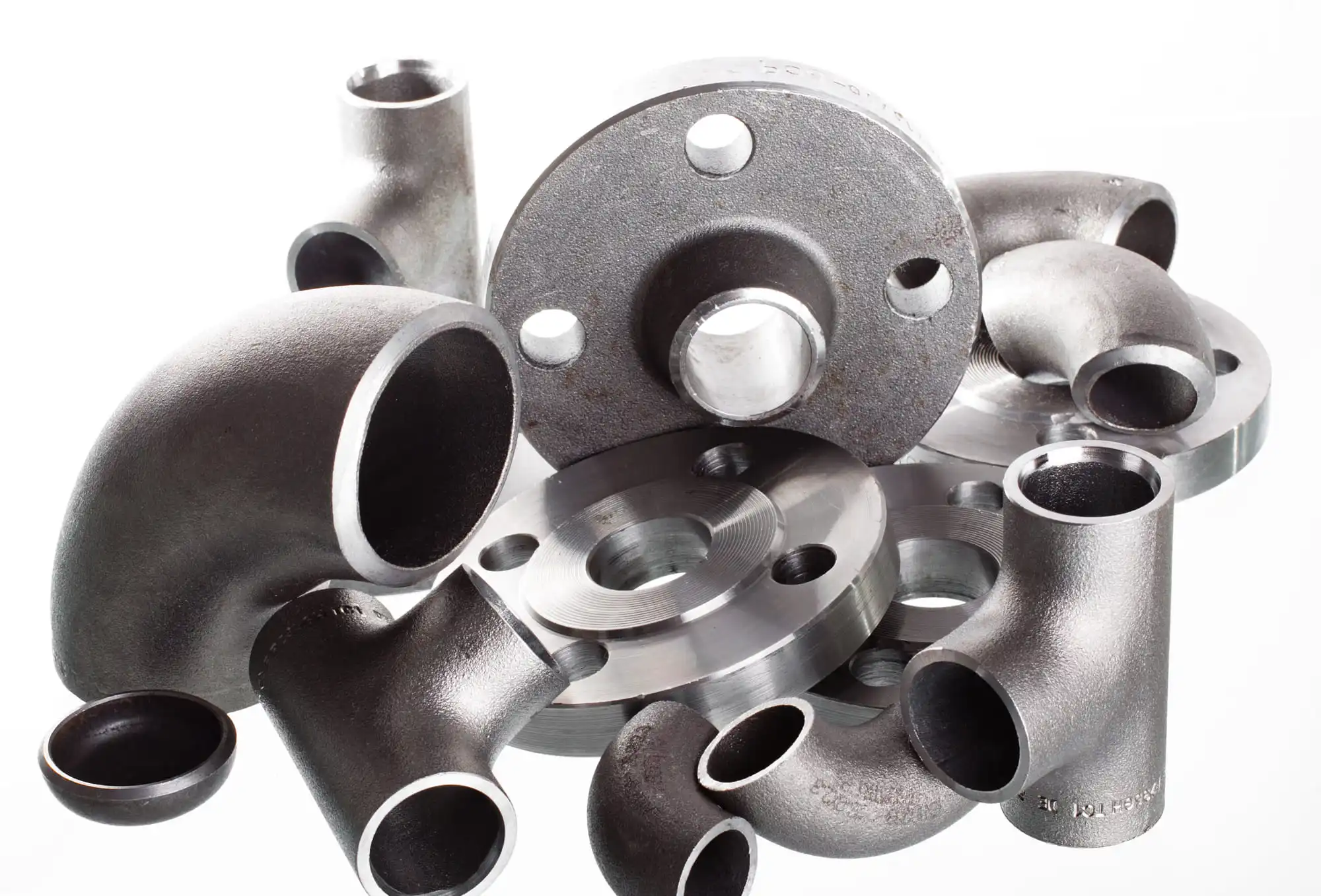
Material and Design Considerations When Managing Torque Requirements
The choice of components, including flanges and fittings, has a big effect on how well the power works and how reliable the system is. The right assembly factors are set by the material qualities, the flange shapes, and the pressure ratings.
Material Properties Under Torque Stress
Stainless steel flanges don't rust, but they need different torque values than carbon steel versions because they tend to gall more and expand differently when heated. Alloy steel types are stronger in high-pressure situations and can handle higher bolt loads without permanently changing shape. Forged construction aligns the grains in a way that makes them more resistant to fatigue than cast options, which is why forged flanges are better for important applications. Surface processes also affect bolt-load retention; parts finished with sandblasting and anti-rust oil have uniform friction, while epoxy or water-based eco-friendly paint systems protect against corrosion without interfering with closing surfaces.
Flange Type Selection Impact
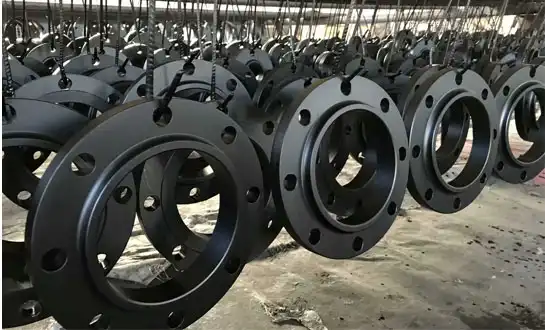
When you use weld neck flanges, the stress is spread out over a wider area, lowering the concentration factors that could cause cracks when high torque loads are applied. Slip-on versions are easy to install, but you need to be careful with the force to keep the hubs from coming apart. Blind flanges are used to seal the ends of pipelines and rely on proper gasket selection and bolt loading to achieve leak-tight performance. Instead of bolted joints, threaded connections rely primarily on thread engagement rather than bolted flange loading. Custom designs meet the specific needs of a project that can't be met by regular components, such as large-diameter elbows or reducing tees that cause uneven loading conditions and need different bolt-tightening steps.
Procurement Insights: Ensuring Quality and Support When Ordering Flanges and Fittings
For a project to be completed successfully, it needs relationships with suppliers that go beyond just delivering products. Professional sellers are different from common vendors because they have quality standards, expert support, and dependable transportation.
Supplier Qualification Criteria
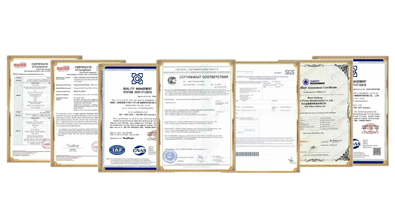
The certification agreement shows that the production process is well-developed and the quality system is fully mature. The CE/PED 2014/68/EU mark proves that the pressure equipment meets the requirements for European markets, and the ISO 9001 certification shows that the process is consistently controlled. GOST-R approval lets you sell in the Russian and CIS markets, and client-specific approvals from NIOC, ADNOC, and PETROBRAS show that the product has worked well in tough situations. Material tracking links produced goods to mill test reports, heat treatment records, and dimensional inspections, while EN 10204 3.1 inspection documents ensure complete material transparency and traceability.
Custom Manufacturing Capabilities
For complicated jobs, parts that aren't usually in catalogues are often needed, and responsive providers offer technical support to help come up with workable solutions that balance performance needs with cost limitations. Custom sizes can be made to fit specific hole needs, non-standard pressure values, and different types of materials, including flanges and fittings. RAYOUNG has been making pipe fittings for decades and has built a name as a reliable company that works with EPC contractors, government infrastructure projects, and industry end users. No matter the size of the order, our production ability can handle projects ranging from small upkeep tasks to building whole plants, with a structured quality management system certified to ISO 9001:2015.
Conclusion
Using the right amount of torque is what makes the difference between good and costly piping installations. Every step of the building process needs to be done with organized attention to the technical rules that govern gasket compression, bolt tensioning, and load distribution. The torque needs are affected by the type of material used, the shape of the flange, and the environment, which means that engineering research must be tailored to each set of service conditions. Purchasing plans that focus on the quality of suppliers, expert support, and detailed documentation help keep projects on track and within budget, and they also make sure that the suppliers will be reliable in the long run.
FAQ
1. What torque values should I use for standard industrial flange connections?
Specifications for torque depend on the type of gasket, the material grade, the flange pressure class, and the bolt diameter. The ASME PCC-1 document has detailed force tables for typical setups. Torque values vary significantly depending on gasket type, lubrication condition, bolt material, flange class, and assembly procedure, but this can change depending on the application. Instead of using generic numbers, you should always look at the manufacturer's instructions and technical standards.
2. How often should bolts be retorqued to maintain joint integrity?
Once heat cycling has stopped and the gaskets have completed their initial compression set, where retorquing is required, the timing should follow the gasket manufacturer's recommendations and the facility's maintenance procedures. The next check-in times rely on how often the service is done; high-temperature uses may need checks every three months, while ambient services only need checks once a year. Systems that go through a lot of changes in temperature or pressure need more careful tracking than systems that run in a steady state.
3. Can incorrect torque cause permanent damage?
Of course. Over-tightening destroys bolt threads, permanently breaks seals, and warps flange faces, which means that the parts need to be replaced. When you under-tighten, the gasket can come out of the seal, and pitting corrosion can happen, which damages the sealing surfaces beyond repair. Quality parts made to recognized standards can handle some differences, but major mistakes cause problems that need a lot of work to fix.
Partner With RAYOUNG for Reliable Flanges and Fittings Solutions
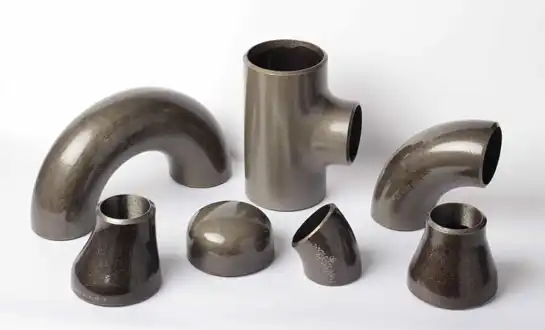
Picking the right flanges and fittings provider is the first step to making sure your pipe systems work safely and well. RAYOUNG provides precisely engineered components compliant with ASME B16.5, ASME B16.9, EN 10253, and GOST standards, crafted from carbon steel, alloy steel, and stainless steel with protective coatings on the outside. Our wide range of products, such as buttweld elbows, reducers, tees, and special designs, comes with full technical paperwork to help you use the right amount of torque. Our engineering team can help you turn your project's guidelines into successful setups, no matter if it needs standard catalogue items or custom designs. Email us at info@hb-steel.com to talk about your needs with skilled experts who are dedicated to providing high-quality goods and quick service that keeps projects on track.
References
1. American Society of Mechanical Engineers. (2019). ASME B16.5: Pipe Flanges and Flanged Fittings: NPS 1/2 Through NPS 24 Metric/Inch Standard. New York: ASME Press.
2. American Society of Mechanical Engineers. (2017). ASME PCC-1: Guidelines for Pressure Boundary Bolted Flange Joint Assembly. New York: ASME Press.
3. Bickford, J.H. (2008). Introduction to the Design and Behavior of Bolted Joints: Non-Gasketed Joints, Fourth Edition. Boca Raton: CRC Press.
4. Brown, W.F. & Srawley, J.E. (2020). Flange Joint Design and Analysis for Pressure Vessels and Piping Systems. Houston: Gulf Professional Publishing.
5. European Committee for Standardization. (2018). EN 10253: Butt-welding Pipe Fittings – Part 2: Non-alloy and Ferritic Alloy Steels with Specific Inspection Requirements. Brussels: CEN Publications.
6. Payne, J.R. (2016). Piping Systems Manual: A Comprehensive Guide for Design, Installation, and Maintenance. New York: McGraw-Hill Education.

Need a quote? Want to see samples? Just say hello. We’re friendly. We’re fast. And we’re ready when you are.
Welcome to RAYOUNG – Strong Pipes, Stronger Promise