What do steel pipe flange pressure ratings mean in Practice?
Steel pipe flange pressure ratings show the highest pressure that a flange can safely handle while it is in use at certain temperatures. These grades, which are put into standard groups like 150, 300, and 600, are controlled by well-known standards like ANSI, API, and ASME. It is very important for procurement managers and engineering teams to understand these categories because making the wrong choice can cause catastrophic system failures, safety issues, and project delays that significantly impact project budgets and timelines.
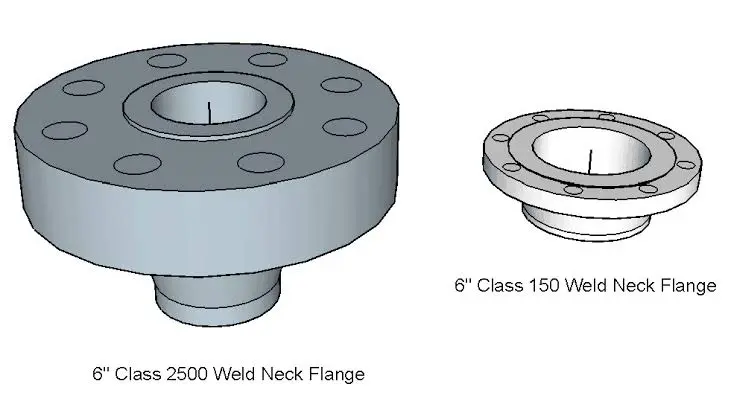
Understanding Steel Pipe Flange Pressure Ratings
What Defines a Pressure Rating Class?
The link between pressure and temperature for flange function is set by the pressure rating classes. For ASTM A105 carbon steel, Class 150 flanges are rated for a maximum pressure of 285 psi at ambient temperature, while Class 300 flanges can withstand up to 740 psi under the same conditions. These numbers don't really show job pressure; they're just a common way to group things. Capacity is greatly affected by temperature; as working temperature rises, allowed pressure falls according to specific derating curves written in ASME B16.5 standards.
Standard Specifications Governing Flange Ratings
Specifications for flanges are set by a number of foreign standards. Pipe flanges and flanged fittings from NPS 1/2 to NPS 24 are covered by ASME B16.5; larger diameter flanges are covered by ASME B16.47. The API 6A guidelines are only for wellhead and Christmas tree tools used in oil and gas fields. In Europe, DIN standards are the most important, while JIS standards govern Japanese industrial installations. Each standard specifies limits for dimensions, material needs, and testing methods that make sure that products can work with each other and that safety rules are followed.
Interpreting Pressure-Temperature Charts
Pressure-temperature figures show the important information needed to choose a safe joint. The charts below show how the highest working pressure for different materials changes as the temperature changes. When heated, carbon steel flanges can't hold as much pressure. For example, a Class 300 flange that can safely hold 740 psi at 100°F might only be able to handle 480 psi at 600°F. To make sure that working conditions are compatible, procurement teams must compare them to models given by manufacturers. They must also take into account pressure spikes, temperature cycling, and environmental stresses that can affect long-term performance.
Comparison and Selection of Appropriate Steel Pipe Flange Pressure Ratings
Selecting the correct pressure class is a critical decision in piping design. Choosing between Class 150 and Class 300flanges has a big effect on the cost and safety of the job. Class 150 flanges are made of lighter materials, cost less to make, and are easier to install because they need fewer bolts. It is possible to put a lot more pressure on Class 300 flanges, and they hold up better under heat stress. This comparison goes beyond the price of the initial purchase—lighter flanges require less structural support, while heavier-duty choices require less upkeep and replacement over time. You should choose based on your risk tolerance, upfront investment, and lifetime costs.
Selecting Based on Operating Conditions
Intelligent hinge selection is based on operational factors. For example, steel pipe flange pressure ratings need to be thought out differently for high-pressure steam systems, chemical processing plants that use corrosive fluids, and cold-weather uses. The environment is very important. For example, saltwater corrosion can happen in marine sites, so they need special coatings or better materials. In batch processes, thermal cycling speeds up wear and tear, so higher safety factors are needed. Over time, vibrations from pumps or compressors can loosen connections. This is why choosing the right face type and seal is just as important as the pressure number.
ANSI vs. API Rating Differences
ANSI and API standards are used in different fields that have different testing needs. ANSI flanges are qualified by hydrostatic testing to make sure they can handle pressure, but API flanges are qualified under stricter requirements, including product specification levels (PSL), pressure ratings, material traceability, and performance testing for wellhead service and gas-tight performance proof. API 6A flanges have extra marks that show the pressure rating, material class, and temperature rating. They also have stricter traceability rules than the ANSI standards. Knowing these differences will help you avoid making specification mistakes when working on projects that involve more than one business. For example, using ANSI flanges in upstream oil and gas use could be against the law and void your insurance coverage.
Practical Application and Procurement Insights for Steel Pipe Flange Pressure Ratings
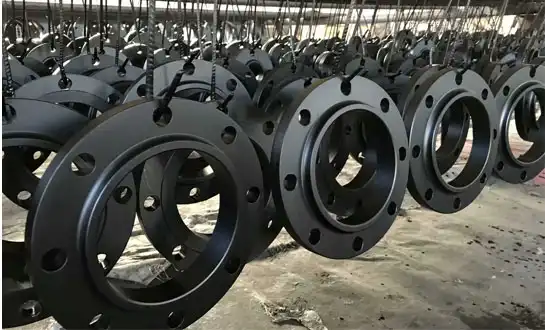
To optimize B2B procurement, precise specification documentation is essential. For buying to work well, there must be detailed specification documents. Project engineers need to figure out the working pressure, temperature range, fluid properties, cyclic loading patterns, and rules that apply. These factors guide the choice of material: carbon steel is cheap and good for general uses, while stainless steel types protect against rust. Choosing the right face type is very important for closing functions. RAYOUNG makes ANSI, DIN, and JIS standard flanges with three important facing options: raised face (RF) for general uses, flat face (FF) for pipe materials that are easily broken, and ring-type joint (RTJ) for high-pressure systems that need to seal metal to metal. Our CNC-machined sealed surfaces have very close standards for finish, which means that connections will never leak during their service life.
Lead Times and Availability Considerations
Planning the supply line keeps projects from being late. It usually takes two to four weeks for standard pressure classes made of common materials to ship from reputable sources. Lead times can be eight weeks or longer if you need special materials, non-standard sizes, or finishes that aren't available on the market. Hot-dip galvanizing takes longer to do but greatly increases the service life in harsh settings. It protects against corrosion better for outdoor installs. Smart procurement managers involve suppliers in the planning stages of a project. This way, they can get delivery promises that work with the building plans and still allow for changes made by engineers.
Quality Certifications and Supplier Evaluation
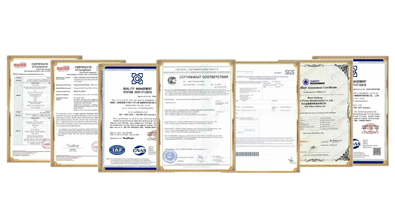
Supplier selection has a direct effect on the risk of the project. ISO 9001:2015 approval shows that quality management is done in a planned way, and API logo programs make sure that manufacturers can make things that are needed for important uses. Material test certificates (MTCs) show the chemical makeup, mechanical qualities, and physical compliance of a product from the time it is first made until it is inspected and approved. For every flange that RAYOUNG makes, they keep full MTC paperwork. This allows for full traceability that meets the strictest audit standards. Technical support is what sets great providers apart from average ones. Engineering help with things like reviewing specifications, checking pressure-temperature relationships, and fixing problems with applications adds a lot of value beyond the price of the product.
Case Studies and Industry Best Practices
A large plant on the Gulf Coast had problems with a high-temperature catalytic cracker unit that was working at 650°F and 480 psi. The original Class 150 flanges, which were properly rated when they were installed, had become less strong after fifteen years of temperature cycles. A study by engineers showed that changing the temperature lowered the effective pressure capacity below working levels during startup transients. Changing to Class 300 RTJ flanges with an Inconel overlay gave us the pressure cushion and corrosion protection we needed. The project got rid of unexpected shutdowns, and the cost of the investment was paid back in eight months by higher uptime and less maintenance work.
Chemical Processing Plant Expansion
A company that makes specialty chemicals, which was increasing its production capacity, first asked for Class 300 flanges, based on steel pipe flange pressure ratings, to be used throughout their new process train to make managing their inventory easier. A review of value engineering showed that 40% of the connections worked below 200 psi at normal temperatures, which meant that Class 150 could be used instead. This optimization reduced procurement costs by $47,000 while keeping safety levels at the right level. The engineering team made a clear decision criteria based on pressure-temperature operating windows. They also wrote documents that made it easier for future growth and made their specification process more consistent.
Municipal Water Treatment Facility
A local water authority gave a contract to update a water treatment plant, but the budget was very limited. The initial tender specified solid stainless steel flanges, which significantly inflated project costs. A review of the materials showed that hot-dip galvanized carbon steel flanges were suitable for potable water service with corrosion protection provided by galvanizing at a third of the cost. The galvanized coating was expected to provide long-term corrosion protection depending on environmental conditions, which met the requirements for lifetime cost and met the criteria for drinking water contact. This material optimization turned savings into more instruments that made process control and working performance better.
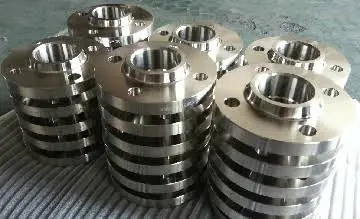
Top Global Steel Pipe Flange Pressure Rating Brands and Suppliers
Leading makers set themselves apart with quality processes, certifications, and the ability to test their products. Holders of the API 6A logo are periodically checked to make sure that the manufacturing processes, quality control methods, and systems for tracking products are correct. Pressure tanks and pipe parts that are certified by ASME show that the company knows how to do engineering and inspections properly. International companies that sell goods in the U.S. have to deal with ASTM material specs, ASME measurement standards, and different types of industry-specific requirements. When it comes to answering questions about specifications and coordinating deliveries, suppliers with expert staff in the United States can offer quick help that companies with operations only in other countries can't match.
Building Strategic Supplier Relationships
Long-term relationships with suppliers have benefits that go beyond just buying things once. When markets are tight, preferred sellers offer priority scheduling for production, expert teamwork on custom designs, and streamlined buying processes that lower administrative costs. Through vendor-managed exchange programs, volume agreements let you get better prices and keep your inventory flexible. For years, RAYOUNG has been a reliable manufacturer of forged steel flanges for the United States and global markets. They have built relationships with customers that turn procurement from a cost center into a competitive edge through new ideas, dependability, and working together to solve problems.
Regional Supply Considerations
Choosing a provider based on their location changes total landed costs, the reliability of shipping, and the strength of the supply chain. Manufacturers in the United States offer shorter lead times, easier contact, and no import taxes or foreign exchange risks. International sellers may offer lower prices on big orders, but they need more time to plan and more complicated procedures to coordinate. These factors are balanced by having main and secondary suppliers in different areas. This lowers the risk of market disruptions caused by events such as natural disasters, changes in trade policy, or a lack of capacity. The best brands and suppliers of steel pipe flange pressure ratings around the world understand these regional dynamics.
Conclusion
Steel pipe flange pressure ratings are the basis for designing safe and effective piping systems in a wide range of industrial settings. Understanding classification systems, choosing the right rates for the job, and working with qualified sources all have a direct effect on the success of a project by lowering risk, lowering costs, and improving safety. There are differences between pressure classes, face types, and material specs that need to be carefully looked at in the context of the working conditions. RAYOUNG makes flanges to exact specifications that meet ANSI, DIN, and JIS standards. These flanges come with RF, FF, and RTJ facings and are backed by full MTC traceability and ISO 9001:2015 quality systems that help your project needs from design to completion.
FAQ
1. What is the difference between Class 150 and Class 300 flanges?
Class 150 flanges can handle lower pressures and are made of lighter materials. Class 300 flanges can handle about twice as much pressure and are made of stronger, more durable materials. The real difference in pressure depends on the temperature. In normal settings, Class 150 can handle about 285 psi, while Class 300 can handle 740 psi. As you move up in classes, the material thickness, bolt circle diameter, and number of bolts all go up.
2. How does temperature affect flange pressure ratings?
Through derating curves, temperature greatly lowers the allowed working pressure. At 100°F, carbon steel Class 300 flanges can handle 740 psi. At 600°F, they can only handle about 480 psi. When temperatures rise, the hardness of the material decreases, so lower working pressures are needed to keep safety factors the same. Always look at pressure-temperature charts to find out about specific types of materials and how they should be used.
3. Can ANSI flanges be used with DIN flanges?
ANSI and DIN flanges have different size requirements and cannot be used together directly. Different standards have different requirements for bolt hole designs, flange sizes, and thickness. Mixing standards leads to misalignment, poor bolt contact, and the possibility of leaking. System design should always use the same standard, and transitional pieces should only be used when they are really needed.
Partner with RAYOUNG for Reliable Steel Pipe Flange Pressure Rating Solutions
As a reliable provider of steel pipe flange pressure ratings that can meet ANSI, DIN, and JIS standards, RAYOUNG is ready to help you with your buying needs. Our high-quality manufacturing includes CNC-machined sealing surfaces that make sure exact tolerances are met, full MTC tracking that meets strict paperwork requirements, and hot-dip galvanizing options that make products last longer in corrosive environments. For detailed product catalogues, custom quotes, and engineering help that matches flange specs with your project needs, contact our technical team at info@hb-steel.com. They will deliver quality, compliance, and on-time performance that minimises risk and maximises value.
References
1. American Society of Mechanical Engineers (ASME). "ASME B16.5: Pipe Flanges and Flanged Fittings NPS 1/2 Through NPS 24 Metric/Inch Standard." 2020 Edition.
2. American Petroleum Institute (API). "API Specification 6A: Wellhead and Christmas Tree Equipment." 21st Edition, 2018.
3. Deutsches Institut für Normung (DIN). "DIN 2632-2635: Steel Pipe Flanges and Flange Connections." German Institute for Standardization, 2010.
4. Japanese Industrial Standards Committee (JIS). "JIS B2220: Steel Pipe Flanges." Japanese Standards Association, 2018.
5. Becht Engineering. "Flange Pressure-Temperature Ratings and Material Selection for Process Piping Systems." Mechanical Engineering Technical Journal, Vol. 34, 2019.
6. Piping Technology & Products Inc. "Comprehensive Guide to Flange Pressure Ratings and Temperature Derating in Industrial Applications." Industrial Engineering Press, 2021.

Need a quote? Want to see samples? Just say hello. We’re friendly. We’re fast. And we’re ready when you are.
Welcome to RAYOUNG – Strong Pipes, Stronger Promise