Slip On Flange vs Weld Neck: Which Fits Your Project?
The safety, cost, and long-term performance of the project are directly impacted by your choice of slip-on flange vs weld-neck. Slip-on flanges provide an economical and straightforward solution for low-to-moderate pressure systems, whereas weld neck flanges offer better mechanical stability for tough, high-pressure settings. When procurement teams know how each type of flange transfers stress, handles extreme working conditions, and fits your specific application needs, they can make choices that are less risky and more valuable for industrial pipe projects.
Introduction
Choosing the right type of flange is an important step in designing and buying an industrial pipe system. This detailed comparison looks at slip-on flanges and weld-neck flanges from the point of view of how they are used in real life. It is meant to help engineers, purchasing managers, and distributors figure out the technical and business factors that lead to good project results. We look at the basics of design, design differences, cost effects, and suitability for use to help you figure out which flange setup will work best for your needs.
There is more and more pressure on industrial sellers to finish jobs on time, on budget, and to strict safety standards. The process of choosing flanges affects all costs, from the original investment to the costs of repairs over the life of the product. By knowing the main differences between these two common types of flanges, procurement professionals can balance different goals and make sure that pipe connections are reliable and compliant in a wide range of industrial settings.
Understanding Slip-On and Weld-Neck Flanges
What makes these flanges work well and what they can be used for is largely determined by how they are built. Purchasing professionals can more accurately match goods to project needs when they are aware of these changes in design.
Design Characteristics of Slip-On Flanges
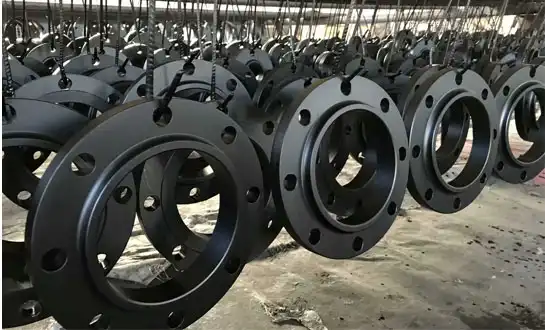
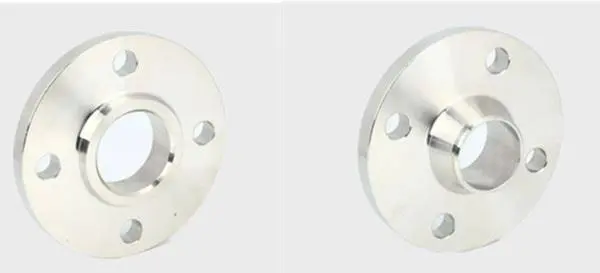
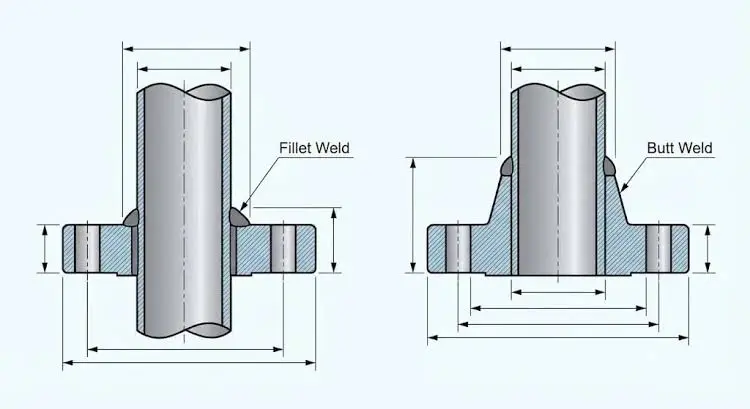
Slip-on flanges are easy to put together;the pipe is inserted into the flange bore, and then welding takes place both inside and outside the connection point. The inside diameter of the flange is a little bigger than the outside diameter of the pipe. This makes a gap that lets fillet welding happen on both sides. This design makes alignment easier during installation and lowers the level of technical skill needed to put it together correctly. Slip-on flanges are made mostly of carbon steel, stainless steel, and alloys. They meet ASME B16.5 and other applicable ASME standards and offer dependable connections for systems that work in mild pressure and temperature ranges.
Engineering Principles Behind Weld Neck Flanges
Weld-neck flanges are different because they have a long, curved hub that sticks out from the base of the flange. This curved neck changes the thickness of the pipe wall from the flange face gradually. This makes a continuous structural path that completely changes how the connection handles stress. A weld neck flange bore aligns perfectly with the pipe's inside diameter and wall thickness, so there are no gaps or steps at the joint. This exact matching of the bores makes flow paths that are smooth, which lowers turbulence and erosion and allows full radiographic inspection of the butt weld joint. The curved hub shape moves stress from the base of the flange to the pipe itself, making the point where the flange meets the pipe much less stressed.
Material Specifications and Standards Compliance
Carbon steel grades (A105 and A350 LF2), stainless steel series (304, 316, and 321), and special alloys for acidic or high-temperature conditions are all available in both types of flanges. Manufacturing standards set by ASME B16.5, ASME B16.47, and API guidelines make sure that measurements are always the same and that materials can be tracked back to their source. Procurement teams should make sure that providers give them mill test certificates, material composition reports, and compliance paperwork that shows they are following the rules and meeting the needs of the project.
Key Differences and Comparative Analysis
By comparing these flange types in a slip-on flange vs weld-neck comparison across a number of performance factors, you can see how design choices affect how projects turn out in the real world. It gives people who have to make decisions a way to look at the trade-offs between cost, performance, and installation difficulty.
Mechanical Strength and Stress Distribution
Weld-neck flanges are very good at mechanical performance because of how they distribute stress. When there is a lot of high stress at the base of the flange, which usually leads to fatigue failure in other types of flanges, the curved hub spreads that stress out across the pipe. Because of this, weld-neck flanges are the best choice for systems that are under a lot of mechanical stress, temperature cycles, or changes in pressure. Testing done by a third party shows that weld-neck connections can handle fatigue loads a lot better than slip-on options, especially when temperatures change or there is shaking.
On the other hand, slip-on flanges put more stress on the fillet welds. They work fine for steady, low-pressure tasks, but this pattern of stress concentration makes them less useful in tough operating situations. The dual fillet welds are strong enough for mild service conditions, but they can't compare to the structural stability of butt-welded weld-neck links.
Installation Complexity and Labor Requirements
Installation speed is an important factor to think about, especially for jobs with limited access to specialized welding knowledge or tight deadlines. Slip-on flanges are very helpful because they make fitting much easier. The slip-over design makes pipe alignment easier and reduces fit-up requirements because small changes in length can be handled in the flange hole. Standard structural welders can perform slip-on flange installations, minimizing on labor costs and speeds up project timelines.
When installing a weld neck flange, fit-up precision is more precise. Pipe ends need to be beveled correctly, and trained welders are needed for the butt weld so that the joins look good on x-rays and pass strict non-destructive tests. Longer assembly times and specialized labor needs raise the initial cost, but they offer better long-term stability that makes the investment worthwhile in serious situations.
Cost Considerations Across Project Lifecycle
Slip-on flanges clearly have lower initial purchase costs. Their lower unit prices come from an easier manufacturing process and less need for materials. This makes them appealing for projects on a budget where pressure and temperature conditions allow them to be used. The cost of fitting labor is cheaper for slip-on flanges because they are easier to put together and require less welding than other types of flanges.
It costs more to make weld-neck flanges because they need more material in the curved hub, and the manufacturing process is more complicated. A lifecycle cost study, on the other hand, often shows that weld-neck flanges are a better deal in tough situations. Their higher resistance to fatigue makes it less likely that they will break down before they should, which cuts down on costly unplanned repair, production downtime, and safety issues. The ability to perform radiographic inspection of weld-neck joints ensures quality and lowers project risk in important systems.
Application Scenarios: When to Use Each Flange?
When you choose the right plate for the job, you get the best performance, safety, and value for your money. Knowing the needs of a certain business helps procurement pros choose the right parts that meet both technical and regulatory standards.
Optimal Environments for Slip-On Flanges
When the pressure is mild, the temperature stays stable, and there isn't much mechanical stress on the flanges, they work consistently. Slip-on flanges are frequently used in distribution networks at water treatment plants where pressures stay below 300 PSI, and temperatures stay within normal ranges. Slip-on flanges are a cost-effective and quick way to install HVAC systems, especially in commercial facilities where replacements can be made easily if needed.
Slip-on flanges are used in non-critical support systems in chemical processing plants, such as drain headers, instrument air distribution, and cooling water lines. In these situations, the working conditions are usually steady, with no big changes in temperature or pressure that could damage the flange. When operating conditions are within their performance range, the lower starting cost of slip-on flanges makes economic sense.
Critical Applications Requiring Weld Neck Flanges
Weld-neck flanges are the only ones that can be used in high-pressure oil and gas piping systems when considering slip-on flanges vs weld necks. Upstream oil and gas production, midstream pipeline transportation, and downstream refining processes often put pressures on flanges that are higher than 1,000 PSI. Pipe weight, thermal expansion, and ground movement also put a lot of mechanical stress on flanges. Weld-neck flanges can withstand stress, which stops wear failures that could lead to catastrophic releases.
Weld-neck flanges are the only way for petrochemical processing units that work with explosive, toxic, or high-temperature fluids to make sure their integrity isn't compromised. When connections break in reactors, distillation columns, and heat exchangers, it can be very dangerous to people and the environment. Radiography or ultrasound testing can be used to do volumetric weld checking, which is an important quality check for these important systems.
In the steam delivery networks of power plants, weld-neck flanges are used. Extreme thermal and mechanical stress is put on superheated steam that is over 1,000°F and under pressures of over 2,000 psi. The tapered hub design allows for thermal expansion and contraction during starting, operation, and stop processes without affecting the strength of the seal or the structure.
Procurement Insights for B2B Buyers
To successfully buy flanges, you need to know what the suppliers can do, how the market works, and the quality control steps that make sure the products are reliable and follow the rules.
Supplier Selection and Quality Verification
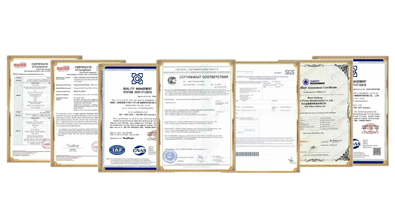
Reputable makers have quality control systems that are recorded and approved to ISO 9001:2015 standards. These systems keep an eye on where the materials come from, how they are made, and the final inspection. Teams in charge of buying things should give more weight to sellers who offer full material tracking through mill test records, chemical composition analysis, and mechanical property testing. Third-party approvals from groups like SGS or Lloyd's Register are an independent way to check that a product meets quality standards.
When you work with an original equipment manufacturer (OEM), you get better quality control, professional help, and the ability to make changes. When you work directly with a maker, you avoid having to pay markups to middlemen and can get engineering help for developing specifications and giving advice on how to use products. Larger stocks across size ranges and pressure classes are usually kept by established makers. This cuts down on lead times for standard setups.
Understanding Pricing Structures and Order Parameters
When you buy in bulk, you usually get bigger savings as you place more orders. The biggest price drops happen at certain levels that match the sizes of factory batches. The minimum order quantities (MOQs) depend on the maker and the specifics of the product. They can be small for common sizes or large for special materials or non-standard shapes. To get big discounts while keeping product options open, procurement teams can benefit from combining needs across projects.
Lead times change based on the supply of materials, the plan for production, and the complexity of the specifications. Standard carbon steel flanges in popular sizes can be shipped within two to four weeks from reputable sources that keep stock on hand. Lead times can be eight weeks or longer if you need custom products, non-standard sizes, or special testing standards. Long-lead things can be planned for strategically in order to avoid project delays and the costs that come with them.
Ensuring Regulatory Compliance and Documentation
International standards like ASME B16.5, ANSI B16.47, and API 6A set requirements for sizes, materials, and tests that make sure everything works together safely and securely. Specifications for purchases must include references to relevant standards and list any other needs for pressure levels, temperature ranges, or resistance to rust. Suppliers should show approved proof that they meet standards, such as material certificates and records on measurements.
ASME B31.3 (Process Piping) or B31.1 (Power Piping) codes apply to certain projects, including considerations such as slip-on flange vs weld neck. These projects have particular material and testing needs that buying teams must check with suppliers when they are qualifying them. Government and building projects often require domestic material content or "Buy American" compliance. This means that suppliers have to certify where the materials come from and where they were made.
Conclusion
Slip-on flange vs. weld-neck configurations take careful consideration of working conditions, installation needs, and lifetime costs. Slip-on flanges are a cheap option for moderate-pressure uses where ease of fitting and control over up-front costs are important. Weld-neck flanges offer better mechanical stability, stress distribution, and fatigue resistance, which are all very important for high-temperature, high-pressure, and critical service uses. To make sure that flange specs are in line with actual working conditions and that safety, compliance, and budget goals are met, which are what define project success, buying must be done in a way that matches technical requirements with business realities.
FAQ
1. Can slip on flanges handle high-pressure applications safely?
Slip-on flanges work well in low- to medium-pressure systems, but they can't always handle high pressure. Their fillet weld joints put a lot of stress on the welds, which means they can fail from fatigue when pressure loads or temperatures fluctuate. Weld-neck flanges are often preferred for higher-pressure, cyclic, or critical-service applications where additional fatigue resistance is required. to make sure there are enough safety gaps and long-term dependability.
2. How do I verify weld neck flange pressure ratings for my project?
Manufacturers give pressure-temperature ratings that follow ASME B16.5 guidelines. The ratings change based on the type of material, the temperature, and the flange class. Look over approved mill test records and material certificates that show material composition and how it works. Check that the flange class (150, 300, 600, etc.) meets or goes above the design pressure for your system with the right safety factors when it's in use.
3. What considerations apply when ordering flanges in bulk?
Check how reliable a provider is by looking at their production capacity, references, and quality standards. Make sure that the minimum order numbers match the needs of your project and the space you have for keeping. Make sure that lead times, payment terms, and delivery dates are all clear. You should ask for samples or proof of quality before placing a big order, especially when you are working with a new provider.
Partner with RAYOUNG for Reliable Flange Solutions.
RAYOUNG is ready to help you buy flanges because they have a wide range of products in both slip-on and weld-neck designs. Our ISO 9001:2015-certified production methods guarantee consistent quality, backed by strict inspection routines and full material tracking. Our engineering team can help you with technical questions to make sure you get the right design for your needs, whether you need standard carbon steel flanges for water systems or special alloy materials for tough petrochemical uses.
We keep a lot of stock of popular sizes and pressure classes, including options relevant to slip-on flange vs weld-neck applications, so we can quickly complete your orders and keep your projects on track. The ability to make things to order means that you can use non-standard sizes, materials, and testing needs. Our GOST-R and SGS certificates show that we follow export rules and meet quality standards that meet the needs of foreign buyers.
Email our team at info@hb-steel.com to talk about your particular application needs. We have low prices for large orders, open MOQ terms, and detailed technical paperwork that makes it easier to meet specifications and follow rules. As a flange maker and seller with a lot of experience, RAYOUNG provides high-quality parts and quick service that ensures projects are successful.
References
1. American Society of Mechanical Engineers. (2020). ASME B16.5: Pipe Flanges and Flanged Fittings: NPS 1/2 Through NPS 24 Metric/Inch Standard. New York: ASME Press.
2. Becht, C., & Slagis, G. (2018). Fatigue of Flanged Joints in Piping Systems: Analysis Methods and Design Criteria. Journal of Pressure Vessel Technology, 140(4), 041201.
3. Nayyar, M. L. (2019). Piping Handbook (8th ed.). New York: McGraw-Hill Education.
4. Stewart, M., & Arnold, K. (2021). Surface Production Operations: Design of Oil Handling Systems and Facilities (4th ed.). Houston: Gulf Professional Publishing.
5. American Petroleum Institute. (2018). API Standard 6A: Wellhead and Tree Equipment (21st ed.). Washington, DC: API Publishing Services.
6. Ellenberger, J. P., & Chuse, R. (2017). Pressure Vessels: The ASME Code Simplified (9th ed.). New York: McGraw-Hill Professional.

Need a quote? Want to see samples? Just say hello. We’re friendly. We’re fast. And we’re ready when you are.
Welcome to RAYOUNG – Strong Pipes, Stronger Promise