How to perform slip-on flange welding correctly?
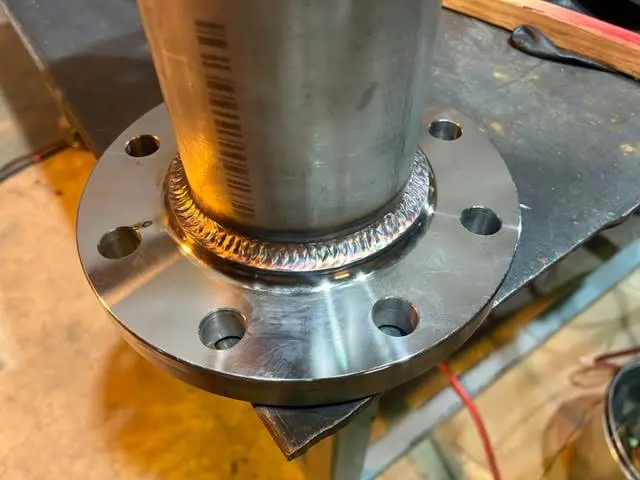
Preparing the surface is the first step in doing slip-on flange welding right. Make sure the pipe ends are clean and free of any debris. A precise setback (typically equal to the pipe wall thickness plus 1.6 mm) is maintained between the flange face and the pipe end before welding. Before doing the two fillet welds—one connecting the flange hole to the pipe outer diameter and the other connecting the flange hub to the pipe—tack welding holds the flange in place. Following the rules in ASME B31.3 and AWS D1.1 makes sure that the structure is strong. Visual, radiographic, or ultrasonic testing done after the weld proves the quality of the weld and makes sure that the links are leak-proof, which is important for high-pressure and high-temperature uses.
Introduction
Slip on flange welding is a basic method used in pipe systems in refineries, chemical plants, power plants, and major building projects. Proper welding techniques are very important for keeping the pressure stability and stopping major leaks. When doing global business-to-business purchases, it's important for buying managers, engineers, distributors, and project developers to know the technical needs and quality standards. This guide takes the mystery out of welding methods, international standards, and selection criteria. It gives people who make decisions the power to find reliable goods while keeping costs low and project risks low. Mastering these basics will help you make sure that safety rules are followed, deadlines are met, and the work lasts for a long time, whether you're in charge of big EPC projects or local installations.
Understanding Slip-On Flange Welding
What Makes Slip-On Flanges Unique?
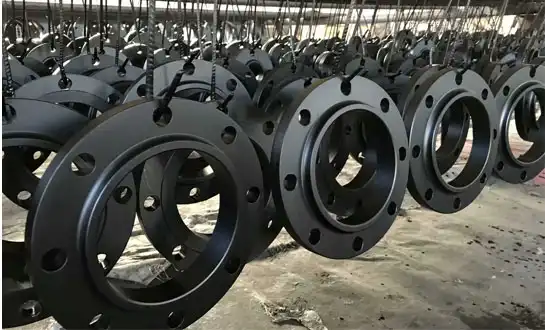
Slip-on flanges connect to pipes by sliding straight onto them. You don't need any extra tools or complicated installation steps. The design lets pipes join directly and securely, and it can handle moderate temperatures and pressures without leakage when properly designed and installed. Because they are so simple, they can be installed faster than weld neck options, which saves money on labour and speeds up the job. The flange hub has more welding surface area and can work with different pipe sizes and materials, such as carbon steel, stainless steel, and alloys.
The Welding Process Explained
To get a good weld, you have to follow a plan through several steps. As part of the preparation process, pipes must be cut to exact lengths, with straight cuts, and surfaces must be cleaned thoroughly to get rid of mill scale, rust, grease, and moisture. For slip-on uses, beveling the ends of the pipe isn't always necessary, but it can help the weld go deeper. It's very important to get the alignment right; the flange needs to be straight across from the centreline of the pipe and have even spacing all the way around. Before finishing the full fillet welds, tack welds at three or four evenly spaced points temporarily hold the flange in position. A primary weld joins the flange hole to the outside diameter of the pipe. A secondary weld then joins the back face of the flange to the surface of the pipe, forming a welded joint that, together with the gasket, provides sealing integrity.
Advantages for Industrial Applications
One of the best things about these flanges is that they are more cost-effective than weld-neck flanges. The costs of materials and assembly are usually 20–30% less. The simple alignment process cuts down on installation mistakes, which is especially helpful for small and medium-sized engineering firms that are trying to stick to tight budgets. Because these flanges can work with pressures ranging from 150 to 2500 PSI, they can be used for a wide range of applications, such as distributing water, moving natural gas, processing petrochemicals, and installing HVAC systems. Because they can be used with both carbon and stainless steel pipes, they can handle a wide range of environmental conditions, from room temperature to mild high-temperature services up to 400°C in typical designs.
Essential Procedures and Standards for Correct Welding
International Standards Compliance
ASME B31.3 sets the rules for slip-on flange welding and welding process pipes. It says how the joints should be designed, how the welding process should be done, and who can be a welder. AWS D1.1 provides structural welding code requirements for steel structures and supporting frameworks. ISO 9606 defines welder qualification requirements for fusion welding, ensuring global consistency of welding personnel certification. This makes sure that skill levels are the same on all global projects. People who work in procurement should make sure that sellers have the latest certifications, such as the ASME U-stamp authorisation for pressure tank parts and the API 6A compliance for wellhead equipment uses. Traceability of documentation, such as mill test results, welding process specifications, and radiographic film records, is very important during audits and regulatory inspections.
Recommended Welding Techniques
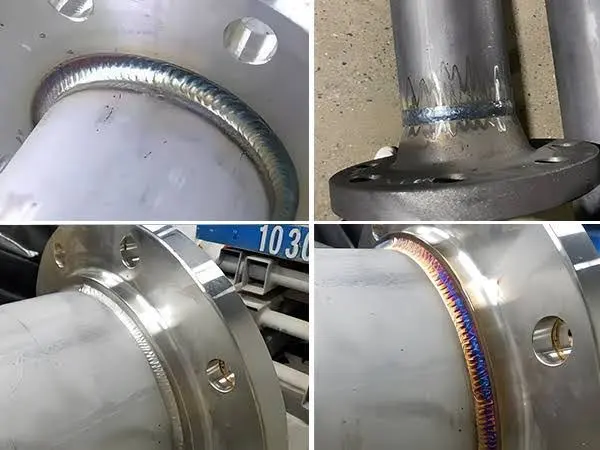
Slip-on flanges are mostly used for fillet welds, and leg sizes range from 3 mm to 10 mm, based on the thickness of the pipe wall and the pressure values. SMAW (Shielded Metal Arc Welding) is still commonly used for field setups because the equipment is portable and doesn't get damaged by wind. In a controlled workshop setting, Gas Metal Arc Welding (GMAW) provides faster formation rates and better welds. Gas Tungsten Arc Welding (GTAW) is the best way to join stainless steel and high-alloy materials that need to be resistant to rust. With multi-pass welding, too much heat isn't applied, which could damage the metal of the pipe or bend the flanges. Interpass temperatures are controlled according to the applicable welding procedure specification (WPS) to avoid microstructural changes.
Safety Protocols and Defect Prevention
When working with coated wires or in small areas, welders must wear the right safety gear, such as auto-darkening helmets, flame-resistant clothes, and breathing masks. Welding fumes containing hazardous manganese, chromium, and nickel particulates must be mitigated by ensuring adequate ventilation. Porosity can happen when there isn't enough gas protection or when there is too much wetness in the joint, and lack of fusion can happen when there isn't enough heat to melt the base materials properly. Undercutting along the weld toes creates stress concentration places that can crack from wear. Slag particles from not cleaning properly between passes weaken the structure's consistency. Using the right tools, keeping things clean, and keeping an eye on the voltage settings can greatly reduce these risks.
Comparing Slip-On Flange Welding with Other Flange Welding Methods
Slip-On Versus Weld Neck Flanges
Weld neck flanges have long, curved hubs that gradually change the thickness of the pipe wall to the thickness of the flange. This makes stress peaks more spread out. This shape works better in high-pressure situations above Class 900, high-temperature situations above 450°C, and repeated loading situations where fatigue resistance is important. Weld neck flanges are joined to pipes with a single full-penetration butt weld. This requires more accurate bevelling and fit-up, but it gets rid of the gap between the flange hole and the pipe exterior that comes with slip-on designs. Weld neck setups cost 40–60% more to buy, but the long-term benefits make the investment in vital services worth it. Slip-on flanges work great in mild pressure and temperature situations where time and money are important. This makes them perfect for business buildings, public water systems, and general industrial processes.
Threaded and Socket Weld Alternatives
Threaded flanges can be screwed straight onto lines with National Pipe Thread (NPT) profiles, so they don't need to be welded in place. Threaded connections work for sensor lines and short-term installs, but they are generally used for smaller diameters and lower-pressure applications. They can leak when they are vibrated, though. For high-pressure small-bore uses, socket-weld flanges make better joints than slip-on designs by putting pipe ends into machined holes before fillet welding. The gap-free fit gets rid of worries about crevice corrosion that are important in the pharmacy and food processing businesses. When compared to slip-on flange welding alternatives, socket welds require closer manufacturing standards, which raises material costs by about 15 to 25 per cent.
Lifecycle Cost Considerations
To find the best balance between upfront costs and long-term operating reliability, you need to look at more than just the original buy price. Downtime costs are directly influenced by maintenance accessibility. For example, slip-on flanges are easier to change than weld neck designs, which require the whole pipe spool to be taken off.Flange sealing face degradation rates depend on gasket selection and how it is tightened, not the type of flange. However, a good weld keeps bolt holes from stretching too soon. There are no significant differences in flow performance because pressure drop characteristics are generally similar for all flange types with the same bore size. A full total cost of ownership study should look at things like installation labour, the need for inspections, the collection of spare parts, and how often things are expected to need to be replaced over the 20–30-year service lives that are common in industrial facilities.
Procurement and Application Insights for B2B Clients
Selecting Certified Suppliers
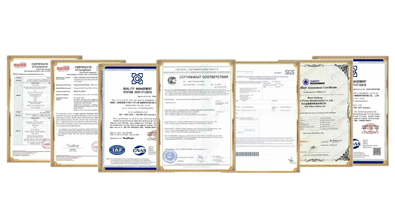
Third-party certificates and audited management systems show that a maker is committed to quality. Getting ISO 9001:2015 certification proves that your production controls, record management, and methods for ongoing growth are all working as they should. Certifications from GOST-R and SGS make sure that exports are legal for foreign markets, especially when providing goods for government building projects that need strict paperwork. As a material tracking service, suppliers should link finished flanges to heat numbers, chemical composition records, and test results for mechanical properties. Welding skills are also important. Having qualified welders on staff, written instructions for welding procedures, and facilities for non-destructive testing all show that the company has a wide range of technical skills that go beyond just distributing products.
Customisation and Specification Alignment
Most uses are covered by standard ASME B16.5 measurements, but special needs often come up in retrofits, foreign projects with different standards, or special process conditions. Reliable providers can make changes, such as non-standard pressure values, special materials like duplex stainless steel or nickel alloys, and changes in size to fit older equipment. Clear sharing of specifications helps avoid mistakes that cost a lot of money. Outlining material grades, pressure/temperature ratings, facing types, and testing needs ahead of time speeds up the purchase process. Technical support from providers helps with choosing flanges, making sealing suggestions, and figuring out bolt pressure, which adds value above and beyond simple transactions.
Market Pricing and Budget Planning
The price is greatly affected by the type of material used, with carbon steel flanges and slip-on flange welding being the most basic example. Because of the higher cost of the raw materials and the special way they are processed, stainless steel types like 304L and 316L are priced three to five times higher than carbon steel versions. Prices go up by the same amount for alloy steels that contain chromium, molybdenum, or nickel to make them more resistant to rust and high temperatures. Labour costs depend on where you live and how complicated the job is. Due to environmental issues and lower efficiency, outdoor welding is usually 30–40% more expensive than shop fabrication. Third-party inspections and compliance certifications raise the cost of a project by 5 to 10 per cent, but they protect against failures, callbacks, and liability. Bulk buying, long-term partnerships with suppliers, and consolidated shipping plans give distributors and workers who are working on multiple projects at the same time more bargaining power.
Conclusion
Mastering slip-on flange welding techniques has a direct effect on the success of projects in all fields. Following the right procedures, following ASME and AWS standards, and doing thorough inspections will make sure that the pressure is maintained, safety rules are followed, and the service life is increased. Partnering with certified providers who offer material traceability, welding knowledge, and full technical support gives procurement pros a competitive edge. Knowing the differences between slip-on, weld-neck, and other types of flanges helps you make smart choices that balance beginning prices with long-term performance. As the world's infrastructure needs grow, it's still essential to have effective pipe links. Spending time on evaluating suppliers, making specifications clear, and checking quality pays off in the form of less downtime, less upkeep, and higher operating safety.
FAQ
1. What distinguishes slip-on flanges from weld neck flanges in welding applications?
Slip-on flanges need two fillet welds to join to the pipe surfaces. They are easier to install and cost less, and they are good for light-pressure services. Weld neck flanges use a single full-penetration butt weld to connect curved hubs to pipes. This gives them more power for high-temperature and high-pressure situations. The choice is based on the project's unique pressure ratings, temperature ranges, and price limits.
2. How can procurement teams ensure compliance with international welding standards?
Checking starts with the supplier's certification papers, which should include ISO 9001:2015 quality management systems and qualifications as an AWS Certified Welding Inspector. Ask for detailed instructions on the welding process, including parameters, methods, and standards for approval. Make sure that the skills of the welder meet the standards of ASME Section IX or ISO 9606. Third-party inspection reports from reputable organisations give extra proof that standards are met and the product is reliable.
3. Is on-site welding as reliable as workshop fabrication for slip-on flanges?
When the right methods are used, both settings produce good results. Shop welding is controlled by a steady power source, environmental safety, and easy access to the equipment. It usually produces slightly better quality at lower costs. Field welding works around site limits and gets rid of the problems of transporting big parts, but it needs extra protection against weather, contamination, and limited access. No matter where they are, quality is guaranteed by strict obedience to procedures and skilled inspection.
Partner with RAYOUNG for Superior Slip-On Flange Solutions
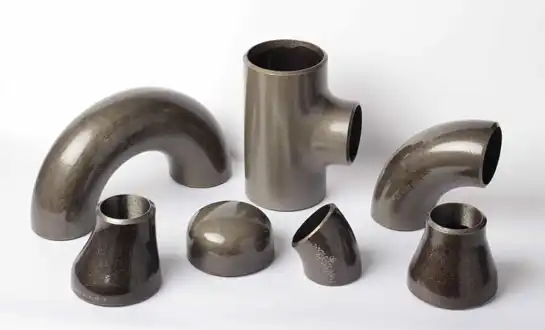
RAYOUNG is a reliable company that offers slip on flange welding and complete industrial pipe fitting solutions. They are certified by ISO 9001:2015, GOST-R, and SGS. Our wide range of products includes buttweld steel elbows, steel reducers, and flanges that are designed to make safe connections in a range of temperature and pressure conditions. Our expert team makes unique suggestions that are in line with ASME and AWS standards for any project, whether it needs carbon steel parts for city infrastructure or special alloys for chemical processing. We understand your sourcing problems because we've worked with EPC companies, distributors, and government projects around the world for decades. Get in touch with info@hb-steel.com right away to talk about your specific needs, get detailed specifications, or request competitive quotations that balance quality and cost-effectiveness for long-term performance you can count on.
References
1. American Society of Mechanical Engineers. "ASME B31.3 Process Piping: Design, Materials, and Inspection Requirements." ASME International, 2020.
2. American Welding Society. "Structural Welding Code—Steel: AWS D1.1." AWS Publications, 2020.
3. Harvey, John F. "Theory and Design of Pressure Vessels." Van Nostrand Reinhold Company, 1991.
4. Becht, Charles. "Process Piping: The Complete Guide to ASME B31.3." ASME Press, 2009.
5. International Organization for Standardization. "ISO 9606: Qualification Testing of Welders—Fusion Welding." ISO Standards, 2012.
6. Parisher, Roy A. and Rhea, Robert A. "Pipe Drafting and Design." Gulf Professional Publishing, 2012.

Need a quote? Want to see samples? Just say hello. We’re friendly. We’re fast. And we’re ready when you are.
Welcome to RAYOUNG – Strong Pipes, Stronger Promise