How to Choose Custom Pipe Fittings for Engineering Projects
It takes more than looking through a catalogue and making an order to choose custom pipe fittings. These specialised parts are the backbone of industrial pipe systems. Any mistake can cause delays that cost a lot of money, safety risks, or system breakdowns. Fittings that are properly selected will precisely align with your project's pressure levels, temperature ranges, and material compatibility needs, unlike off-the-shelf options. This guide is full of useful tips based on real-life buying problems that EPC workers, distributors, and site managers all over the US have had to deal with. Our simple goal is to give you the technical information and supplier rating factors you need to keep project risk to a minimum while still meeting budget and compliance requirements. Procurement pros have to look at the certification paperwork, metallurgical qualities, and the accuracy of the dimensions when examining manufactured pipe connections. Buttweld elbows, reducing tees, and flanged connections are used in many modern engineering projects, from chemical plants to city water systems. These components perform reliably under diverse and demanding operating conditions. If you know how material choice, industrial standards, and long-term reliability are connected, you can turn buying from a transactional process into a strategic advantage for your company.
Understanding Custom Pipe Fittings: Definition and Key Types
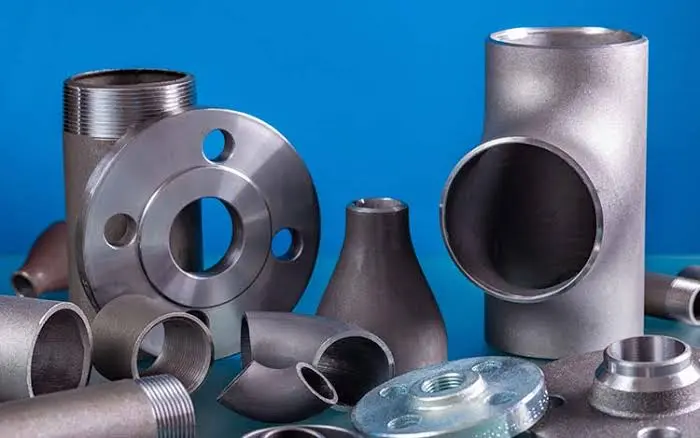
Custom pipe fittings are built joints that are made to specific measurements that go beyond standard ratios. They are made to be permanently attached to pipe networks using welding. Unlike threaded or mechanical joints, these parts make continuous metal pathways that stop leaks while keeping the structure as strong as or stronger than the parent pipe. This seamless design is very important for buried lines, hard-to-reach places, and high-stakes failure situations where upkeep access is limited.
What Defines a Custom Fitting?
It's called a "custom" fitting when the normal catalogue sizes can't fit your system's specific shape, material needs, or performance standards. This could include non-standard angles or bends, diameters that are bigger than 48 inches, unusual metal compositions, or wall thickness schedules that aren't in the normal range. For buttweld measurements, specifications often use ASME B16.9, EN 10253 for European uses, or GOST standards for projects that need to meet Russian approval requirements. Custom solutions fill the gap between normal supplies and the problems that come up during installation in the real world.
Primary Fitting Categories
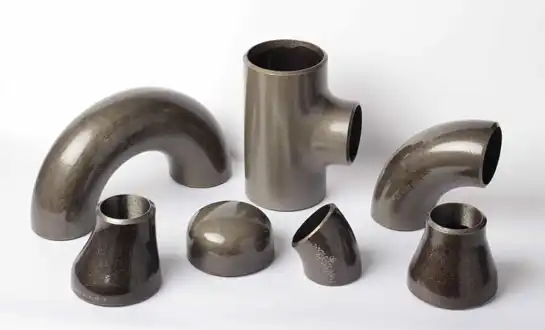
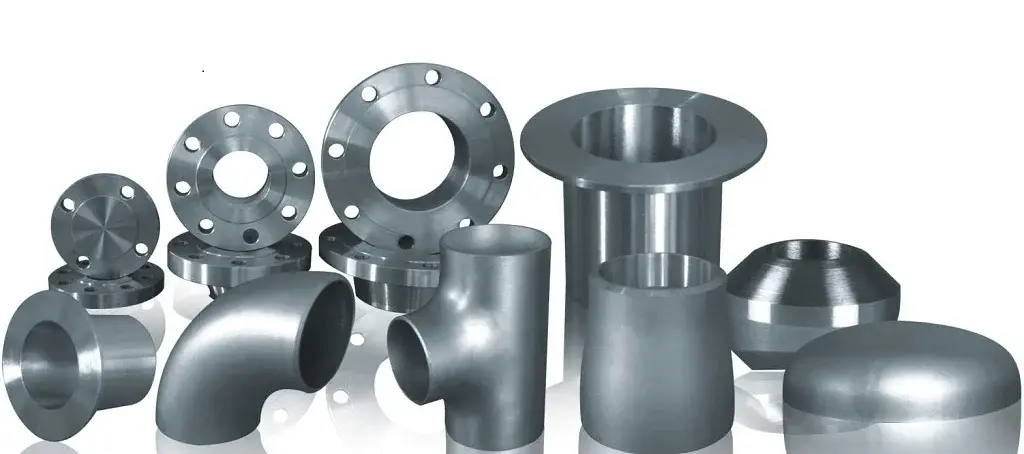
In the piping business, there are a few basic kinds of connectors that are used to control flow and change direction. Elbows change the flow paths at angles between 45 and 90 degrees. Long-radius versions keep pressure drop and erosion to a minimum. Tees let branches join in either a straight-through or a reducing design. Centric and eccentric reducers change the pipe diameter. Caps cover the ends of the wires, and stub ends make it easier to connect to flanges in corrosive environments. For general use, carbon steel types like ASTM A234 WPB are available. Austenitic stainless steels like A403 WP316L are available for resistance to rust. Chrome-moly alloys are used for high-temperature tasks.
The manufacturing methods have a big effect on how well the fittings work. Using hot forming to make parts from solid billets or seamless pipe sections, and then using normalising heat treatment to refine the grain structure and bring back mechanical properties that were changed during manufacturing. Surface preparation methods, such as sandblasting, water-based eco-friendly coatings, and epoxy linings, keep the weld compatible while protecting the environment. These treatments make things last longer in places with a lot of wetness, salty environments, and chemically harsh environments.
Key Criteria for Choosing Custom Pipe Fittings in Engineering Projects
To choose the right connections, including custom pipe fittings, you need to carefully look at the system design factors, working conditions, and legal requirements. This review process finds out if normal catalogue items are enough or if they need to be customised to meet project goals.
Pressure and Temperature Parameters
Based on the ASME B31.3 process piping code or B31.1 power pipe standards, the system design pressure sets the minimum wall thickness plan needed for safe operation. Depending on the wall thickness schedule (such as Schedule 160 or XXS) and connection type, carbon steel custom pipe fittings can be engineered to handle operating pressures up to 3,000 psi or higher. For high-yield applications, high-yield materials can increase this range. Extreme temperatures affect the choice of material. For example, carbon steel works well below 800°F, but chrome-moly metals are needed for service at temperatures close to 1,100°F. For uses below -20°F, materials must undergo low-temperature impact testing to prevent brittle fracture.
Environmental and Corrosive Conditions
When chlorides, acids, or sulphur compounds are present, alloys other than basic carbon steel grades must be chosen. The molybdenum content in 316L stainless steel makes it more resistant to pitting in salty environments, which is good for offshore bases and coastal sites. Nickel metals or special coatings may be needed in chemical production areas so that they can handle aggressive media. For buried pipes, the outside needs to be coated and compatible with cathodic protection, and the inside needs linings to stop weathering and rust in high-velocity slurry service.
Dimensional Precision and Welding Compatibility
Custom manufacturing lets wall thickness schedules be perfectly matched between components that fit together, getting rid of the internal gaps that cause flow problems and erosion. Standard bevelled ends have 37.5-degree angles and root faces that meet the requirements of the AWS D10.4 welding standard. This makes sure that full penetration joints achieve 100% radiographic inspection acceptance when required and when needed. Socket welds work best for small-bore uses (less than two inches), while butt welds are best for bigger diameter systems that need to be very strong.
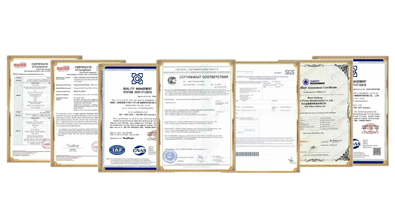
Compliance paperwork tells the difference between trustworthy sellers and less trustworthy ones. The chemical make-up, heat number, and mechanical properties of each fitting are traced back to approved mill tests in EN 10204 Type 3.1 material test records. Certifications from CE/PED 2014/68/EU, ISO 9001 quality systems, and project-specific approvals from groups like NIOC, ADNOC, or PETROBRAS show that the company can make the product and follow the rules. These certificates lower the risk of buying something by showing proof of quality control systems and product conformance.
Procurement Considerations: Choosing the Right Supplier and Managing Orders
Finding the lowest price is only one part of effective buying. When you work with strategic suppliers, you get expert help, consistent quality, and on-time delivery that keeps your projects on track.
Evaluating Manufacturer Capabilities
When evaluating possible providers, you need to look at their manufacturing infrastructure, quality control procedures, and certification portfolios. Well-known companies keep making special tools that can make parts with big diameters and unusual materials that aren't in the range of common materials. Tensile, impact, and hardness tests are done in-house according to relevant ASTM standards to check the material qualities. Computerised temperature control in heat treatment ovens makes sure that the metal is properly prepared for use, and positive material identification (PMI) equipment verifies the alloy composition of the metal before it is fabricated.
Logistics and lead times are affected by where things are located. Domestic makers offer faster shipping times and easier ways to communicate, while foreign providers may offer lower prices for large orders. Distributors and trading companies usually don't have the ability to make unique setups, but they do keep popular designs in stock so they can be shipped right away. For engineered solutions that need design teamwork and specification review, working directly with makers is helpful.
Pricing Dynamics and Order Management
Custom pipe fittings' prices are based on the number of orders, the cost of raw materials, and how complicated the production process is. In general, carbon steel parts are the least expensive choice. Stainless steel and alloy types, on the other hand, cost more because they contain more nickel, chromium, and molybdenum. Fittings with large diameters and non-standard designs cost more to make and take longer to deliver. Volume savings usually start when you buy more than 100 pieces of a certain item, but project-specific minimums vary by maker.
When planning lead times, you should think about where to get materials, manufacturing cycle times, testing scope are needed, and how to make the paperwork. Fittings made of standard carbon steel usually ship in four to six weeks. However, parts made of rare metals or having a big diameter may take twelve to sixteen weeks. There are extra costs for expedited output, but it can fit in with critical path tasks if planned correctly. Providing samples before full production runs lets you check the dimensions and qualify the welding process, which lowers the risk of installation.
Logistics dependability impacts the project's cash flow and ability to stay on schedule. Suppliers who already have established delivery networks can combine packages, provide export paperwork, and make tracking easier, which makes receiving operations easier. Professional installation support, such as instructions on how to weld, recommended preheat temperatures, and post-weld heat treatment needs, helps field teams make good joins that can be inspected with radiographic testing and ultrasonic testing.
Comparison of Custom Pipe Fittings for Different Engineering Needs
The choice of material has a big impact on how well custom pipe fittings work in a variety of working conditions. Understanding these changes helps with making specifications and talking with suppliers.
Stainless Steel Applications
Austenitic types, such as 304L and 316L, are most commonly used in corrosive environments because they contain chromium and nickel, which create inactive oxide layers that protect against chemical attack. The 316L variant's molybdenum content of 2% to 3% makes it more resistant to chloride, which makes it better for coastal settings and processes that use halogen-containing chemicals. These materials retain excellent ductility and toughness over a wide temperature range and exhibit superior weldability well without having to be heated first. Pharmaceutical, food processing, and municipal wastewater treatment facilities utilize stainless steel due to its ease of passivation and superior hygienic properties.
Carbon Steel Versatility
ASTM A234 WPB carbon steel fittings are the standard in the industry for general-purpose uses where resistance to rust is not very important. This material is very strong for the price, can be welded without any special steps, and is widely available in all common sizes. In slightly acidic environments, surface treatments like organic coats, galvanising, or specialised epoxy systems make things last longer. High-yield types like WPL6 have better mechanical qualities for low-temperature use in petrochemical and natural gas transport. Impact tests have shown that they are still ductile at the lowest design temperatures.
Alloy Steel for Extreme Service
Chrome-moly types like A234 WP11 and WP22 are commonly used in high-temperature piping systems for power generation, refining, and steam service applications. At temperatures close to 1,100°F, these metals retain creep strength and don't oxidise or sulphidise. It's necessary to do a heat treatment after the welding process to soften the joint areas and relieve any residual stresses that could induce cracking Duplex and super duplex stainless steels are in between normal austenitics and expensive nickel alloys. They are stronger and less likely to crack when exposed to chloride stress corrosion for projects offshore and in desalination.
When there is a lot of pressure, you need to pay close attention to the plans for wall thickness and the stress intensification factors at welding joints. When properly rated for temperature, custom pipe fittings, schedule 160, and double-extra-strong fittings can handle pressures of more than 5,000 psi. Heavy-wall parts are often needed in chemical processing, hydraulic power systems, and injection moulding, where pressure spikes and cyclic loads set the design requirements.
Conclusion
When choosing engineered pipe connectors, including custom pipe fittings, it's important to carefully consider the technical needs, the supplier's skills, and the expected performance over the whole lifespan. The choice of materials, accuracy of measurements, and compliance with certifications are the main factors that go into making purchase decisions that lower project risk and meet cost goals. Different types of steel, like carbon steel, stainless steel, and alloys, each have their own benefits that make them better for different uses, pressure levels, and weather conditions. When you work with approved makers who have a track record of success, complete quality systems, and global project approvals, procurement changes from a transactional activity to a strategic relationship that helps the project succeed. By following the guidelines in this guide, engineering teams can be sure that the parts they choose will be reliable, safe, and efficient for a long time.
FAQ
1. What lead times should I expect for custom pipe fitting orders?
Standard carbon steel fittings usually ship four to six weeks after the order is placed. This time includes getting the materials, making the fittings, and checking for quality. It usually takes eight to ten weeks for stainless steel and metal grades because the materials are hard to get and they need to go through special heat treatment processes. Lead times can go up to 12 to 16 weeks for parts with diameters bigger than 24 inches or non-standard shapes. This is especially true when unique custom pipe fittings are needed. For key path things, there are choices for faster production, but they cost more. Planning procurement activities around these times keeps schedules from getting thrown off and makes it easier to keep up with building goals.
2. Can fittings be adapted for unusual piping configurations?
Custom manufacturing is great for dealing with non-standard shapes that can't be found in normal catalogues. It is common for manufacturers to make reducing tees with branch outlets that aren't all the same size, bends that aren't at 45 or 90 degrees, and changes between wall-thickness plans. Giving engineering teams thorough models with measurements, material details, and any relevant codes lets them check if the designs are feasible and make them better. A lot of companies offer design support services that help you find the cheapest ways to meet building codes and keep your structure strong.
3. Which certifications indicate reliable suppliers?
Getting ISO 9001 certification means that you have well-thought-out quality control systems that cover every part of the producing process. Getting a CE mark under PED 2014/68/EU means that the pressure equipment meets European safety standards for that kind of equipment. GOST-R approval is now needed to get into the Russian market. Approvals for particular projects from big operators like NIOC, ADNOC, or PETROBRAS mean that product testing and vendor qualification checks went well. Material certificates that are in line with EN 10204 Type 3.1 can be linked to mill test results that prove the chemical composition and mechanical properties. These qualifications show that the company knows how to make things and follows the rules, which is important for lowering risk.
Partner with RAYOUNG for Engineered Piping Solutions
Buttweld steel elbows, reducers, tees, and flanges made by RAYOUNG are precisely designed to meet ASME B16.9, EN 10253, and GOST standards. Our range of materials includes carbon steel, alloy steel, and stainless steel. We can treat the surfaces of these metals in a number of ways, such as by grinding, using eco-friendly coats, or using epoxy systems. We can meet your specific size needs and have certificates from CE/PED 2014/68/EU, ISO 9001, and GOST-R. NIOC, ADNOC, and PETROBRAS have also given their approval for the project. As a well-known company that makes custom pipe fittings, we can meet your project's performance and delivery needs by supplying products all over the world and providing quick expert support. Email our team at info@hb-steel.com to talk about your needs, get material certificates, or get prices based on numbers for your next engineering project.
References
1. American Society of Mechanical Engineers (2020). ASME B16.9: Factory-Made Wrought Buttwelding Fittings. New York: ASME Press.
2. American Society of Mechanical Engineers (2018). ASME B31.3: Process Piping Design and Construction. New York: ASME Press.
3. European Committee for Standardization (2017). EN 10253: Butt-Welding Pipe Fittings - Part 2: Non-Alloy and Ferritic Alloy Steels with Specific Inspection Requirements. Brussels: CEN.
4. American Welding Society (2015). AWS D10.4: Recommended Practices for Welding Austenitic Chromium-Nickel Stainless Steel Piping and Tubing. Miami: AWS.
5. ASTM International (2021). ASTM A234: Standard Specification for Piping Fittings of Wrought Carbon Steel and Alloy Steel for Moderate and High Temperature Service. West Conshohocken: ASTM.
6. Perry, R.H. and Green, D.W. (2019). Perry's Chemical Engineers' Handbook: Piping Systems and Equipment Design. 9th Edition. New York: McGraw-Hill Education.

Need a quote? Want to see samples? Just say hello. We’re friendly. We’re fast. And we’re ready when you are.
Welcome to RAYOUNG – Strong Pipes, Stronger Promise