Why Flange Quality is Non-Negotiable for Oil & Gas and Critical Infrastructure
In critical piping systems, the safety of a building depends on the quality of every link. If a connection fails, the consequences can be catastrophic. Steel flanges, which connect pipes, valves, and equipment in oil and gas installations and critical infrastructure networks, serve as essential mechanical connection components. Poor flange quality or gasket performance can lead to more serious issues than minor leakage. Projects can be fined by regulators, cause environmental damage, have unplanned downtime, and lose a lot of money. Choosing parts that are made to high standards, with proven material tracking and precise machining, will protect your investment and keep your business running even in the toughest industrial settings.

Understanding Steel Flanges and Their Role in Critical Infrastructure
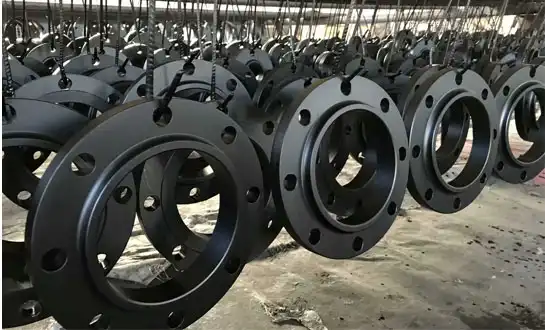
Flanges are the mechanical connections that let pipe systems be put together and taken apart in a controlled way while keeping pressure inside and leak-tight seals. When these round parts are bolted together, a gasket is placed between their mating faces to make a safe connection point.
Primary Flange Types and Their Applications
For different types of pipes, different flange designs are needed. With their long, tapered hubs that distribute stress more evenly, weld neck flanges provide better structural stability and are perfect for high-pressure chemical plants and oil refineries. Slip-on flanges are a cheap way to connect things when the pressure needs are low. You can find them a lot in water treatment plants and HVAC systems. Blind flanges keep the ends of pipelines closed during repair or for future system expansion. Threaded versions are better for smaller diameter lines where welding isn't possible. Lap joint flanges are used for systems that need to be inspected often or where different metals need to connect without galvanic corrosion occurring.
Material Properties That Govern Performance
In industry, carbon steel flanges are the most common type because they are strong for their price and can handle temperatures from -29°C to 427°C. The ASTM A105 standard controls carbon steel forgings, making sure that their mechanical qualities and ability to be welded are always the same. Offshore platforms and chemical processing units use stainless steel options, especially ASTM A182 F304 and F316 types, which offer excellent corrosion resistance. These austenitic metals can handle being exposed to salt and keep their shape in both low-temperature and high-temperature environments.
Standards Compliance and Dimensional Accuracy
International standards make sure that all global supply chains have the same dimensions. ASME B16.5 sets standards for bolt hole patterns, flange thickness, and hub shape for flanges from NPS ½ to NPS 24. It also defines pressure classes from 150 to 2500. ASME B16.47 adds large-diameter uses up to NPS 60 to its scope. API 6A requirements cover wellhead and Christmas tree equipment used in high-pressure upstream drilling and production operations. The DIN and JIS standards offer metric options that are commonly used in projects in Europe and Asia. These models for standardization allow procurement teams to confidently source components, knowing that certified goods from any compliant manufacturer will guarantee interoperability.
Why is flange quality critical in oil & gas and infrastructure projects?
In industrial plants and utility structures, flanges are constantly under mechanical stress, are exposed to corrosive media, and go through changes in temperature. Poorly made parts create vulnerabilities that affect whole systems.
Hazards Associated With Substandard Flanges
In low-quality flanges, material flaws are the main reason they break. Internal porosity caused by bad casting, poor forging flow lines, or flaws from dirty steel creates stress concentrations that cause cracks to spread when the steel is loaded and unloaded over and over again. Industry investigations have shown that flange defects, including micro-porosity, can contribute to hydrocarbon leakage incidents. This caused $4.2 million in cleanup costs and longer production losses.
Common Failure Mechanisms and Their Consequences
Material defects in steel flanges can be further aggravated by improper installation practices. Not tightening bolts enough leaves gaskets not squeezed enough, while too much power crushes gasket material or causes flange distortion. Both situations cause leaks that make upkeep more expensive and put workers' safety at risk. When you use flexible materials for high-temperature tasks or choose chemical mixtures that don't work well together, the seal breaks down faster and the system gets contaminated.
When a flange fails, it has effects that go beyond the cost of fixing it right away. Unplanned shutdowns mess up production plans, missed delivery deadlines lead to fines and image damage, and environmental releases lead to regulatory penalties and fines. This cost the operator about $18 million in lost income and the cost of getting help to the scene of the accident.
Quality Assurance Protocols That Mitigate Risk
Strict inspections find problems before they are installed. Ultrasonic testing finds internal cracks that can't be seen with the naked eye, and positive material identification (PMI) verifies that the alloy chemistry meets specification requirements. Hydrostatic testing confirms that the pressure can be contained, and measurement checking makes sure that bolt-hole alignment and the flatness of the sealing surface meet the tolerance requirements. Material Test Reports (MTRs) show the full history of a steel component from its original heat number in the steel mill to its final machining steps. They show the material's mechanical traits, chemical makeup, and heat treatment parameters.
Comparing Steel Flange Materials and Types for Optimal Performance
Choosing the right materials and manufacturing methods has a direct effect on the cost and dependability of operations over the lifecycle.
Stainless Steel Versus Carbon Steel Selection Criteria
Carbon steel is the most common material used for general process service, water systems, and natural gas distribution because it is strong enough to withstand impacts and doesn't cost too much. Its minimum tensile strength of 485 MPa and minimum yield strength of 250 MPa help it withstand pressure spikes effectively, and its ability to be welded makes field changes easier. When carbon steel is exposed to seawater, acidic condensates, or chloride-bearing fluids, it needs protective layers or cathodic protection systems to keep it from rusting.
Forged Versus Welded Flange Construction
Forging methods put a lot of pressure on hot steel billets, which aligns the grain structure along the forged geometry and gets rid of the holes that come with casting. This metallurgical improvement makes the material more resistant to fatigue and tougher when hit. These are important qualities for links between moving equipment and uses that use cyclic pressure. For vital service, ASTM A105 forged carbon steel flanges and ASTM A182 forged stainless steel versions are the gold standard.
Seamless and Welded Pipe Flange Interfaces
When you connect pipes to join neck flanges without longitudinal seam welds, there are no weak spots in high-pressure lines. When there is stress around fillet welds, the continuous grain structure handles it better than welded pipe options. For middling pressure services and big diameters, where seamless production becomes too expensive, welded pipe is still the most cost-effective option. Knowing these differences helps buying teams find a balance between meeting performance standards and staying within their budgets.

Procurement Considerations for Steel Flanges in Critical Infrastructure
Strategic choices about where to get materials affect how long a project takes, how much money it costs, and how reliable it is in the long run.
Evaluating Supplier Credentials and Certifications
Manufacturers with a good reputation use ISO 9001:2015 quality control systems to keep track of every step of the production process, from receiving the raw materials for steel flange production to the final review. Holders of the API 6A monogram show that they can make wellhead equipment that meets the strict standards of the oil business. PED (Pressure Equipment Directive) approval proves that the equipment meets European safety standards, which is necessary for projects that will be exported. By asking for facility audit records and third-party quality checks, you can find providers who are committed to maintaining consistent output standards.
Cost Drivers and Lead Time Management
The prices of raw materials change based on the world steel market, the nickel surcharges in stainless steel, and petroleum-based coating materials.Complex machining raises prices. For example, CNC-machined sealing surfaces offer precise flatness and control over the surface finish, but they need special programming and tools. Custom specs cost more in engineering time and tools. When you combine purchases made at different stages of a project, you can get big volume savings that can cut unit costs by 15 to 25 percent on large orders.
Custom Flange Solutions for Specialized Requirements
When working conditions aren't normal, engineering needs to be tailored. Longer hubs can handle thicker insulation on cold lines, and special facings, such as RTJ (Ring Type Joint), seal metal-to-metal wellheads under very high pressure. Hot-dip galvanizing protects flanges from corrosion when they are exposed to the air or underground, which increases their useful life in harsh circumstances. Working with makers who can customize their products makes sure that the parts fit the exact needs of the project instead of causing designers to make compromises based on what's in the catalog.
Installation and Maintenance Best Practices to Maximize Flange Lifespan
Using the right assembly methods and preventative maintenance schedules will protect the money you spent on good parts.
Step-by-Step Installation Guidelines
The first step in preparing a surface is to check the sealing faces for harm, remove any protective coatings, and clean off any debris that might get in the way of the gasket fitting properly. By checking the position of the flange before inserting the bolt, you can avoid locking and uneven loads. The right gasket must be chosen for the job. For example, spiral wound gaskets with graphite filler work well in high temperatures and pressures, while PTFE covers can handle chemicals that are bad for the seal. When you install gaskets concentrically within the raised face border, the whole sealing edge will be compressed in the same way.
Routine Inspection and Preventive Maintenance Protocols
Visual checks every three months find signs of rust, coating wear, and weep marks that show the start of leaks. Ultrasonic thickness readings keep track of the rate of rusting, which lets replacements be planned before wall loss makes it impossible to keep the pressure inside. Checking the state of bolts can find thread damage, stress corrosion cracks, and relaxation that lowers the clamp force. Infrared thermography shows hot spots that mean there is internal leaking or an uneven spread of heat.
Troubleshooting Common Field Issues
Leaks that won't go away even after proper torqueing are usually caused by broken sealing surfaces or the wrong gasket materials. Re-machining the flange faces brings them back to a flat state within the tolerances, and upgrading the gaskets fixes problems with chemicals that don't work well together or changes in temperature. If the flanges that fit together aren't lined up correctly, the bolt loads will be uneven. Shimming or making changes to the pipe can fix angle and parallel errors. Any changes in the pressure could mean that there is internal wear or rust thinning, which needs to be looked at by a metallurgist, and the part needs to be replaced. Systematic methods for debugging cut down on downtime and stop problems from happening again and again.
Conclusion
Quality steel flanges are an important part of the infrastructure that either makes operations reliable or opens up major holes in important pipe systems. Failures of parts in oil and gas facilities and critical services have far more serious financial and safety effects than the original cost savings from using cheaper products. EPC contractors, wholesalers, and end users all want to reduce risk, and procurement strategies that focus on certified materials, precise manufacturing, and full tracking are in line with those goals. By working with manufacturers who show consistent compliance, advanced production skills, and detailed paperwork, you can be sure that projects will be completed on time, meet legal requirements, and last for decades without any problems.
FAQ
1. How do I determine which flange standard applies to my project?
Usually, project specs list the relevant codes. For example, ASME B16.5 rules most piping in North America from ½" to 24", and API 6A controls equipment at the wellhead. DIN or JIS standards may be used for international projects. Reviewing engineering specifications and applicable piping codes helps determine the correct requirements. When specs aren't clear, meeting current infrastructure standards keeps things compatible and makes managing spare parts easier.
2. What factors influence flange pressure ratings?
Pressure class grades take into account safety factors, material strength, and how elevated temperatures affect the allowable stress. Class 150 carbon steel flanges can take about 290 psi at 38°C but only 75 psi at 427°C because steel gets weaker when it gets hot. To keep high pressures in, higher classes use thicker pieces and bigger nuts. Make sure that the ratings you choose always go above and beyond the safest possible working circumstances.
3. Are stainless steel flanges necessary for corrosive environments?
Stainless metals are better at resisting rust, but carbon steel that has been properly coated or given cathodic protection is often enough and costs less. Check the fluid's chemistry, temperature, and length of contact. Stainless steel is usually needed for saltwater service at sea, but coated carbon steel may be okay for slightly acidic condensates. Corrosion engineering research finds the most cost-effective way to meet reliability goals.
Connect With RAYOUNG for Reliable Steel Flange Solutions
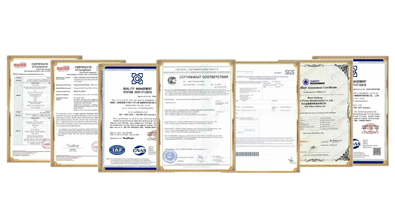
RAYOUNG is an expert at making precisely designed pipe parts that can handle the tough requirements of oil and gas projects and important infrastructure projects. We sell normal ANSI, DIN, and JIS flanges with RF, FF, and RTJ faces that can handle high pressures up to Class 2500. Each part has CNC-machined sealing surfaces that make sure it is flat within very tight tolerances. There is also full MTC tracking that shows the material's history from mill approval to final inspection, and hot-dip galvanising is an option for better corrosion protection. We provide the stability that buyers, engineers, and wholesalers need with ISO 9001:2015 certification, GOST-R compliance for foreign markets, and SGS-verified quality systems. Get in touch with our expert team at info@hb-steel.com to talk about your needs, whether you want regular catalogue items or custom solutions. You will then understand why top EPC companies choose RAYOUNG as their steel flange manufacturer of choice.
References
1. American Society of Mechanical Engineers. (2021). ASME B16.5: Pipe Flanges and Flanged Fittings NPS 1/2 Through NPS 24 Metric/Inch Standard. New York: ASME Press.
2. ASTM International. (2020). ASTM A105/A105M: Standard Specification for Carbon Steel Forgings for Piping Applications. West Conshohocken: ASTM International.
3. American Petroleum Institute. (2018). API Standard 6A: Wellhead and Tree Equipment, 21st Edition. Washington: API Publishing Services.
4. Becht, C. (2017). Flanged Joint Assembly: Design, Installation and Maintenance Best Practices. Houston: Becht Engineering Company.
5. Payne, J.R. & Singh, R. (2019). Process Piping: The Complete Guide to ASME B31.3, Fourth Edition. New York: ASME Press.
6. European Industrial Services. (2020). Flange Failure Analysis: Case Studies from Petrochemical and Oil & Gas Industries. Rotterdam: EIS Technical Publications.

Need a quote? Want to see samples? Just say hello. We’re friendly. We’re fast. And we’re ready when you are.
Welcome to RAYOUNG – Strong Pipes, Stronger Promise