Why Elbow Pipe Radius Matters for Flow Efficiency
Understanding the relationship between elbow pipe radius and flow efficiency is essential for minimizing operational costs and maximizing system reliability. The radius of an elbow pipe—the distance from the center of curvature to the pipe's centerline—directly impacts turbulence, pressure drop, and fluid velocity within piping systems. When you select the appropriate radius, you reduce energy consumption, extend equipment life, and prevent costly downtime. Poor radius selection leads to excessive turbulence at directional changes, increasing friction losses and accelerating wear on system components. This guide provides purchasing managers, engineers, and distributors with actionable insights to optimize piping performance through informed radius selection.
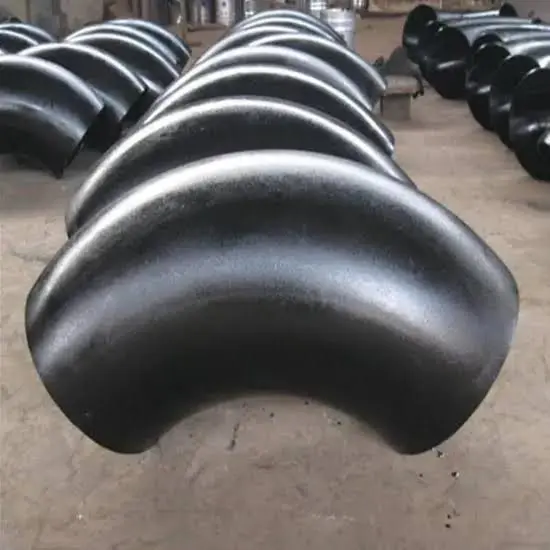
Understanding Elbow Pipe Radius and Its Role in Flow Efficiency
Defining Elbow Pipe Radius Measurement
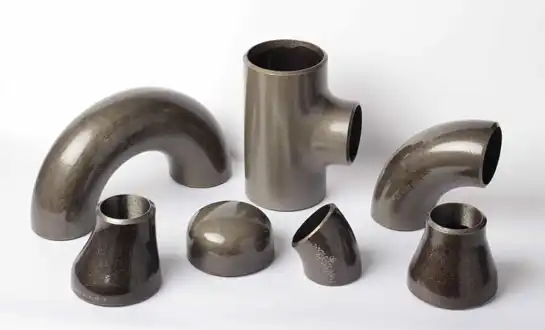
The elbow radius is defined as the centerline distance measured from the center of curvature to the pipe's central axis. Standard practices in the industry divide elbow pipes into two main groups: those with a short radius and those with a long radius. Elbow pipes with a short radius are about 1 time the diameter of the pipe, while elbow pipes with a long radius are about 1.5 times the diameter. This difference affects how smoothly fluids move when they need to change directions.
How Do Radius Dimensions Affect Fluid Dynamics?
The radius dimension tells you how severe the change in flow direction is. In short-radius elbow pipes, tighter curves cause more turbulence and secondary flow patterns, which raise the loss of friction. Studies on pipe flow behavior show that long-radius elbow pipes can significantly reduce pressure drop compared with short-radius options under similar flow conditions, although the exact reduction depends on velocity, Reynolds number, and fitting geometry. Smoother changes keep the laminar flow qualities for longer, which keeps the system working well.
Standard Radius Types for Common Angles
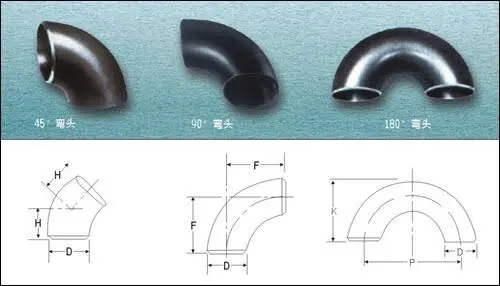
Elbow pipes are usually made in two different angles: 45 degrees and 90 degrees. Long-radius 90-degree elbow pipes are among the most commonly used fittings in industrial piping systems because they are good at both saving room and letting flow through. The 45-degree models make even smaller changes in direction, making them perfect for situations where reducing pressure drop is more important than installation space.
Material Selection and Radius Compatibility
The composition of the material affects how well radius selection works. Carbon steel seamless buttweld elbow pipes avoid longitudinal weld seams and are often selected for critical high-pressure applications where minimizing weld-related concerns is important. Stainless steel versions don't rust in places where chemicals are processed, and their smooth insides work well with long-radius designs because they lower friction even more.
Comparing Elbow Pipe Radius Types: Which Radius Suits Your Application?
Space Constraints Versus Flow Performance
Short-radius elbow pipes are small options for situations where the installation room is limited, and system design needs to be careful. These elbow pipes require less installation space than their long-radius counterparts, making them useful for compact layouts, which makes them useful for retrofits or arrangements with a lot of pipes. However, less curvature creates turbulent eddies that cause more air loss and require more pumps. While long-radius elbow pipes require more space, they offer much better hydraulic performance.
Turbulence Impact on Maintenance Frequency
Higher levels of turbulence speed up the wear and tear on elbow pipes, especially when working with rough fluids or streams that are full of particles. When the flow direction changes, short-radius elbow pipes have wear zones on the outside wall where the flow hits hard. Because of this, inspections need to be done more often, and replacements need to be done earlier. Long-radius designs spread flow energy more widely inside the elbow pipe, which means that it doesn't need to be serviced as often and costs less to maintain over its lifetime.
Pressure Rating Considerations
System pressure parameters have a big effect on choosing the right radius. Long-radius designs are often preferred in high-pressure systems because they provide smoother flow and lower turbulence, although pressure capability depends on the material, wall thickness, and piping design requirements. The softer flow path lowers the risk of cavitation and stress concentration points in liquid service. Short-radius elbow pipes can still be used in low-pressure drainage systems or gravity flow situations where saving energy is not the most important thing.
Material-Radii Best Practices
Matching the qualities of the material to the radius choice makes it last longer. When hot-pressed carbon steel long-radius elbow pipes are manufactured, the process is controlled to maintain wall thickness within specified tolerances around the bend, which is important for pressure tank code compliance. Stainless steel short-radius elbow pipes are used in specific situations where resistance to rust is more important than flow efficiency. For example, they are used in acid transfer lines with very low flow rates.
How to Measure and Specify Elbow Pipe Radius for Procurement?
Measurement Techniques and Tools
Accurate radius verification requires precise measurement techniques from the centerline. The bend radius is the distance from the center of curvature to the centerline of the elbow.For accurate checks, professional testers use coordinate measuring machines and radius tools. Procurement teams should request certified dimensional inspection reports that say the radius measurements match the requirements.
Interpreting Manufacturer Dimension Charts
On standard measurement charts, the radius numbers are shown in relation to the nominal pipe size. For instance, a 6-inch nominal pipe size (NPS) long-radius 90-degree elbow has a 9-inch centerline radius (6 × 1.5). Specification mistakes can be avoided by understanding these ratios. Charts also show center-to-end measurements, which are the straight-line distance from the center of the elbow pipe to the end face. These are very important for correctly calculating pipe layout and looking for interference.
Creating Detailed Procurement Specifications
Comprehensive specifications prevent costly errors and schedule delays. Include the type of radius, the angle of the elbow pipe, the nominal diameter, the wall thickness schedule, the material grade, the applicable manufacturing standard reference, and the requirements for end preparation. Tell us if you want the construction to be seamless or welded. Butt-weld seamless steel elbow pipes need to have their ends cut according to ASME B16.25 standards, which are usually done at 37.5 degrees for full penetration welding.
Custom Elbow Manufacturing Considerations
In some cases, non-standard radii or angles are needed for specific tasks. Reliable manufacturers offer custom fabrication services with lead times that meet reasonable delivery timelines. Custom setups usually need at least 50 to 100 pieces, but this can change depending on how complicated the design is. Custom elbow pipes are used to work around specific space issues or to improve flow in important process streams, which makes the extra cost worth it by making the system work better.
Benefits of Optimizing Elbow Pipe Radius in Your Piping System
Quantifiable Energy Savings
Choosing the right elbow pipe radius can significantly lower the amount of energy needed for pumping. Studies show that switching from short-radius elbow pipes to long-radius elbow pipes in a normal industrial water distribution system can cut energy costs by 8–15% per year. Because the pressure drop is lower, the pump output pressure needs to be lower to maintain the design flow rates. This directly lowers the amount of electricity used and the costs of running the system over its lifetime.
Extended Equipment Lifecycle
Choosing the optimal radius to minimize noise lowers the erosion-corrosion processes that damage elbow pipe parts. Long-radius elbow pipes can provide a longer service life than short-radius designs in erosive services because they reduce turbulence and localized wear in steam and wastewater systems that are used in the same way. This means that the facility will have fewer unplanned shutdowns, need fewer replacement parts, and have a lower total cost of ownership across all of its operations.
Compliance and Risk Mitigation
Choosing elbow pipes that are made to meet ASME B16.9 and ISO standards protects you from risk and makes sure you follow the rules. These guidelines list the allowed sizes, properties of the material, and rates for pressure and temperature that have been proven by strict testing procedures. Parts that meet these standards come with the right certifications, which make it easier to meet the paperwork needs of government building projects and inspections of manufacturing facilities.
Industry-Specific Performance Examples
When petrochemical refineries use long-radius elbow pipes in hydrocarbon transfer lines, they report fewer maintenance issues and more stable processes. In high-pressure steam systems, power plants use long-radius elbow pipes to keep thermal fatigue cracks to a minimum. Offshore hydraulic control systems rely on forged socket-weld elbow pipes with the right shapes to handle shock loads and vibrations while keeping their zero-leakage integrity in tough working conditions.
Practical Considerations: Selecting the Right Elbow Pipe Radius for Your Project
Aligning Radius with System Parameters
Optimal selection requires a holistic evaluation of pipe diameter, flow velocity, fluid properties, and operating pressure. Long-radius elbow pipe bends are better for systems that deal with viscous fluids because they smooth the flow. Because high-velocity gas lines try to keep pressure drops as low as possible, long-radius configurations are almost always necessary. Low-pressure drainage systems can handle elbow pipes with a small radius without losing a lot of performance.
High-Pressure, High-Temperature Case Study
A chemical processing business recently improved the network that moves steam to different production units. The engineering team asked for A234 WPB long-radius butt-weld seamless steel elbow pipes designed for a 600 psi service pressure and temperatures up to 750°F. The smooth construction got rid of the risk of weld joint failure, and the 1.5D radius cut system pressure drop by 12%, which meant that the boiler could handle more equipment without needing to be upgraded.
Supplier Evaluation Criteria
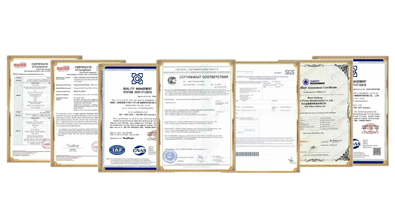
Selecting reliable suppliers safeguards project schedules and ensures high-quality outcomes. Manufacturers that are ISO 9001:2015 certified and have clear quality control methods should be given priority. Ask for written proof of how materials can be tracked, how non-destructive testing works, and how dimensional inspection works. Suppliers with GOST-R and SGS certifications offer extra security for export compliance and meeting the needs of international projects.
Cost-Benefit Analysis Framework
Initially, short-radius elbows may appear 15–25% more cost-effective than long-radius alternatives. However, lifetime analysis shows that in medium-pressure industrial systems, the extra long-radius investment is usually paid for within 18 to 36 months thanks to lower energy costs and longer service life. To get the most value for project owners and the least amount of work in the long run, government infrastructure projects should focus on lifecycle cost calculations over upfront pricing.
Conclusion
Choosing the right elbow pipe radius is a very important choice that will affect how well the system works, how much it costs to run, and how long the equipment lasts. Long-radius designs offer better flow characteristics, lower energy use, and longer service intervals, which is why they are specified in most industrial uses, even though they cost more at first. Short-radius options are useful for setups with limited room where hydraulic performance is not as important. Effective procurement strategies require a deep understanding of technical distinctions, be very specific about the parts you need, and work with approved sellers who keep high quality standards. Using the tips in this guide, purchasing managers and engineers can improve the performance of piping systems while keeping project costs low and making sure they follow the rules.
FAQ
1. What distinguishes short-radius from long-radius elbows?
The centerline radius of a short-radius elbow pipe is the same as the standard pipe diameter (1.0D), and the centerline radius of a long-radius elbow pipe is 1.5 times the diameter. This difference in size has a big effect on the flow properties. Long-radius versions make changes smoother, which lowers turbulence and pressure drop compared with tighter-radius designs under similar operating conditions.
2. How does elbow radius affect pressure loss?
When the radius bends get tighter, fluids have to change direction more quickly. This creates secondary flow patterns and swirling eddies that make friction losses higher. Long-radius elbow pipes keep the flow more uniform, which lowers the resistance coefficient and the pressure drop across the joint. This directly lowers the amount of energy needed for pumping.
3. Can custom radius elbows improve specific system performance?
When standard configurations don't work well for certain problems, custom radius elbow pipes are the best solution. Customized solutions are helpful for situations where there isn't much room or where the flow needs to be handled in a unique way. Manufacturers can make non-standard angles or intermediate radius values that work best for important process streams, but custom fabrication requests usually come with minimum order quantities and longer lead times.
Partner with RAYOUNG for Optimized Elbow Pipe Solutions.
By choosing the right elbow pipe provider, you can make sure that your project meets performance standards and stays within your budget. RAYOUNG is an expert at making butt-weld seamless steel elbow pipes, reducers, and flanges that work well in a wide range of tough industrial settings. Our ISO 9001:2015-certified production methods and thorough quality control procedures make sure that every part is the right size and made of the right material. We keep our GOST-R and SGS certifications up to date so that we can easily comply with international rules. Our engineering team can help you find parts that are exactly right for your system, whether you need standard long-radius configurations or custom solutions for unique needs. Email us at info@hb-steel.com to talk to experienced professionals about your buying needs. Find prices that are competitive, minimum order sizes that are adjustable, and shipping times that you can count on to keep your projects on track.
References
1. American Society of Mechanical Engineers (2020). "ASME B16.9: Factory-Made Wrought Buttwelding Fittings." New York: ASME International.
2. Crane Company Technical Paper (2018). "Flow of Fluids Through Valves, Fittings, and Pipe." Stamford: Crane Co.
3. International Organization for Standardization (2019). "ISO 3419: Non-Alloy and Ferritic Alloy Steel Butt-Welding Fittings." Geneva: ISO Central Secretariat.
4. Miller, Donald S. (2017). "Internal Flow Systems: Design and Performance Prediction." Cranfield: British Hydromechanics Research Association.
5. Perry, Robert H. and Green, Don W. (2019). "Perry's Chemical Engineers' Handbook, 9th Edition." New York: McGraw-Hill Education.
6. Mohitpour, Mohammad, Golshan, Homayoun, and Murray, Andrew (2021). "Pipeline Design and Construction: A Practical Approach, Fourth Edition." New York: ASME Press.

Need a quote? Want to see samples? Just say hello. We’re friendly. We’re fast. And we’re ready when you are.
Welcome to RAYOUNG – Strong Pipes, Stronger Promise