Why Do Pipe Elbows Matter in Pipeline Integrity?
Elbows are key direction-changing elements of a piping system that immediately affect the safety of operation, the efficiency of the flow, and the overall service life of the system. These fittings, including pipe elbows, change the paths of the fluid or gas currents and regulate the pressure variations and turbulence that can jeopardize structural integrity. Any loss of integrity at the elbow locations may compromise the integrity of the whole pipeline, leading to leaks, ruptures, or expensive downtime. Using excellent buttweld steel elbows that are resistant to environmental stresses may help mitigate project risk and meet safety criteria for all industrial applications.
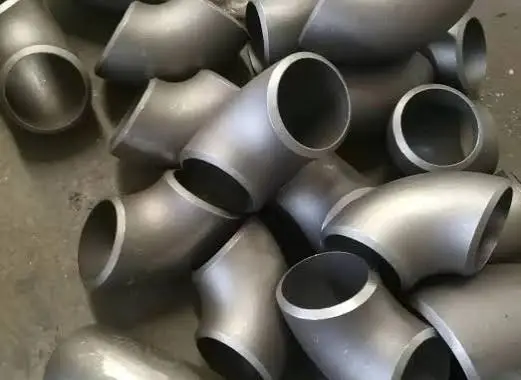
Understanding Pipe Elbows and Their Impact on Pipeline Integrity
The Engineering Purpose Behind Directional Fittings
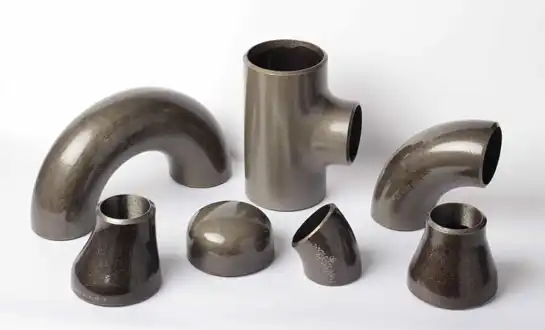
Pipelines rarely run in a continuous straight line. Flow efficiency has to be maintained on the terrain, where the equipment is located, and in the limited installation space, with changes in direction as necessary. The designed curvature of pipe elbows, which are 45°, 90°, and 180° shaped, makes these alterations feasible. 45° pipe elbows change flow direction gradually with little pressure drop. 90° pipe elbows create right-angle turns to connect equipment. 180° return bends allow flow to reverse direction in confined spaces.
The form of these pipe elbows greatly affects the hydraulic efficiency. Long-radius types have a centerline radius of 1.5 times the normal pipe size (NPS) and are more fluid and less turbulent. This design reduces pressure drops that waste energy and stress the walls of pipes. Smaller-radius alternatives with tighter curves may fit in smaller places, but they cause higher resistance and stress concentrations in certain regions.
Material Selection and Standards Compliance
The material of a pipe elbow determines how effectively the elbow is able to perform its operational functions. Carbon steel is inexpensive and robust enough to handle standard pressures and temperatures, so it may be used for things like water transport, HVAC systems, and basic industrial operations. Stainless steel or specific alloys are preferable for use in tough conditions such as maritime situations, high temperatures, or chemicals that break down metal. They will hold their form.
Manufacturing to well-known standards assures precise measurements and dependable performance. The specific tolerances for butt-weld fittings used in pressure pipes are specified by ASME B16.9. Dimensional tolerances for 45° and 90° pipe elbows are governed by ASME B16.9 standards. GOST 17375 is a steel butt-welding fittings standard. The standard is frequently used in oil and gas infrastructure. The specifications include pressure ratings and materials of construction. ISO and PED certifications are proof that a product complies with international quality standards. This encourages confidence in the safety gaps and the capacity of components to function together for purchasing teams.
Dimensional Precision and Pressure Ratings
To acquire the right wall thickness figures, you have to consider elements such as internal pressure ratings, temperature variations, and corrosion allowances, which are specific to the medium being conveyed. Walls that are too thin may break under operating force, whereas walls that are too thick are more expensive in material and more difficult to weld. Beveled end preparations assist the weld to melt effectively, resulting in leak-proof joints that equally distribute mechanical stresses across connections.
Pressure class ratings should correspond to the design criteria of the system. The Schedule 40, Schedule 80, and Schedule 160 designations refer to the wall thickness in relation to the diameter. Bigger schedules might take more stress. Matching pipe elbows ratings to pipeline design avoids weak points that become failure locations during pressure spikes or thermal expansion cycles.
Key Factors Threatening Pipeline Integrity Related to Pipe Elbows
Corrosion and Erosion Mechanisms
When the flow speed goes up around a pipe elbow bend, erosion patterns form that wear away at the pipe walls over time. This wear is sped up by abrasive particles in liquids or gases, especially near the edge where the flow hits the surface directly. Corrosive media chemically attack metal surfaces, creating holes and weak spots that spread through the wall thickness. When chemical degradation and mechanical erosion happen together, service life is greatly reduced compared to straight pipe sections.
The main way to protect against these risks is through material choice. Stainless steel grades containing chromium and nickel form passive oxide films that keep many corrosive agents from working. Specialized metals with molybdenum make them more resistant to pitting caused by chloride, which happens a lot in coastal and chemical processing settings. Carbon steel is still a cheap option for uses that don't involve corrosion, but it needs protective coats or cathodic protection systems for harsh environments.
Stress Concentration and Fatigue Cracking
When the direction changes, stress concentration zones form where mechanical loads get stronger. Because they are curved more tightly, short-radius pipe elbows are under more stress than long-radius pipe elbows. Fatigue cracks start at stress concentration points and spread through pipe walls because of cyclic loads from changes in pressure, thermal expansion, and shaking. These failures happen without notice, which makes them especially dangerous when used with high pressure or dangerous materials.
Long radius configurations spread stress across the fitting more evenly, which lowers the peak stress levels and increases the fatigue life. Seamless construction gets rid of longitudinal weld seams that can become places where cracks start, making the structure stronger. For welded versions, strict quality control is needed to make sure that the strength of the weld matches the strength of the base material. This keeps fusion lines from failing first.
Manufacturing Quality and Defect Prevention
Manufacturing processes significantly impact component reliability. When you hot-work solid billets to make seamless pipe elbows, you don't have to worry about the internal and external weld seams that come with manufactured forms. This construction eliminates weld seams that may become potential defect locations and improves overall reliability and eliminates potential leak paths. Welded pipe elbows are more cost-effective for larger diameters, but they require rigorous non-destructive testing for porosity, partial fusion, or slag inclusions that weaken the joint.
Surface treatments like sandblasting, passivation, and protective coatings make pipe elbows less likely to rust and make them easier to inspect. Quality control procedures check the accuracy of measurements, the makeup of the material by using spectroscopy, and the mechanical properties of sample batches through destructive testing. Traceability documentation connects finished goods to certifications of raw materials, records of heat treatment, and inspection reports. This provides procurement teams with verifiable quality assurance.
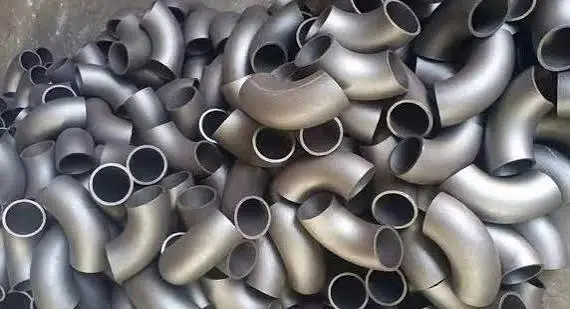
How to Choose the Right Pipe Elbows for Maintaining Pipeline Integrity?
Matching Specifications to Operating Conditions
The working envelope that parts must be able to handle is set by temperature and pressure factors. Materials that maintain strength at high temperatures without excessive deformation or oxidation are needed for high-temperature uses. For cryogenic services, materials must be able to stay flexible at temperatures below zero so they don't break easily. Safety factors for short-term conditions like water hammer or pressure surges that are higher than normal operating values must be included in pressure ratings.
Corrosion and pollution can't happen if the carried media and pipe elbow materials are chemically compatible. Acidic or alkaline solutions rapidly corrode carbon steel, so fittings made of stainless steel or lining are needed. Materials that can resist sulfide stress cracking or hydrogen embrittlement may be needed for hydrocarbon services. By looking at chemical resistance charts and material specs, you can be sure that the parts you choose will work in the process for as long as they are supposed to.
Balancing Radius Type with Space and Performance Requirements
Long-radius pipe elbows make flow better by reducing turbulence and pressure loss as much as possible. This means that the system will use less energy for pumping over its entire life, especially in ongoing process uses. The smoother flow also lowers the rate of erosion, which makes parts last longer and requires less maintenance. Applications with enough room should always use long-radius designs to get the most out of these benefits.
In setups with limited space, small-radius fittings are sometimes necessary, even though they are not ideal for hydraulics. Long-radius options might not be possible in places with tight piping bays, equipment connections, or retrofit projects. In order to fit systems into limited room, you have to be willing to deal with higher stress levels and pressure drops. Some performance losses can be made up for by using better materials or building walls that are stronger.
Sourcing from Certified Suppliers
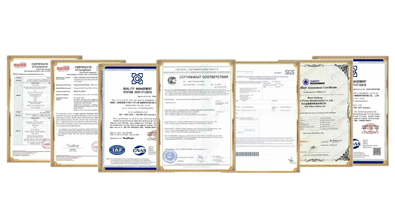
The dependability of a component is directly affected by the name and certification status of the supplier. Companies that have been around for a while and have ISO 9001:2015 quality management systems put in place strict process controls that make sure the quality of their products is always the same. Export certifications and third-party inspection reports from organizations such as SGS demonstrate compliance with international requirements and material requirements. Buying from approved sources lowers the chance of getting low-quality parts that break down early or put people in danger.
Bulk procurement from reputable manufacturers yields significant cost savings without compromising quality. When you have established relationships with suppliers, you can make changes to meet the needs of your project, such as needing non-standard sizes, special materials, or faster delivery times. Technical support from experienced providers assists with material selection, specification interpretation, and installation troubleshooting, which adds value above and beyond just supplying parts.
Conclusion
The integrity of a pipeline depends on how reliable the directional parts are that control how flow changes throughout the system. Pipe elbows play a critical role in maintaining smooth flow direction changes, and their reliability over the intended service life depends on the material choice, the accuracy of measurements, the quality of manufacturing, and the way they are installed. If they fail, it could put practical safety and efficiency at risk. Understanding the factors that compromise elbow integrity enables informed procurement and maintenance decisions, thereby preventing costly failures. New technologies in materials science, computational design, and condition tracking offer better performance and the ability to predict future issues, which will make pipelines even more reliable in the years to come. Choosing to buy from providers with a history of quality control protects the long-term value of assets and ensures that regulations are followed while maintaining safe operations.
FAQ
1. What distinguishes long-radius from short-radius elbows in practical applications?
Long-radius pipe elbows keep the centerline radius 1.5 times the standard pipe diameter. This makes flow changes that are smoother, which lowers pressure loss and turbulence. This shape spreads stress more evenly across the fitting, which makes it last longer in situations of repeated loading. Short-radius options have a tighter curve and a centerline radius equal to the nominal pipe size (NPS). This means they can fit into tight spaces where long-radius options can't. Because the geometry is so small, there are higher pressure drops and stress concentrations. This means that the materials need to be stronger or the service life needs to be shortened in exchange for the smaller size.
2. How does material selection affect elbow performance in corrosive environments?
Stainless steel types that contain chromium form protective oxide layers that keep many chemicals from breaking down, especially oxidizing acids and chloride solutions. Adding molybdenum makes things more resistant to pitting and crevice corrosion in chemical processing and marine settings. Carbon steel works well in non-corrosive situations and is much cheaper, but it needs protective layers or cathodic protection when it comes into contact with acidic or wet conditions. Specialized alloys work in harsh settings where regular materials wouldn't, but they cost more at first, so they need to be justified by a longer service life or lower upkeep costs.
3. Why do industry standards like ASME and GOST matter for procurement decisions?
Standards set the minimum and maximum sizes, types of materials, pressure limits, and testing standards that make sure parts work together and perform as expected. ASME B16.9 defines dimensional requirements and tolerances for factory-made wrought buttwelding fittings. This makes sure that the parts fit correctly during installation and that the stress is spread evenly in systems that are put together. GOST guidelines set the rules for materials and sizes that are commonly used in markets in Central Asia and Eastern Europe. This makes it easier for new products to work with infrastructure that is already in place in those areas. Buying parts that are made to well-known standards lowers the risks of merging and gives you proof of doing your research in safety-critical applications.
Partner With RAYOUNG for Reliable Pipe Elbow Solutions
RAYOUNG offers engineered butt-weld steel pipe elbows and complete pipe solutions. They are certified to ISO 9001:2015 quality standards and strictly follow export rules through GOST-R and SGS confirmation. We manufacture elbows from carbon steel, stainless steel, and exotic alloys in both standard and unique sizes that meet the ASME, GOST, and foreign standards that your projects need. We know that your buying choices are based on lowering lifecycle costs while still meeting safety standards. Our expert team gives you application-specific advice on how to match materials and configurations to your working conditions. This protects your investment from the start of the project by making sure that the right specifications are used. Buying from a well-known pipe elbow seller takes away the worries about compatibility and shipping delays that can throw off project plans. Our inventory management meets both current needs and planned maintenance cycles. We also offer competitive pricing that works with tight budgets without lowering quality standards. For technical information that helps you make smart decisions, email our experts at info@hb-steel.com. Ask for thorough specs, certifications of materials, and project quotes that are relevant to the infrastructure needs you have. Let us show you how precision-engineered fittings and quick technical support can protect the integrity of your pipeline for as long as it is in use.
References
1. American Society of Mechanical Engineers. ASME B16.9: Factory-Made Wrought Buttwelding Fittings. New York: ASME Press, 2018.
2. Mohitpour, M., Golshan, H., and Murray, A. Pipeline Design and Construction: A Practical Approach. Third Edition. New York: ASME Press, 2007.
3. Revie, R. Winston, ed. Oil and Gas Pipelines: Integrity and Safety Handbook. Hoboken: John Wiley & Sons, 2015.
4. Standardization Administration of China. GOST 17375-2001: Steel Welded Pipe Fittings with Butt-Welding Ends. Moscow: Standards Publishing House, 2001.
5. Nayyar, Mohinder L., ed. Piping Handbook. Seventh Edition. New York: McGraw-Hill Education, 2000.
6. Palmer, Andrew C. and King, Roger A. Subsea Pipeline Engineering. Second Edition. Tulsa: PennWell Corporation, 2008.

Need a quote? Want to see samples? Just say hello. We’re friendly. We’re fast. And we’re ready when you are.
Welcome to RAYOUNG – Strong Pipes, Stronger Promise