Flanges and Fittings: Material Selection for Oil & Gas
Material selection is key to project safety, lifespan, and cost-efficiency when considering flanges and fittings for oil and gas infrastructure. These essential piping components link pipelines, valves, and equipment in severe environments where corrosion-resistant materials are needed to endure pressures exceeding 2,000 PSI and temperature fluctuations ranging from below zero to over 1,000°F. The appropriate decision is a mix between mechanical strength, environmental resistance, and budget realities, all while complying with ASME, API, and international standards. Informed material selections safeguard operational integrity and reduce overall ownership costs across the asset lifespan.
Understanding Flanges and Fittings in Oil & Gas Applications
Defining Core Components and Their Functions
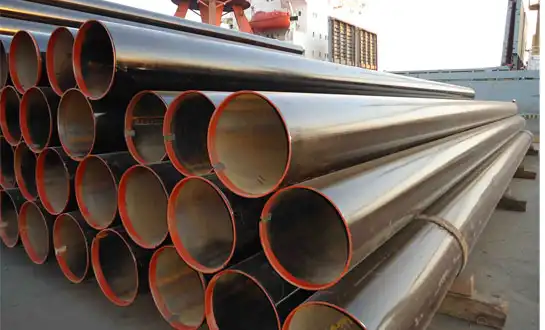
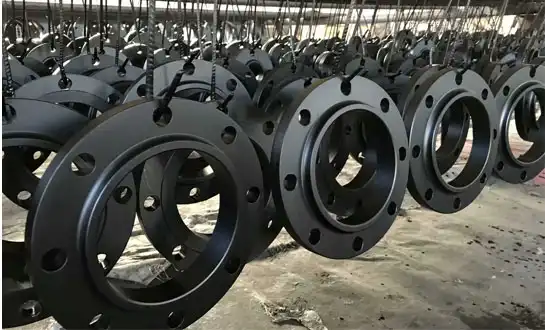
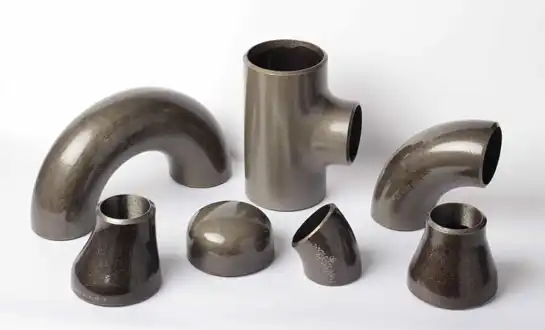
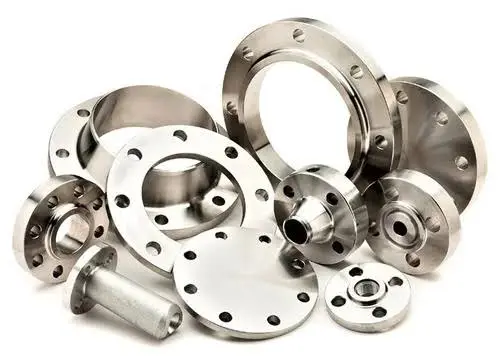
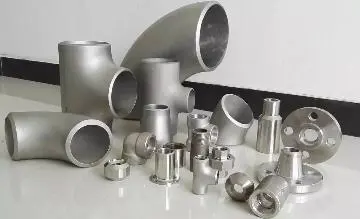
Pipe flanges are detachable mechanical connections that allow for inspection, maintenance, and assembly of transmission systems. Weld neck flanges are preferable for high-pressure circumstances because they distribute the stress more evenly. Slip-on types are less expensive and used in less stressful applications. Blind flanges seal the end of the pipeline, and lap joint designs allow for thermal expansion. Some fittings, like butt-weld elbows, alter the flow direction at angles of 45°, 90°, or 180°. Other fittings, such as reducing tees and concentric or eccentric reducers, modify the diameter of the pipe. Couplings join pipes of the same diameter, and caps fit tightly on open ends.
Industry Standards Governing Component Specifications
ASME B16.9 provides the standards for sizes and tolerances for butt-weld fittings to enable systems to operate together, while ASME B16.5 covers flanges up to a nominal size of 24 inches. European equivalents have pressure-temperature ratings to EN 10253. GOST rules are still in use in select export markets. API 6A is for wellhead and Christmas tree flanges for upstream activities. The pressure classes 150, 300, 400, 600, 900, 1500, and 2500 establish pressure-temperature ratings. The allowed pressures vary with material grade and temperature of operation.Procurement professionals must understand these technical specifications to select components that meet the structural requirements of the pipeline.This is of particular importance for API 5L line pipe grades used in long-distance transmission lines.
Critical Role in System Integrity
Oil and gas pipe networks have to be absolutely dependable, since failures may create environmental catastrophes, production stoppages, and safety problems. Properly specified connection points prevent leakage even under cyclic loading, heat stress, and vibration, as are prevalent in reactors and pipeline systems. Proper material selection mitigates risks such as hydrogen embrittlement, sulfide stress cracking, and erosion-corrosion by ensuring compatibility with the conveyed fluids. These reasons mean that the choice of materials is less a purchasing decision and more one of risk management.
Material Selection Criteria for Flanges and Fittings in Oil & Gas
Environmental and Operational Performance Requirements
In severe environments, the most crucial consideration is corrosion prevention. Hydrogen sulfide (H2S) in sour gas environments can cause sulfide stress cracking in carbon steel, necessitating the use of cracking-resistant materials. Offshore platforms must deal with saltwater spray and chloride pitting. Refineries must cope with acids, caustics, and elevated-temperature oxidation. Pressure rates have to take into account surge circumstances when the system is not in a constant state, and safety considerations must prevent catastrophic ruptures. Extremely high and extremely low temperatures demand materials that can remain flexible at very low temperatures or resist creep at high temperatures, notably in units using steam reforming and thermal cracking.
Carbon and Alloy Steel Options
Normalized carbon steel flanges and fittings to ASTM A105 specifications are the workhorses of the industry. Many ambient and moderate-temperature services find strong mechanical characteristics and good weldability. This material may be used for non-corrosive or somewhat corrosive services with the proper amount of corrosion allowance added to the wall thickness without breaking down too soon. ASTM A234 WPB fittings also perform well for butt-weld applications. The A350 LF2 kinds are utilized for low-temperature duty due to the superior impact durability as measured by Charpy impact tests. Grades with high yield, such as A694 F52/F60/F65, are comparable in strength to modern high-strength line pipes. This removes the risk of weak spots developing at connection points in transmission systems that are operating at design factors approaching 80% of the minimum yield strength.
Stainless Steel Grades and Applications
304 stainless steel has decent corrosion resistance in rather severe circumstances, but it may still break from chloride stress corrosion over 140°F in maritime environments. Grade 316 has a longer usable life in saltwater and marine conditions due to the addition of molybdenum, which also makes it more resistant to cracking. Duplex stainless steels, such as 2205, provide austenitic corrosion resistance and ferritic strength. They have roughly double the yield strength of 316 and provide a much increased resistance to chloride stress corrosion cracking. Super duplex grades may work in extreme conditions for undersea production systems. These materials are more costly but need less maintenance and parts last longer, reducing the total cost of ownership, provided the original expenditure is justified by a life-cycle study.
Specialty Alloys for Extreme Conditions
Nickel-based alloys such as Inconel 625 and Hastelloy C-276 can withstand the most corrosive chemical environments, such as extreme acids, high-temperature acidic environments, and sour gas at high pressures. These materials provide protection for critical equipment in fluid catalytic cracking units and hydroprocessing reactors, where they maintain good structural integrity when austenitic stainless steels would have failed. Titanium alloys offer high corrosion resistance and relatively low density, but they have to be welded in a precise manner. The choice of material is a compromise between performance requirements and cost limitations. Specialty alloys are reserved for extremely demanding applications; however, carbon or standard stainless steels are preferred when service conditions permit, in order to optimize project economics.
How to Select the Right Flange and Fitting Materials: A Decision Support Approach?
Evaluating Project-Specific Operating Parameters
The initial stage in materials selection is a comprehensive service state analysis. Document the maximum and minimum operating temperatures, along with any transient conditions that may occur during startup, shutdown, and process upsets. Set pressure limits to accommodate pressure spikes that may occur when valves shut or pumps trip. Describe the chemistry of the fluid, including its pH, chloride content, hydrogen sulfide concentration, oxygen level, and any pollutants that may be present. Take into account the cyclic loads caused by pressure variations and thermal expansion forces. Surface treatment is required, and the pace at which the material breaks down over many years of usage is further influenced by external variables such as air corrosion, UV exposure, and temperature variations.
Compliance with Regulatory Frameworks
API standards include the design, manufacture, and testing of oil industry products. For pressure equipment coming within the scope of PED 2014/68/EU, conformity assessment standards are to be met and, depending on their category, may need CE marking. ISO 9001 quality control systems provide consistent manufacturing procedures and traceability. Projects typically need material standards such as ASTM in North America, EN in Europe, or GOST for certain overseas projects. Having suppliers with numerous licenses makes it simpler to purchase, since they can provide documentation that is usable in several countries. This reduces the time required to acquire permission and the complications that might occur with customs in cross-border transactions.
Decision Metrics and Selection Tools
Corrosion allowances provide a balance between durability, weight, and cost by estimating how much additional wall thickness must be added to compensate for material lost throughout the design life. Some of the mechanical parameters that should be satisfied include minimum yield strength, tensile strength, elongation, and impact toughness at design temperatures. The weldability influences the cost of manufacturing and the number of inspections required. Carbon steels are simple to weld, while high-alloy alloys need particular procedures and heat treatment following the joint. Project timetables may be influenced by the availability of materials and lead times. For example, if a project requires that we purchase non-standard grades or big-diameter parts from a mill, rather than having them in stock, lead times may be impacted.
Avoiding Common Procurement Pitfalls
Ignoring the environment will lead to early failures, e.g., utilizing carbon steel in hydrogen sulphide service with the wrong material grades, which will result in severe cracking. If the supplier’s certification of flanges and fittings is not verified, it may result in receiving non-standard materials without mill test data or not being traceable, which may influence the approval and guarantee coverage of the project. Focusing solely on the initial purchase price ignores critical lifecycle costs, including maintenance, replacements, and costly downtime.Custom manufacturing instead of standard components costs more per unit, but you get a better fit and fewer adjustments in the field. Hiring expert sources allows you to match products to particular challenges and satisfy all the criteria in a timely manner.
Procurement and Sourcing Strategies for Flanges and Fittings in Oil & Gas
Identifying Qualified Suppliers
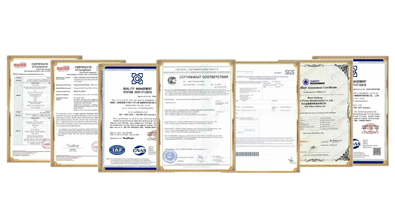
In addition to price quotes,suppliers are also evaluated on their manufacturing capabilities, their quality processes, and their name in the industry. Certifications like CE/PED 2014/68/EU, ISO 9001:2015, and GOST-R show that the product meets well-known standards. Approvals from major energy companies like NIOC, ADNOC, and PETROBRAS demonstrate proven reliability in severe service conditions. Audit reports check the ways things are made, how materials can be tracked, the ability to do non-destructive tests, and the systems for keeping records. Referrals to suppliers from similar projects can tell you a lot about how reliable their delivery is, how quickly they respond to technical help requests, and how well they solve problems during key stages of a project.
Bulk Purchasing Versus Custom Fabrication
Standard parts from a distributor's stock are ready to ship right away and have reasonable prices for common sizes and pressure classes. Custom fabrication can meet particular needs, such as reducing tees that match certain angle configurations, large-diameter 90° elbows that are outside of normal ranges, or special material grades that aren't available in catalogs. When specifications are shared between multiple projects, volume discounts are applied to bulk orders. This lowers unit costs by making production more efficient. Lead times range from weeks for in-stock items to months for mill runs of non-standard materials. This means that early planning for sourcing needs to be in sync with building plans to avoid expensive expediting fees or project delays.
Pricing Factors and Budget Management
Costs vary greatly depending on the type of material used. For example, carbon steel parts are much cheaper than stainless steel or nickel alloy parts of the same size. Heavy-wall, large-diameter, or close-tolerance parts that need advanced machining and inspection cost more because they are harder to make. Surface treatments cost extra. Sandblasting and anti-rust oil provide basic protection, eco-friendly water-based paint improves durability, and epoxy finishes are the best at resisting rusting in marine environments. Cross-border logistics involve significant expenses, including import duties, freight, and handling costs. This is especially true for heavy parts that are too big to be transported by road. Full technical paperwork, like material certificates, test results, and conformance declarations, is an added value that makes established providers' higher prices fair.
Leveraging Global Supply Capabilities
Manufacturers with a lot of experience keep a wide range of products that meet many international standards. Products that are compatible with ASME, EN, and GOST make projects that involve more than one area easier to complete. Chemical analysis, mechanical property verification, and non-destructive examination are all done in-house by testing labs that provide certified documentation that meets project requirements. Engineering support helps with choosing materials, checking pressure-temperature ratings, and getting approvals for substitutes when preferred materials aren't available. Logistics networks that are already in place organize shipping, take care of customs paperwork, and set delivery times that work with building milestones. This makes it easier for project teams to buy things from multiple vendors across global supply chains.
Conclusion
The choice of material for oil and gas flanges and fittings has a direct effect on the safety of the project, the reliability of operations, and the long-term profitability. Finding the right balance between performance needs and budget limits requires a deep understanding of the working conditions, the properties of the materials, and the rules. Carbon steels are cheap and work well in many situations. Stainless steels and other specialty metals, on the other hand, are better for corrosive environments and justify their higher starting costs by lasting longer. Strategic buying from certified providers guarantees quality, paperwork, and expert help as the project is carried out. Proper installation and proactive maintenance significantly extend component service life and reduce the total cost of ownership. Making well-informed decisions about important things protects assets, stops failures, and ensures reliable performance over decades of tough service.
FAQ
1. What distinguishes flanges from fittings in piping systems?
Flanges make bolted links between pipe pieces, valves, and equipment, which makes it possible to take the whole thing apart for repair. Through permanently soldered joints, fittings change the direction of flow, go from one width to another, or split fluid streams into different streams. Both play different roles in system design and need material specs that match the conditions of service.
2. How do you select materials for high-pressure applications?
For high-pressure service, materials must have the right yield strength, which can be checked by comparing their pressure-temperature ratings to ASME standards. Match the grades of the flanges and fittings to the yield strengths of the pipeline to avoid weak spots. Think about cyclic loads and surge situations, and add safety gaps above the steady-state design pressures to keep fatigue breakdowns from happening.
3. Are custom-fabricated components as reliable as standard products?
Custom parts made to recognized standards and with the right certifications are just as reliable as standard products, if not more so. Fabricators with a good reputation keep up with quality processes, do the tests that need to be done, and provide full paperwork. When standard sizes don't work, especially for large-diameter or special-material applications, custom solutions improve fit and performance.
Partner with RAYOUNG for Certified Piping Solutions.
With ISO 9001:2015, CE/PED 2014/68/EU, and GOST-R certifications, RAYOUNG offers complete pipe component options that are made to fit the needs of the oil and gas industry. Our butt-weld elbows, reducers, and flange assemblies are made from carbon steel, alloy steel, and stainless steel, and they are treated with advanced surface treatments like eco-friendly finishes to meet the strict requirements of ASME B16.9, EN 10253, and GOST. Approvals from NIOC, ADNOC, and PETROBRAS show that our quality meets the needs of tough uses. We can make unique sizes and use special materials, and we provide full technical paperwork to speed up the approval process for projects. Get in touch with our team at info@hb-steel.com to talk about your unique needs and find out why procurement professionals choose RAYOUNG as their go-to flanges and fittings supplier for reliable performance on time.
References
1. American Society of Mechanical Engineers. (2020). ASME B16.5: Pipe Flanges and Flanged Fittings NPS 1/2 Through NPS 24 Metric/Inch Standard. ASME Press.
2. American Petroleum Institute. (2018). API Specification 6A: Wellhead and Christmas Tree Equipment, 20th Edition. API Publishing Services.
3. Davis, J.R. (2006). Corrosion of Weldments. ASM International Materials Park, Ohio.
4. European Committee for Standardization. (2017). EN 10253: Butt-welding Pipe Fittings. CEN Brussels.
5. Mohitpour, M., Golshan, H., & Murray, A. (2007). Pipeline Design and Construction: A Practical Approach, 3rd Edition. ASME Press.
6. National Association of Corrosion Engineers. (2015). NACE MR0175/ISO 15156: Petroleum and Natural Gas Industries—Materials for Use in H₂S-Containing Environments in Oil and Gas Production. NACE International.

Need a quote? Want to see samples? Just say hello. We’re friendly. We’re fast. And we’re ready when you are.
Welcome to RAYOUNG – Strong Pipes, Stronger Promise