Pipe Flange Uses Explained in Oil, Gas, and Water Applications
Pipe flanges used to span across crucial infrastructure in the oil, gas, and water industries, acting as critical connection points for pipes, valves, pumps, and other equipment. These round plates, which are usually made of carbon steel, stainless steel, or special alloys, facilitate efficient assembly and disassembly for upkeep without damaging the structure. From oil rigs at sea to water treatment plants for cities, flanges can handle high-pressure flows, corrosive media, and wide temperature differences while still meeting strict safety standards.
Understanding Pipe Flanges and Their Industrial Applications
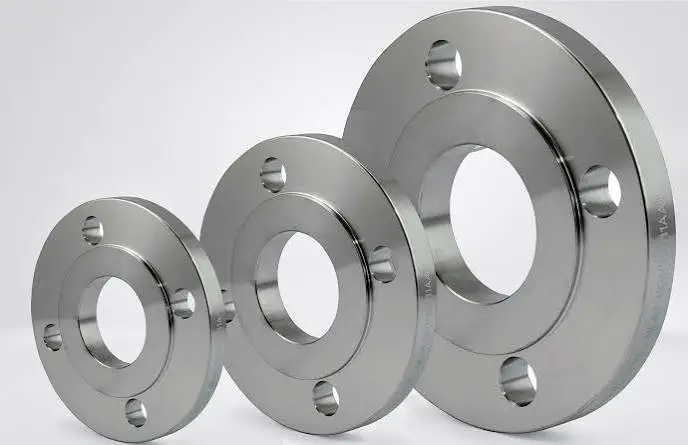
Pipe flanges are mechanical fittings that hold two pipe ends together or connect pipes to machinery. A flange typically has a flat face or raised face with bolt holes that are already drilled. When gaskets press against the matching surfaces, they create a seal. With this modular method, rigid pipe networks can be turned into movable systems that can be expanded, fixed, or replaced with new equipment.
Core Functions in Industrial Environments
When you look at what flanges do, you can see how useful they are for engineering. They spread mechanical stress equally across connection points, which stops breakdowns in one area that could lead to huge leaks. Flanges make it easy to quickly disconnect pipe sections in oil plants that work with volatile fuels. Flanges make it easy to change pumps in water treatment plants without having to drain whole networks. They are used to make pressure control stations integrate effectively with gas distribution systems.
Primary Flange Types and Their Mechanics
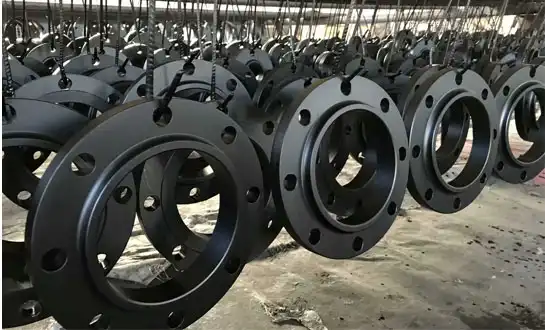
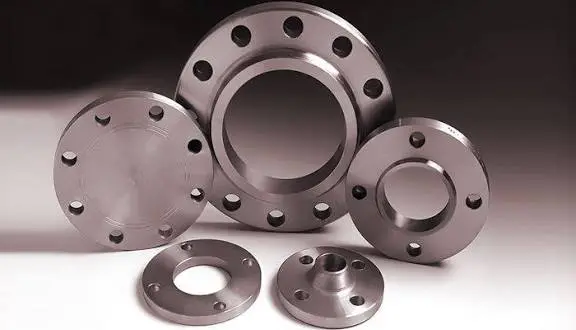
Different types of flange designs are used to solve different technical problems. Weld neck flanges have a tapered hub that gently transitions to the pipe wall. This reduces stress concentrations and makes them ideal for high-pressure and high-temperature applications. For lower-pressure water lines, slip-on flanges provide a more cost-effective solution because they only need two fillet welds to attach to the pipe ends.Blind flanges seal the ends of piping systems, allowing for pressure testing or future expansion. For systems that need to be taken apart often, lap joint flanges and stub ends work well together. Threaded flanges, on the other hand, let you quickly connect small-bore pipes without welding.
Material selection has a direct effect on efficiency. Because they are strong for the price, carbon steel flanges (ASTM A105) are used a lot in water infrastructure. 304 and 316 grades of stainless steel provide good corrosion resistance in many process environments, while sour gas conditions containing hydrogen sulfide may require materials selected in accordance with NACE MR0175 requirements. Nickel alloys can handle being exposed to very high temperatures in steam systems, and duplex alloys can handle being exposed to seawater.
Industrial Benefits Driving Adoption
In addition to simple connectivity, flanges offer measurable benefits. When prefabricated spool pieces are bolted together on-site, installation speed can increase, and labor costs can be reduced compared to extensive field welding operations. Technicians can work on specific parts of a system without shutting down the whole system, which makes maintenance windows smaller. This is very important in petroleum plants where downtime costs more than $50,000 an hour. Standardized designs that meet ASME B16.5, API 6A, and AWWA C207 standards make compliance easier and make sure that quality is the same across global supply lines.
Types of Pipe Flanges and Their Best Applications
To choose the right flange type, you need to match the design features to the needs of the process. Each configuration works best in its own situation, combining cost-effectiveness with mechanical efficiency.
Weld Neck Flanges for High-Stress Conditions
Weld neck flanges are most common in high-stakes service situations where failure is a risk that is worth the extra cost among various pipe flange uses. The long-tapered hub makes smooth stress transfers from pipe to flange, which keeps fatigue cracks from forming in compressor stations where loads change often. Weld neck flanges are usually required for 24-inch diameter headers in oil and gas transfer pipes that work at 1,440 psi, where a single leak could let thousands of barrels of oil out every day. In addition to meeting API 6A pressure containment standards for underwater wellheads, the butt-weld link also lets a full radiographic check happen.
Slip-On Flanges for Cost-Sensitive Projects
For municipal water projects with pressure levels below 300 psi and tight budgets, slip-on flanges are the best choice. Slipping the flange over the pipe, tack welding to make sure it's lined up, and then doing inside and outside fillet welds is a good way to place it in the field when bevel preparation equipment is unavailable. Slip-on flanges were used at pump stations in a recent 12-mile water main expansion. This cut the cost of purchase by 22% while maintaining the required long-term service life expectations. On the other hand, they have a little less fatigue protection than weld-neck types.
Blind Flanges for System Isolation
Blind flanges are used for specific tasks that go beyond standard links. They cap the ends of the pipelines during the pressure testing operations, and hydraulic tests make sure the welds are solid. In projects that are built in stages, blind flanges can be used as temporary tie-in points in the future, which saves money on repairs. They keep system pressure steady while workers work on heat exchangers or reactors in gas processing plants by isolating equipment during turnarounds. The solid disc design also allows for rapid system isolation during emergencies—drilling sites often keep blind flanges available for planned isolation and maintenance activities.
Material Standards Governing Performance
Specifications for the industry turn the qualities of metals into service factors that can be predicted. ASME B16.5 sets the standard for bolt hole patterns and face finishes for sizes up to 24 inches and specifies the sizes and pressure-temperature values for those sizes. API 6A sets the rules for wellhead equipment flanges that are put through 15,000 psi of pressure and bad service conditions. AWWA C207 specifies requirements for steel pipe flanges for waterworks service, ensuring durability in demanding environments. Carbon steel types like A105 and A350 LF2 are cost-effective options, and stainless steel 316L stops crevice corrosion in chloride conditions. Duplex 2205 is a good mix between resistance to corrosion and a yield strength of more than 65 ksi, which helps offshore bases reduce structural weight.
How to Choose the Right Pipe Flange for Your Industrial Project?
Procurement decisions require evaluating more than just catalog specifications. They also involve figuring out the total cost of ownership. The selection system needs to take into account both the current needs of the project and how well it will work for decades to come.
Pressure and Temperature Rating Analysis
Baseline needs are set by operating factors. For a steam system that goes back and forth between 450°F and room temperature, the flanges need to be made of materials whose thermal expansion values match those of the pipes that are connected to them. When growth rates don't match, bending forces happen that make bolts loosen over time. Pressure rates take safety into account; for example, a system that works at 600 psi usually needs Class 300 flanges that are rated for 720 psi at temperature. When the pump starts up, surge pressures can rise 40% above steady-state levels, so margins need to be considered. According to ASME standards, a Class 600 carbon steel flange that is designed for 1,480 psi at 100°F drops to 1,095 psi at 600°F.
Fluid Compatibility Considerations
Beyond basic rust charts, the chemistry of the conveyed media determines the choice of material for different pipe flange uses. The water that comes out of oil wells has dissolved CO₂, H₂S, and chlorides that work together to speed up the attack on carbon steel. Upgrading to 316 stainless steel increases the service life from 5 years to 20 years or more, but it costs 3–4 times more at first. On the other hand, carbon steel can handle high pressures in dry natural gas service, so expensive materials are not needed. Gasket compatibility is also important. Fiber gaskets that grow and creep are not allowed in hydrocarbon service; instead, spiral-wound or ring-joint gaskets that keep their sealing stresses are needed.
Regulatory and Safety Compliance
Certain standards must be met for government infrastructure projects. Federal changes to water systems include NSF-61 approval, which makes sure that materials won't release contaminants. Pipeline owners who cross state lines have to follow DOT CFR 192 rules that say how to do skilled welding and non-destructive testing. Environmental licenses might limit fugitive emissions, so valves installed in petroleum service may need to comply with API 607 fire-testing requirements. Knowing these standards ahead of time keeps you from having to make expensive changes during inspections.
Procurement Strategy and Supplier Evaluation
When sourcing, choices are made that weigh price, service, and dependability. Certified suppliers with ISO 9001:2015 and API Q1 registrations have quality control systems that can make sure production is uniform. When something fails, failures can be tracked back to mill test records that list the chemical makeup and mechanical properties. When project plans are tight, faster lead times from domestic sources are very important. However, if buffer inventory covers shipping delays, imported flanges may be cheaper by 15 to 30 percent. Checking the technical help a provider offers is also a good idea; talking to application experts clears up any questions about the specifications before the fabrication starts.
Installation and Maintenance of Pipe Flanges for Optimal Performance
When flange connections are installed correctly and maintained regularly, they go from being places where leaks could happen to being parts that last for decades. Written processes cut down on mistakes made by people and increase system uptime.
Pre-Installation Inspection Protocols
A visual check before putting it together finds mistakes in the manufacturing process and damage from shipping. Surfaces on flange faces need to be smooth; scratches deeper than 0.010 inches make leak paths around seals. Bolt holes must line up within a certain range; if they don't, cross-threading happens, which makes the links weaker. Dimensional checks show that the flange class fits the pipe plan; parts that don't match cause stress to build up. Solvent cleaning of the faces removes oil, dirt, and chemicals that may interfere with proper gasket sealing. Stainless flanges need to be ferrite tested to find carbon steel tooling pollution, which creates places where rust can start.
Gasket Selection and Installation
The materials used in gaskets have to be able to handle working situations and keep their compression under load. When the temperature changes, spiral-wound gaskets with filler made of graphite and stainless steel windings excel in thermal cycling applications by providing excellent recovery characteristics. Ring-joint gaskets that have been machine-cut into flange holes can handle pressures in API wellheads that are higher than 10,000 psi. When exposed to hydrocarbons, rubber seals break down, but they work well with low-pressure water. When installing, it's important to carefully center the gaskets, since misplaced gaskets cause uneven pressures that can cause leaks. Following star patterns, torque sequences gradually tighten nuts that are opposite each other to spread loads evenly. When working on big flanges, where hand tools can vary, hydraulic torque wrenches make sure the force is always the same.
Bolt Tightening and Torque Management
To get the right sealing stress, the bolts must be loaded precisely. Undertightening can result in leaks, while overtightening can crush gaskets or stretch bolts beyond their yield strength. The torque specs depend on the type of bolt material, how well it is oiled, and the pressure that is wanted. With lubricant, a standard 2-inch Class 150 flange with eight 5/8-inch bolts needs 75 ft-lb of force. You can use formulas like T = K × D × P (torque = nut factor × diameter × preload) to help you figure things out, but the friction coefficients change depending on the type of lubrication you use. By measuring the length of a bolt using ultrasound, you can directly check the preload on important parts and get rid of any calibration errors that come with using a torque wrench.
Routine Maintenance and Inspection
Regular checks find wear and tear before they cause problems in pipe flange use. Visual scans are done every three months to find leaky flanges that need to be retorqued. Uneven temperature ranges seen by thermal cameras are a sign of internal decay. Ultrasonic thickness testing measures the amount of rust loss and replaces the wall when it hits the minimum design values. Checks for thread galling, rust pitting, and stress corrosion cracking are done on bolts. Documentation systems keep track of the service history of flanges, comparing failure trends with working conditions to find the best repair times.
Systematic methods are used to fix leak problems. If the leaks don't go away after retorquing, it means the gasket is damaged and needs to be replaced. Leaks at certain bolts mean that the load isn't being distributed evenly because of bent or warped flanges or bolts. Seasonal leaks that happen at the same time as changes in temperature are a sign of uneven thermal expansion. Because corrosion leaks break down bolt threads, you need to use higher-quality, higher-grade bolting materials and gaskets.
Conclusion
Pipe flanges' uses in the oil, gas, and water industries are a testament to their exceptional versatility when it comes to making safe, easy-to-maintain links. Knowing the different types of flanges, the properties of the materials used, and the selection criteria helps buying teams choose parts that are safe, work well, and are the best value for money. Proper installation and adherence to preventative maintenance protocols can make them last longer and reduce the chance of downtime. Working with certified suppliers guarantees uniform quality, adherence to regulations, and expert help throughout the entire lifetime of a project. This protects infrastructure investments in the long run.
FAQ
1. What determines the pressure rating of a pipe flange?
Ratings for pressure depend on the type of material, the temperature, and the flange class. ASME B16.5 lists seven pressure classes: 150, 300, 600, 900, 1500, and 2500. As the temperature rises, so do the scores for each class. High temperatures weaken materials, so a Class 300 carbon steel plate can only take 535 psi at 500°F, while it can take 720 psi at 100°F.
2. Can different flange types connect together?
If the face measurements, pressure classes, and bolt patterns are all the same, you can use different types of flanges on the same joint. A slip-on flange and a weld neck flange of the same class and size can fit together, but the joint's grade will be based on the lower-strength part. But mixing standards (ASME and DIN) usually doesn't work because the bolt hole spacing and face shapes aren't the same.
3. How often should flange bolts be retorqued?
The initial retorquing typically occurs 24 hours after system startup and reaching operating temperature, giving the seal time to relax and become stable. The next check-in times depend on how bad the service is; for example, heat cycling systems may need to be checked every three months, while stable water service requires checks once a year. No matter what the plan is, retorque must be done right away if there are visible leaks, vibrations, or changes in temperature.
Partner with RAYOUNG for Reliable Pipe Flange Solutions
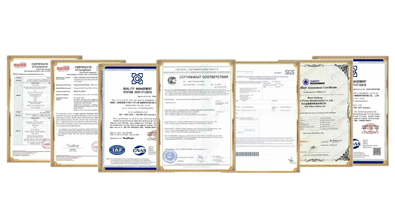
Industrial plumbing systems need parts that can last for decades without leaking, even in harsh situations. As a well-known company that supplies carbon steel pipe flanges, RAYOUNG adds ISO 9001:2015-certified manufacturing quality to projects that build water, gas, and oil infrastructure. Our wide range of flanges, which come in weld neck, slip-on, blind, and lap joint styles, meets ASME, ANSI, and API standards and can be customised to meet special needs. Our export compliance and metal quality are confirmed by our GOST-R and SGS certificates. We offer expert advice on Pipe flange uses, material selection, and fitting best practices to reduce project risks in addition to product supply. Email our team at info@hb-steel.com to talk about your needs and find out how smart relationships with suppliers can improve the efficiency of buying and the reliability of operations.
References
1. American Society of Mechanical Engineers. (2020). ASME B16.5: Pipe Flanges and Flanged Fittings: NPS 1/2 through NPS 24 Metric/Inch Standard. ASME Press.
2. American Petroleum Institute. (2018). API Specification 6A: Wellhead and Tree Equipment, 21st Edition. API Publishing Services.
3. American Water Works Association. (2017). AWWA C207-17: Steel Pipe Flanges for Waterworks Service, Sizes 4 In. Through 144 In.. AWWA Standards.
4. Bickford, J.H. (2008). Gaskets and Gasketed Joints, 2nd Edition. CRC Press.
5. Ellenberger, J.P. (2015). Piping and Pipeline Calculations Manual: Construction, Design Fabrication and Examination. Butterworth-Heinemann.
6. Singh, A. & Solanki, J. (2019). "Failure Analysis of Pipeline Flanges in Sour Service Conditions." Journal of Failure Analysis and Prevention, 19(4), 982-991.

Need a quote? Want to see samples? Just say hello. We’re friendly. We’re fast. And we’re ready when you are.
Welcome to RAYOUNG – Strong Pipes, Stronger Promise