ASME B16.9 Pipe Elbows — Dimensions and Specs Guide
When specifying fittings for industrial piping systems, understanding ASME B16.9 pipe elbows becomes crucial for procurement success. This standard defines dimensions, tolerances, and material requirements for butt-weld fittings used across oil and gas, chemical processing, power generation, and water treatment sectors. ASME B16.9 pipe elbows redirect fluid flow at precise angles while maintaining system integrity under varying pressure and temperature conditions, making them indispensable components in both new installations and maintenance projects across diverse industrial applications.
Understanding ASME B16.9 Pipe Elbows: Types and Standards
Essential Functions in Piping Systems
Pipe elbows are critical components because they redirect fluid flow while managing pressure drop and maintaining system efficiency.These fittings navigate structural obstacles, accommodate spatial constraints in confined areas, and connect equipment at various angles. The design lowers stress levels that might make the system less reliable while it's running.
Common Elbow Configurations
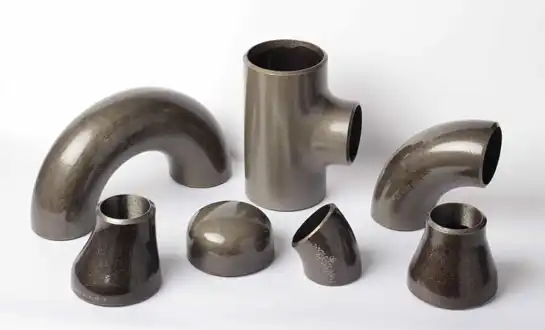
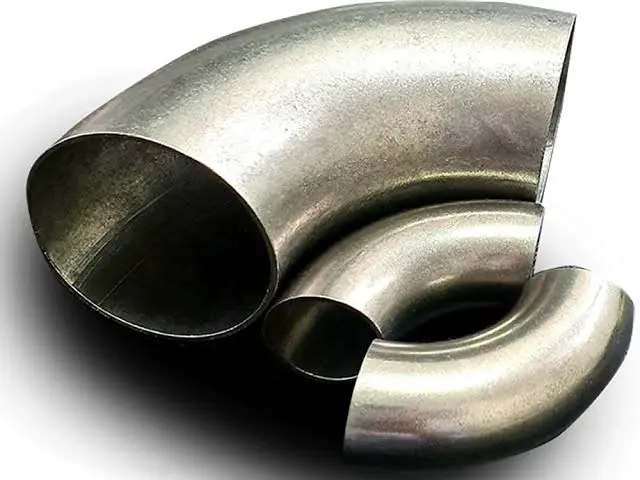
ASME B16.9 covers a range of angle combinations to meet a wide range of design needs. The 90-degree elbow changes direction at a right angle and is the most common configuration used in industrial settings. The 45-degree version lets you change the direction of flow more gradually, which lowers flow resistance in systems where smoother changes are better for efficiency. Custom angles can be made when the needs of a project call for geometries that aren't available in standard sizes.
The difference between long-radius and short-radius designs has a big effect on how the flow works and how the installation needs to be done. Long-radius elbows have a centerline radius equal to 1.5 times the nominal pipe size (NPS). This makes the flow smooth with little turbulence. Short-radius models have a centerline radius equal to the nominal pipe size (NPS). This makes them easier to put in places where there isn't much room. Weld seams can become potential weak points, but seamless construction doesn't have any. Conversely, welded versions provide a more cost-effective alternative for less critical applications.
ASME B16.9 Standard Overview
This standard ensures dimensional uniformity across manufacturers, facilitating seamless interoperability. This standardization streamlines the specification and procurement process. Buttweld fittings in a wide range of sizes are included, with dimensional requirements defined according to the applicable fitting type and size range specified in ASME B16.9. Dimensional tolerances make sure that the fittings fit correctly when they are installed. Angular tolerances are specified by ASME B16.9 and vary depending on fitting type and size. This keeps the alignment accurate even in complicated pipe networks.
For specific uses, related standards go along with ASME B16.9. ASME B16.28 historically covered short-radius carbon steel elbows, but its requirements have largely been incorporated into ASME B16.9, and the MSS SP-75 covers high-test wrought butt-welding fittings. Understanding these distinctions enables procurement professionals to specify the optimal components for their applications and avoid specification conflicts when they need to order materials.
Detailed Dimensions and Specifications of ASME B16.9 Pipe Elbows
Center-to-End Measurements and Bend Radius
Center-to-face dimensions define the distance from the centerline of the elbow to the mating face. They are very important for correctly laying out and making pipes. Center-to-end measurements for long-radius 90-degree elbows are usually 1.5 times the normal diameter, while measurements for short-radius elbows are about the same as the nominal diameter. These measurements have a direct effect on how much space is needed for installation and on the hydraulic calculations for the system.
When you compare long- and short-radius setups, the difference in bend radius affects both flow performance and the spread of mechanical stress. Long-radius shapes with 1.5xD ratios keep pressure drop to a minimum and stop erosion in high-speed situations. Short-radius options with 1xD ratios work well in situations where space constraints are more important than hydraulic efficiency, even though they lose more pressure and cause more turbulence.
Wall Thickness and Pressure Ratings
Wall thickness variations are designated by pipe schedules, including SCH 10, SCH 40, SCH 80, and XXS configurations.In piping systems that use pipe elbows, the appropriate wall thickness is also selected according to pressure requirements and operating conditions. Walls that are thicker can withstand more pressure and are stronger mechanically, but they cost more and are heavier. Schedule 40 is a standard design that balances strength and cost for moderate-pressure uses, while Schedule 80 is for high-pressure settings that need more safety limits.
Ratings for pressure depend on the type of material, the thickness of the wall, and the temperature at which it is used. Carbon steel elbows rated for 150# work can usually handle less pressure than parts rated for 300# or 600#. As running temperatures rise, temperature derating factors lower the pressures that are allowed. This means that the specifications need to be carefully thought out in order to keep the system's safe operating limits throughout its design life.
Material Selection and Properties
Corrosion protection, weather capability, and total cost of ownership are all greatly affected by the choice of material. Some types of carbon steel, like ASTM A234 WPB, are cost-effective for water, oil, and gas services that happen at room temperature. Stainless steel types like ASTM A403 WP316/WP316L stainless steel fittings don't rust and stay strong at high temperatures, which makes the higher original cost worth it because they last longer. Alloy steels with chromium and molybdenum have better creep strength for high-temperature power generation uses where carbon steel would break down too quickly.
How to Select the Right ASME B16.9 Pipe Elbow for Your Project?
Evaluating System Parameters
Prior to selecting an elbow, it is essential to conduct a comprehensive analysis of the operating parameters, such as the design pressure, the highest and lowest temperatures, the fluid properties, and the flow velocity. These factors determine whether a material is suitable and what pressure ratings are needed. Fluids that are corrosive or erosive may require materials that are better than carbon steel, and metals that can keep their mechanical qualities under high or low temperatures are needed.
The flow environment assessment shows whether long- or short-radius configurations are best for system performance. Long-radius designs that minimize turbulence and erosion are better for high-velocity applications. Systems that care more about compact layouts than hydraulic efficiency may choose fittings with short radii that can handle higher pressure drops to save room.
Material Comparison for Industrial Applications
Stainless steel works great in places where it can rust, like chemical processing, making food and drinks, and marine uses. The passive oxide layer protects against chemical attack and keeps things clean, which is very important in sanitary services. Carbon steel is more cost-effective for non-corrosive uses like processing hydrocarbons, distributing water, and building compressed air systems, where protective coatings stop rust from happening on the outside. Alloy steels fill in the gaps for high-temperature uses like steam systems and refining processes that need higher strength retention than what carbon steel can provide.
Practical Case Study Application
Think about a hydrocarbon processing unit in a refinery that needs pipe elbows for a 10-inch pipeline that works at 600°F and 900 psi. The high temperature is above what is suggested for carbon steel, and the process fluid is too acidic for PVC to be considered. When you specify ASTM A234 WP11 alloy steel elbows used with Schedule 80 piping, the chromium-molybdenum composition keeps the strength at operating temperature, and the wall thickness is just right for keeping pressure in. Long-radius 90-degree bends keep pressure drop to a minimum, which helps meet energy-saving goals and all safety and performance standards.
Installation Guidelines and Best Practices for ASME B16.9 Pipe Elbows
Pre-Installation Preparation
Verifying measurements correctly saves money by avoiding needless rework during the installation phase. Before welding starts, the right fit is made by comparing the pipe elbow dimensions to the design drawings. Material verification review makes sure that the chemical makeup and mechanical qualities meet the requirements, so materials that don't meet the standards can't get into the system. A visual check finds any shipping damage or manufacturing flaws that need to be fixed before the installation can begin.
Installation Process and Alignment
The right orientation of pipe elbows keeps the flow features and stops stress from building up that could lead to failure too soon. To get sound joints that meet code requirements, the welding process needs to be done by qualified people who are certified to do it. Full penetration welds are guaranteed by beveled end preparation, and residual stresses are relieved in thick-wall uses by post-weld heat treatment. Before the system is pressurized, the quality of the weld is checked with a non-destructive test, such as radiography or ultrasonic testing.
Handling methods keep fitting surfaces from getting damaged while they are being moved or put in place. Keeping things in a dry place before installing them stops rust, and caps on the polished ends protect them from damage from impacts. Large-diameter fittings don't deform during positioning as long as the right lifting techniques and rigging are used.
Common Installation Pitfalls
Dimension matching that isn't right is a common mistake that slows installations and costs more. By accident mixing short- and long-radius fittings, hydraulic performance becomes inconsistent, and it becomes harder to figure out what's wrong with the system. Not paying enough attention when choosing the bend radius could lead to too many pressure drops, which would lower the system's capacity below what was planned.
Failure to maintain material traceability can result in severe compliance issues during project audits and commissioning. Missing or incomplete material test reports (MTRs) preclude the verification of chemical compositions and mechanical properties, potentially necessitating the costly replacement of installed fittings. Keeping paperwork organized during the procurement and installation steps makes sure that regulations are followed and makes planning future upkeep easier.
Procurement Guide: Buying ASME B16.9 Pipe Elbows for Bulk and OEM Needs
Sourcing Strategy and Supplier Selection
Buying directly from certified manufacturers gives you peace of mind about quality and compliance, as well as access to technical support during the planning and installation stages. Manufacturers keep track of materials throughout production, send out approved material test reports, and stand behind the performance of their products. Distributors make things easier by keeping stock locally and delivering basic items faster, but they may not be able to provide as much technical support as direct manufacturer relationships.
Evaluating supplier credentials requires verification of relevant certifications, including ISO 9001:2015 quality management systems, API monogram programs for oil and gas applications, and ASME code stamp authorizations. These certifications demonstrate commitment to quality processes and regulatory compliance, reducing procurement risk.
Pricing Factors and Bulk Order Advantages
The main thing that affects price is the type of material used. Stainless and alloy steel are more expensive than carbon steel versions of pipe elbows. Size and wall thickness have a direct effect on the type of material used and how complicated the making process is, which in turn affects costs. Custom specs that call for non-standard sizes or materials cost more in engineering and tooling than what is offered in a catalog.
Through economies of scale in manufacturing and transportation, buying in bulk can get you better prices. Minimum order quantities vary by supplier and product line. When you make a bigger commitment, you can get bigger discounts. Keeping track of lead times is important for planning projects because standard items usually ship within weeks, but special fabrications can take months to make and test. Setting up a framework deals with accepted providers makes it easier to order from them again and again while also getting good terms for ongoing needs.
Technical Evaluation and Verification
Requesting product samples allows procurement teams to verify manufacturing quality prior to committing to bulk orders. Specifications alone can't show how well the work was done in terms of surface finish, measurement accuracy, and general quality. By looking at thorough datasheets, you can be sure that the material's properties, pressure levels, and compliance with dimensions meet the needs of the project.
You can learn about a supplier's dependability and service quality by looking at their past success. Checking references from similar projects can help you figure out what you might be worried about when it comes to delivery, documentation, or support after the sale. Online reviews and industry forums give you more information about a supplier's image and how happy their customers are, but for important uses, you should still get professional due diligence.
Conclusion
ASME B16.9 lays out the rules for defining pipe elbows that are the right size and can handle the pressure needed for industrial pipe systems. Procurement professionals can choose fittings that meet both performance and budget goals by understanding the differences between long and short radius configurations, how to choose the right material, and the right way to install it. Technical needs must be balanced with real issues like supplier skills, lead times, and total cost of ownership in order for projects to be successful. During the specification phase, thorough evaluation prevents mistakes that cost a lot of money, and building relationships with qualified suppliers guarantees consistent quality delivery that supports operating reliability throughout the lifetime of the system.
FAQ
1. What distinguishes 90-degree from 45-degree elbows in practical applications?
90-degree pipe elbows change the direction of flow at a right angle, which is good for straight pipe runs and machine hookups. When more than one elbow is needed to get the flow where it needs to go, 45-degree models offer smoother flow redirection, lowering pressure loss. The decision relies on the layout limitations, the desired hydraulic performance, and the amount of available room.
2. How can compliance with ASME B16.9 standards be verified?
To make sure of compliance, you have to look over paperwork provided by the manufacturer, like material test certificates and reports on measurements. Certified fittings have fixed marks that show the material grade, heat number, and name of the maker. Third-party inspection services offer independent confirmation when project requirements call for more control than what the maker can provide.
3. Are there limitations to using specific materials in certain temperature ranges?
When temps go above 140°F, PVC elbows begin to degrade, restricting their use to ambient temperature applications. Carbon steel can be used at elevated temperatures, but its allowable stress decreases as temperature rises, and higher-temperature services may require alloy steel alternatives. Specifications for each material spell out its maximum and minimum temperatures, so they must be carefully matched to the conditions of use.
Partner with RAYOUNG for Certified Pipe Elbow Solutions.
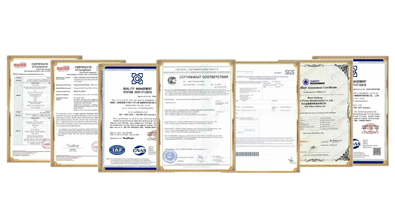
Precision-engineered ASME B16.9 pipe elbows from RAYOUNG can help with your important infrastructure projects and are always available. We have a large selection of elbows made of carbon steel, stainless steel, and alloy steel, and we can make them in standard or unique shapes. Our products are certified by ISO 9001:2015 and meet GOST-R standards for foreign projects. As a well-known company that makes pipe elbows, we know how important it is to deliver on time, provide full documentation, and offer technical support throughout the procurement process. Email our team at info@hb-steel.com to talk about your specific needs, get detailed specifications, or get competitive quotes for large orders.
References
1. American Society of Mechanical Engineers. (2018). ASME B16.9: Factory-Made Wrought Buttwelding Fittings. New York: ASME Press.
2. Harvey, J.F. (1991). Theory and Design of Pressure Vessels (2nd ed.). New York: Van Nostrand Reinhold.
3. Nayyar, M.L. (2000). Piping Handbook (7th ed.). New York: McGraw-Hill Professional.
4. Perry, R.H., & Green, D.W. (2008). Perry's Chemical Engineers' Handbook (8th ed.). New York: McGraw-Hill.
5. Spielvogel, S.W. (1983). Piping Stress Calculations Simplified. New York: Marcel Dekker.
6. Zappe, R.W. (2004). Valve Selection Handbook (5th ed.). Burlington: Gulf Professional Publishing.

Need a quote? Want to see samples? Just say hello. We’re friendly. We’re fast. And we’re ready when you are.
Welcome to RAYOUNG – Strong Pipes, Stronger Promise