Stainless Steel Pipe Flange Types and Applications Explained
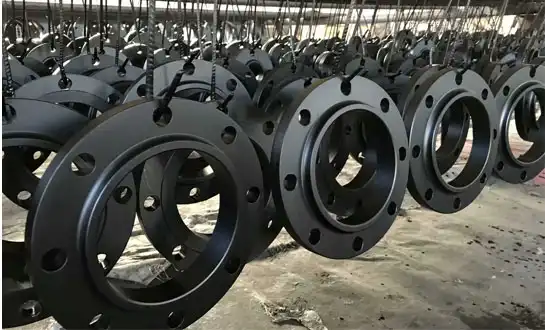
Stainless steel pipe flanges are crucial connecting elements in industrial pipe systems. They provide a firm and leak-free connection between pipes, valves, pumps, and other equipment. They are circular, disc-shaped fittings that enable easy installation and removal for maintenance, inspection, and modification and withstand high pressure and temperature conditions. They come in weld neck, slip-on, and blind forms to meet the specific operating requirements of the petrochemical, food processing, pharmaceutical, and water treatment industries.
Understanding Stainless Steel Pipe Flanges: Types and Characteristics
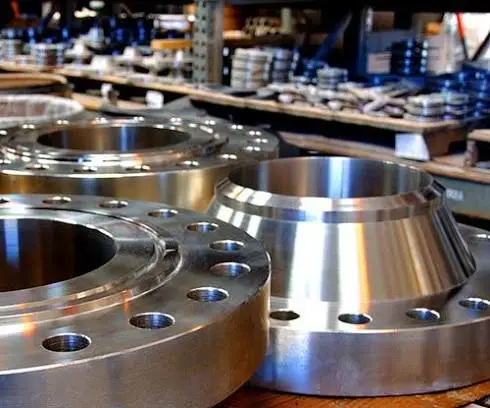
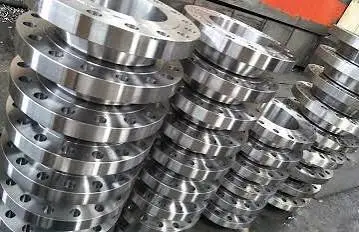
A stainless steel pipe flange is a forged or cast connecting ring that binds segments of the pipe together, preserving the integrity of the system under rigorous operating circumstances. Unlike welded couplings, these flanges permit removal without cutting. This addresses critical maintenance requirements in industrial environments that necessitate access and inspection.
Material Grades and Pressure Classifications
The types of materials that are utilised to manufacture flanges have a great influence on their effectiveness. Stainless steel 304 is corrosion-resistant and easily formed, making it suitable for a wide range of applications in slightly acidic environments. Grade 316 stainless steel contains molybdenum, which provides better resistance to chlorides compared with grade 304 stainless steel. This gives better protection against chlorides and acidic conditions and is of use in maritime service and chemical processing facilities. Duplex stainless steels have a microstructure that is both austenitic and ferritic. This gives them extremely good strength and resistance to stress corrosion cracking, and so they are well suited to high-chloride and demanding offshore applications.
Pressure classes are assigned to flanges according to the maximum pressure they can support at specified temperatures. Class 150 flanges are suitable for low-pressure applications, with pressure ratings determined by the flange material and operating temperature according to ASME B16.5. They are often seen in low-pressure steam and ordinary water distribution systems. Class 300 flanges are commonly used for medium-pressure process piping and steam services, with allowable pressure ratings depending on material grade and temperature. Grades 600 and above provide the strength required in processing units and major petrochemical processes operating at high pressures above 1,480 psi.
Six Primary Flange Types and Their Applications
When procurement professionals understand the practical distinctions between flange designs, they can accurately specify the optimal type for each application.
- Weld-neck flanges feature a lengthy hub with a taper that runs down to the pipe wall. This minimizes stress concentration at the base of the flange. Such a design affords them higher structural strength for high-pressure and high-temperature applications. This makes them the ideal option for critical service lines in power plants and industrial facilities where heat cycling and mechanical stress are of major concern.
- Slip-on flanges fit over the exterior of the pipe and thus require two fillet welds, one on the inside and one on the outside of the flange. They are highly cost-effective and facilitate straightforward installation, and therefore are an excellent alternative for low-pressure conditions and when frequent alignment adjustments are required. However, they are generally not preferred for severe cyclic loading applications because they have lower fatigue resistance than welded neck designs.
- Blind flanges have no centre hole and may be used as solid coverings to block up pipe ends or vessel openings. This makes it easy to shut down the system for maintenance, hydraulic testing, and planning for future expansion. They are important for flexible system designs since they may be utilised to terminate pipelines or provide entrance locations for inspections.
- Threaded flanges are connected with internal threads in a non-welded manner, which is advantageous in situations where hot work might be harmful, such as in explosive environments. They are suitable for small-diameter pipes in monitoring and utility systems where the simplicity of removal compensates for the lower pressure values compared with welded solutions.
- Socket weld flanges are a kind of flange that has a recessed socket to fit the pipe end and requires just one exterior fillet weld. This approach is effective for small-diameter high-pressure pipes when there is no space for duplicate welding. Their interior crevice is smaller than that of slip-on flanges, which minimises turbulence and erosion in situations requiring such a feature.
- Lap joint flanges and stub ends are assembled together as a two-piece assembly. The stub end is the sole part in contact with the process fluid. This arrangement allows the flange to be rotated into position for bolting without disrupting the weld. This is useful for costly alloys or when the flange will be moved around a lot in the system.
These kinds of flanges comply with the specifications of ANSI/ASME B16.5 for NPS 1/2 inch to 24 inches and ANSI/ASME B16.47 for greater diameters. This implies the same sizes may be used by manufacturers and buyers across the globe. DIN 2527 and JIS B2220 are commonly used flange standards in European and Asian markets, but their dimensions and pressure ratings may differ from ASME B16.5. When sourcing internationally, extreme diligence regarding specifications is required to prevent dimensional incompatibilities.
Comparing Stainless Steel Pipe Flanges with Other Materials
The composition of a stainless steel pipe flange has a great impact on its performance, service life, overall cost, and the maintenance that is required under different working circumstances. Understanding the distinctions may help you make intelligent purchasing decisions that match the demands of your specific profession.
Corrosion Resistance and Environmental Suitability
Stainless steel pipe flanges have extremely good resistance to rusting due to oxidising acids, chloride-containing liquids and the air. In many cases, the natural passive layer of chromium oxide on stainless steel surfaces protects itself and does not need additional coatings. This property is of significant interest to the food processing and pharmaceutical industries, where surface contamination from coating wear is an unacceptable danger.
ASTM A105 carbon steel flanges are commonly used in general industrial applications where corrosion conditions are controlled and are also significantly cheaper to build. However, they rust and oxidise readily, requiring protective coatings or cathodic protection systems that add to the asset’s lifecycle maintenance cost. Cross-contamination between stainless and carbon steel parts is something to consider. When it contacts carbon steel surfaces or is worked with tools previously used on carbon steel, localised rust sites develop on the stainless steel surface, with pieces of iron embedded in the stainless surface. This difficulty may be prevented by keeping items separately and utilising colour-labelled tools. Or it might compromise the corrosion resistance that makes the higher-end materials worth the additional expense.
Alloy steel flanges containing chromium, molybdenum, and vanadium provide improved mechanical qualities at elevated temperatures. They may be used for thermal power generation and high-temperature chemical synthesis at temperatures over 550°C. While their initial procurement costs may differ from standard carbon and stainless steels.But their resistance to high temperatures makes them worth specifying in creep-sensitive areas where carbon steel would fail quicker.
Manufacturing Methods and Structural Integrity
Seamless flanges are fabricated from solid forged billets, so there are no weld seams to initiate stress corrosion cracking or fatigue failure. The homogeneous microstructure offers them robust mechanical properties and higher performance in cyclic loading applications. Seamless flanges are made with CNC-machined sealing surfaces, which provide tighter surface finish tolerances and surface quality requirements. This will improve the functioning of the gasket and reduce the risk of leakage at fastened connections.
For big-diameter applications where the capacity of a forging press becomes a constraint, welded flanges constructed of plate material are a cheaper alternative. But the heat-affected zone (HAZ) adjacent to the circular weld has to be heat-treated after welding to restore its flexibility and prevent stress corrosion cracking in salty service. If you want welded flanges, comprehensive material traceability certificates (MTC) are crucial to ensure the appropriate heat treatment and mechanical property compliance.
How to Select the Right Stainless Steel Pipe Flange for Your Application?
When choosing the right stainless steel pipe flange specifications, you have to weigh the technical needs against the project's price, plan, and supply chain issues. This methodical technique lowers the risk of purchase while maximising the total cost of ownership.
Critical Decision Factors
Pressure and Temperature Ratings: First, find the highest working pressure and temperature. This should include temporary conditions during starting, shutdown, and upset situations. Add the right safety factors that are required by the codes. For static loads, these are usually 1.5, and for cyclic conditions, they are higher. To find the minimum pressure class, compare these requirements to the tables in ASME B16.5 that show the ratings for pressure and temperature. Think about the fact that higher-class flanges often have longer service lives because they can handle more corrosion, even if lower grades would meet your current pressure needs.
Dimensional Standards Alignment: Choose dimensional standards that match the current infrastructure to make sure that the bolt holes line up and that the gaskets work with them. When selecting a stainless steel pipe flange, it is important to ensure that its dimensions comply with the required standards for proper installation. In North American markets, ANSI flanges are most common because they offer a wide range of materials and shorter lead times. DIN standards are used for projects in Europe and the Middle East, while JIS standards are more in line with supply chains in Asia. When using different standards in the same job, make sure that the dimensions are compatible or ask for adapter flanges to make the changes easier.
Material Grade Selection: Choose a grade of stainless steel that works with the chemicals used in the process and the temperatures used. Grade 304 is good enough for most uses with water, light chemicals, and food. When chloride exposure increases or when operating conditions become more aggressive, grade 316 may be preferred because of its improved resistance to pitting and crevice corrosion. Duplex types are worth the extra cost in places like chemical processing units, desalination plants, and remote platforms that need to be strong and resistant to rust.
Face Type Selection and Sealing Considerations
The flange face determines whether the gasket is compatible and how well it seals across the pressure range. Raised face (RF) flanges have a sealing surface that is slightly raised and has circular serrations that grip soft seals. They can be used for most general-purpose tasks. The standard serration finish, typically ranging from 125 to 250 AARH (Arithmetic Average Roughness), strikes a good balance between gasket damage during installation and how well the seal works.
Flat face (FF) flanges allow full-surface contact and are good for connecting cast iron equipment where raised face designs could cause flanges to crack when bolts are tightened. They can be used in low-pressure ductwork and non-critical utility systems where the bolt stress needs to be lessened by compressing the gasket across the whole face.
Ring type joint (RTJ) flanges have a round or oval groove that metal ring gaskets can fit into. This makes a metal-to-metal seal that can stay strong even when pressure and temperature change a lot. They are commonly used in high-pressure applications such as wellhead equipment, high-pressure steam systems, and important hydrocarbon services where fugitive emissions must meet strict government limits.
Certification and Supplier Reliability
Procurement specifications must mandate comprehensive material test reports (MTRs) that list the chemical make-up, mechanical traits, and heat treatment records that can be linked to individual heat lots. Third-party approval from well-known organisations like Lloyd's Register, Bureau Veritas, or TÜV proves that the goods are of good quality and meet the requirements that were given. Protective coating options may be considered for carbon steel components used in outdoor or marine environments, while stainless steel typically relies on its inherent corrosion resistance. This means that they don't need to be maintained as often and cost less over their lifetime.
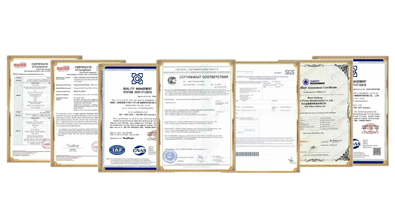
Partnering with certified suppliers who provide full MTC traceability significantly mitigates project risk and ensures consistent quality. Suppliers who keep their ISO 9001:2015 certification show that they use systematic quality management methods to cut down on defects and supply problems. For important uses, look for providers that can make personalised flanges with better mechanical properties, non-standard sizes, or special surface treatments that meet the needs of the specific project.
Conclusion
To choose the right stainless steel pipe flanges, you need to know how the properties of the material, the design features, and the needs of the application all work together. For vital high-pressure service, weld-neck configurations offer the most structural stability. Slip-on and threaded designs, on the other hand, make fitting easier for less demanding situations. Different types of materials, from normal 304 to high-performance duplex alloys, can be used to deal with corrosion problems in a wide range of chemical conditions. Dimensional standards like ANSI, DIN, and JIS make sure that products can be used anywhere in the world as long as they come from certified suppliers who can provide full traceability documentation. Correct installation methods and regular maintenance schedules extend the service life of equipment and keep it from breaking down too soon, which could affect safety and production.
FAQ
1. What are the main benefits of stainless steel flanges over carbon steel alternatives?
External coatings and cathodic protection devices are not needed for stainless steel pipe flanges because they are naturally resistant to corrosion. This lowers upkeep costs and increases service life in corrosive environments. Their non-reactive surface keeps products from getting contaminated in food and drug uses, and their high-temperature mechanical qualities make them reliable in steam and thermal processing systems.
2. How do I determine the correct pressure rating for my application?
Find the highest working pressure that includes short-term surges. Then, compare this number to the ASME B16.5 pressure-temperature rating charts for the material grade you chose. Add the right safety factors according to the codes, which are usually 1.5 for static loads, and choose the next higher class if the numbers you get don't match the normal rates.
3. Can stainless steel flanges be customised for unique requirements?
Manufacturers can provide custom flanges with non-standard dimensions, enhanced mechanical properties, specific facing types, or specialized surface treatments when required. When ordering a lot of something or when standard specifications can't meet specific engineering needs, customisation becomes a cost-effective option.
Partner with RAYOUNG for Certified Stainless Steel Pipe Flange Solutions.
RAYOUNG makes precision-engineered stainless steel pipe flanges that meet ANSI, DIN, and JIS standards with RF, FF, and RTJ facings suitable for high-pressure industrial applications. Our CNC-machined sealing surfaces ensure optimal gasket compression and leak-free performance, while full MTC traceability documentation supports regulatory compliance and quality assurance. We also offer hot-dip galvanized carbon steel flanges, providing extended corrosion protection for marine and outdoor installations. As an ISO 9001:2015-certified stainless steel pipe flange supplier backed by GOST-R and SGS certifications, we serve EPC contractors, distributors, and industrial end-users requiring consistent quality and reliable delivery schedules. Contact our technical team at info@hb-steel.com to discuss your project specifications and request detailed quotations for bulk orders.
References
1. American Society of Mechanical Engineers. (2020). ASME B16.5: Pipe Flanges and Flanged Fittings: NPS 1/2 Through NPS 24 Metric/Inch Standard. New York: ASME Press.
2. Davis, J.R. (2018). Corrosion of Stainless Steels. Materials Park, OH: ASM International.
3. Singh, R. (2017). Applied Welding Engineering: Processes, Codes, and Standards. Amsterdam: Elsevier.
4. Becht, C. & Warren, K. (2019). Piping System Design and Engineering: A Practical Approach. Houston: Gulf Professional Publishing.
5. Smith, P.R. & Zappe, R.W. (2016). Valve Selection Handbook: Engineering Fundamentals for Selecting the Right Valve Design for Every Industrial Flow Application. Burlington: Gulf Professional Publishing.
6. European Committee for Standardisation. (2019). EN 1092-1: Flanges and Their Joints – Circular Flanges for Pipes, Valves, Fittings and Accessories, PN Designated – Part 1: Steel Flanges. Brussels: CEN.

Need a quote? Want to see samples? Just say hello. We’re friendly. We’re fast. And we’re ready when you are.
Welcome to RAYOUNG – Strong Pipes, Stronger Promise