When to Use Dye Penetrant Testing on Steel Fittings
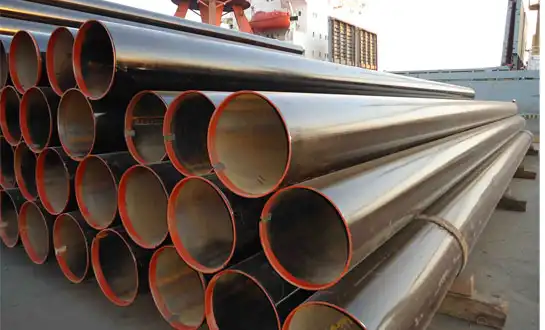
Dye penetrant testing on steel fittings should be implemented during critical quality control phases, including post-manufacturing inspections, pre-installation verification, and routine maintenance assessments. This non-destructive testing method is essential when surface integrity directly impacts system safety and performance. Industrial professionals rely on DPT to detect microscopic cracks, porosity, and surface discontinuities in carbon steel, stainless steel, and alloy steel components before they compromise piping system reliability and operational continuity.
Understanding Dye Penetrant Testing and Its Relevance to Steel Fittings
Dye penetrant testing (DPT) is a fundamental and highly effective non-destructive testing method utilized to detect surface-breaking flaws that are invisible to the naked eye. During the process, specially made liquid penetrants are put on the surface of pipe parts. This lets the solution seep into surface-breaking gaps through capillary action.
The Science Behind DPT for Industrial Components
One of the best things about dye penetrant testing is that it can reveal even tiny surface flaws that could weaken structural integrity. When the penetrant liquid is put on parts of industrial pipes, it runs into cracks, holes, and other surface flaws. Once the extra penetrant is gone and a developer is applied, these flaws can be seen clearly in the right setting.
Modern ways of making parts out of carbon steel and stainless steel often put stress on the surface, which can eventually lead to tiny cracks. Even though these flaws don't seem important at first, they can get worse under working stress and thermal cycling, which can cause the system to fail.
Critical Applications in Industrial Piping Systems
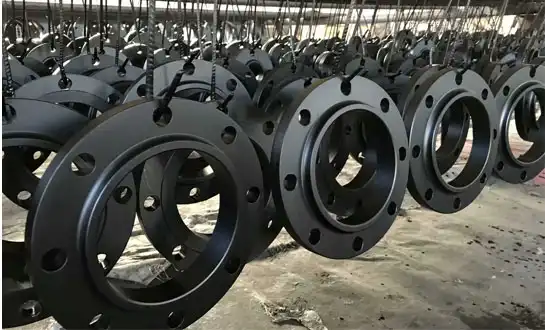
This method works especially well for parts made according to ASME B16.9, EN 10253, and GOST standards, since the quality of the surface has a direct effect on how well they work over time. Standard visual inspection methods can't reliably detect surface flaws caused by manufacturing processes such as forging, casting, and welding.
Surface treatments like grinding, applying anti-rust oil, and putting on an epoxy covering can sometimes hide flaws that are deeper.
Performing DPT prior to any surface treatment ensures that the base material strictly meets structural integrity requirements, effectively preventing the application of premium coatings over compromised or defective surfaces.
Key Conditions and Scenarios to Use Dye Penetrant Testing on Steel Fittings
To know when to use dye penetrant testing, you need to carefully think about the stages of production, business needs, and risk assessment processes. This inspection method is needed in several situations to make sure that the system works well and meets safety standards.
Post-Manufacturing Quality Control
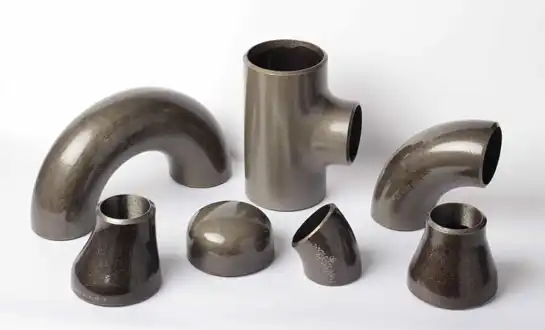
During the manufacturing process, there are naturally places where defects could happen that need to be checked regularly. When you weld butt-weld elbows and tee joints, you make heat-affected zones where thermal forces can cause tiny cracks. These areas need to be carefully checked with DPT to make sure the quality of the welds and the stability of the base materials.
When high-pressure steel fittings are forged, the process can leave surface laps or gaps that make them less able to hold pressure. DPT finds these production flaws before the parts are used, which stops expensive failures in the field and safety issues.
When you cold form reducers and other specialized shapes, you can make materials more likely to crack by work-hardening them. During production, regular DPT checks help make sure that the quality standards are the same for each batch of products.
Pre-Installation Verification Protocols
More and more installation companies are realizing how important it is to test systems before they are installed to reduce project risks and make sure they work well. DPT lets you quickly and cheaply check that parts meet design requirements before putting them together in important systems.
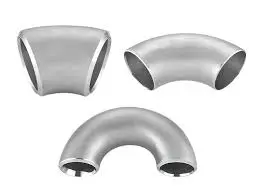
Because of how they are made, custom-sized parts or parts made from unusual materials need stricter checking procedures. Large-diameter 90° elbows and reducing tees often undergo specialized forming processes that can introduce surface stresses requiring DPT inspection.
Comprehensive testing before installation is helpful for projects operating in harsh environments, such as high-pressure steam systems or corrosive chemical service. The DPT results show that the surface is of good quality, which supports guarantee claims and legal requirements.
Maintenance and Service Life Assessment
Different types of stress are put on pipe parts in operational settings, which can cause surface defects over time. Changes in temperature, pressure, and chemical contact can all lead to surface cracking from wear, which is easy for DPT to find during regular maintenance checks.
In some environments, corrosion-resistant materials such as stainless steel grades 304L and 316L can develop stress corrosion cracking. Regular DPT inspections can help detect surface-breaking service-induced cracks before they compromise system integrity or cause unexpected shutdowns.
Comparing Dye Penetrant Testing with Other Testing Methods for Steel Fittings
The right inspection method is chosen based on the needs of the application, the type of flaw, and the limitations of the process. Knowing what each testing method can and can't do is important for making sure that quality assurance programs are built correctly.
Surface Inspection Capabilities
DPT is very good at finding flaws that break the surface, which makes it perfect for finding cracks, holes, and surface laps in steel fittings. The method makes it easier to decide what to fix and how good the work is by showing where the flaw is and how big it is.
Even though visual inspection is a cheap option, it can't reliably find tiny surface flaws that DPT can. Magnetic particle testing can also find surface flaws, but it can only be used on ferromagnetic materials, which means it can't be used on stainless steel or alloys that aren't magnetic.
Radiographic checking is a great way to find problems inside the body, but it can't find tight surface cracks that might not show up on X-rays. Ultrasonic testing is better at finding flaws below the surface, but it needs skilled workers and might miss some defects that are on the surface.
Cost-Effectiveness and Inspection Speed
DPT provides a practical balance between inspection sensitivity, operational efficiency, and cost-effectiveness. The process doesn't need a lot of special tools, and it can handle large numbers of inspections without taking too long.
Costs are higher for radiographic tests because of the tools needed, safety rules, and the time it takes to process the picture. Ultrasonic testing isn't as useful for everyday quality control tasks because it needs expensive tools and workers with a lot of training.
Field checks can be done at construction sites because DPT equipment is portable. This cuts down on transportation costs and project delays. This flexibility is especially helpful for big building projects where it wouldn't make sense to move parts to set inspection centers.
Benefits of Using Dye Penetrant Testing for B2B Steel Fittings Procurement
Putting in place full DPT plans is very helpful for all areas of buying and supply chain management. These benefits include more than just quick quality assurance. They also include long-term cost control and operating dependability.
Risk Mitigation and Quality Assurance
Surface flaws in pressure-bearing parts can cause major breakdowns that are very bad for safety and cost a lot of money. DPT finds possible failure places early on, so repairs can be made before the parts are put into service. This proactive method cuts down on business and legal risks by a large amount.
Because DPT results are written down, there are quality records that can be tracked down and used to show that they meet industry standards and government rules. These records are very helpful for audits, insurance reviews, and looking into guarantee claims.
Supply Chain Optimization
Suppliers who follow strict DPT procedures demonstrate a strong commitment to quality, which helps build long-term business relationships. Buyers can cut down on the number of inspections that need to be done when they work with certified providers who provide full DPT paperwork.
Because DPT results are ready quickly, just-in-time shipping plans can be used without sacrificing quality control. This efficiency supports the ideas of lean production and lowers the costs of keeping goods on hand.
Practical Guide: How to Perform Dye Penetrant Testing on Steel Fittings
For DPT execution to go well, process factors and environmental conditions need to be carefully monitored. Knowing the right way to do things guarantees consistent results and accurate flaw identification for a wide range of component sizes and types.
Surface Preparation Requirements
The most important thing for DPT success is to clean the surface very well. Oil, grease, paint, and corrosion products can get in the way of the penetrant going into the flaws or give false readings that make the check less reliable.
Using the right liquids for chemical cleaning of steel fittings gets rid of organic contaminants well. For heavy rust or scale removal, mechanical cleaning methods like wire brushing may be needed. The type of pollution and the state of the surface determine which cleaning method should be used.
Application Procedures and Timing
For the penetrant to function effectively, it must be applied with complete and uniform coverage over the entire specified inspection area. Spray application provides even coverage for complex geometries, while brush application offers greater control for localized inspections or repair verification.
The dwell time—the time between applying the penetrant and removing the excess—must be sufficient to allow the penetrant to enter surface discontinuities. Dwell time is affected by things like penetrant viscosity, surface roughness, flaw depth, and the temperature of the area.
Inspection Environment and Documentation
For accurate flaw identification and characterization, the lighting must be just right. White light inspections require adequate illumination levels, while fluorescent penetrant systems require ultraviolet light sources with appropriate wavelength and intensity.
Inspection records should include the components inspected, inspection procedures used, environmental conditions, and, when possible, photographs of detected defects. This information helps meet the standards for tracking and gives useful feedback for efforts to make processes better.
Conclusion
Dye penetrant testing serves as an indispensable quality assurance tool for steel fittings across diverse industrial applications. The method's effectiveness in detecting surface defects, combined with its cost-efficiency and operational flexibility, makes it essential for maintaining system reliability and safety compliance. Successful DPT implementation requires an understanding of proper procedures, environmental considerations, and documentation requirements. By integrating comprehensive DPT programs into procurement and maintenance protocols, organizations can significantly reduce operational risks while ensuring long-term system performance and regulatory compliance.
FAQ
Q1: What types of defects can dye penetrant testing detect in steel components?
Surface-breaking flaws like fatigue cracks, stress corrosion cracking, porosity, laps, and casting-related cold shuts can be found accurately with DPT. The method cannot detect internal defects or discontinuities that do not extend to the component surface.
Q2: Which steel grades are compatible with dye penetrant testing procedures?
DPT is suitable for most steel materials, including carbon steel, alloy steels, and stainless steels such as 304L, 316L, 321, and 347. Coatings or treatments on the surface may need to be taken off before inspection so that the penetrant can get to any flaws in the base material.
Q3: How often should routine dye penetrant testing be performed?
Inspection frequency depends on operating conditions, component criticality, and applicable regulatory or industry requirements. High-stress or safety-critical applications may require annual inspections, but less important systems can usually go longer between checks, depending on the state and how they've been used in the past.
Partner with RAYOUNG for Certified Steel Fittings Excellence
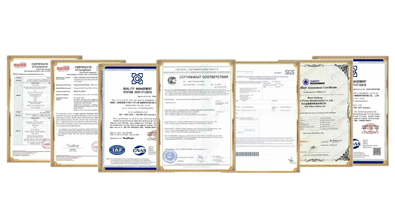
RAYOUNG delivers premium steel fittings manufactured to ASME B16.9, EN 10253, and GOST standards with comprehensive dye penetrant testing documentation. Our carbon steel, alloy steel, and stainless steel components undergo rigorous quality control, including DPT verification, before shipment. With ISO 9001 and relevant international compliance documentation available upon request, we provide the reliability your projects demand. Contact our steel fittings supplier team at info@hb-steel.com to discuss your specific requirements and receive detailed technical documentation supporting your procurement decisions.
References
1. American Society for Testing and Materials. "Standard Practice for Liquid Penetrant Examination." ASTM E165-18, West Conshohocken, PA, 2018.
2. Hellier, Charles J. "Handbook of Nondestructive Evaluation, Third Edition." McGraw-Hill Professional, New York, 2020.
3. International Organization for Standardization. "Non-destructive testing — Penetrant testing — Part 1: General principles." ISO 3452-1:2021, Geneva, Switzerland, 2021.
4. Raj, Baldev, T. Jayakumar, and M. Thavasimuthu. "Practical Non-Destructive Testing." Narosa Publishing House, New Delhi, 2019.
5. Shull, Peter J. "Nondestructive Evaluation: Theory, Techniques, and Applications." CRC Press, Boca Raton, 2020.
6. Workman, Gary L. and David Kishoni. "Nondestructive Testing Handbook: Liquid Penetrant Testing, Volume 2." American Society for Nondestructive Testing, Columbus, 2018.

Need a quote? Want to see samples? Just say hello. We’re friendly. We’re fast. And we’re ready when you are.
Welcome to RAYOUNG – Strong Pipes, Stronger Promise