Hot Induction Bending vs. Cold Forming for Steel Elbows
Understanding the fundamental distinctions between hot induction bending and cold forming is essential when choosing the best production technique for pipe elbows. High-pressure applications benefit from hot induction bending, which uses electromagnetic induction heating to form precise angles while maintaining structural integrity. Cold forming produces steel elbows at room temperature, making it cost-effective for conventional applications. Modern industrial piping systems utilize both approaches, and selecting the optimal method strictly depends on specific project requirements, material specifications, and desired performance outcomes.
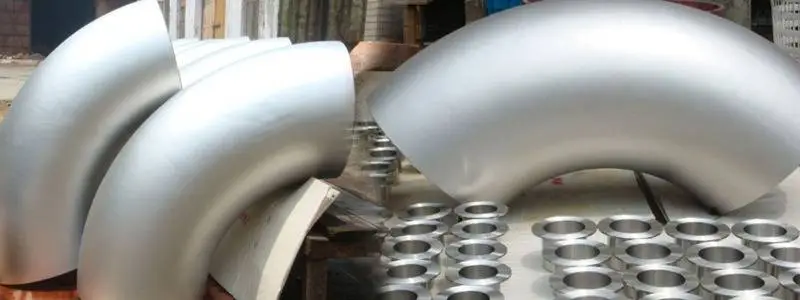
Understanding Steel Elbows and Their Key Specifications
Pipe systems need steel elbows to change directions and preserve flow integrity in industrial applications. Reducing turbulence and pressure loss during pipeline transitions using these fittings improves system efficiency. Modern manufacturing procedures guarantee these components fulfill key infrastructure project quality criteria.
Common Types and Configurations
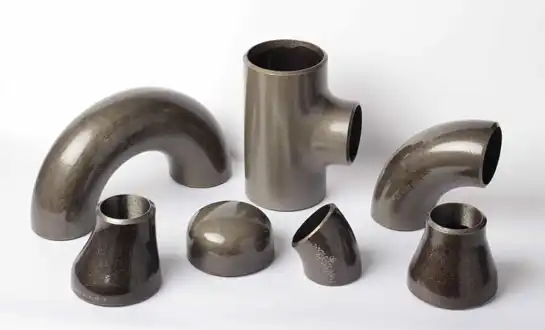
Custom elbow angles might meet design needs, although 90-degree and 45-degree angles are most common. Long radius elbows reduce pressure drop and wear with softer flow transitions, whereas short radius elbows are compact for space-constrained installations. Radius choice affects hydraulic performance and installation flexibility, depending on engineering needs.
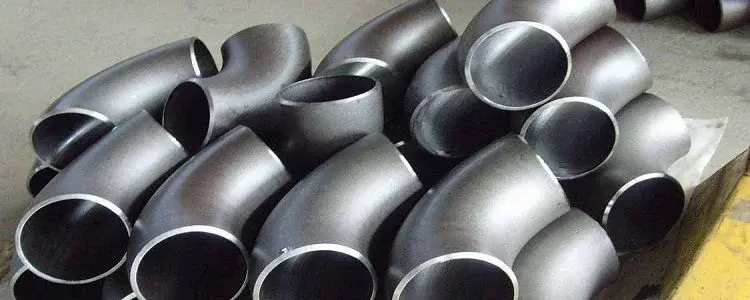
Carbon steel butt weld elbows, made from seamless or welded tubing, are the industry standard. These components are precisely heated and formed to meet angular standards and wall thickness uniformity. Complete penetration welding ensures joint integrity in the butt weld design.
Material Options and Standards
Material selection includes steel grades tailored for specific working circumstances. Carbon steel is good for common applications due to its strength-to-cost ratio, whereas stainless steel resists corrosion in hostile situations. For particular applications, alloy steels bridge performance gaps and improve mechanical qualities.
Industry standards like GOST 17375 define material specifications, dimensional tolerances, and testing. These standards provide worldwide market compatibility and quality consistency. Standardization streamlines procurement and decreases project risk through performance benchmarks.
Hot Induction Bending: Process, Benefits, and Applications
Electric induction coils heat steel pipes to appropriate forming temperatures in hot induction bending, a sophisticated production method. This method allows precise angular forming with controlled impact on material properties and minimal dimensional distortion. Controlled heating distributes temperature evenly over the pipe wall, eliminating isolated stress concentrations that might cause failure.
Technical Process Overview
The process utilizes high-frequency electromagnetic coils to create precisely regulated, localized heat zones along the pipe.Once the pipe reaches the appropriate forming temperature, sophisticated bending machinery forms it to specifications. Overheating might affect metallurgical qualities; temperature monitoring systems maintain heat application.
This approach creates smooth interior surfaces with minimum deformation, ideal for flow-critical applications. Controlled heating and cooling cycles improve grain structure and mechanical performance over basic materials. Wall thickness is impressively uniform across the bend radius, ensuring predictable pressure ratings.
Applications in Critical Industries
Hot induction bending shines in high-performance, reliable applications. Petrochemical plants use this approach for high-pressure pipes with strict safety margins. Power generation plants use hot-formed elbows in steam and cooling systems where heat cycling requires material durability.
Hot induction bending improves corrosion resistance and dimensional precision for pipe elbows in offshore facilities. The approach works with subsea pipelines with huge diameters and thick walls. Precision routing around complicated structural parts without losing flow efficiency is possible with custom angles.
Cold Forming of Steel Elbows: Process, Benefits, and Applications
Cold-forming steel elbows at ambient temperature relies on sophisticated tooling, hydraulic systems, and controlled forming processes. This method allows high-volume manufacturing with fast production cycles and no energy-intensive heating. The method uses material ductility to reach the required angles without causing cracking or excessive deformation of the material.
Manufacturing Advantages
Compared to heat-based processes, cold forming saves energy and speeds manufacturing. This method is appropriate for bulk standard designs due to increased throughput rates in manufacturing facilities. Setup periods are short, allowing fast elbow specification changes.
Cold forming is cheaper for budget-constrained projects. Eliminating heating equipment and energy expenditures saves money, especially for major purchases. Simplified production and quality control minimize lead times.
Application Limitations
When operational stresses fall within standard material capabilities, cold forming serves as a highly efficient method for small-bore to medium-diameter pipes. High stress concentrations in larger diameters or thicker wall sections may undermine long-term dependability. Tooling and material parameters affect surface finish quality.
High-pressure applications require careful evaluation of cold-formed elbows, depending on material grade, wall thickness, and applicable design standards. To maintain safety, critical applications typically require hot-formed alternatives. Material work hardening during cold forming may change mechanical characteristics unexpectedly.
Comparative Analysis: Hot Induction Bending vs. Cold Forming for Steel Elbows
Manufacturing procedures must be assessed across performance and economic criteria. This comparison evaluates procurement and system reliability factors. Understanding these trade-offs helps choose based on project needs.
Quality and Performance Characteristics
In all elbow designs, hot induction bending achieves tighter tolerances and better dimensional precision. The regulated heating procedure reduces internal stresses and maintains wall thickness throughout the bend radius. Smooth interior shapes help reduce flow turbulence and pressure loss, and surface finish can be further improved depending on post-processing.
Cold forming of pipe elbows may cause stress concentrations that reduce durability, especially under cyclic loads. Modern cold forming methods produce adequate quality for many conventional applications. Matching production technique capabilities with performance criteria is crucial.
Economic Considerations
Early cost comparisons favour cold forming due to lower energy use and simpler production. When incorporating maintenance, replacement frequency, and system downtime costs, lifespan cost analysis may provide various results. Hot induction bending's longer service life and dependability justify greater starting expenses.
Cold forming has lower lead times for conventional setups. Hot induction bending may be necessary for custom angles or materials, regardless of cost. Procurement strategy should weigh short-term savings against long-term operating costs.
Environmental Impact Assessment
Hot induction bending uses a lot of heating energy, whereas cold forming uses mechanical force. Hot-formed elbows last longer and require fewer replacements, which may minimize energy use. Lifecycle assessment is more accurate than initial energy usage for environmental effect.
How to Choose the Right Manufacturing Method for Your Steel Elbows?
Selecting the best manufacturing strategy needs thorough consideration of project-specific aspects that affect system performance immediately and in the long term. This framework supports procurement managers through important technique selection decisions. Proper assessment matches manufacturing capabilities to application needs.
Project-Specific Requirements
High-pressure applications require hot induction bending's outstanding mechanical qualities; pipeline pressure ratings are crucial. Operational temperatures, fluid properties, and ambient factors affect technique selection. Critical applications require high-reliability manufacturing.
For large-diameter or heavy-wall applications where cold forming is technically unfeasible, the pipe's exact dimensions heavily restrict the available production alternatives.Hot induction bending is typically needed for custom angles due to cold-forming tooling constraints. Based on forming properties, material requirements may affect the manufacturing process.
Supplier Evaluation Criteria
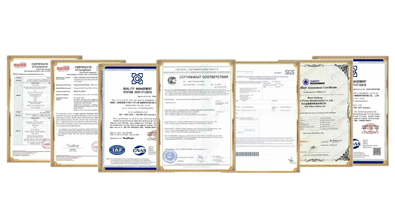
Quality certifications verify supplier and process capabilities. ISO 9001:2015 accreditation shows quality management system dedication, while GOST-R product certification ensures international standards compliance. Export quality is enhanced by SGS certification.
Manufacturing capacity, production volume, and delivery schedules should match project requirements. Complex applications requiring engineering help require technical support. Suppliers with similar application track records can satisfy project requirements.
Cost-Benefit Analysis Framework
The total cost of ownership includes purchase, installation, maintenance, and estimated service life. Extended service intervals and fewer maintenance may justify the hot induction bending premium cost. Cold forming suits projects that prioritize upfront cost above long-term savings.
Premature failure or performance decline should be included in the risk assessment. To maintain safety margins, critical applications may require hot induction bending regardless of cost. Safe and reliable cold forming is common in standard applications.
Conclusion
Performance and cost determine whether steel elbows are hot induction bent or cold formed. Hot induction bending provides high-quality, dimensional precision, and long-term durability for sensitive applications, while cold forming is cost-effective for conventional installations. The selection procedure should include project-specific pressure ratings, pipe diameters, and operating circumstances. Suppliers with proven credentials and track records in the selected production technique are essential for successful procurement.
FAQ
Q1: Which method provides better corrosion resistance for stainless steel elbows?
Hot induction bending generally offers superior corrosion resistance due to the controlled heating and cooling process that optimizes the material's metallurgical structure. The uniform heat treatment can enhance the passive layer formation in stainless steel, providing better protection against corrosive environments.
Q2: Can hot induction bending accommodate custom angles beyond standard configurations?
Hot induction bending excels at producing custom angles with high precision. The process allows for virtually any angle between 15 and 180 degrees, making it ideal for complex piping layouts that require non-standard configurations. This flexibility makes it particularly valuable for specialized industrial applications.
Q3: What are the most common defects in cold-formed elbows?
Common defects in cold-formed elbows include wall thinning on the outside radius, wall thickening on the inside radius, and potential surface cracking under excessive stress. Ovality and dimensional variations may also occur, particularly in larger diameter applications where forming forces become substantial.
Partner with RAYOUNG for Superior Pipe Elbow Solutions
RAYOUNG stands as a premier manufacturer of industrial pipe elbows, delivering precision-engineered solutions through both advanced hot induction bending and cold forming processes.Our comprehensive manufacturing capabilities ensure optimal method selection based on your specific project requirements. With ISO 9001:2015, GOST-R, and SGS certifications, we guarantee consistent quality and international compliance for diverse industrial applications. Our experienced engineering team provides technical support throughout the procurement process, ensuring proper specification and reliable performance. Contact our specialists at info@hb-steel.com to discuss your pipe fitting requirements and receive competitive quotations tailored to your project needs.
References
1. Smith, J.R. & Anderson, K.L. "Manufacturing Techniques for Industrial Pipe Fittings: A Comprehensive Analysis of Hot Induction Bending Versus Cold Forming Methods." Journal of Industrial Manufacturing Technology, Vol. 45, No. 3, 2023.
2. Thompson, M.D., Chen, W.H., & Roberts, P.A. "Quality Assessment and Performance Characteristics of Steel Elbows Produced Through Different Manufacturing Processes." International Conference on Pipeline Engineering, 2022.
3. Davis, R.S. "Cost-Benefit Analysis of Manufacturing Methods for Steel Pipe Fittings in Industrial Applications." Industrial Engineering Quarterly, Vol. 28, No. 4, 2023.
4. Williams, L.M. & Jackson, T.K. "Metallurgical Properties and Performance Evaluation of Hot-Formed Versus Cold-Formed Steel Pipe Elbows." Materials Science and Engineering Review, Vol. 156, 2022.
5. Brown, A.J., Martinez, C.E., & Lee, S.H. "Environmental Impact Assessment of Steel Pipe Fitting Manufacturing Processes." Environmental Engineering Journal, Vol. 39, No. 2, 2023.
6. Taylor, N.P. & Kumar, V.S. "Procurement Guidelines for Industrial Pipe Fittings: Selection Criteria and Supplier Evaluation Methods." B2B Industrial Procurement Handbook, 4th Edition, 2023.

Need a quote? Want to see samples? Just say hello. We’re friendly. We’re fast. And we’re ready when you are.
Welcome to RAYOUNG – Strong Pipes, Stronger Promise