When to Use Blind Flanges in Pipeline and Pressure Vessels
Blind flanges stop the flow of fluids or gases in a pipeline temporarily or permanently. They are necessary when a pipeline needs to be disconnected from the rest of the system for repairs, maintenance, or other reasons. These solid disc parts are used as covers that can be taken off and put back on. They can handle a lot of mechanical stress and prevent leakage in high-pressure applications. Knowing how to use them correctly is important for ensuring project safety, that rules are followed, and that operations run smoothly in a variety of workplace settings.
Understanding Blind Flanges and Their Key Applications
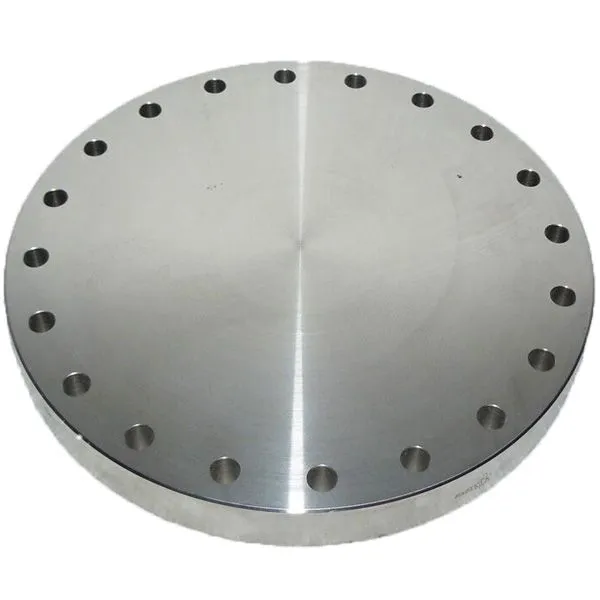
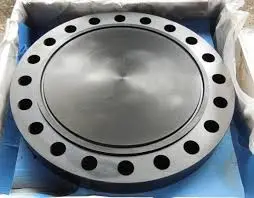
Blind flanges represent a specialized category of pipe fittings designed specifically for sealing pipeline ends and pressure vessel openings. Unlike conventional flanges that feature center bores for fluid passage, these components function as solid barriers that completely isolate sections of piping systems.
What Makes Blind Flanges Unique
The basic form of blind flanges is different from other types of flanges because they are solidly built. ASME B16.5 and B16.47 standards say that these parts must be able to withstand internal pressure acting on their flat surface, which results in maximum bending stress at the center. Because of this engineering need, the thickness has to be higher than with bored flanges to ensure structural integrity in harsh working conditions. These parts are useful in industrial settings because they can be used for both temporary and permanent sealing. During repair breaks, petrochemical refineries use them to separate areas with high-pressure hydrogen and hydrocarbon flows. These fittings are used by municipal water systems at the ends of transmission lines to make temporary ending points that make it easier to expand the system in the future.
Common Types and Material Specifications
The selection of appropriate blind flange types depends on specific application requirements and operating conditions. Blind flanges are typically manufactured as solid discs without a bore and are available in standard pressure classes and facing types (such as raised face or RTJ). They do not have variants like weld neck, slip-on, or lap joint, which are used for flanges with bores.
These diverse options ensure that engineers can select components that match their specific pressure ratings, temperature requirements, and installation constraints while maintaining compliance with industry standards. Material selection plays a crucial role in blind flange performance across different industrial environments. Stainless steel options provide excellent corrosion resistance for chemical processing applications, while carbon steel variants offer cost-effective solutions for standard industrial use. Marine applications often require copper-nickel or duplex stainless steel materials to resist chloride stress corrosion cracking in saltwater environments.
When to Choose Blind Flanges vs. Other Flange Types
Selecting the appropriate flange type requires careful consideration of operational requirements, pressure demands, and long-term maintenance needs. Understanding the comparative advantages of different flange types enables procurement professionals to make informed decisions that optimize both performance and cost-effectiveness.
Comparative Analysis of Flange Types
Blind flanges excel in specific applications where complete flow termination is required, distinguishing them from other common flange varieties. Weld neck flanges provide excellent strength for continuous service, but lack the complete sealing capability needed for pipeline termination. Slip-on flanges offer installation convenience but cannot provide the solid barrier function essential for maintenance isolation. The decision matrix becomes clearer when examining pressure rating requirements. Class 150 applications in water treatment facilities often utilize slip-on or threaded options for cost optimization, while Class 600 and higher pressure systems in petrochemical plants require the robust construction that blind flanges provide. The ability to withstand full system pressure without any flow passage makes these components indispensable for high-stakes applications.
Material Selection Considerations
Environmental factors significantly influence material selection decisions for industrial piping systems. Corrosive environments in chemical processing facilities demand stainless steel construction to prevent premature failure, while standard water applications may accommodate carbon steel with appropriate coatings. The initial material cost difference becomes negligible when considering lifecycle costs and replacement frequency. Temperature cycling presents another critical consideration in material selection. Applications involving extreme thermal variations benefit from materials with consistent thermal expansion characteristics. Duplex stainless steel offers superior performance in these demanding conditions, justifying higher initial costs through extended service life and reduced maintenance requirements.
Compliance with Pressure Rating Standards
ANSI and DIN pressure rating standards provide essential frameworks for safe flange selection and installation. ASME B16.5 covers standard pressure classes from 150 to 2500, while DIN standards offer metric equivalents for international projects. Proper classification ensures that selected components meet or exceed operating pressure requirements with appropriate safety margins. Understanding these standards becomes particularly important when specifying components for government infrastructure projects where compliance documentation is mandatory. Procurement teams must verify that selected flanges carry appropriate certifications and test documentation to meet tender requirements and avoid project delays.
The Installation and Maintenance of Blind Flanges
Proper installation procedures and maintenance protocols are fundamental to achieving reliable long-term performance from blind flange installations. Following established best practices minimizes the risk of failures while ensuring compliance with safety regulations and industry standards.
Step-by-Step Installation Guidelines
The installation process begins with the thorough preparation of the pipe end and flange surfaces. Clean, smooth surfaces ensure proper gasket seating and prevent leakage under operating pressure. Inspection of the pipe end for burrs, scratches, or other imperfections must be completed before proceeding with installation. Gasket selection and installation require careful attention to manufacturer specifications and operating conditions. The gasket material must be compatible with process fluids and operating temperatures while providing adequate sealing under the specified pressure range. Proper centering of the gasket within the flange face prevents extrusion and premature failure. Bolt tightening procedures follow specific torque sequences to ensure uniform stress distribution across the flange face. Cross-pattern tightening in multiple stages prevents warping and maintains even gasket compression. Final torque values must be verified using calibrated equipment to ensure strict compliance with manufacturer specifications and relevant industry bolting standards.
Common Installation Pitfalls
Misalignment is one of the most common reasons why industrial pipe systems fail to install properly. Misalignment, whether it's angular or parallel, creates stress patterns that are uneven, which can cause gaskets to fail and systems to leak. These expensive problems can be avoided by using the right alignment tools and methods during installation. Choosing the wrong gasket is often the result of not thinking about the working conditions or process compatibility enough. When sealing materials are not chemically compatible with process fluids, the materials can break down quickly, and the system can fail. Temperature values must also be carefully matched to avoid thermal degradation during operation. Incorrect bolt torque application, whether it's too little or too much, weakens the joint and system reliability. If you tighten something too much, it can damage the seals and cause stress concentrations in the flange materials. If you tighten something too little, it can leak and pose a safety risk.
Maintenance and Inspection Protocols
Establishing regular inspection schedules helps identify problems early, before they cause system failures or safety issues. According to plant maintenance processes and government rules, the flange faces, gaskets, and bolting should be looked at visually. Any signs of corrosion, wear, or damage need to be fixed right away to keep the problem from getting worse. Checking the tightness of the bolts during regular maintenance makes sure that the joint stays solid throughout its service life. Over time, thermal cycling and shaking can change the preload on bolts, which could make the system less safe. Retightening to the stated torque values keeps the gasket's compression and sealing properties in good shape.
Procurement Insights: How to Buy Blind Flanges for Your Projects
Successful procurement of blind flanges requires a comprehensive understanding of technical specifications, supplier capabilities, and quality assurance requirements. Making informed purchasing decisions protects project budgets while ensuring reliable long-term performance.
Key Technical Specifications
Proper material specification is the cornerstone of successful blind flange procurement. It is critical that mechanical properties—such as yield strength, tensile strength, and impact toughness—precisely match the application's demands and anticipated environmental conditions.
The chemical composition standards make sure that the product is compatible with the environment and process fluids. The pressure class designation tells you the highest pressure that can be used safely. It is possible to make accurate specifications for different uses when you know how pressure class, temperature ratings, and material qualities relate to each other. These rates include safety factors that allow for operational margins for changes in pressure and thermal effects. Dimensional standards make sure that the new pipes fit properly and work with the ones that are already in place. Standardised measurements are given by ASME B16.5 for common uses, but special manufacturing may be needed for specific needs. By comparing the measurements to the project specs, you can avoid expensive changes in the field and delays in installation.
Supplier Evaluation Criteria
Quality certifications are very important for making sure that production standards and material properties are met. ISO 9001:2015 recognition shows dedication to quality management systems, and material test certificates confirm the chemical makeup and physical features of the product. Export compliance and international quality standards are confirmed by GOST-R and SGS certifications. A supplier's manufacturing skills show how well they can meet project requirements and delivery dates. Figuring out a supplier's production capacity, quality control methods, and expert support skills can help you decide if they are a good fit. Long-term partnerships with dependable providers lower the risks of buying things and help ensure that projects are always finished on time.
Cost Optimization Strategies
The initial buy price is only one part of the total cost of ownership. Other parts include installation costs, maintenance needs, and expected service life. The value of higher-quality parts that last longer is often better than the value of cheaper ones that need to be replaced more often. If you buy in bulk, you can save a lot of money on big jobs or multiple installations. Establishing long-term framework agreements with qualified suppliers ensures price stability, guarantees material availability, and significantly reduces the administrative burden on procurement teams.
Case Studies and Practical Applications
Real-world applications demonstrate the critical importance of proper blind flange selection and installation across diverse industrial environments. These examples provide valuable insights into best practices and lessons learned from successful implementations.
Petrochemical Refinery Maintenance
During a planned repair shutdown, a large refinery on the Gulf Coast used blind flanges to separate high-pressure hydrogen lines. Under 1500 PSI working pressure, the RTJ facings on the 900-class stainless steel parts made the isolation leak-proof. Carefully choosing the materials kept the structure from breaking down in hydrogen while the maintenance time went on. The installation had to be done in a certain way because of the high-pressure hydrogen service and safety concerns. Customised lifting gear and accurate positioning tools made sure that the installation was safe and didn't damage the system. Before putting the system back into service, tests were done after installation made sure it worked without any leaks.
Municipal Water System Expansion
An urban water authority used blind flanges to isolate water mains until the system could be expanded in the future. The epoxy finish on the carbon steel parts kept them from rusting in raw water service and allowed more distribution lines to be connected in the future. Blind flanges were chosen for this Class 150 application because they were cheaper. The lower pressure grade and non-critical service conditions made it possible to cut costs without lowering safety or dependability. For future system expansion, maintenance crews simply need to unbolt and remove the existing blind flanges to extend the pipeline, eliminating the need for destructive cutting or welding.
Marine Vessel Tank Inspection
Offshore drilling platform tank systems need to be inspected on a regular basis to make sure they are in line with regulations. Blind flanges made of stainless steel can be modified with removable access openings that can handle being exposed to saltwater and still stay watertight. The parts make it possible to check the structure while keeping its strength under hydrostatic pressure. Specialised materials stop chloride stress corrosion cracking in marine environments. When compared to standard austenitic types, duplex stainless steel construction is stronger and more resistant to corrosion. The longer service life justifies the higher cost of the material.
Conclusion
Blind flanges are very important parts of pipelines and pressure vessels where reliable flow isolation is needed for safety, repair, and the ability to change how things work. Their unique solid design lets the whole system be shut off while keeping the structure's integrity under high pressure. To make the right choice, you need to carefully think about pressure levels, material compatibility, and environmental factors to get the best performance and make sure you're following industry standards. Knowing the best ways to put something and how to keep it in good shape will help it last longer and reduce operational risks. These parts are essential in petrochemical, municipal, and marine settings where safety and efficiency of the system cannot be compromised.
FAQ
1. What is the difference between blind flanges and spectacle blinds?
Blind flanges permanently or semi-permanently terminate pipeline ends, while spectacle blinds provide temporary isolation between two flanges. Spectacle blinds can be rotated between open and closed positions for maintenance purposes, making them ideal for systems requiring frequent access. Standard blind flanges offer more robust sealing for long-term applications.
2. Can blind flanges be modified for instrumentation connections?
Yes, blind flanges can be drilled and tapped for pressure gauges, drain valves, or other instrumentation. However, these modifications alter stress distribution and must follow engineering specifications to maintain pressure ratings. Off-center holes are often preferred to minimize impact on structural integrity.
3. When should RTJ facing be specified for blind flanges?
Ring Type Joint (RTJ) facing is commonly used in high-pressure applications, typically Class 600 and above, and elevated temperatures. The metal-to-metal seal provides superior leak protection compared to soft gaskets in severe service conditions. RTJ connections are particularly valuable in hydrogen service and other critical applications.
4. How do I verify blind flange quality before purchase?
Quality verification requires reviewing material test certificates, dimensional inspection reports, and manufacturer certifications. ISO 9001:2015 certification indicates quality management compliance, while ASME code stamps verify standard compliance. Third-party inspection services can provide additional verification for critical applications.
Contact RAYOUNG for Premium Blind Flanges
RAYOUNG delivers high-quality blind flanges manufactured to exacting standards for pipeline and pressure vessel applications. Our comprehensive product range includes ASME B16.5 certified components in various materials and pressure ratings to meet diverse industrial requirements. With ISO 9001:2015 certification and GOST-R compliance, we ensure reliable performance and regulatory adherence for domestic and international projects. Contact our technical team at info@hb-steel.com for expert consultation on blind flange selection, competitive pricing, and custom manufacturing solutions tailored to your specific application needs.
References
1. American Society of Mechanical Engineers. "ASME B16.5 - Pipe Flanges and Flanged Fittings: NPS 1/2 Through NPS 24 Metric/Inch Standard." New York: ASME Press, 2020.
2. Bickford, John H. "Gaskets and Gasketed Joints, Second Edition." Boca Raton: CRC Press, 2019.
3. Koves, William J. "Welding of Pipelines and Related Facilities." Houston: American Welding Society, 2018.
4. Nayyar, Mohinder L. "Piping Handbook, Eighth Edition." New York: McGraw-Hill Education, 2019.
5. Singh, Karan. "Industrial Pipeline Engineering and Construction." Oxford: Butterworth-Heinemann, 2021.
6. Towler, Gavin P. "Chemical Engineering Design: Principles, Practice and Economics of Plant and Process Design." Oxford: Elsevier, 2022.

Need a quote? Want to see samples? Just say hello. We’re friendly. We’re fast. And we’re ready when you are.

Welcome to RAYOUNG – Strong Pipes, Stronger Promise