How to Choose Reliable API 5L Pipe Manufacturers for International Projects
Selecting the right API 5L pipe manufacturers for international projects requires careful evaluation of quality standards, certifications, and manufacturing capabilities. With the petroleum and natural gas industries demanding precision and reliability, procurement teams must identify suppliers who meet strict API specifications while delivering consistent performance across seamless and welded steel line pipe products. This comprehensive guide provides the essential framework for evaluating potential partners and establishing successful long-term relationships with trusted steel pipe suppliers who understand the complexities of global project requirements.
Understanding the API 5L Pipe Market and Its Challenges
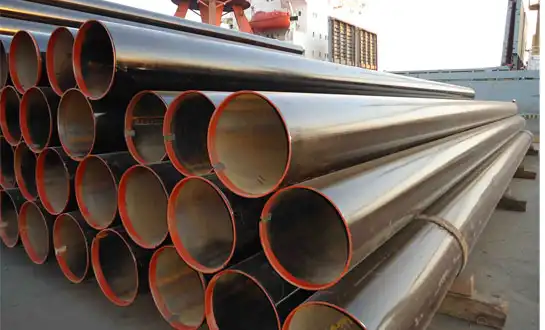
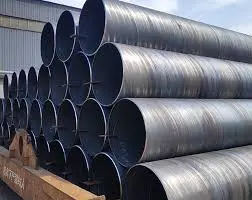
The API 5L pipe market is an important part of the world's energy grid. It includes a wide range of material grades and strict quality standards that have a direct effect on the success of projects. In the oil and natural gas industries, API 5L pipes are used to move gas, water, and oil. They are used in onshore pipelines, offshore installations, and process center piping systems.
Market Complexity and Grade Classifications
When choosing the right providers, it's important to know the difference between the different API 5L grades. From basic A and B grades to advanced X42 through X80 grades, the standard covers them all. The X number indicates the minimum yield strength in ksi (kilopounds per square inch). Grade B pipes are usually used for standard applications. Grades X52, X60, X65, X70, and X80, on the other hand, are made for high-pressure, critical pipeline systems that need better mechanical properties. Product Specification Levels (PSLs) make the choice process even more difficult. PSL1 offers standard quality for most uses, while PSL2 has stricter rules for chemical composition, mechanical features, and testing methods. PSL2 pipes require additional testing such as toughness tests and may include non-destructive inspections depending on project specifications, and tighter chemical composition limits. This means they can be used in high-pressure, critical service conditions where safety must be maintained.
Manufacturing Challenges and Supply Chain Risks
The global market for API 5L pipes is facing big problems that affect buying choices. There are different types of manufacturing, such as seamless (SMLS) and welded (such as ERW and SAW processes, including LSAW and DSAW). Each has its own benefits for certain uses. Seamless pipes are generally preferred for high-pressure applications, while welded pipes are more cost-effective for needs involving bigger diameters. Supply chain risks include changes in the consistency of the product, the introduction of fake or low-quality pipes, and the difficulty of managing foreign logistics that include shipping rules and customs clearance procedures. To navigate these challenges, procurement teams must develop rigorous evaluation protocols for prospective API 5L pipe manufacturers. These protocols should integrate strict quality control audits, comprehensive supplier verification, and strategic logistics planning to ensure both safety standards and project timelines are met.
Essential Criteria for Selecting API 5L Pipe Manufacturers
Establishing clear selection criteria enables procurement teams to systematically evaluate potential suppliers and minimize project risks while ensuring compliance with international standards and project specifications.
Certification and Compliance Requirements
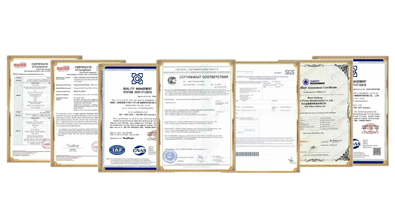
API certification is a must for any serious pipe manufacturer because it shows that they follow American Petroleum Institute standards for testing methods, chemical composition, and mechanical properties. Pipes that have the API monogram on them are visual proof that they meet the 46th edition's standards for carbon, manganese, sulphur, and phosphorus content. More proof of quality management systems can be found in ISO 9001:2015 certification, and export compliance and readiness for the foreign market can be shown by GOST-R and SGS validation. With these certifications, you can be sure that manufacturers follow the same quality control, tracking, and paperwork standards that are needed for foreign projects.
Manufacturing Capabilities and Quality Control
Production capacity has a direct effect on the viability of a project, especially for large-scale foreign installations that need a lot of pipes on short notice. Manufacturers must show that they can make pipes of both small and large sizes. SAW facilities can produce large-diameter pipes (typically up to 48"–56", depending on the process and equipment) when project requirements call for parts that are too big. Comprehensive testing procedures should be part of quality control systems. These should include chemical analysis, tensile testing, hydrostatic testing, and non-destructive evaluation using ultrasonic and radiographic inspection methods. Modern makers use systems that monitor chemical composition throughout the production process throughout the whole process. This makes sure that the properties of the materials stay the same and lowers the chance that batch differences will affect the integrity of the project.
Technical Expertise and Customization Capabilities
Modern projects that use API 5L pipes often need modifications or specs that aren't available in standard sizes. Reliable manufacturers keep technical teams that can change goods to fit the needs of each project while keeping API compliance and performance standards. This knowledge is very useful for projects that need specific length configurations other than the usual random lengths of approximately 4.8–7.3 meters or 10.7–12.2 meters, or for jobs that happen offshore. A manufacturer's willingness to provide technical documentation, material certificates, and engineering support during the procurement process shows that they are dedicated to the success of the project and the growth of a long-term relationship.
Comparing API 5L Pipe Manufacturers: Key Factors to Evaluate
Effective supplier comparison requires a systematic evaluation of various API 5L pipe manufacturers, focusing on critical factors that influence both immediate procurement costs and long-term project performance.
Cost Structure Analysis and Total Ownership Value
Price evaluation is more than just getting quotes per tonne. It also looks at full cost structures that include shipping costs, customs taxes, insurance coverage, and possible delays caused by poor quality. Transparent makers break down costs in great detail, which helps you stick to your budget and avoid surprises during the project's execution. Maintenance needs, expected service life, and possible downtime costs due to pipe failure or performance loss are all things that affect the total cost of ownership. Higher-quality materials may cost more up front, but they are worth it in the long run because they last longer and need less upkeep.
Supplier Reputation and Track Record
Manufacturer reputation reflects accumulated experience, customer satisfaction levels, and industry recognition for quality and reliability. Client references from similar international projects provide valuable insights into supplier performance under comparable conditions, including adherence to delivery schedules, quality consistency, and responsiveness to project challenges. After-sales support capabilities demonstrate manufacturer commitment beyond initial delivery, encompassing technical assistance, warranty coverage, and replacement part availability. Strong after-sales programs indicate suppliers who understand the importance of ongoing relationships and project success beyond the initial procurement phase.
Geographic Considerations and Logistics Efficiency
Supplier location influences logistics complexity, shipping costs, and delivery timeframes. Strategic geographic positioning can reduce transportation expenses and customs processing delays while enabling more responsive communication and support services. However, proximity should not override quality and compliance requirements, as substandard products can create far greater costs than initial shipping savings. Logistics capabilities include established shipping partnerships, export documentation expertise, and tracking systems that provide visibility throughout the delivery process. Experienced international suppliers maintain relationships with reliable freight forwarders and understand customs requirements for various destination markets.
Streamlined Procurement Process for International API 5L Pipe Projects
Developing efficient procurement workflows reduces project timelines while ensuring comprehensive supplier evaluation and risk mitigation.
Initial Inquiry and Specification Development
Clear communication during initial supplier contact establishes expectations and facilitates accurate quotations. Detailed project specifications should include grade requirements, diameter and length specifications, quantity requirements, delivery schedules, and any special testing or certification needs. Providing comprehensive information enables suppliers to offer precise quotations and identify potential challenges early in the procurement process. Digital procurement platforms enhance transparency and enable the efficient comparison of multiple supplier offerings. Online catalogs and quotation systems provide standardized information formats that simplify evaluation while maintaining comprehensive documentation for audit and compliance purposes.
Negotiation Strategies and Contract Terms
Effective negotiations address minimum order quantities, payment terms, delivery schedules, and quality assurance provisions. Clear contract language should specify testing requirements, certification documentation, marking specifications, and acceptance criteria to avoid misunderstandings during delivery and inspection processes. Factory-direct purchasing arrangements can eliminate intermediary markups while providing direct communication channels with manufacturing teams. This approach enables better customization capabilities and more responsive problem resolution throughout the production and delivery cycle.
Quality Assurance and Delivery Coordination
Comprehensive quality assurance programs include checking the materials before they are used, keeping an eye on them while they are being made, and inspecting them at the end. Third-party inspection services are useful for making sure that API specifications and project requirements are being met. This is especially important for mission-critical applications where quality cannot be compromised. Managing shipping schedules, making customs paperwork, and making sure packages are inspected upon arrival are all parts of delivery planning. Logistics management that is proactive can avoid delays and make sure that things are handled correctly throughout the shipping process.
Case Studies and Best Practices from Successful International Projects
Real-world examples demonstrate practical application of supplier selection criteria and highlight strategies that contribute to successful project outcomes.
Offshore Pipeline Development Success Story
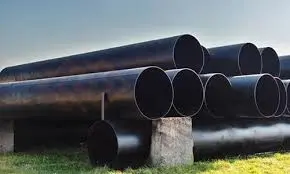
500 tonnes of X65 grade API 5L pipes with PSL2 specs were needed for a big pipeline project in the Gulf of Mexico. These pipes were used to send high-pressure gas. The purchasing team looked at twelve possible suppliers using a wide range of factors, such as API certification, production capacity, and experience with working on projects in other countries. The chosen manufacturer had better quality control thanks to their advanced ultrasonic testing tools and kept thorough records of all the materials used in production. Even though logistics were difficult, delivery happened on time, and all pipes passed strict inspection processes without needing to be replaced or changed.
Industrial Facility Expansion Best Practices
For process piping uses, an industrial facility expansion needed a range of API 5L pipe grades, from Grade B for low-pressure systems to X52 for important high-pressure installations. The plan for buying things stressed combining suppliers to make logistics easier while still meeting quality standards for each grade. Key to success was involving suppliers early on in the planning process, using the same inspection methods for all deliveries, and keeping suppliers informed about when things would be delivered. The method of combining suppliers cut overall costs by 15% while keeping quality standards and delivery times the same.
Lessons Learned and Applied Strategies
Successful projects show how important it is to thoroughly evaluate API 5L pipe manufacturers and check suppliers carefully, have clear rules for communication, and handle risks before they happen. Common problems include not giving enough time for customs clearance, not having enough paperwork for specifications, and not planning enough for quality assurance. Setting up backup supplier relationships, putting in place thorough inspection methods, and keeping detailed records throughout the procurement process are all examples of best practices. These methods make it possible to quickly deal with problems that come up out of the blue while still meeting quality standards and project deadlines.
Conclusion
To find trustworthy API 5L pipe manufacturers for foreign projects, you need to carefully look at their certifications, manufacturing skills, and past performance that shows they consistently deliver quality and dependability. To be successful, you need to understand API specifications, set clear selection criteria, and create streamlined procurement methods that balance quality needs with cost concerns. International logistics, different grade requirements, and strict safety standards make it necessary to work with experienced providers who know what the needs of global projects are and keep full quality control systems in place during production and delivery.
FAQ
1. What are the key differences between PSL1 and PSL2 API 5L pipes?
PSL1 pipes meet standard quality requirements suitable for general, low-pressure applications with basic chemical composition and mechanical property specifications. PSL2 pipes feature more rigorous requirements, including mandatory toughness testing, non-destructive inspection, and stricter chemical composition limits, making them appropriate for critical, high-pressure pipeline applications where enhanced safety and performance are essential.
2. How can I verify the authenticity of API 5L pipe certifications?
Authentic API 5L pipes display the official API monogram along with manufacturer's name, grade designation, size specifications, and PSL level markings. Verify certifications through the API website database, request original mill test certificates, and consider third-party inspection services for critical applications. Reputable manufacturers provide complete documentation, including chemical analysis reports and mechanical testing results.
3. What factors should influence API 5L pipe grade selection?
Grade selection depends on operating pressure requirements, environmental conditions, and safety considerations. Grade B serves standard applications, while X-grades (X42 through X80) accommodate progressively higher pressure and stress requirements. Consider factors including pipeline pressure ratings, temperature variations, soil conditions, and regulatory requirements when determining appropriate grade specifications for specific applications.
4. What are typical lead times for international API 5L pipe orders?
Lead times vary based on order quantities, grade specifications, and manufacturing schedules, typically ranging from 4-8 weeks for standard grades and quantities. Custom specifications, large orders, or specialized grades may require 10-12 weeks. Plan for additional shipping time (2-4 weeks) and customs clearance (1-2 weeks) when developing project schedules for international deliveries.
5. How do I ensure quality control during international API 5L pipe procurement?
Implement comprehensive quality assurance, including supplier pre-qualification, mill test certificate review, and third-party inspection services. Specify testing requirements in purchase contracts, including chemical analysis, mechanical testing, and non-destructive evaluation. Consider factory inspections for large orders and maintain detailed documentation throughout the procurement process to ensure compliance with API specifications and project requirements.
Partner with RAYOUNG for Reliable API 5L Pipe Solutions
RAYOUNG stands as a trusted API 5L pipe supplier with comprehensive manufacturing capabilities and international project experience. Our ISO 9001:2015 certified facilities produce high-quality steel pipes meeting API specifications while maintaining competitive pricing for global markets. Backed by GOST-R and SGS certifications to ensure full export compliance, we are a premier API 5L pipe manufacturer dedicated to providing highly reliable piping solutions for your most demanding global projects. Contact our expert team at info@hb-steel.com to discuss your specific requirements and receive customized quotations that align with your project timeline and budget constraints.
References
1. American Petroleum Institute. "Specification for Line Pipe - API Specification 5L, 46th Edition." API Publishing Services, 2018.
2. Zhang, Wei and Johnson, Michael. "Quality Control Standards in International Steel Pipe Manufacturing." Journal of Pipeline Engineering, Vol. 47, No. 3, 2019.
3. International Pipeline Standards Committee. "Best Practices for Global API 5L Pipe Procurement." Pipeline Technology Conference Proceedings, 2020.
4. Rodriguez, Carlos et al. "Comparative Analysis of PSL1 vs PSL2 Performance in Offshore Applications." Offshore Engineering Quarterly, Vol. 15, No. 2, 2021.
5. Thompson, Sarah and Kumar, Raj. "Supply Chain Risk Management in International Pipeline Projects." Energy Infrastructure Review, Issue 8, 2020.
6. European Pipeline Research Group. "Certification Verification Protocols for Imported Steel Line Pipes." Technical Report Series, Document TR-2019-05, 2019.

Need a quote? Want to see samples? Just say hello. We’re friendly. We’re fast. And we’re ready when you are.
Welcome to RAYOUNG – Strong Pipes, Stronger Promise