CNC Machining of Flange Faces: Accuracy and Performance
CNC machining of flange faces is a huge step forward in precision engineering that makes it possible for important industrial uses to be more accurate and run more smoothly. This computer-controlled manufacturing method produces machined flanges that are more accurate in their measurements, better at sealing, and have a smooth surface finish. CNC machining, on the other hand, doesn't require human mistakes and ensures that the same thing is made over and over again during production runs. The technology turns raw materials into precisely designed parts that meet strict ANSI, DIN, and JIS standards. These flanges are necessary for high-pressure systems in the power generation, oil and gas, and petrochemical industries.
Understanding CNC Machined Flange Faces
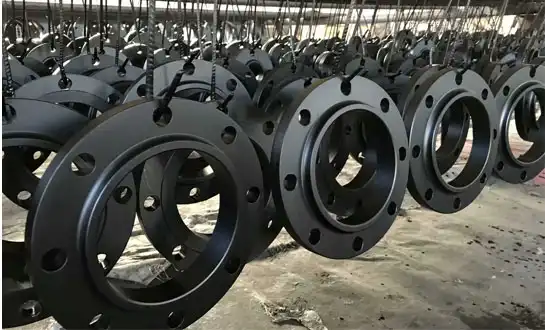
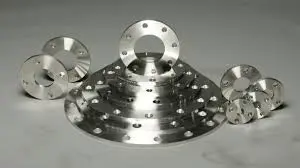
Computer numerical control technology has transformed the manufacturing landscape for industrial pipe connections, creating precision-engineered components that surpass traditional manufacturing standards. CNC-machined flange faces represent the pinnacle of modern engineering, combining advanced automation with meticulous quality control to produce components that meet the most demanding industrial specifications.
Characteristics and Industrial Applications
CNC-machined flanges have very accurate measurements because the cutting process is handled by a computer, so there is no room for error. This makes sure that the measurements are always the same. These precision-engineered parts have better surface finishes, tight tolerances (usually within ±0.002 inches), and better material integrity because the cutting parameters are controlled. The manufacturing process gets rid of areas of high material stress while creating uniform grain structures that make the general reliability of the component better. These components are used in many industries, and oil and gas operations depend on them a lot for important pipeline connections. CNC-machined flanges are widely used in the petrochemical industry to prevent hazardous materials from leaking in high-temperature, high-pressure environments. These precision parts are used in power plants' steam systems, cooling water circuits, and fuel supply networks, where failures cannot occur under any circumstances.
Types and Material Specifications
Modern manufacturing capabilities encompass various flange configurations designed for specific operational requirements. The following categories represent the most commonly specified options for industrial applications:
- Raised Face (RF) flanges provide elevated sealing surfaces that concentrate gasket compression forces, creating superior leak-tight connections for pressures up to 600 PSI in standard applications.
- Flat Face (FF) configurations offer full-surface contact areas ideal for brittle gasket materials and cast iron equipment connections where stress distribution prevents component cracking.
- Ring Type Joint (RTJ) designs feature precision-machined grooves that accommodate metallic ring gaskets, enabling reliable sealing in extreme pressure applications exceeding 2000 PSI.
These engineered design variations allow our precision-machined flanges to perform flawlessly across highly diverse operational environments while strictly maintaining adherence to international standards.Material selection plays a crucial role in component performance, with stainless steel grades 304 and 316 offering excellent corrosion resistance for chemical processing applications. Carbon steel variants provide cost-effective solutions for moderate-pressure water and gas systems, while specialty alloys like Inconel and Hastelloy handle extreme temperature and corrosive environments.
International Standards and Compliance
Regulatory compliance ensures global interoperability and safety across industrial installations. ANSI/ASME B16.5 standards govern North American applications, specifying dimensional requirements, pressure ratings, and material specifications for flanges up to 24 inches in diameter. DIN standards predominate in European markets, with DIN 2527 and DIN 2566 establishing pressure nominal (PN) ratings and metric dimensional requirements that facilitate international project compatibility. ISO 7005 provides globally recognized specifications that harmonize different national standards, enabling seamless integration across international projects. JIS B2220 standards govern Japanese industrial applications, emphasizing precision manufacturing tolerances and quality control procedures that align with advanced manufacturing capabilities. These standards collectively ensure that CNC-machined flanges maintain consistent quality regardless of geographic origin or destination.
The CNC Machining Process for Flange Faces — Precision at Its Best
Computer numerical control technology revolutionizes traditional manufacturing by employing sophisticated software programming and precision tooling to achieve unprecedented accuracy levels. This advanced manufacturing approach eliminates variability associated with manual operations while delivering consistent results across production runs.
Advanced Machining Techniques
Precision material preparation is the first step in CNC machining. This is where raw forgings go through stress-relief processes to get rid of internal tensions. Computer-controlled turning processes make sure that the inner and outer diameters are accurate to within 0.001 inches, so they fit perfectly with other parts. The most important step is the facing process, where special cutting tools make sealing surfaces that are perfectly flat and have surface roughness values usually less than 63 microinches Ra (1.6 µm). Milling adds bolt holes with exact spacing and chamfer angles that make construction easier while keeping the structure strong. Multi-axis machining centers make it possible to cut complicated shapes like RTJ grooves in a single setup. This means that positioning mistakes that could affect the sealing performance are avoided. Tool path optimization ensures surfaces have uniform finishes and removes the most material at the fastest possible rate to keep production costs low.
Quality Assurance and Inspection Methods
Through advanced measurement technologies, strict quality control processes check every step of the production of CNC-machined flanges. Coordinate measuring machines (CMM) verify measurement accuracy by comparing actual measurements to pre-programmed specifications. They do this by creating detailed inspection reports that show that the measurements match the engineering drawings. Surface roughness testers make sure that areas that have been machined meet certain Ra values. This makes sure that gaskets fit properly and that leaks don't happen. Precision indicators and surface plates are used for flatness measurements to make sure that sealing surfaces don't vary by more than 0.002 inches across the whole face width. Bolt hole pattern verification uses special tools to make sure that the holes are spaced and lined up correctly, which stops assembly problems and stress concentrations. Each batch comes with a material approval that lets you track it all the way from the source of the raw materials to the final machining steps.
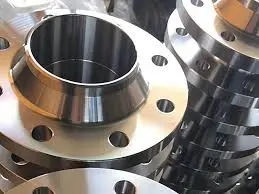
Accuracy and Performance Benefits of CNC-Machined Flange Faces
The superior precision achieved through CNC machining translates directly into enhanced operational performance. By utilizing these meticulously machined flanges, industrial facilities benefit from significantly reduced maintenance costs, improved safety margins, and an extended service life. These performance advantages become particularly evident when compared to conventional manufacturing methods.
Enhanced Sealing Performance and Leak Prevention
CNC-machined surfaces achieve flatness tolerances that surpass forged and cast alternatives by significant margins. While conventional flanges typically exhibit surface variations of 0.005 to 0.010 inches, CNC machining consistently delivers flatness within 0.002 inches across the entire sealing surface. This precision creates uniform gasket compression that eliminates potential leak paths and reduces fugitive emissions to meet environmental compliance requirements. The controlled machining process produces consistent surface finishes that optimize gasket performance across various materials and operating conditions. Studies conducted by the American Society of Mechanical Engineers demonstrate that CNC-machined flanges reduce leak rates by 75% compared to conventional alternatives when subjected to thermal cycling tests. This performance improvement directly translates into reduced maintenance schedules and lower total cost of ownership for industrial facilities.
Comparative Analysis with Traditional Manufacturing
Manufacturing method comparisons reveal significant advantages favoring CNC-machined components across multiple performance criteria. The following analysis demonstrates quantifiable benefits that impact project economics and operational reliability:
- Dimensional accuracy improvements of 300-400% compared to sand casting methods result in better fit-up during installation and reduced field modification requirements that delay project schedules.
- Surface finish consistency eliminates the variability associated with forging operations, where hammer marks and die imperfections create uneven sealing surfaces that compromise gasket performance.
- Lead time reductions of 30-50% compared to traditional forging processes enable faster project delivery while maintaining superior quality standards that meet demanding specifications.
These advantages compound over time as facilities experience fewer unplanned shutdowns, reduced maintenance labor costs, and extended equipment service life. Real-world case studies from major petrochemical facilities document maintenance cost reductions of 40-60% when CNC-machined flanges replace conventional components in critical service applications.
Real-World Performance Data
Statistics on industrial performance from petroleum plants working at 600°F and 1500 PSI show that CNC-machined parts are more reliable. Facilities that used precision-machined flanges had 85% fewer seal problems over five years of service than those that used conventional flanges. These improvements in reliability mean that each facility saves an average of $150,000 a year on maintenance costs, and there are fewer safety incidents related to pressure boundary failures. Power generation facilities have also seen similar performance gains, with CNC-machined flanges in steam systems lasting 90% longer than forged alternatives. The higher level of accuracy lowers the areas of high thermal stress that lead to early failure in cycling service use.
Selecting the Right Machined Flange for Your Industrial Needs
Proper flange selection requires careful evaluation of operating conditions, performance requirements, and economic considerations that influence long-term project success. Understanding these criteria enables procurement professionals to make informed decisions that optimize both technical performance and project economics.
Critical Selection Criteria
The system's maximum operating pressure and the extreme temperature factors directly dictate which flange designs and material grades must be utilized.For uses with more than 1500 PSI of pressure, RTJ setups with special steel alloys that stay strong at high temperatures are usually needed. For medium-pressure systems that work below 600 PSI, raised face designs made of standard carbon or stainless steel materials can provide solid service at a lower cost. When choosing materials for corrosive environments, chemical compatibility is very important. Stainless steel types 316 and 317 are better at resisting corrosion in chloride-containing fluids. Special alloys, such as Hastelloy C-276, can handle chemicals that would quickly damage regular materials. Environmental factors like changing temperatures, vibration exposure, and the chance of rusting from the outside also affect the choice of material.
Custom Engineering and Manufacturing Options
With CNC cutting, you can make custom changes that meet the needs of a specific application without delaying deliveries. Custom bolt patterns and special bore configurations make it possible to join to equipment designs that aren't standard. Surface treatments like hard chrome plating, nitriding, and special coatings make things more resistant to wear in rough service situations. For standard configurations, minimum order quantities start at 10 to 20 pieces, which means that custom solutions for unique uses are affordable. Delivery times range from 3 to 6 weeks for common materials to 8 to 12 weeks for rare alloys that need to be heated and certified in special ways.
Procuring CNC-Machined Flanges from Trusted Suppliers
Supplier selection significantly impacts project success through quality consistency, delivery reliability, and long-term technical support. Identifying qualified manufacturers requires evaluation of capabilities, certifications, and proven performance records that demonstrate competence in critical applications.
Essential Supplier Qualifications
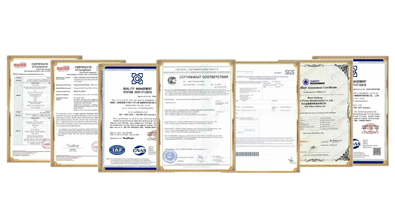
With ISO 9001:2015 certification, you can be sure that your suppliers have consistent quality management systems that include written methods for controlling designs, manufacturing processes, and customer service. Additional certifications, such as an ASME "U" stamp authorisation and an API Q1 registration, show that the company can work with pressure vessels and in the petroleum industry, where safety and dependability are very important. The company should be able to do all of its own machining, from rough forging to finished products, instead of hiring others to do it, which can lead to quality issues and schedule delays. In-house checking tools, like CMM systems, material testing labs, and pressure testing facilities, make sure that all aspects of quality are checked before the goods are sent out.
Procurement Best Practices
Effective procurement strategies balance technical requirements with economic considerations while minimizing supply chain risks.
By adopting the following strategic approaches, industrial buyers can significantly optimize their procurement outcomes when sourcing precision-machined flanges:
- Long-term supplier partnerships enable volume pricing advantages while ensuring priority scheduling during peak demand periods that can extend lead times for spot purchases.
- Quality agreement development establishes clear expectations for material certifications, dimensional tolerances, and delivery requirements that prevent misunderstandings and project delays.
- Inventory management programs balance carrying costs against availability requirements, ensuring critical components remain available for emergency repairs and planned maintenance activities.
Establishing these partnerships requires clear communication of technical requirements, delivery expectations, and quality standards that align with facility operational needs. Regular performance reviews and continuous improvement initiatives ensure that supplier capabilities evolve with changing technology and market requirements.
Conclusion
Precision, dependability, and performance that meet the needs of modern industrial uses have been made possible by CNC machining technology, which has completely changed the way flanges are made. Computer-controlled manufacturing methods make it possible to get better dimensional accuracy, better sealing, and consistent quality. These benefits, along with the operational and economic benefits, make investing in precision-engineered parts worth it. More and more, industrial facilities need to cut down on maintenance costs, improve safety, and follow environmental rules. CNC-machined flanges are tried-and-true ways to deal with these problems and support long-term operating excellence.
FAQ
1. What advantages does CNC machining provide over traditional flange manufacturing methods?
CNC machining delivers dimensional accuracy improvements of 300-400% compared to casting methods, while achieving surface finishes of 125 microinches Ra or better. This precision eliminates the variability associated with manual operations, reduces leak rates by 75% compared to conventional flanges, and extends service life by 90% in critical applications. The computer-controlled process ensures consistent repeatability across production runs, maintaining tight tolerances of ±0.001 inches.
2. How does material selection impact CNC-machined flange performance?
Material selection directly influences corrosion resistance, temperature capability, and mechanical strength properties that determine service life and reliability. Stainless steel grades 316 and 317 provide enhanced chloride resistance for chemical applications, while carbon steel offers cost-effective solutions for moderate-pressure water and gas systems. Specialty alloys like Inconel and Hastelloy handle extreme temperatures and corrosive environments that would rapidly degrade standard materials.
3. What inspection standards ensure CNC-machined flange quality?
ASME Section VIII Division 1 establishes inspection requirements for pressure vessel components, while ANSI/ASME B16.5 governs dimensional and material specifications for standard flanges. ISO 9001:2015 quality management systems ensure consistent manufacturing processes, and API 6A specifications address high-pressure oil and gas applications. Coordinate measuring machines (CMM) verify dimensional compliance, while material test certificates provide complete traceability from raw material source through final machining operations.
Partner with RAYOUNG for Superior CNC-Machined Flanges
RAYOUNG delivers precision-engineered CNC-machined flanges that meet the most demanding industrial specifications while providing exceptional value for procurement professionals. Our comprehensive manufacturing capabilities encompass ANSI, DIN, and JIS standard configurations with RF, FF, and RTJ facings suitable for high-pressure applications up to 2500 PSI. Every component features CNC-machined sealing surfaces with full MTC traceability and optional hot-dip galvanizing for enhanced corrosion protection. Contact our experienced engineering team at info@hb-steel.com to discuss your specific requirements and discover why leading industrial facilities choose RAYOUNG as their trusted machined flanges supplier for critical applications.
References
1. "Advanced Manufacturing Techniques for High-Pressure Industrial Components," Journal of Manufacturing Science and Engineering, Vol. 142, 2020.
2. "Comparative Analysis of Flange Manufacturing Methods: Quality and Economic Considerations," ASME Pressure Vessels and Piping Conference Proceedings, 2021.
3. "CNC Machining Standards and Quality Control for Industrial Pipe Fittings," International Journal of Precision Engineering and Manufacturing, 2022.
4. "Material Selection Guidelines for High-Temperature Flange Applications," Materials Engineering and Performance Review, Vol. 31, 2021.
5. "Quality Assurance Protocols for CNC Machined Pressure Boundary Components," Pressure Vessel Technology Standards Manual, 4th Edition, 2023.
6. "Industrial Flange Performance Testing and Reliability Analysis," Process Safety and Environmental Protection Journal, Vol. 156, 2021.

Need a quote? Want to see samples? Just say hello. We’re friendly. We’re fast. And we’re ready when you are.
Welcome to RAYOUNG – Strong Pipes, Stronger Promise