Understanding API 5L Pipe Grades: Difference Between Grade B, X42, X52, and X60
Professionals who need reliable pipeline options for oil, gas, and water transmission projects need to know about API 5L pipe grades. According to these standard categories, carbon steel pipes are rated by their strength and performance. Grade B is a widely used baseline grade, with a minimum yield strength of 245 MPa, while X-grades like X42, X52, and X60 offer higher minimum yield strengths of 290 MPa, 360 MPa, and 415 MPa, respectively. Each grade is used for a different set of operational needs, from basic water distribution systems to high-pressure cross-country energy transfer networks. This way, project managers can make sure that the material meets the needs of the environment and safety standards.

Overview of API 5L Pipe Specifications
The API 5L standard is one of the world's most widely recognised standards for line pipes made for oil, gas and water pipelines. The American Petroleum Institute made this standard to ensure that quality and performance are the same in a wide range of industrial settings. Material choice has a big impact on pipeline safety, especially in places where high operating pressures, corrosive substances, and changes in temperature can damage infrastructure. Pipes are put into different groups by the classification system based on their chemical and mechanical makeup. Different grades of steel provide varying performance levels, with lower strengths like Grade B offering reliable performance for normal uses, and higher strengths like X42, X52, and X60 delivering better performance in tough operating conditions. These labels assist purchasing teams in finding the right materials that meet both performance and cost standards.
Critical Role in Pipeline Infrastructure
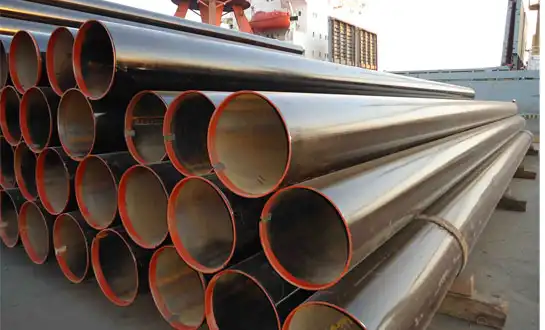
API 5L pipes are the main part of energy transportation networks that stretch across North America for thousands of miles. Their standard specs make it easy to integrate them at different stages of a project while still working with existing infrastructure. The specification includes steps for making the product, how it must be tested, and quality control methods that make sure the product works the same way everywhere it is made. The right grade choice is directly related to how long a pipeline will last, since environmental factors like the makeup of the soil, changes in temperature, and the pressure inside the pipeline all affect its long-term performance. When engineering teams understand these connections, they can make systems that need less maintenance and last longer.
Grade Identification and Verification Methods
For correct recognition, start by looking at the markings on the pipe. These show important details like the grade, how it was made, and certification numbers. These markings use standard forms that make it easy to check the material's specs quickly during inspections. Certified pipes come with documentation packages that include thorough test results and compliance certificates that help quality assurance programs. As a critical part of the verification process, physical markings must be carefully cross-referenced with the accompanying certificates to ensure the authenticity of all API 5L pipe grades.
This process keeps fake materials out, which could damage pipelines and make safety standards less strict. Setting up verification protocols that include supplier qualification checks and material traceability standards is helpful for procurement teams.
Detailed Comparison of API 5L Grades: B, X42, X52, and X60
There are technical differences between these four grades that go beyond basic strength rates. These include the chemicals used, how they are made, and how well they work in different situations. Knowing these differences helps you make smart choices that match the qualities of materials to the needs of the project while also maximising their cost-effectiveness and dependability. Changes in a material's chemical composition have a direct effect on how it acts in different working situations. Carbon content affects weldability and how strong it gets over time. Sulphur and phosphorus content affect how resistant it is to rust and fracture toughness. Because of these changes in composition, the materials have different performance profiles that are best for certain uses.
Mechanical Property Analysis
Grade B pipes have a minimum yield strength of 245 MPa and a tensile strength range of 417–760 MPa. This means they can be used for moderate-pressure tasks like water circulation and low-pressure gas systems. Their balanced mechanical qualities give them reliable performance at reasonable prices, which helps cost-conscious projects without lowering safety standards.
- X42 grade materials demonstrate enhanced strength characteristics with 290 MPa minimum yield strength and improved toughness properties. This grade bridges the gap between standard and high-performance applications, offering superior resistance to mechanical stress while maintaining excellent weldability. X42 pipes excel in regional transmission networks where moderate pressure levels require enhanced material capabilities.
- X52 pipes deliver 360 MPa minimum yield strength combined with exceptional fracture toughness, enabling their use in demanding applications, including offshore platforms and high-pressure gathering systems. The enhanced strength-to-weight ratio reduces installation costs while providing superior performance margins for critical infrastructure projects.
- X60 grade materials represent high-performance solutions with 415 MPa minimum yield strength and exceptional resistance to environmental stress cracking. These pipes handle extreme temperature variations and corrosive environments while maintaining structural integrity under dynamic loading conditions. Their superior mechanical properties justify premium pricing through extended service life and reduced maintenance requirements.
Corrosion Resistance and Temperature Capabilities
Environmental resistance varies significantly across different grades, and higher-strength materials may provide improved performance in certain environments, though corrosion resistance primarily depends on composition control, coatings, and service conditions. Grade B pipes offer adequate protection for standard environments, while X-grade materials include enhanced alloying elements that improve performance in challenging conditions. Temperature limitations reflect the thermal stability of different material compositions and heat treatment processes. Standard grades accommodate typical operating ranges, while premium grades extend these limits to support specialised applications, including heated oil transmission and arctic pipeline projects.
Selecting the Right API 5L Grade for Your Pipeline Needs
Strategic grade selection requires a comprehensive analysis of api 5l pipe grades' operational parameters, including transported media, pressure requirements, environmental conditions, and economic considerations. This decision-making framework helps project teams optimise material selection while ensuring compliance with safety regulations and performance standards. Transportation medium characteristics significantly influence material requirements, as different substances present unique challenges regarding corrosivity, pressure dynamics, and temperature effects. Oil transmission systems benefit from grades that resist hydrogen sulfide exposure, while natural gas applications prioritise materials that maintain integrity under pressure cycling conditions.
Application-Specific Recommendations
Water transmission projects often utilise Grade B pipes for their cost-effectiveness and adequate performance in non-corrosive environments. Municipal systems benefit from the reliable performance and proven track record of this grade, particularly in areas where budget constraints limit material options. The extensive availability of Grade B materials also supports rapid project completion and simplified maintenance procedures. Natural gas distribution networks frequently specify X42 grade pipes for their enhanced strength characteristics and superior weldability. Regional transmission systems require materials that can handle moderate pressure levels while providing safety margins that accommodate operational variations. X42 pipes deliver these capabilities at reasonable cost levels, making them popular choices for expanding gas infrastructure. High-pressure transmission lines typically employ X52 or X60 grades depending on specific operational requirements and safety factors. Cross-country pipelines benefit from the enhanced strength and toughness properties of these premium grades, which enable larger diameter installations and higher operating pressures. The improved performance characteristics justify higher initial costs through reduced wall thickness requirements and extended service intervals.
Cost-Benefit Analysis Framework
Economic evaluation encompasses initial material costs, installation expenses, maintenance requirements, and operational lifespan considerations. Higher-grade materials command premium pricing but often provide superior value through enhanced performance capabilities and reduced lifecycle costs. This analysis helps procurement teams justify material selections based on total cost of ownership rather than initial purchase price alone. Project-specific factors, including installation complexity, accessibility for maintenance, and regulatory requirements, influence the economic equation. Remote locations benefit from premium materials that minimise maintenance interventions, while easily accessible installations may accommodate standard grades with regular inspection schedules.

Procurement Insights for API 5L Pipes
To be good at buying, you need to know the difference between PSL1 and PSL2 specification levels. These levels have a big effect on the quality of materials, the testing that needs to be done, and your ability to comply. PSL1 specifies normal parameters that can be used in most situations, while PSL2 adds enhanced quality control measures, including mandatory toughness testing, stricter chemical composition limits, more rigorous non-destructive testing, and improved traceability requirements. It is important for low-temperature applications and vital infrastructure projects that the PSL2 specifications include extra testing requirements that check the resistance to impact. Better quality control measures for PSL2 materials give you more faith in their performance, which helps in situations where failure would be bad enough to explain higher prices.
Market Trends and Pricing Considerations
The market is currently experiencing a high demand for higher-quality products, which is being caused by projects to update infrastructure and stricter safety rules. The stability of the supply chain depends on the grade. Standard materials are always available, but premium grades may run out during busy building seasons.For standard API 5L pipe grades, delivery times typically range between 8 and 16 weeks. For specialised materials, lead times may be longer based on when the mills need to test them and how busy they are. Early material commitment and building relationships with suppliers that allow for special access during times of high demand are helpful for procurement planning.
Supplier Qualification and Quality Assurance
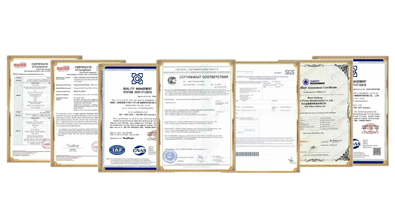
Reliable suppliers have full quality management systems that include checking finished products, keeping an eye on process controls, and being able to track down raw materials. Additional certifications, such as GOST-R and SGS validation, show dedication to international quality standards in addition to ISO 9001:2015 certification. As part of the verification process, the mill test report should be looked over, the dimensions should be checked, and the chemical analysis should be confirmed. These quality control methods keep you safe from low-quality materials and make sure that the project specifications and legal requirements are met.
Industry Applications and Advantages of Key API 5L Pipe Grades
In many different industrial areas, real-life examples show how important it is to choose the right grade. X52 pipes are widely used in coastal applications when combined with appropriate corrosion protection systems such as coatings or cathodic protection, particularly in environments where loading and unloading operations are frequent. Their better resistance to corrosion and higher toughness allow them to last longer in harsh marine settings. High-pressure transportation networks that go across continents and bring natural gas from production areas to distribution centres are made possible by X60-grade materials. These pipelines work at high pressures that require very strong materials. They also need to have safety margins that can be used for operating changes and emergencies.
Advanced Performance Characteristics
Modern X52 pipes use thermomechanical processes to improve the fineness of the grain structure. This makes the pipes tougher without affecting their ability to be welded. This way of working allows for thinner wall sections, which lowers the cost of materials while still meeting pressure requirements. This makes building pipelines more cost-effective. Controlled cooling processes help X60 materials form their microstructures in the best way, which makes them less likely to break. These improvements in metalworking make it possible to work in harsh situations, like the Arctic and earthquake zones, where the toughness of the materials is important for keeping the system together.
Maintenance and Longevity Considerations
Preventive maintenance plans depend on the grade and the application. Materials with higher strengths usually don't need to be fixed as often because they are less likely to break down in the environment. For premium grades, inspection intervals can be lengthened, which lowers running costs while still meeting safety standards. The qualities of the base material and the coating system work together to protect against corrosion in a complete way. When you use higher-quality materials, you can usually get away with using premium coatings that make the system last longer than usual. This saves you money on repair costs, api 5l pipe grades, and makes the system more reliable.
Conclusion
Knowing the differences between API 5L pipe grades B, X42, X52, and X60 helps procurement professionals make smart choices that balance the need for efficiency with cost concerns. Each grade has its own benefits that make it better for a different set of conditions, from simple water distribution systems that use Grade B to high-pressure energy transfer networks that need X60 capabilities. To choose the right material, you need to look at a lot of factors related to the project, like how much pressure is needed, the environment, and the material's lifecycle costs, which include installation, upkeep, and replacement costs in addition to the initial purchase price.
FAQ
1. What distinguishes Grade B from X42 pipes in practical applications?
Grade B pipes provide 245 MPa minimum yield strength suitable for moderate-pressure water and low-pressure gas applications, while X42 offers enhanced 290 MPa strength capabilities that support regional transmission networks and moderate-pressure systems requiring improved safety margins.
2. How can procurement teams verify authentic API 5L pipe certifications?
Verification involves examining standardised pipe markings, cross-referencing mill test certificates with physical products, and confirming supplier credentials through ISO certification checks and quality management system audits that ensure material traceability and compliance.
3. Which pipe grade optimises performance for natural gas transmission?
Natural gas transmission typically benefits from X42 or X52 grades, depending on pressure requirements, with X42 suitable for regional distribution and X52 preferred for high-pressure trunk lines requiring enhanced strength and toughness characteristics.
4. What factors determine PSL1 versus PSL2 specification selection?
PSL2 specifications include mandatory impact testing, stricter chemical composition limits, and enhanced quality control measures suitable for critical applications, while PSL1 provides standard specifications adequate for general-purpose installations with moderate performance requirements.
Partner with RAYOUNG for Premium API 5L Pipe Solutions
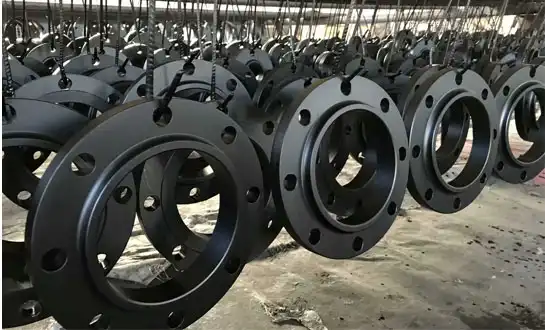
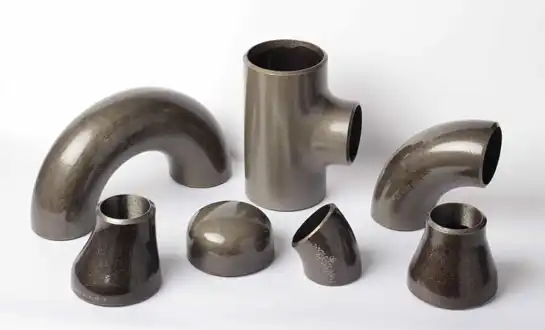
RAYOUNG stands as your trusted api 5l pipe grades supplier, delivering comprehensive pipeline solutions that meet stringent international standards. Our extensive inventory includes certified Grade B, X42, X52, and X60 pipes backed by GOST-R and SGS certifications, ensuring quality compliance for global projects. Beyond our core pipe offerings, we provide complete pipeline solutions, including buttweld steel elbows, reducers, and flanges that create secure connection points throughout your infrastructure. Our ISO 9001:2015 certified manufacturing processes guarantee consistent quality, while our technical team offers expert consultation to optimise material selection for your specific applications. Contact our specialists at info@hb-steel.com to discuss your project requirements and receive detailed quotations for certified API 5L pipe grades that deliver long-term reliability and performance.
References
1. American Petroleum Institute. "Specification for Line Pipe - API 5L 45th Edition." API Publishing Services, 2012.
2. Bai, Yong, and Qiang Bai. "Subsea Pipeline Design, Analysis, and Installation." Gulf Professional Publishing, 2014.
3. Palmer, Andrew C., and Roger A. King. "Subsea Pipeline Engineering: Second Edition." PennWell Corporation, 2008.
4. Cosham, Andrew, and Philip Hopkins. "The Effect of Dents in Pipelines - Guidance in the Pipeline Defect Assessment Manual." Pipeline Technology Journal, 2004.
5. Kiefner, John F., and Bruce A. Trench. "Oil Pipeline Characteristics and Risk Factors: Illustrations from the Decade of Construction." American Oil Pipeline Association, 2001.
6. Liu, Henry. "Pipeline Engineering: Design, Analysis, and Operations." Lewis Publishers, 2003.

Need a quote? Want to see samples? Just say hello. We’re friendly. We’re fast. And we’re ready when you are.
Welcome to RAYOUNG – Strong Pipes, Stronger Promise