Blind Flange vs Welded End: Pros and Cons in Pipeline Design
When looking at ways to end a pipeline, the choice between blind flanges and welded ends has a big effect on how the project turns out. Blind flanges can stop the flow of fluid in pipelines temporarily or forever. They allow for easy access for maintenance and future expansion. Welded ends are permanently joined together by fusion welding, which makes them stronger for high-pressure uses. Each option has its own benefits when it comes to how hard it is to install, how easy it is to do maintenance, how much it costs, and how well it works in the long run.

Understanding Blind Flanges and Welded Ends in Pipeline Systems
Pipeline termination requires careful consideration of various technical factors and operational requirements. The selection between blind flanges and welded terminations affects system performance, maintenance protocols, and lifecycle costs across industrial applications.
Blind Flange Fundamentals and Applications
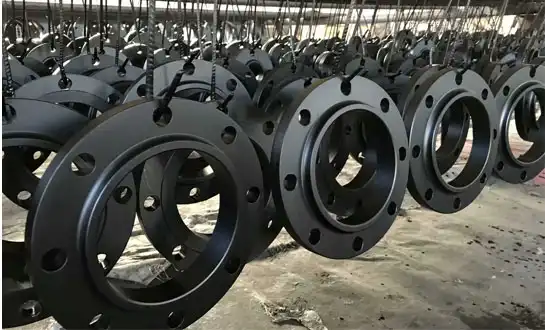
According to the ASME B16.5 and ASME B16.47 standards, a blind flange is a solid disc that is used to block the ends of piping systems, valve openings, or connections between pressure vessels. These parts don't have center bores like slip-on or welding neck flanges do, which makes them necessary for stopping flow. From an engineering point of view, blind flanges primarily experience bending stress at the center under pressure, while they have to handle strong gasket-fitting forces around the edges. Their use in various industries shows how flexible these termination parts are. In petrochemical and refinery operations, blind flanges separate sections of pipes during repair breaks to safely isolate high-pressure hydrogen and hydrocarbon flows. These parts are used at the ends of pipelines and headers in municipal water systems, facilitating future system expansion. The marine and shipbuilding industries depend on blind flanges for inspection ports on tanks and ships, which can be hard to do because of limited room and corrosion from salt water.
Welded End Characteristics and Design Considerations
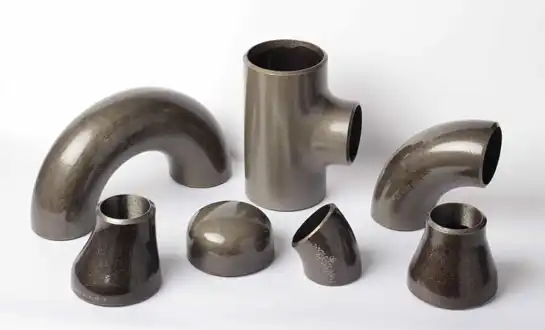
Welded end terminations use fusion welding to make permanent pipeline closures, eliminating removable connections. By making continuous material bonds between the closure component and the pipeline, these options offer very good structural integrity. The welded method gets rid of the possible leak paths that come with gasket connections and makes the joint more resistant to changes in pressure and thermal expansion. To make welded ends, manufacturers usually follow ASME Section IX welding procedures and API specifications for pressure vessel applications. Because these connections are fixed, they need to be carefully planned during the design phase, since changes require cutting and rewelding. To make sure the weld meets the requirements of the project, quality control methods include radiographic testing (RT), dye penetrant inspections, and pressure tests.
Comparing Blind Flange and Welded End: Pros and Cons in Pipeline Design
The strategic selection between these pipeline termination methods requires a comprehensive analysis of performance characteristics, installation requirements, and operational considerations. Each approach offers distinct benefits while presenting specific limitations that impact project outcomes.
Advantages of Blind Flange Systems
One of the best things about blind flange systems is that they are easy to install and don't require any special welding tools or certified processes. Maintenance crews can easily take these parts off using normal bolting tools. This gives them quick access to the inside of the pipelines for checking, cleaning, or making changes to the system. Because they are removable, they make future expansion projects easier than with permanent welded closures, which would need destructive removal methods. When properly installed, blind flanges meet strict industry standards for leak prevention when the right gasket materials and torque specifications are used. Choosing the right material affects how resistant it is to corrosion. Stainless steel and certain alloys offer longer service life in harsh settings. Adding threaded connections for instruments or drainage makes operations more flexible without affecting the main sealing functions.
Limitations of Blind Flange Applications
When it comes to cost, they use more materials and have higher costs than welded caps. This is especially true for big-diameter applications that need a thick plate to meet pressure ratings. When custom facing configurations or unusual materials are asked for, lead times for specialised blind flanges may make project plans longer. Larger sizes make installation more difficult because you have to be more careful when handling gaskets and tightening bolts. Long-term upkeep includes replacing gaskets and retorquing bolts to keep the seal's integrity. Temperature cycling can change how well a gasket works, which could mean that it needs to be inspected more often in thermal cycling situations. The fact that it is removable, which makes maintenance easier, could also be a security risk in important infrastructure applications.
Welded End Advantages and Performance
Welded end terminations have better mechanical strength because the continuous material structure gets rid of the stress collection points that come with bolted connections. Applications with high pressure and temperature benefit from not having to worry about gasket limits. This lets the system work at its design limits without worrying about seal degradation. Permanent installation gets rid of the need for regular maintenance like replacing gaskets and tightening bolts. Welded caps are often more cost-effective than blind flanges for large-diameter or high-volume projects due to lower material and component costs in high-volume or large-diameter applications. When qualified welding crews and tools are easy to get to, installation may take longer due to welding, inspection, and heat treatment requirements compared to flange bolt-up operations. Security benefits include tamper resistance and not having removable parts in sensitive uses.
Welded End Limitations and Considerations
Because the installation is so complicated, it needs certified welding processes, qualified welders, and the right heat treatment protocols for some materials. For quality control, non-destructive testing is needed, which makes the installation process take longer and cost more. Field welding operations are affected by weather, which could delay projects when conditions are bad. It's hard to make changes when system modifications involve welded terminations, because they have to be cut out and then rewelded completely. When weld flaws are found, the repair process is more complicated and usually needs a lot of extra work, unlike replacing a seal in a flanged system. While the permanent nature of welded ends ensures operational security, it significantly reduces system flexibility compared to blind flanges when adapting to changing process requirements or future expansions.
Criteria for Choosing Between Blind Flange and Welded End Solutions
Selection criteria must align pipeline design parameters with operational requirements while considering economic and logistical factors. The decision matrix involves technical performance requirements, maintenance protocols, regulatory compliance, and supplier capabilities.
Pressure and Temperature Considerations
System pressure ratings directly affect the choice of termination method, since blind flanges need to be thicker to handle bending loads that are better spread out by welded ends. Blind flanges are chosen based on the pressure classes in ASME B16.5; welded ends, on the other hand, are designed to meet full pipe pressure ratings without the additional thickness required for blind flange bending stress. When temperature changes, it can affect the performance of gaskets in flanged systems. For harsh thermal cycling situations, welded ends are better. Material compatibility is very important when process fluids cause corrosive environments that test gasket materials or threaten seal integrity. Ring Type Joint (RTJ) facings provide metal-to-metal sealing in harsh service conditions, while welded ends eliminate gasket-related concerns entirely. In flanged systems, thermal expansion affects bolt stress, but it doesn't have much of an effect on welded terminations.
Accessibility and Maintenance Requirements
The choice of termination method is based on future access needs. For example, blind flanges make it easier to check and change things, while welded ends need to be taken apart destructively. Maintenance frequency factors favour blind flanges when regular entry to the inside is needed for cleaning or inspection procedures. When room is limited, welded ends may be better because bolt access clearances cannot be maintained for proper flange installation. In emergency repair situations, blind flange systems are better because they allow quick closure replacement without hot work permits or welding procedures. Welded end modifications may be possible during planned maintenance windows if there is enough time and equipment for the right welding processes. Because of their remote locations, qualified welding services aren't always available along with mechanical installation services.
Material Grading and Certification Requirements
Protocols for quality assurance must cover things like tracking materials, keeping records of certifications, and following all related rules and codes. ISO 9001:2015 quality control systems make sure that both blind flanges and welded end components are made in the same way. API specifications set performance standards for pressure vessels used in situations where the integrity of the termination affects the safety of the system. For European use, Pressure Equipment Directive (PED) compliance is required, which means that the product must have CE marking and follow the right conformity assessment methods. Material test papers confirm the chemical makeup and mechanical properties that are needed to follow the code. Third-party testing services make sure that the quality of the manufacturing and the sizes match the project requirements.
Procurement Insights: Sourcing Blind Flanges and Welded Ends for Your Projects
Strategic sourcing approaches optimize cost, quality, and delivery performance while ensuring compliance with technical specifications and industry standards. Supplier selection criteria must balance capabilities, certifications, and market positioning to support project success.
Domestic vs Global Sourcing Strategies
Domestic suppliers offer advantages in communication, quality control oversight, and reduced lead times for standard components. American manufacturers typically maintain an extensive inventory of ASME B16.5 blind flanges in common sizes and materials, enabling rapid delivery for urgent projects. Quality assurance processes align with familiar standards and inspection protocols, reducing procurement complexity. Global sourcing options provide significant cost advantages for large-volume purchases of blind flanges, while also offering specialized manufacturing capabilities for custom applications. International suppliers often excel in exotic material processing and can accommodate unique dimensional requirements not available from domestic sources. Supply chain management becomes more complex with extended lead times and additional documentation requirements for import compliance.
Custom Manufacturing and OEM Partnerships
Specialized project requirements may demand custom blind flange configurations with modified dimensions, special materials, or unique facing arrangements. Manufacturing partners with appropriate certifications can produce these components while maintaining code compliance and quality standards. Engineering support from suppliers helps optimize designs for specific applications while ensuring manufacturable specifications. OEM relationships provide access to proprietary designs and technical expertise that enhance project outcomes. Collaborative development approaches can result in optimized solutions that balance performance requirements with manufacturing efficiency. Long-term partnerships facilitate inventory management and ensure component availability for ongoing maintenance needs.
Procurement Factors and Market Analysis
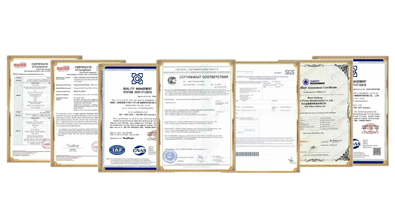
Minimum order quantities affect procurement strategies, particularly for specialized components where supplier economics favor larger batch sizes. Pricing models vary between spot purchases and contract arrangements, with volume commitments often resulting in favorable pricing structures.Certification documentation requirements must be clearly specified to ensure strict compliance with project quality plans. Partnering with reputable manufacturers who meet international benchmark standards—verified by ISO, GOST-R, and SGS—ensures that these stringent quality expectations are consistently met. Furthermore, assessing a supplier's financial stability and manufacturing capacity helps guarantee reliable delivery performance throughout project execution. Market intelligence regarding material availability and pricing trends supports strategic procurement timing decisions.

Installation and Maintenance Best Practices for Blind Flanges and Welded Ends
Proper installation and maintenance procedures maximize component performance while ensuring safety compliance and extended service life. Technical protocols must address preparation, installation, testing, and ongoing maintenance requirements.
Blind Flange Installation Procedures
Before preparing the surface, the flange faces must be carefully cleaned to get rid of scale, debris, and corrosion products that could make it harder for the gasket to close. Checking the sizes makes sure that the flange bolt patterns and face configurations fit correctly. When choosing a gasket, you need to think about the process conditions, temperature ranges, and chemical interaction needs. When installing a bolt, you need to follow certain steps and torque values to make sure the gasket is compressed evenly, and the flange face doesn't get distorted. First, the tightening is done in a cross-pattern until it reaches about 30% of the final torque values. This is followed by passes at 60% and 100% of the standard values. Pressure testing methods make sure that the seals are intact before the system is turned on. When these procedures are used, they need to be carried out with care, because the environment can affect how well the gaskets work and how well the bolts are oiled. When installation temperatures are very different from working temperatures, temperature compensation may be needed. Keeping records of the installation settings helps with future troubleshooting and maintenance tasks.
Welded End Installation and Quality Control
To get ready for welding, the ends of the pipes must be bevelled to certain angles and sizes while making sure they fit together correctly and are aligned. Cleaning the base material to remove oils, coatings, and rust that could affect the quality of the weld is part of preparing it. The amount of preheating needed depends on the thickness of the material and the temperature and humidity of the area, as stated in the welding procedure specs. The welding process proceeds according to qualified steps using the right filler materials and shielding gas mixes. Multi-pass methods make sure that the weld goes all the way through and has a good profile, all while keeping the heat input within certain limits. Controlling the temperature between passes keeps the material from getting too hot, which could change its features. Quality control measures include checking each pass visually, making sure weld profiles are the right size, and doing non-destructive tests as required by the project. Some materials may need to be heated after they've been welded to relieve residual stresses and get their desired mechanical properties back. The final pressure test verifies weld integrity and that the system is ready to be put into service.
Conclusion
The selection between blind flanges and welded ends significantly impacts pipeline project outcomes across multiple dimensions, including cost, performance, maintenance requirements, and operational flexibility. Blind flanges excel in applications requiring future access, modification capability, and simplified installation procedures, while welded ends provide superior strength characteristics and permanent sealing solutions for critical high-pressure applications. Procurement success depends on careful evaluation of technical requirements, supplier capabilities, and long-term operational considerations to optimize the total cost of ownership and system reliability.
FAQ
1. What are the key differences between blind flanges and welded ends in pipeline applications?
Blind flanges provide removable termination solutions using bolted connections with gasket sealing, allowing future access and modifications without destructive methods. Welded ends create permanent closures through fusion welding, offering superior strength and eliminating gasket-related maintenance requirements while requiring cutting for removal or modification.
2. Can blind flanges be reused after removal from pipeline systems?
Yes, blind flanges can be reused provided they pass dimensional inspection and surface condition evaluation. Flange faces must be free from damage, warping, or excessive corrosion that could compromise sealing effectiveness. Bolt holes should maintain proper dimensions and thread integrity for safe reinstallation with appropriate gasket replacement.
3. How do material selections affect performance in corrosive environments?
Material selection significantly impacts corrosion resistance and service life in aggressive environments. Stainless steel blind flanges offer superior corrosion resistance compared to carbon steel options, while specialized alloys like Inconel or Hastelloy provide performance in extreme chemical environments. Welded ends eliminate gasket compatibility concerns but require appropriate base material selection for process conditions.
4. What pressure ratings are available for blind flanges compared to welded ends?
Blind flanges are available in standard ASME pressure classes from 150 to 2500, with custom ratings possible for specialized applications. Welded ends can accommodate full pipeline pressure ratings without the thickness penalties associated with blind flange bending stress requirements, making them suitable for extreme pressure applications exceeding standard flange ratings.
5. Are there specific industry certifications required for blind flanges and welded ends?
Both solutions must comply with relevant codes, including ASME B16.5 for flanges, ASME Section VIII for pressure vessels, and applicable API specifications. PED compliance is required for European applications, while material certifications must demonstrate compliance with specified chemical and mechanical properties. Welded ends additionally require qualified welding procedures and certified welding personnel.
Partner with RAYOUNG for Your Pipeline Component Needs
RAYOUNG delivers comprehensive pipeline termination solutions through our extensive inventory of blind flanges and welded end components manufactured to exacting international standards. Our ISO 9001:2015 certified manufacturing processes ensure consistent quality across carbon steel and stainless steel product lines, while GOST-R and SGS certifications validate our export compliance capabilities. We understand the critical importance of reliable pipeline components in maintaining operational safety and efficiency across petrochemical, municipal, and industrial applications.
Our technical team provides expert consultation to optimize component selection based on your specific pressure, temperature, and environmental requirements. With established supply chain partnerships and custom manufacturing capabilities, we deliver tailored solutions that meet project specifications and delivery schedules. Contact our experienced professionals at info@hb-steel.com to discuss your blind flange supplier requirements and discover how our proven track record of quality and reliability can support your next pipeline project.
References
1. Smith, J.A., and Williams, R.B. "Comparative Analysis of Pipeline Termination Methods in High-Pressure Applications." Journal of Pressure Vessel Technology, Vol. 143, No. 4, 2021.
2. Thompson, M.K. "ASME B16.5 Flange Design Considerations for Industrial Pipeline Systems." Mechanical Engineering Standards Review, 2022.
3. Rodriguez, C.L., and Patel, S.N. "Material Selection Criteria for Corrosive Service Pipeline Components." Materials and Corrosion Engineering Quarterly, Vol. 28, No. 2, 2021.
4. Anderson, D.R. "Welding Procedures and Quality Control for Pressure Vessel Terminations." Welding Technology International, 2022.
5. Chen, L.W., and Kumar, A. "Maintenance Strategies for Flanged Pipeline Systems in Process Industries." Industrial Maintenance and Reliability Journal, Vol. 15, No. 3, 2021.
6. Foster, K.M. "Economic Analysis of Pipeline Termination Methods: A Total Cost of Ownership Perspective." Pipeline Economics Review, Vol. 34, No. 1, 2022.

Need a quote? Want to see samples? Just say hello. We’re friendly. We’re fast. And we’re ready when you are.
Welcome to RAYOUNG – Strong Pipes, Stronger Promise