When to Use Blind Flanges in Industrial Pipelines
Blind flanges are important components used to isolate industrial pipeline systems. They can stop the flow of fluids or gases briefly or completely when sections need to be disconnected for repairs, maintenance, or system changes. In the petrochemical, water treatment, and manufacturing industries, these solid disk components without center bores provide reliable isolation solutions. Knowing when and how to use blind flanges keeps practical safety standards high, ensures the integrity of the pipeline, and lowers repair costs.

Understanding Blind Flanges and Their Role in Pipelines
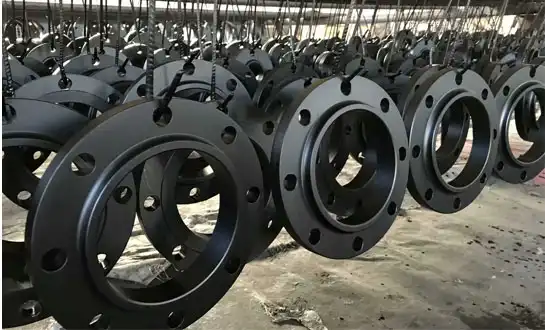
Blind flanges are special pipeline parts that are designed to connect the ends of pipes while keeping the whole system isolated. Unlike regular slip-on or weld neck flanges, which let flow continue, these solid flanges do not have a center bore, so they don't let any fluid or gas pass through.
Types and Material Specifications
There are three main types of blind flange designs used in modern manufacturing settings. Raised-face designs are commonly used with standard gasket installations across a wide range of pressure classes, depending on flange rating and material specifications. Flat-face designs are commonly used in low-pressure systems where full-face gasket contact is required. Ring-type joint (RTJ) designs are commonly used in high-pressure and high-temperature applications, especially in the oil and gas industries, such as petrochemical and offshore sites.
The choice of material has a direct effect on efficiency, durability, and safety during operation. Carbon steel options are cheap and work well in normal water and steam situations, while stainless steel options don't rust in chemical processing settings. Certain alloy steel grades are suitable for elevated-temperature applications, depending on material composition and operating conditions, helping maintain dimensional stability during temperature fluctuations.
Pressure Ratings and Standards Compliance
Blind flanges up to NPS 24 are generally covered by ASME B16.5 standards, which define pressure classes ranging from Class 150 to Class 2500. Larger diameter uses follow the rules set out in ASME B16.47, which covers larger flanges from NPS 26 through NPS 60 used in large-diameter industrial piping systems. In oil and gas applications, API standards are often used alongside ASME specifications. This helps ensure compatibility between new and existing equipment while maintaining required safety margins.
When and Why to Use Blind Flanges in Industrial Pipelines?
To figure out the best way to use blind flanges, you have to compare specific operating needs to the options that are offered. These components perform well in applications that need solid isolation, future system access, and the ability to control pressure.
System Isolation Requirements
Isolating the pipeline is very important for repair work, unexpected shutdowns, and system changes. In contrast to valves, which can have internal leaks, blind flanges provide positive separation that stops all flow. This complete isolation helps protect personnel during downstream maintenance work and stops contamination from spreading from one part of the system to another.
Industrial sites often need to be temporarily shut down while they improve their equipment or add on to their pipelines. Because these closing plates are replaceable, they can be used in the future without having to be cut or welded. This cuts down on the cost of modifications and system downtime.
Pressure Testing Applications
Protocols for hydrostatic testing require safe end closures that can survive test pressures higher than normal working conditions. Blind flanges can meet these requirements, which also make it easy to add pressure tracking tools and relief valves.
The total isolation that these parts provide is good for pressure testing procedures. Welded end caps typically require cutting or destructive removal methods, but bolted blind flange installations allow repeated testing procedures without damaging the system or needing extra materials.
Comparison with Alternative Solutions
Pipeline caps are a fixed way to close a pipe, but they can't be used in the future without cutting operations. Installing valves controls the flow, but they also add more places for leaks to happen and make upkeep more difficult. Spectacle blinds can be switched between open and closed positions, but they need to be installed in a certain way and take up more room.
The choice matrix should weigh the short-term costs against the practical flexibility in the long term. When compared to welded caps, blind flanges may cost more up front, but their ability to be removed often makes up for it by saving money on future modifications.
Installation and Maintenance Best Practices for Blind Flanges
Proper installation procedures help achieve optimal sealing performance and extended service life. By following set protocols, leak risks are kept to a minimum and system reliability is maintained throughout operating cycles.
Step-by-Step Installation Procedures
Cleaning the contact surfaces well, removing scale, debris, and old gasket material, is the first step in getting a pipeline ready. Surface inspection should confirm that the flange facing meets applicable ASME flatness and finish requirements. Any flaws on the surface need to be machined out before installation can continue.
The type of gasket chosen for blind flanges must match the working conditions and the type of flange face. Spiral wound gaskets work well in high-pressure situations and offer good recovery characteristics. Full-face gaskets are best for flat-face designs that need full surface contact. RTJ gaskets provide superior sealing performance in high-pressure applications, but they need to be precisely machined to fit into grooves.
Applying torque in a specific, controlled sequence ensures that the gasket is compressed evenly. Utilizing a star or cross-pattern tightening technique distributes the bolt loads uniformly, preventing uneven gasket compression and maintaining consistent, leak-proof sealing pressure. Final bolt torque values should follow engineering specifications, gasket manufacturer recommendations, and applicable industry standards, which are based on bolt size, the grade of the material, and the conditions of use.
Preventive Maintenance Protocols
Regular inspections should check the state of the gaskets, the tightness of the bolts, and the condition of the flange surface. Visual inspections find early signs of rust, gasket wear, and bolt elongation that could reduce sealing effectiveness. Ultrasonic thickness measurements help monitor corrosion rates and wall thickness reduction in harsh conditions.
Corrosion prevention methods include protective coatings, cathodic protection systems, and material changes when operating conditions are more corrosive than originally anticipated. Keeping records of what was found during inspections helps with planned replacements and predicted repair programs.

Comparing Blind Flanges by Material and Brand for Optimal Procurement
Material selection has a significant impact on performance and how much it costs to own. When you know the pros and cons of different materials, you can make smart choices about what to buy that balance beginning costs with operational needs.
Stainless Steel versus Carbon Steel Performance
Compositions made of stainless steel are better at resisting rust in chemical processing and marine environments. Grade 316L offers improved resistance to chloride-containing environments, making it suitable for certain seawater applications and in chemical plants that work with acidic fluids. The higher initial investment is often justified because the product lasts longer and needs to be replaced less often.
Different types of carbon steel offer affordable options for use in water, steam, and hydrocarbons, where corrosion is less severe. When applied correctly, protective surface treatments like hot-dip galvanizing or epoxy coatings can significantly extend the service life of carbon steel flanges, offering a highly cost-effective alternative to expensive stainless steel options.
Supplier Certification and Quality Assurance
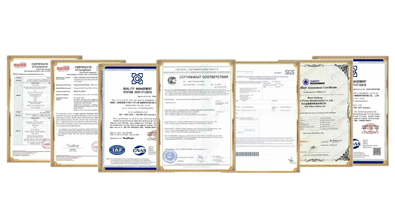
Having ISO 9001:2015 certification ensures that the methods used for making and quality control are always the same. Third-party inspection agencies such as Lloyd’s Register or Bureau Veritas provide additional verification of material compliance and dimensional accuracy.
Supply chain reliability is absolutely critical for project planning, routine maintenance scheduling, and ensuring immediate availability of blind flanges during emergency shutdown situations. Established sellers with a history of reliability lower the risks of purchasing and make sure that replacements are delivered on time when urgent replacements are required. RAYOUNG keeps a wide range of items in stock and can ship them quickly to meet the needs of urgent projects.
Custom and Bulk Order Considerations
Bulk purchasing agreements lower unit costs and ensure that the properties of the materials are the same across all sites, which is beneficial for large-scale projects. Custom specifications allow for special working conditions or size needs that standard goods can't meet.
When planning the lead time, you should think about when to buy materials, manufacturing schedules, and quality inspection schedules. Rush orders may cost more, but they're necessary to meet important project milestones when regular shipping times aren't enough.
Conclusion
Blind flanges are necessary to close off pipelines because they combine the need for operating freedom with the need for system integrity. Their bolted design allows easy removal and reinstallation, which lets you make changes in the future and provides complete isolation during maintenance operations. Your choice of material between carbon steel and stainless steel will rely on the operating environment and total lifecycle cost. Proper installation and maintenance help extend service life and reduce leak risks by following the right installation and upkeep steps. Working with certified suppliers guarantees the quality of the products and the dependability of shipping, which are both necessary for a project to be completed successfully.
FAQ
Q1: What distinguishes blind flanges from weld neck flanges?
Weld neck flanges have center holes that let flow continue, while blind flanges don't have any and completely close off the pipeline. Weld neck flanges are used to connect piping components, while blind flanges are used to close or isolate pipe ends for system isolation or future pipeline expansion.
Q2: How do I select appropriate materials for high-pressure applications?
Stainless steel and alloy steel materials and RTJ face configurations are usually needed for high-pressure systems. Pressure class ratings should be selected according to the system’s design pressure and operating temperature requirements. Refer to ASME pressure-temperature rating charts to get specific material suggestions based on how the system is used.
Q3: Where can I source ISO-certified blind flanges with expedited delivery?
RAYOUNG supplies blind flanges manufactured under ISO 9001:2015-certified quality management systems in a variety of standard sizes and materials. Our quality management system makes sure that we follow international standards and offers expedited delivery options for urgent project requirements.
Partner with RAYOUNG for Superior Blind Flange Solutions
RAYOUNG offers complete options for making blind flanges, backed by ISO 9001:2015 certification and GOST-R compliance. Our wide range of products includes both carbon steel and stainless steel in all pressure classes and face types. Quality assurance procedures ensure dimensional accuracy and material traceability for critical industrial applications. Email our engineering team at info@hb-steel.com to talk about your unique needs and receive customized quotations. As a premier manufacturer and reliable supplier of industrial blind flanges, we offer expert engineering support throughout the entire project lifecycle, helping you select the optimal components to ensure absolute system reliability.
References
1. American Society of Mechanical Engineers. "ASME B16.5-2020: Pipe Flanges and Flanged Fittings: NPS 1/2 through NPS 24 Metric/Inch Standard." ASME Press, 2020.
2. American Petroleum Institute. "API Specification 6A: Specification for Wellhead and Tree Equipment, 21st Edition." API Publishing Services, 2019.
3. Smith, Robert J. "Industrial Pipeline Design and Installation: Best Practices for Process Industries." McGraw-Hill Professional, 2021.
4. Johnson, Michael P. "Flange Design and Selection Criteria for High-Pressure Applications." Journal of Pressure Vessel Technology, Vol. 143, No. 4, 2021.
5. Williams, Sarah K. "Material Selection Guidelines for Corrosive Industrial Environments." Corrosion Engineering Science and Technology, Vol. 56, No. 7, 2021.
6. Thompson, David R. "Maintenance Strategies for Industrial Pipeline Components." Plant Maintenance Resource Center, Industrial Press, 2020.

Need a quote? Want to see samples? Just say hello. We’re friendly. We’re fast. And we’re ready when you are.
Welcome to RAYOUNG – Strong Pipes, Stronger Promise