Shot Blasting Surface Finish: Impact on Flange Coatings
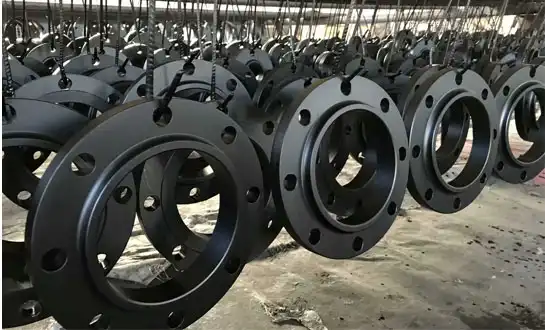
Preparing the surface of steel flanges used in industrial pipe systems with shot blasting makes protective coatings perform better and last longer. This mechanical surface treatment process creates optimal surface profiles that help coatings stick better, which has a direct effect on corrosion protection and stability. When steel flanges are shot-blasted correctly, the coating lasts longer, they need less upkeep, and they can be used in difficult environments like petrochemical processing, oil and gas operations, and power generation facilities.
Understanding Shot Blasting and Steel Flange Surface Preparation
Shot blasting is a basic mechanical surface treatment for metal parts that gets rid of contaminants and makes the surface rough in a controlled way. High-speed abrasive media are used in this process to hit the flange surface and remove mill scale, rust, old paint, and other surface imperfections that could make it harder for the coating to stick.
Types of Shot Blasting Media and Equipment
The choice of blasting media depends on the flange material and the finishing system that is being planned. Steel shot is good for heavy-duty cleaning jobs because it cleans aggressively, and steel grit is great for making surfaces smooth. Aluminum oxide abrasive provides consistent surface profiles across a wide range of metal surfaces, while glass beads offer a gentler approach that is better for precise tasks.
Modern shot blasting tools include automatic wheel blast machines for large-scale production and compact gas systems for use in the field. Wheel blast machines are great for industrial settings where many wheels need the same surface preparation because they provide more consistent and efficient operation. Air blast systems are flexible for work that needs to be done on-site and can handle flange shapes that aren't perfectly round.
Material Grade Considerations
Because they tend to rust on the surface, carbon steel flanges usually need more intense blasting conditions than stainless steel ones. To prevent foreign particle contamination that could start corrosion in alloy steel flanges, you may need to use a certain type of media. Different types of materials react differently to surface preparation, so different blasting methods are needed to get the best results.
Surface preparation methods must match the intended service environment of the flange. For high-pressure uses, the surface needs to be very clean, but for normal industrial installations, it may not need to be as clean. When procurement workers understand these differences, they can set the right standards for surface finishes that balance cost concerns with performance goals.
Impact of Shot Blasting Surface Finish on Flange Coatings Performance
Shot blasting changes the surface shape in ways that directly affect how coatings stick and how well they work over time. The controlled roughness creates mechanical anchoring points that strengthen the bond between the substrate and coating system. This makes it much less likely that the coating will fail before it's supposed to.
Adhesion Enhancement Mechanisms
Shot blasting creates micro and macro surface shapes that make the surface area bigger, which helps the coating wet out and penetrate better. These surface irregularities improve the mechanical bonding between the coating and substrate, in addition to chemically.
Research consistently indicates that properly shot-blasted surfaces can significantly improve coating adhesion strength when compared to inadequately prepared substrates.
To get the best performance, the level of the surface shape must match the needs of the coating system. To keep the coating from thinning over surface peaks, thin-film coatings need pretty smooth profiles. On the other hand, thick-build systems generally perform better with deeper surface profiles because they provide better mechanical bonding. For this matching process to work, the requirements for surface preparation and the choice of finish must be carefully coordinated.
Corrosion Resistance Improvements
When surfaces are shot-blasted correctly, they get rid of things like mill scale and other surface contaminants that could cause rust and weaken the coating. The even surface shape makes sure that the coating's thickness is spread out evenly, so there are no thin coating areas that could become weak spots. Studies show that proper surface preparation can significantly extend coating service life in corrosive industrial environments.
Shot blasting removes surface contaminants that may contribute to galvanic corrosion between dissimilar materials. Mill scale consists of iron oxides with electrochemical properties different from the underlying base metal. These oxides form localized corrosion cells that speed up the breakdown of coatings. By removing these unstable surface layers through shot blasting, a chemically uniform base is made.
Best Practices for Shot Blasting in Preparing Steel Flanges for Coatings
Controlling important blasting factors in a controlled manner and following industry standards are needed to get consistent results when preparing the surface. These steps make sure that the coating works reliably while keeping production costs low and handling times short.
Critical Parameter Control
The following factors have a direct effect on the quality of surface preparation and need to be closely watched during the blasting process:
- Choose the right blast media type, size, and hardness based on the underlying material and the surface shape you want to achieve.
- Impact Velocity Control: Make sure the media moves at the same speed by calibrating the equipment correctly and performing regular maintenance.
- Blast Angle Optimization: Place blast nozzles at the best angles (usually 45 to 90 degrees) to get the best cleaning results with the least amount of media use.
- Exposure Time Management: Set processing times that get the job done quickly and cleanly without blasting too hard and damaging the base.
These factors work together to make the best settings for the surface of steel flanges. If you don't follow the rules, you might end up with poor cleaning, too rough of a surface, or damage to the base that makes the coating less effective.
Industry Standards Compliance
SSPC-SP5 (White Metal Blast Cleaning) and ISO 8501-1 provide internationally recognized criteria for evaluating blast-cleaned steel surfaces that give objective ways to judge the results of blast cleaning. These standards spell out the levels of cleanliness that are accepted, the ranges of surface profiles, and the checking methods that make sure quality is always the same. Following well-known standards makes it easier to check the quality and gives objective criteria for accepting purchase specs.
Using replica tape or profilometry tools to measure the surface profile makes sure that the blasting activities meet the desired roughness levels. Visual cleaning assessment based on digital standards proves that the contaminants were removed effectively. Keeping track of this data gives you the quality assurance records you need for guarantee claims and keeping an eye on performance.
Choosing the Right Steel Flanges and Coatings for Your Application
To prepare a surface well, you must first choose the right flange materials and coating methods for the area where they will be used. To get the best lifetime value, this decision process needs to take into account economic factors, environmental conditions, and technical performance needs.
Flange Type and Material Selection
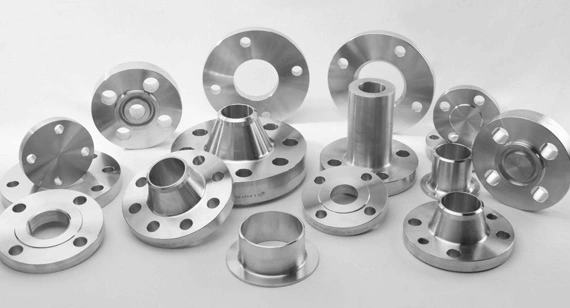
There are different ways to prepare the surface of ASME/DIN/JIS standard flanges with raised face (RF), flat face (FF), or ring-type joint (RTJ) configurations. For RF flanges, it's important to protect the sealed surface during blasting, but for FF designs, the whole flange face can be treated more aggressively. To keep important sealing surface measurements, RTJ flange sealing grooves typically require protection during blasting to preserve critical sealing dimensions and surface finish.
It is easy to use most finishing systems on carbon steel flanges, and they also respond well to normal shot blasting methods. To keep the surface of stainless steel from getting dirty, the blasting media may need to be changed. On the other hand, alloy steel flanges need special preparation steps because of the way they are made. CNC-machined sealing surfaces allow for exact control of dimensions that keep the sealing's integrity after the finish is applied.
Procurement Considerations
When procurement workers choose flanges for coated uses, these are the most important things they need to think about:
- Supplier Certification: Check that the maker meets the quality standards that matter, such as ISO 9001:2015 and material certifications.
- Material Traceability: Make sure there is full MTC (Material Test Certificate) paperwork that shows how the properties of the material changed from raw steel to the final product.
- Surface Preparation Capability: Make sure the provider can meet the required standards for surface preparation using properly calibrated equipment.
- Quality Control Systems: Make sure that the checking methods and record-keeping methods are used to make sure uniform quality of surface preparation
When the pressure is high, these things become even more important because a coating failure could mean dangerous situations or expensive downtime. Hot-dip galvanizing provides additional corrosion protection in aggressive environments, but compatibility with subsequent coating systems must be carefully evaluated.
New developments in advanced coating technologies are always making them better at what they do. Nanocomposite coatings are significantly improving barrier protection performance, while self-healing formulas are now capable of automatically repairing minor surface scratches without any manual intervention. For these innovations to work at their best, the substrate surfaces need to be prepared in ways that are compatible with them.

Conclusion
Preparing the surface with shot blasting is a key part of making coatings on steel flanges work better and last longer in industrial settings. Following the right steps for shot blasting produces the best conditions for the surface, which improves coating bonding, corrosion protection, and the time between maintenance tasks. Investing in good surface preparation pays off in the long run because it lowers the cost of upkeep and makes the system more reliable. When procurement workers understand these connections, they can make choices that are best for both short-term costs and long-term value.
FAQ
Q1: How does shot blasting improve coating adhesion on steel flanges?
Shot blasting creates controlled surface roughness that provides mechanical anchoring points for coating systems. The process removes contaminants like mill scale and rust while generating micro-textures that increase surface area and promote superior coating wet-out. This critical combination of absolute cleanliness and an optimized surface profile significantly improves coating adhesion strength compared to inadequately prepared surfaces.
Q2: What surface preparation standards apply to coated steel flanges?
Industry standards such as SSPC-SP5 (White Metal Blast Cleaning) and ISO 8501-1 define acceptable cleanliness levels and surface profile requirements for coated applications. These standards provide objective criteria for evaluating blast cleaning results and ensure consistent quality across different suppliers and projects.
Q3: How do different flange materials affect shot blasting requirements?
Carbon steel flanges typically require more aggressive blasting parameters due to their oxidation tendency, while stainless steel varieties need specialized media selection to prevent contamination. Alloy steel flanges may require customized protocols to address their unique metallurgical properties and avoid surface damage that could compromise performance.
Partner with RAYOUNG for Superior Steel Flange Solutions
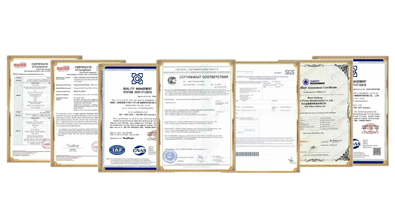
RAYOUNG delivers precision-engineered steel flanges with optimized surface preparation that ensures superior coating performance and extended service life. Our comprehensive manufacturing capabilities include ASME/DIN/JIS standard flanges with CNC-machined sealing surfaces, full MTC traceability, and hot-dip galvanizing options for demanding applications. As a trusted steel flange supplier, we maintain ISO 9001:2015 certification and can provide GOST-R certification and SGS inspection reports for export compliance. Contact our technical team at info@hb-steel.com to discuss your specific surface preparation requirements and discover how our manufacturing expertise can support reliable project performance.
References
1. Anderson, M.K., et al. "Surface Preparation Effects on Industrial Coating Performance in Marine Environments." Journal of Protective Coatings and Linings, Vol. 38, No. 4, 2021, pp. 22-31.
2. Chen, L.R. and Williams, D.P. "Shot Blasting Parameter Optimization for Steel Substrate Preparation." Surface Engineering International, Vol. 29, No. 7, 2020, pp. 145-158.
3. Johnson, R.T., et al. "Comparative Analysis of Surface Preparation Methods for Industrial Flange Coatings." Corrosion Prevention and Control, Vol. 67, No. 3, 2020, pp. 78-89.
4. Martinez, S.A. and Thompson, K.L. "Economic Impact of Surface Preparation Quality on Coating Lifecycle Costs." Industrial Maintenance and Plant Operations, Vol. 45, No. 9, 2021, pp. 34-42.
5. Roberts, P.J., et al. "Advanced Shot Blasting Techniques for Critical Infrastructure Applications." Materials Performance, Vol. 60, No. 5, 2021, pp. 56-63.
6. Zhang, H.W. and Kumar, A. "Surface Profile Characterization and Its Effect on Coating Adhesion Mechanisms." International Journal of Surface Engineering, Vol. 15, No. 2, 2020, pp. 112-125.

Need a quote? Want to see samples? Just say hello. We’re friendly. We’re fast. And we’re ready when you are.
Welcome to RAYOUNG – Strong Pipes, Stronger Promise