Flanges Used in Boiler Systems and High-Pressure Steam
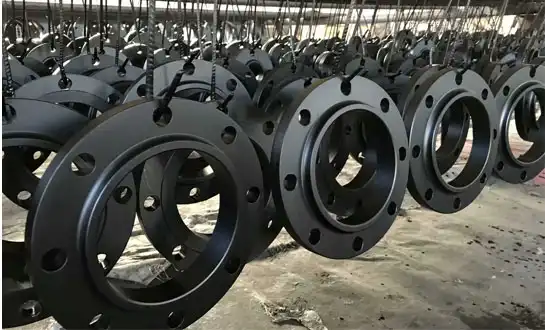
Boiler flanges are customized, high-pressure parts that are used as important connection points in a wide range of industrial high-pressure steam systems. These parts, which are made to strict ASME B16.5 standards, make it easier for pipes, pumps, valves, and boilers to connect safely. They also keep leak-proof covers with industrial gasket sealing systems. These flanged links make sure that operations are safe, that rules are followed, and that the system works well in a wide range of industry settings, from power plants to chemical processing plants. Their value goes beyond their simple functioning; for procurement managers and engineering teams around the world, they have a direct effect on project timelines, maintenance costs, and the long-term performance of equipment.

Understanding Boiler Flanges – Types, Specifications, and Standards
Steam system flanges are basic parts of complicated industrial networks. They make links that can be taken off and put back on, so there's no need for permanent welding during repair. These special fittings make it possible to take apart the system while maintaining pressure boundary integrity in a range of working situations.
Essential Flange Types and Configurations
Because they are stronger and better at distributing stress, weld neck flanges are the most common type used in high-pressure steam applications. Because the change from pipe diameter to flange bore is slow, stress concentration points are lowered. This makes them perfect for harsh working conditions. Slip-on flanges provide a cost-effective solution for moderate-pressure applications. They make installation easy and maintain sealing integrity.
Blind flanges are very important for isolating systems and checking them. These solid disc shapes let the pipe ends be completely closed during repair, or in case they need to be expanded in the future. Socket weld flanges have the benefits of welded joints and the ability to be removed. This is especially useful in smaller-diameter situations where room is limited.
When pressure and temperature are very high, ring-type joint (RTJ) flanges are the best choice. The way their metal-to-metal sealing mechanism works is better than standard gasket systems, especially in high-pressure and high-temperature service conditions.
International Standards and Material Specifications
For most industrial steam uses, ASME B16.5 standards define dimensions, pressure-temperature ratings, tolerances, materials, and marking requirements. These standards make sure that products from different companies will work together, and they also maintain appropriate safety margins that are right for high-pressure situations. European EN standards offer different requirements that might be needed for foreign projects or certain legal needs in a specific area.
When choosing materials, strict rules set by ASTM standards are followed. ASTM A105 carbon steel is a cost-effective choice for uses in mild temperatures, while ASTM A182 stainless steel types offer better protection against corrosion in harsh steam environments. Compositions of alloy steel meet specific chemical interaction needs that come up in certain industrial processes.
Pressure Rating Classifications
Pressure ratings for boiler flanges start at Class 150 for low-pressure applications and scale up to Class 2500 for extremely high-pressure steam systems. By understanding these categories, you can choose the right parts based on their specific working conditions while still meeting safety standards.
Choosing the Right Boiler Flanges for High-Pressure Steam Systems
To choose the right steam system flanges, you need to carefully consider the working conditions, the suitability of the materials, and the expected long-term performance. The selection process is based on scores for pressure and temperature, which have a direct effect on safety margins and operating efficiency.
Pressure and Temperature Considerations
In high-pressure steam settings, the flanges need to be able to handle extreme temperature changes while still keeping the integrity of the bond. Changes in temperature cause problems with thermal expansion that need to be fixed by designing the flanges correctly and choosing the right materials. For working pressures above 600 PSI, Class 600 ratings or higher are usually required to make sure there are adequate safety margins.
Thinking about steam temperature is more than just choosing the right material. During startup and shutdown processes, thermal shock resistance is very important. This is especially true in power generation situations where temperature changes happen quickly. Flanged connections have to be able to handle different levels of growth between the parts they join while keeping the seals tight.
Material Selection Strategies
Carbon steel flanges are a cheap way to handle normal steam uses that don't need to be very resistant to corrosion. These materials are very strong and can be welded easily. They can also handle most industry temperatures up to 800°F.
Configurations made of stainless steel are better at resisting rust and last longer in harsh settings. Grade 316 stainless steel is better at resisting salt, which is helpful for installs near the coast or in water that might be hard to keep from rusting. Most of the time, the higher original investment gives big cost savings over the product's lifetime thanks to less upkeep and longer replacement periods.
Different types of alloy steel meet special mechanical needs for uses in high temperatures. Chrome-molybdenum alloys offer better resistance to creep in superheated steam situations while still being tough enough for thermal cycling conditions.
Gasket Selection and Sealing Systems
Spiral wound gaskets are the standard sealing solution for sealing high-pressure steam systems because they combine the power of metal with the flexibility of soft filler materials, combined with metallic winding elements. Even though the flange surface isn't perfect, these designs maintain sealing stress uniformly when the temperature changes.
For uses involving superheated steam, metal-clad gaskets offer better temperature protection. The metal shell around the soft center keeps it safe and makes sure the seal stays tight even in harsh conditions. When leaks are unacceptable in serious situations, RTJ gaskets are the best way to seal things.
Inspection, Maintenance, and Quality Control of Boiler Flanges
To keep the flange working at its best, it needs regular inspections and preventative maintenance plans that are specifically made for steam system settings. Regular evaluation processes find possible problems before they damage the system or put workers at risk.
Common Wear Patterns and Failure Modes
The most common way that steam system flanges fail is through thermal stress. When you heat and cool something over and over, you build up stress that can cause cracks to start and spread. The main goal of visual inspection is to find the first signs of heat damage, such as darkening, microcracking, or dimensional distortion.
Corrosion-related damage is different based on the type of water and how it is used. Oxygen pitting, chemical attack, and general rust all have their own unique looks that trained inspection staff can spot during regular maintenance tasks. By knowing these trends, you can change things before they break in a big way.
Deterioration of the gasket often means that the seal is about to fail. Compression set, chemical attack, or heat breakdown can all weaken the seal, resulting in steam leakage and possibly posing a safety risk. Unexpected breakdowns during operation can be avoided by inspecting the gaskets regularly during planned downtimes.
Preventive Maintenance Protocols
Consistently verifying bolt tightness ensures that clamping loads remain evenly distributed across the entire boiler flange assembly. Thermal cycling can change the tightness of bolts, which could weaken seals or make stress distribution uneven. Systematic re-torquing processes using calibrated tools keep the clamping conditions at their best during the repair interval.
Assessing the surface state finds wear patterns that could affect how well the seal works. Using precise tools to measure the flange face for distortion or wear that could make the gasket less effective. When measurement errors are too large, resurfacing procedures restore proper sealing surface geometry.
Analyzing scale deposits and corrosion byproducts provides vital insights into the exact operational conditions driving the degradation. This data allows engineers to fine-tune water treatment chemistry or upgrade flange materials, ultimately enhancing system reliability and extending component lifespans.

Procurement Guide – Sourcing and Buying Boiler Flanges Efficiently
Effective buying strategies balance the need for quality with the need to save money, all while making sure that key parts of the steam system have a reliable supply chain support. When judging a supplier, you need to look at their technical skills, quality processes, and how stable their business will be in the long run.
Supplier Assessment and Qualification
Verification of manufacturing capabilities makes sure that providers have the right tools and knowledge to make high-pressure flanges. Objective proof of quality compliance can be found in mill test records, dimensional inspection reports, and pressure testing documents. A site audit can show ways of making things, checking for quality, and specialized skills that might not be clear from just reading paperwork.
Different applications and places have different certification standards. Pressure tank standards must be met in order for an ASME Code certification to be valid, and ISO 9001 approval shows that quality management is done in a planned way. For some uses, you may need extra certifications like API, NACE, or nuclear quality requirements.
For long-term projects or ongoing upkeep needs, supply chain security is very important. Established suppliers with a wide range of customers and strong financial positions offer a greater guarantee of ongoing technical help and access throughout the lifecycle of the project.
Custom Versus Standard Solutions
Standard flange configurations are ready to use right away and have been shown to work well in common situations. Lead times are shortened when there is inventory on hand, and uniform designs benefit from a lot of field experience and recorded performance data. As a result of economies of scale in production, standard goods tend to be cheaper.
Custom flange designs are made to fit specific needs in applications that can't be met by standard designs. Custom production may be necessary because of unique materials, non-standard sizes, or built-in features, even if it costs more and takes longer to deliver. For unique uses, engineering help is necessary to make sure that the design and production go smoothly.
Procurement Best Practices
Buying in bulk can save you money by taking advantage of quantity deals and making sure you have enough inventory for upkeep needs. With planned releases and annual blanket orders, you can be sure of a steady supply while lowering the costs of keeping goods on hand. Partnering with suppliers makes it easier to get expert help and special treatment when supplies run out.
During the buying process, it must be made clear what kind of quality paperwork is needed. Mill test certificates, dimensional inspection reports, and material tracking documents make sure that the project requirements are met. Third-party review services give important applications extra quality security.
Enhancing Boiler Systems with Advanced Flange Solutions
Through new materials, design improvements, and production methods, technological progress keeps making flanges work better. These changes mean that current steam systems could be safer, more efficient, and need less care and upkeep.
Innovative Design Features
New closing technologies make things less likely to leak while also making upkeep easier. Self-energizing gasket designs use system pressure to improve sealing performance, which is especially helpful in situations where the pressure changes. Integrated leak detection systems let you know early on when a seal is wearing down, before it fails.
Thermal barrier coatings for boiler flanges reduce heat transfer through flange bodies, which lowers thermal stress and keeps people from getting burned. These special surface processes make parts last longer and keep workers safer around high-temperature steam systems.
During repair, modular connection methods make it easy to quickly put together and take apart parts. Quick-connect methods shorten the time of an outage while maintaining pressure integrity as standard bolted connections.
Performance Optimization Strategies
Finite element analysis finds the best shape for a flange based on its intended use, which cuts down on the amount of material needed while keeping the structure's stability. Computer-aided design tools let you make unique solutions that solve specific problems in applications without sacrificing speed or safety.
Improvements in corrosion protection and mechanical properties are still being made in the field of material science. Super-duplex stainless steels are stronger and less likely to rust in harsh conditions, and improved alloy formulas make them last longer in high-temperature settings.
Surface finishing methods make sealing work better while lowering the need for upkeep. Precision machining creates optimal sealing surface conditions for closing the gasket, and special coatings add extra protection against wear or rust.
Conclusion
Steam system flanges are important parts that have a direct effect on safety, dependability, and operating efficiency in a wide range of industry settings. For the right choice, you need to know a lot about the material's qualities, how it will be used, and what kind of performance is needed for each application. Quality buying practices make sure that there is a steady supply of compliant parts at a low cost throughout the lifespan of the project. Protocols for regular checking and repair keep systems running smoothly and find problems before they become serious. More and more advanced technologies are making flanges work better, which means that current industrial steam systems can be more efficient and need less upkeep.
FAQ
Q1: What pressure ratings are appropriate for boiler flange selection?
Pressure ratings should exceed maximum operating pressure by appropriate safety factors, typically 1.5 to 4.0, depending on application criticality and code requirements. Class 150 flanges are suitable for relatively low-pressure applications, with allowable pressure depending on material type and operating temperature, while Class 600 components are commonly used in medium- to high-pressure industrial applications, with allowable pressure determined by material and temperature ratings. High-pressure steam applications often require Class 900 or Class 1500 ratings for adequate safety margins.
Q2: Can boiler flanges be used interchangeably with standard pipe flanges?
While dimensional compatibility may exist, boiler flanges incorporate enhanced metallurgy and design features specifically required for high-temperature steam service. Standard pipe flanges may lack adequate temperature ratings or material specifications for safe operation in boiler systems. Always verify temperature and pressure ratings before substituting components.
Q3: What are typical lead times for custom flange orders?
Custom flange manufacturing typically requires 8-12 weeks, depending on material availability and complexity. Standard modifications, such as special drilling patterns, may be completed within 4-6 weeks. Emergency orders can sometimes be expedited with premium pricing, though quality verification procedures cannot be compromised.
Q4: How do I verify flange material authenticity?
Authentic material certification requires mill test certificates (MTCs) that document chemical composition and mechanical properties. Positive Material Identification (PMI) testing using portable XRF analyzers provides field verification of material composition. Reputable suppliers provide complete traceability documentation linking finished products to certified raw materials.
Partner with RAYOUNG for Superior Boiler Flange Solutions
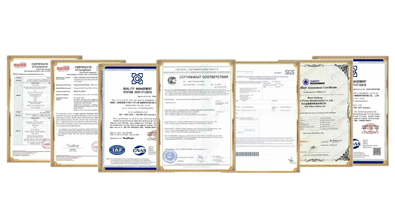
RAYOUNG stands as a premier manufacturer and trusted supplier of industrial piping components, delivering precision-engineered boiler flanges that consistently exceed industry standards for high-pressure steam applications. Our comprehensive product portfolio includes ASME B16.5 compliant flanges manufactured from premium carbon steel and stainless steel materials, backed by ISO 9001:2015 quality management and GOST-R certification for global compliance. With extensive experience serving power generation, chemical processing, and industrial facilities worldwide, we understand the critical importance of reliable connections in your steam systems. Contact our technical specialists at info@hb-steel.com to discuss your specific requirements and discover how our manufacturing capabilities can support reliable project performance and long-term operational efficiency while optimizing the total cost of ownership.
References
1. American Society of Mechanical Engineers. "ASME B16.5 - Pipe Flanges and Flanged Fittings: NPS 1/2 Through NPS 24 Metric/Inch Standard." New York: ASME Press, 2020.
2. Harvey, John F. "Theory and Design of Pressure Vessels." 4th Edition. New York: Chapman & Hall, 2021.
3. Bickford, John H. "Gaskets and Gasketed Joints." 2nd Edition. Boca Raton: CRC Press, 2019.
4. Moss, Dennis R. "Pressure Vessel Design Manual." 5th Edition. Oxford: Butterworth-Heinemann, 2022.
5. American Petroleum Institute. "API 6A - Specification for Wellhead and Christmas Tree Equipment." 21st Edition. Washington: API Publishing Services, 2020.
6. Singh, Krishna P. "Mechanical Design of Heat Exchangers and Pressure Vessel Components." 3rd Edition. New Delhi: Springer, 2021.

Need a quote? Want to see samples? Just say hello. We’re friendly. We’re fast. And we’re ready when you are.
Welcome to RAYOUNG – Strong Pipes, Stronger Promise