When to use a long radius and a short radius elbow?
Choosing between long-radius and short-radius elbow fittings can directly impact your piping system's efficiency, safety, and total cost of ownership. A long-radius elbow, with a centerline bend radius of 1.5 times the nominal pipe diameter (1.5D), provides smoother fluid flow and reduces pressure drop, making it suitable for high-pressure industrial applications. On the other hand, a short-radius elbow features a tighter bend at 1D, offering space-saving advantages in compact installations but generating higher flow resistance. Understanding when to use each type ensures you minimize project risk, meet compliance standards, and optimize both upfront and lifecycle costs—critical factors for EPC contractors, distributors, and industrial end users.
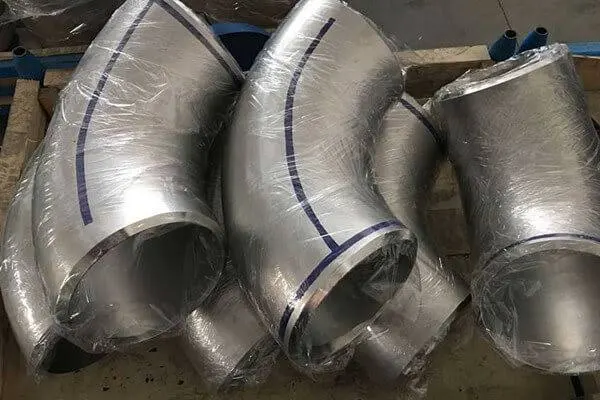
Understanding Long Radius and Short Radius Elbows
When choosing pipe fittings for industrial systems, it's important to know the basic differences between elbow types. Although both long-radius and short-radius elbows change the flow direction within a pipeline, their geometric differences produce different performance patterns that are important to engineering teams and procurement managers.
Defining Long Radius Elbows
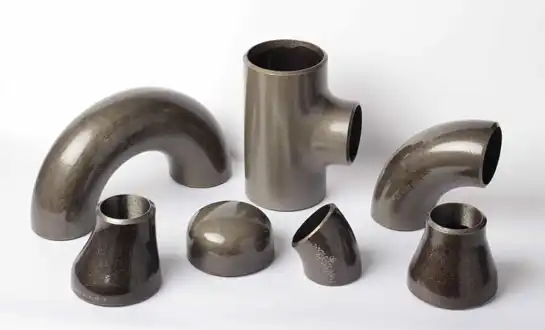
The radius of the bend on a long-radius elbow is 1.5 times the nominal pipe diameter. This gradual curve helps reduce turbulence, pressure drop, and flow-related noise in the system. These elbows are made according to ASME B16.9 and may use end preparation requirements specified in ASME B16.25. They can be made by hot pressing or mandrel making. Carbon steel, stainless steel grades such as 304 and 316, and special alloys for corrosive conditions are all popular materials. This design allows butt-weld connections that provide permanent, leak-resistant joints and maintain structural integrity even under high pressure. This fitting works great in situations where both flow efficiency and long-term durability are very important.
Defining Short Radius Elbows
A short-radius elbow, on the other hand, has a bend radius that is the same size as the pipe itself. Because it's small, it can make tighter turns, which makes it essential when installation space is limited or when it needs to get around obstacles. These elbows are made from brass, carbon steel, or stainless steel, and they are commonly available in 45°, 90°, and 180° configurations depending on system requirements. Even though they can handle high temperatures and pressures well, the tighter angle makes flow more difficult than with long-radius elbows. Even though this effect is lessened by precision engineering, these fittings are best used in certain situations where space limitations are more important than pressure drop worries.
Material Options and Pressure Ratings
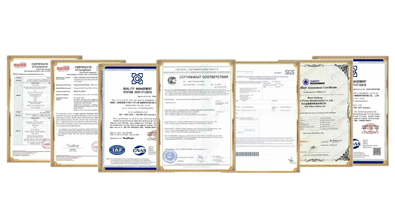
Both types of elbows come in a range of material grades to meet the needs of different applications. For normal uses, carbon steel elbows are a cost-effective option. Stainless steel elbows, on the other hand, are better at resisting corrosion in chemical processes and offshore settings. Pressure ratings depend on wall thickness and the material grade used. There are schedules that range from Sch 10 to Sch XXS. Knowing these ratings will help you make sure that the product you choose meets both safety standards and working needs. At RAYOUNG, we offer a wide range of industrial pipe fittings that are certified by GOST-R and SGS. This makes sure that our products are exported legally and that their quality is checked in both local and international markets.
Key Differences and Comparative Analysis
In order to choose the right long-radius and short-radius elbow type, you need to know how changes in geometry affect performance in actual operating conditions. This comparison helps buying teams make smart choices that meet the needs of the system and stay within their budgets.
Radius Size and Flow Dynamics
The curve radius is what makes the difference. With their 1.5D bend, long-radius elbows make a smooth flow path that lowers friction and turbulence. These elbows generally produce lower pressure drops compared with short-radius options under the same flow conditions. For as long as the system is in use, this economy directly leads to lower running costs and lower energy use. With their 1D bend, short-radius elbows make direction changes that are sharper, which makes velocity changes and pressure drops worse. While this presents a hydraulic disadvantage, the compact footprint is highly beneficial in confined spaces where clearance is critical.
Stress Distribution and Lifecycle Performance
The two shapes of long-radius and short-radius elbows have very different patterns of stress accumulation. Long-radius elbows spread mechanical stress more evenly across the fitting, which lowers the risk of fatigue failure in high-cycle situations. The gradual bend also keeps systems that deal with rough slurries or fast-moving fluids from wearing down. There are a lot of stress concentration areas at the bend tip of short-radius elbows, which could shorten their service life in tough situations. When engineers plan maintenance and replacement intervals, they need to take these things into account. If parts fail too soon, it can cause expensive downtime and safety issues, which are major concerns for facility managers who want to make sure operations keep running smoothly.
Cost and Procurement Considerations
The prices of different types of elbows show how the materials are used and how complicated the production process is. Because they require less material and are easier to make, short-radius elbows may cost less than long-radius elbows in many cases because they typically require less material and simpler forming processes. Astute procurement professionals, however, evaluate the total cost of ownership rather than focusing solely on the unit price. Long-radius elbows are often a better value in high-pressure systems because they last longer and need less maintenance. When you buy in bulk, you can get big discounts, especially if you work with trusted suppliers who keep their inventory levels stable. As a company that is ISO 9001:2015 certified, RAYOUNG's production methods guarantee consistent quality for large orders, helping you meet your project deadlines without sacrificing quality.
When to Use Long Radius Elbows?— Applications and Benefits
Long-radius elbows are the best choice for systems that want to maximize flow, last a long time, and keep workers safe. When engineering teams know where these pieces provide the most value, they can choose parts that are in line with project goals.
High-Pressure Pipeline Systems
Long-radius elbows are very helpful for industrial piping systems where reduced pressure drop, smoother flow, and lower turbulence are important. The lower pressure drop keeps the system working well, and the even distribution of stress increases safety margins. Transmission lines for oil and gas, chemical plants, and power plants are just a few of the uses. The smoother flow path can reduce turbulence and pressure losses in pumping systems, which protects both the fitting and the equipment further downstream. In these conditions, choosing the right material is very important. Stainless steel types work best in corrosive settings, while carbon steel is more cost-effective for everyday uses.
HVAC and Process Industries
To keep their thermal performance, heating, ventilation, and air conditioning systems need to make sure that the flow is distributed evenly. Long-radius elbows meet these needs by lowering the noise that can slow down the rate of heat transfer. Process businesses that work with sensitive fluids, like making medicines or processing food, also benefit from the gentle flow path that minimizes product degradation. The permanent buttweld connection gets rid of any possible leak points, which is important for environments that need to follow rules. A lot of the time, these installations need a lot of paperwork and certifications for the materials. This is where experienced suppliers come in handy by letting you track every step of the product's journey.
Procurement Insights and Supplier Selection
When procuring long-radius elbows, organizations must balance technical specifications with commercial requirements.Leading suppliers maintain extensive inventories of standard sizes and offer custom fabrication to meet specific requirements. The quality plans for the project should match the material certificates, dimensional limits, and surface finish requirements. When you buy in bulk, you can save 20 to 30 percent on each unit. This is especially helpful for big building projects that need hundreds or thousands of fittings. Working with ISO-certified makers makes sure that the standard is always the same and makes inspections easier. RAYOUNG has a wide range of products, such as butt-weld steel elbows in different schedules and materials. They also offer technical support to help you choose the right part for each job.
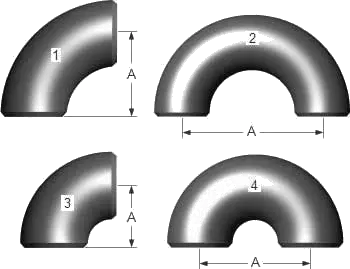
When to Use Short Radius Elbows?— Applications and Limitations
Short-radius elbows are useful for installations where space limitations force designers to make choices about what to do. By understanding their limitations and appropriate applications, engineers can ensure these fittings perform optimally without unexpected complications.
Space-Constrained Installations
There isn't always a lot of room for small machinery installs, retrofit jobs, and offshore sites. Short-radius elbows allow routes that would not be possible with elbows of a bigger radius. This lets system designers get around structural problems or fit within certain envelope dimensions. When used in marine situations, where every square inch of deck room is valuable, this compactness is especially useful. But choosing these bends needs careful estimates of the pressure drop to make sure the pumping capacity stays enough. Short-radius elbows can be used in both low- and high-pressure systems when the material grade, wall thickness, temperature rating, and applicable piping code requirements are satisfied because they offer benefits in terms of space that are greater than the trade-offs in performance.
HVAC and Light Industrial Applications
When ductwork or pipes have to go around walls, ceilings, and equipment, industrial buildings' heating and cooling systems often use long-radius and short-radius elbow joints. It is well within the fitting's capabilities to handle the moderate pressures and temperatures in these systems. The small size of a short-radius design is also good for light industrial facilities with pneumatic conveying systems, though engineers need to think about the higher pressure drop when they size fans and compressors. The choice of material is still important, and galvanized steel or stainless steel can help prevent corrosion in damp places. By knowing the differences and limitations of long-radius and short-radius elbow designs, you can avoid misusing the fitting in situations where its limitations could hurt its performance.
Procurement Strategies and Supplier Evaluation
Short-radius elbows usually have lower unit costs, which makes them a good choice for projects that need to stay within a budget. But minimum order quantities can be very different between suppliers, which can have an effect on small to medium-sized installations. When looking through seller catalogs, it's important to pay close attention to the specifics like wall thickness, bend angle standards, and end preparation, since differences can make parts not work with each other. Established wholesalers keep popular sizes in stock, which cuts down on lead times for jobs that need to be done quickly. At RAYOUNG, we offer both standard catalog items and custom fabrication to meet the needs of a wide range of projects. We do this by balancing low prices with high-quality standards. Our promise to provide a steady supply helps distributors and installers who need reliable availability to keep customers happy.
Decision-Making Guide: Choosing Between Long and Short Radius Elbows
To pick the right long-radius and short-radius elbow type, you have to carefully consider a lot of different factors that affect both the short-term success of the project and its long-term performance. This organized method helps people make decisions with confidence.
Pressure Requirements and Flow Efficiency
The main decision factor is the system working pressure. Long-radius elbows are better at distributing stress and are less likely to break in high-pressure situations, especially when the pressure is higher than 600 PSI. Use well-known engineering methods or computational fluid dynamics tools to figure out the pressure drop through each type of fitting. The effect of several parts working together can have a big effect on running costs over the life of the system. When systems deal with expensive or dangerous fluids, reducing turbulence also lowers the chance of chemical reactions or erosion that could make things less safe. These things to think about are in line with what site managers want, which is to avoid downtime and keep operations running smoothly.
Installation Space and Budget Constraints
Fittings are sometimes chosen based on available installation room, even if the user would rather have a different performance. Before finishing the details, do thorough site surveys to find out what space limitations there are. When there is room, long-radius elbows have a better total cost of ownership, even though they cost more at first. On the other hand, retrofit projects or installations that have fixed obstacles may need solutions with a short radius. When you do a budget study, you should look at more than just the purchase price. You should also look at the labor costs, energy use, and expected upkeep costs. Project managers with a lot of experience know that cheaper parts may seem like a good way to save money, but they can actually cost more to run or need to be replaced sooner than planned.
Customization and Scalability
Most needs can be met by standard catalog parts, but for some unique uses, custom manufacturing may be needed. Suppliers with in-house fabrication capabilities are required for non-standard sizes, exotic alloys, or custom bend angles. Verify whether the selected supplier can accommodate both current project demands and future scalability requirements. Infrastructure projects usually happen in stages, which is why ties with suppliers are important for making sure that the specifications stay the same from one stage of the project to the next. RAYOUNG's technical team works with clients to come up with the best answers, using our wide range of manufacturing skills to solve specific problems. We know the differences between successful and unsuccessful installations because we have worked on projects in residential, commercial, and industrial settings. Project risk is lower when you work with providers who offer full support after the sale, such as expert advice, help with paperwork, and quick customer service. Discounts for large orders can have a big effect on big projects, so negotiating with suppliers is an important part of buying. Before placing a big order, especially with a new supplier, you might want to ask for samples or mill test results. These actions are in line with quality management concepts that keep project specs and reduce the need for redo work.
Conclusion
When deciding between long-radius and short-radius elbows, you have to weigh technical ability, space limitations, and cost. Long-radius fittings are better for high-pressure industrial systems because they distribute stress and flow more evenly. Short-radius fittings, on the other hand, are necessary for installations with limited space because they are more compact. To make a good procurement, you need to make sure that the fitting characteristics match the needs of the system, look at the total cost of ownership, and work with dependable suppliers who support your quality and delivery goals. By knowing these differences and using organized selection criteria, you can choose parts that improve safety, lower costs over their lifetime, and support operating dependability in a wide range of industrial settings.
FAQ
1. Can short-radius elbows be used in high-pressure systems?
Technically, short-radius bends can work in high-pressure settings, but they need to be carefully studied by engineers first. Because there are more stress points and more pressure drop, they are not as good for long-term high-pressure use as alternatives with longer radii. These fittings are commonly used in low- to moderate-pressure systems, provided that the design pressure, temperature, material grade, and applicable piping code requirements are satisfied.
2. How does elbow radius affect operational lifespan?
The radius of the elbow has a direct effect on how stresses are distributed and how flow causes erosion. Because there is less stress and instability, long-radius elbows often achieve a longer service life than short-radius elbows under similar operating conditions because of lower stress concentration and reduced turbulence. The choice of material and fluid properties also has a big effect on service life.
3. What are the cost implications of custom long-radius elbows?
Depending on the material, size, and complexity of the specifications, custom production costs 25 to 50 percent more than stock prices. But volume savings can help balance out these extra costs for large buys. When custom fittings improve system performance, lifecycle cost analysis often makes the investment worth it.
Partner with RAYOUNG for Quality Pipe Elbow Solutions.
In addition to high-quality long-radius and short-radius elbow fittings, RAYOUNG offers a full range of pipe options. Our long-radius and short-radius elbow fittings are trusted by EPC contractors, distributors, and industrial end users. Our products are ISO 9001:2015 certified and have GOST-R and SGS export certifications to back them up. We have a huge selection of carbon steel, stainless steel, and unique alloys in a wide range of sizes and plans. Our technical team can help you find the right parts for your system, whether you need standard catalog items or products that are custom-made solutions. You can meet your project deadlines and quality goals with the help of competitive bulk prices, reliable shipping schedules, and detailed material documentation. Contact info@hb-steel.com right away to talk about your needs and get thorough quotes that are made to fit your budget.
References
1. American Society of Mechanical Engineers. (2020). ASME B16.9: Factory-Made Wrought Buttwelding Fittings. New York: ASME Press.
2. Crane Co. (2019). Flow of Fluids Through Valves, Fittings, and Pipe. Technical Paper No. 410. New York: Crane Company.
3. Smith, J. R., & Anderson, P. L. (2021). Industrial Piping Systems: Design, Installation, and Maintenance. Houston: Gulf Publishing Company.
4. National Association of Corrosion Engineers. (2018). Corrosion Control in the Chemical Process Industries. Houston: NACE International.
5. Thompson, M. K. (2022). Pressure Drop Analysis in Industrial Piping Networks. Journal of Fluid Engineering, 144(3), 87-103.
6. International Organization for Standardization. (2019). ISO 9001:2015 Quality Management Systems—Requirements. Geneva: ISO Publishing.

Need a quote? Want to see samples? Just say hello. We’re friendly. We’re fast. And we’re ready when you are.
Welcome to RAYOUNG – Strong Pipes, Stronger Promise