How to Evaluate a Seamless Pipe Company for Projects
When evaluating a seamless pipe firm, a methodical approach must be used that combines technical competency with supply chain dependability and cost-effectiveness. Selecting the right seamless pipe company has a direct impact on project safety, schedule, and long-term operational performance. Unlike welded alternatives, seamless pipes are created by hot or cold rolling procedures that remove longitudinal seams, therefore offering improved structural integrity for high-pressure and corrosive situations. To reduce project risks and maintain regulatory compliance over the asset lifespan, choosing an EPC contractor, a distributor, and an industrial end-user supplier demands the evaluation of manufacturing capabilities, certifications, delivery consistency, and after-sales support.
Understanding the Seamless Pipe Market and Common Challenges
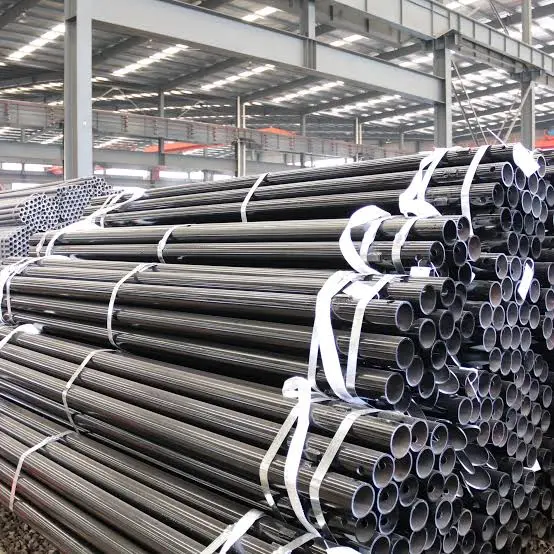
The seamless pipe manufacturing firm operates in a highly specialized industrial setting. Welded pipes are formed from flat steel sheets, whereas seamless pipes are made from a solid steel billet that is pierced, rolled, and heated. This fundamental variation in how the parts are manufactured means they function differently and is a factor in demanding applications.
What Defines a Reputable Seamless Pipe Company?
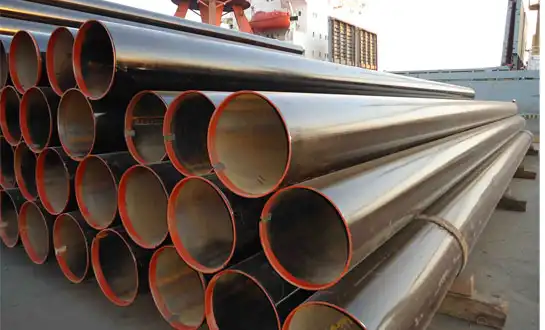
A good seamless pipe firm has contemporary manufacturing facilities, which can provide regular high-quality products that satisfy a wide variety of purposes. The manufacturing process begins with billet preparation. This means heating solid steel cylinders to temperatures beyond 1200°C. A rotary piercing mill creates the initial hollow section. Then, the pipe is mandrel-rolled to form to precise specifications. Some of the finishing stages include heat treatment, bending, and non-destructive testing to ensure each pipe fulfills the appropriate mechanical qualities. Companies with several production lines capable of ASTM A106, A53, and other alloy steel specifications have the technical depth and practical scale for significant projects.
Common Procurement Challenges in the Seamless Pipe Market
The segmentation of the market makes the work particularly difficult for purchasing teams in charge of huge industrial projects. Problems can occur if suppliers fail to adhere to strict testing procedures or utilize outdated equipment. Custom building standards that need customized mill runs may have unpredictable lead times that could affect project schedules. Raw material prices and tariff adjustments vary significantly across suppliers in the United States and other countries. This lack of transparency in pricing makes it difficult to plan. If permits can’t be traced to recognized testing laboratories, companies may face compliance risks due to regulatory compliance flaws. These issues underscore the need for thorough supplier evaluation in protecting project timetables, safety requirements, and the overall cost of ownership.
Core Criteria for Evaluating a Seamless Pipe Company
Beyond just looking at price, choosing the right supplier requires a thorough analysis of many factors. To make sure they meet the needs of the project, procurement professionals have to look at the manufacturing capabilities, quality systems, and operational infrastructure.
Manufacturing Process and Technical Capabilities
The manufacturing process is a strong indicator of a supplier's ability to deliver consistent quality.Pipes made by hot-rolling have high mechanical strength and can be used to transport high-pressure steam and hydrocarbons. Pipes made by cold finishing have tighter dimensional tolerances that are needed for precise hydraulic systems. Companies that use rotary piercing technology with controlled cooling processes are better at controlling the metal. Check whether the supplier has its own continuous casting facilities or relies on billets from outside sources. Vertical integration is usually linked to better cost stability and tracking. Production capacity is just as important—suppliers who work multiple shifts and have backup tools lower the risk of supply problems during times of high demand.
Quality Assurance and Certification Standards
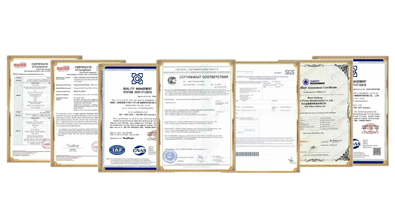
Stringent certifications distinguish a reliable seamless pipe company from unverified suppliers.Legitimate suppliers use ISO 9001:2015 quality management systems with documented procedures for tracking materials, monitoring production processes, and addressing quality issues. For example, ASTM A106 is used for high-temperature carbon steel service, ASTM A312 is used for seamless and welded austenitic stainless steel pipe applications, and API 5L is used for line pipe in oil and gas transportation. There should be mill test certificates (MTCs) for each pipe that list its chemical composition, tensile strength, hardness, and hydraulic test results. Ultrasound inspection, eddy current scanning, and radiographic examination are all types of non-destructive testing that add further layers of validation. Suppliers with GOST-R certifications demonstrate compliance with Russian market conformity requirements, and SGS third-party audits provide independent confirmation of manufacturing quality and production practices.
Supply Chain Reliability and Lead Time Management
The success of delivery has a direct effect on the project's cash flow and construction sequence. Evaluate the supplier's inventory management systems and inquire specifically about their stock levels for common requirements and when they can start producing custom orders. Companies that keep key warehouses close to major industry hubs can act more quickly on urgent needs. Review their freight forwarding and shipping partnerships, especially for projects that need to ship products in containers or with special treatment. Ask for past delivery performance data that shows the percentage of jobs that were finished on time. Dedicated account managers, online order tracking, and proactive progress reports are all examples of clear ways to communicate that show business maturity and a commitment to customer service.
Comparing Top Seamless Pipe Companies: What to Benchmark?
Structured comparison across operational, technical, and reputational aspects makes it clear how different providers are.
Manufacturing Capacity and Production Technology
The size of a production facility affects both how low prices are and how well it can handle big orders. Companies that run factories capable of producing more than 100,000 metric tons of goods a year may benefit from economies of scale, which can improve cost efficiency for large-volume projects. Automated dimensional checking systems and computerized heat treatment ovens are examples of new technologies used in manufacturing that enhance product consistency and minimize human error.Programs for continuous growth, like Six Sigma, lean production, or the digital integration of Industry 4.0, show that a company is committed to operational success. When you compare suppliers' product lines, make sure you pay attention to whether they offer specialty grades like duplex stainless steel or nickel alloys along with standard carbon steel options.
Industry Specialization and Application Expertise
Suppliers with knowledge in a certain industry can help with project planning by giving useful expert advice. Companies that work with the oil and gas industry know the details of API specifications and how to protect against rust in sour service settings. Power generation experts know that boiler tubes that work at high temperatures need to be made of a creep-resistant alloy. Suppliers working with construction firms must understand structural loading calculations and guidelines for architectural finishes. Look at case studies and customer reviews from similar applications to see if they show that the company can solve problems and offer expert help during installation. Being a member of an industry group like NACE International, ASME, or an area building council shows that you are interested in how standards and best practices are changing.
Corporate Reputation and Customer Feedback
Independent validation boosts trust in the seller evaluation process. Check references from past clients and ask them exactly how they dealt with quality problems and how flexible they were when the project changed. Online reviews on business-to-business (B2B) platforms give honest opinions on transactions. Check with the seller to see if they have won any awards or industry recognition for their quality, safety, or customer service. Stability in the financial world is also important. Businesses with good balance sheets can handle market downturns better and keep their inventory assets. Check how long a business has been around as a sign of its ability to stay in business and be accepted by the market through all economic cycles.
How to Match Supplier Solutions to Your Project Needs?
When you choose a supplier well, you make sure that the technical standards match up with the project's limits and practical needs.
Segmenting Project Requirements by Application
For each project, the material needs to have different properties and measurements. A reliable seamless pipe company can help evaluate these requirements and recommend suitable solutions based on application conditions. For high-pressure steam systems, ASTM A106 Grade B pipes are commonly used for elevated-temperature service, while creep-resistant alloy grades may be required for more demanding high-temperature applications and have pressure values that have been proven by hydraulic testing. For chemical handling, types of steel that do not rust, such as ASTM A312 stainless steel, need to have certain surface finishes to keep contaminants out. When it comes to structural uses, yield strength and weldability are more important than pressure values. Make a thorough design matrix that lists the required amount, working temperature, pressure class, corrosive exposure, and dimensional limits. This paper is used as a starting point for technical talks with suppliers and for comparing quotes.
Evaluating Customization Capabilities and Product Range
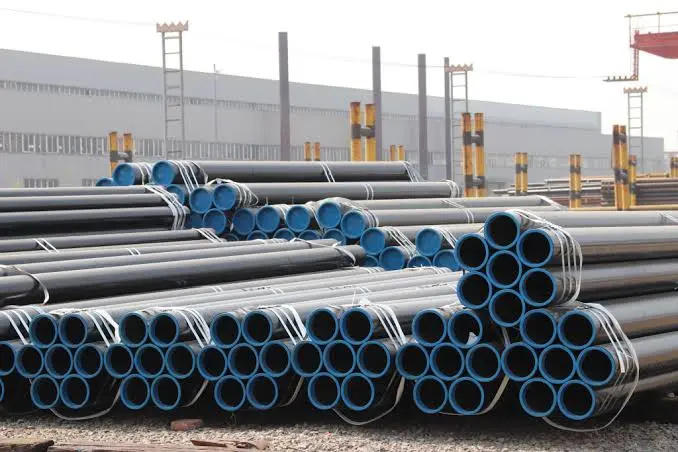
Catalog items rarely meet all the needs of a project. Verify whether the suppliers can accommodate specific requirements, such as non-standard wall thicknesses, custom length cuts, beveled ends for welding prep, or different heat treatment processes. Companies that have good relationships with more than one mill can get a wider range of manufacturing options for unique needs. Check their minimum order quantities—some providers need full truckload pledges, which might not work for smaller jobs. Choices of packaging are also important. Proper bundling and protective coatings can keep items safe during transit and prevent problems with handling on-site.
Long-Term Support and Strategic Partnership Potential
The success of a project goes beyond the initial delivery. Check out the suppliers' after-sales service, such as how easy it is to get replacement parts, how available technical support is for questions about installation, and how to file a warranty claim. Companies that offer vendor-managed inventory programs make it easier for ongoing operations to handle procurement. Think about chances for strategic partnerships with suppliers that let you take part in value engineering talks and suggest material swaps or specification improvements that lower the overall cost of the project without lowering its performance. Long-term relationships based on trust allow for better prices, earlier ordering when supplies are low, and working together to solve problems when they come up out of the blue.
Best Practices and Tips for a Smooth Procurement Process
Structured purchasing methods lower risks and boost trust in relationships with suppliers.
Requesting and Analyzing Technical Documentation
Quotes that cover everything should have thorough mill test certificates, dimensional inspection records, and compliance statements that refer to the right standards. For any coatings or treatments that protect, ask for material safety data sheets. Check the chemical makeup data to make sure that the steel types meet the requirements. The performance is affected by the amount of carbon, the alloying elements, and any remaining impurities. Look over the results of tests on mechanical properties like tensile strength, yield point, stretch, and impact toughness at certain temperatures. To assess material consistency, compare the hardness ratings of several samples. Check that the results of non-destructive tests meet the acceptance standards set out in the relevant codes.
Conducting Site Visits and Factory Audits
On-site checks show facts about operations that can't be found in handouts. Observe the factory floor layout and review their protocols for equipment maintenance and general housekeeping. Check the quality control labs and make sure that the equipment's calibration certificates are correct. Look over tracking systems by following sample pipes from where raw materials are received to where final goods are stored. Talk to the production supervisors about how to control the process and how to solve quality problems. Check the conditions of storing inventory to make sure it is properly protected from the environment. These first-hand observations back up what the seller said during sales displays and give buyers more faith in their abilities.
Building Effective Communication Channels
Misunderstandings slow down projects and cost more money when they happen. Set up people who can be contacted for technical questions, order handling, and problems with speeding things up. Set up your preferred ways to communicate, such as email for official records, instant messaging for quick questions, and scheduled video calls for more in-depth conversations. Set up shared project management tools so that everyone can keep track of goals, record changes, and keep information in one place. Status talks on a regular basis keep everyone on the same page and bring up possible problems early, when they can still be fixed. These actions make things clear and accountable, which makes provider relationships stronger.
Conclusion
To find the best seamless pipe supplier or seamless pipe company, you need to look at their manufacturing skills, quality systems, delivery reliability, and the chance of a long-term partnership. Procurement teams that are good at what they do look at more than just the price at first. They also look at technical competence, certification rigor, and operational maturity. Stakeholders in a project can reduce risk and find suppliers who can meet complex industrial needs by using structured evaluation criteria and doing full due diligence. Investing in a full supplier assessment pays off by making the project safer, more reliable on schedule, and cheaper over its entire lifecycle.
FAQ
1. What distinguishes seamless pipes from welded alternatives?
When solid steel billets are pierced and rolled to make seamless pipes, the lengthwise weld seam that is present in welded pipes is removed. This smooth design makes it stronger under pressure, more resistant to mechanical stress, and more reliable in high-temperature situations. Since there are no weld seams, seamless pipes can reduce potential weak points associated with welded joints.
2. How can I be sure that a supplier's approval is real?
Request copies of ISO 9001:2015 certificates, ASTM compliance statements, and audit reports from reputable organizations like SGS or Lloyd's Register.Check the certificate's expiration dates and the areas it covers. To make sure the document is real, contact the group that issued it directly. Suppliers who are honest give mill test certificates with heat numbers that can be used to track each pipe back to its unique output batch and test results.
3. What lead times should I expect for custom specifications?
Standard store items usually ship between two and four weeks, but this depends on how much stock is on hand. Custom specs that need special mill production can take up to twelve weeks, including getting the raw materials, planning the production schedule, and checking the quality. It may take longer if the alloy is a complex grade or the size isn't normal. Talk about deadlines early on in the quotation process to make sure everyone is on the same page.
Partner with RAYOUNG as Your Trusted Seamless Pipe Company Supplier
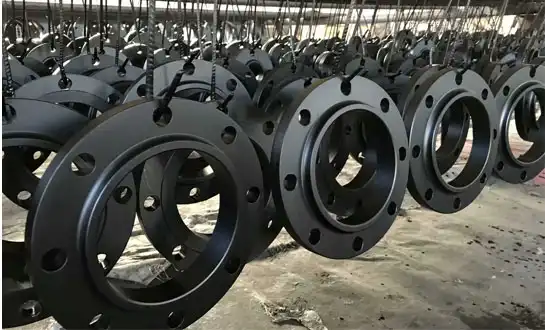
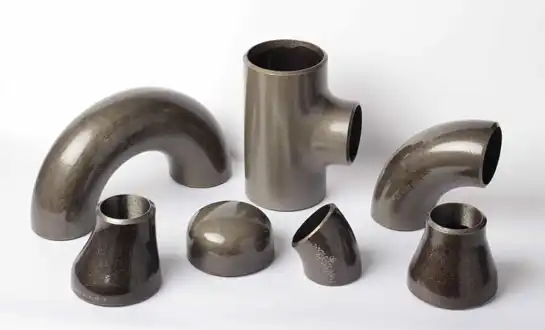
RAYOUNG, as a reliable seamless pipe company, offers complete options for seamless pipes, backed by strict quality standards and helpful customer service. We sell ASTM A106, A312, and A53 seamless pipes that are made to meet international standards and are backed by ISO 9001:2015 certification, GOST-R compliance, and SGS validation. In addition to pipes, we also sell butt-weld steel elbows, reducers, and flanges that make sure the whole piping system works together. Email our expert team at info@hb-steel.com to talk about the needs of your project. We give you thorough quotes, material certifications, and expert advice on how to find the best solutions for your needs. This way, we can make sure that your projects stay on plan, on budget, and safe.
References
1. American Society for Testing and Materials. (2021). ASTM A106/A106M Standard Specification for Seamless Carbon Steel Pipe for High-Temperature Service. West Conshohocken: ASTM International.
2. Davis, J.R. (2006). Metals Handbook: Properties and Selection of Irons, Steels, and High-Performance Alloys. Materials Park: ASM International.
3. Kumar, S. & Singh, R. (2019). Manufacturing Processes for Seamless Steel Pipes: Technology and Quality Control. Journal of Materials Processing Technology, 267, 112-128.
4. Bhadeshia, H.K.D.H. & Honeycombe, R.W.K. (2017). Steels: Microstructure and Properties. Fourth Edition. Oxford: Butterworth-Heinemann.
5. American Petroleum Institute. (2018). API Specification 5L: Specification for Line Pipe. Forty-Sixth Edition. Washington: API Publishing Services.
6. Thompson, M.L. (2020). Industrial Piping and Equipment Specification: A Practical Guide for Procurement Professionals. Houston: Gulf Professional Publishing.

Need a quote? Want to see samples? Just say hello. We’re friendly. We’re fast. And we’re ready when you are.
Welcome to RAYOUNG – Strong Pipes, Stronger Promise