How to Ensure Proper Connection of Steel Pipe Flanges Alignment
Connecting steel pipe flanges demands precision alignment to maintain system integrity and prevent costly failures. Proper flange alignment involves careful measurement, correct bolt torque application, and adherence to industry standards like ASME B16.5. When flanges align correctly, gaskets seal effectively, preventing leaks and premature equipment deterioration. Misalignment causes uneven stress distribution across the flange face, leading to gasket failure and potential safety hazards. Procurement professionals and installation teams must prioritize alignment practices that meet regulatory requirements while minimizing project risks and lifecycle costs.
Introduction
Industrial piping systems for infrastructure, oil and gas, chemical processing, and manufacturing depend on steel pipe flanges, which are a critical component. These pieces make the system strong and allow it to be maintained, inspected, and altered without disassembling everything. We understand the importance of proper flange alignment—it means long-term performance, safety compliance, and operational reliability. Buying managers are under constant pressure to achieve tight timelines, remain under budget, and minimize project risks. When installing flanges, engineers and laborers require practical guidance that takes into consideration the challenges that occur in the real world. Suppliers need to be able to supply consistent, high-quality products and the technical know-how to distributors. This comprehensive handbook solves these problems by integrating technical standards and procurement tactics. It assists decision makers to choose the proper flange solutions and establish alignment methods that save downtime, minimize costly repairs, and ensure regulatory compliance in a variety of challenging industrial environments.
Understanding the Problem of Steel Pipe Flange Misalignment
Common Causes of Flange Misalignment
Most flange misalignment issues in pipe systems are caused by installation errors. When pipes are being constructed, inaccurate measurements might cause them to be out of angle or out of parallel. This can grow progressively worse when pipes are joined together. Welding distortion affects the geometry of the pipe. The flanges are pulled out of line when the materials cool. If the support structures are not robust enough, the pipes will droop under their own weight, which causes a great deal of stress on the flange connections. Thermal expansion during operation might shift parts from where they were installed, particularly under high-temperature conditions. Any time the material has imperfections like unequal flange faces or bolt hole spacing, the two pieces won’t fit together correctly.
Operational Risks and Safety Implications
Misaligned flanges may result in failure of the system in a variety of ways. Unevenly compressed gaskets can crush, creating leak paths for process fluids or gases to escape. Unequal stresses on bolts accelerate mechanical fatigue, resulting in bolt breakage and catastrophic separation. Leaks are also harmful to the environment and pose safety hazards to personnel, particularly when working with hazardous or combustible products. Emergency repairs that halt production disturb schedules and elevate operating expenses significantly. Failure of pressure testing means non-compliance with rules that slows down the finish of the project and affects connections with suppliers. These consequences directly impact the total cost of ownership of the project and the potential to generate money.
Industry Standards for Alignment Requirements
The dimensions of flanges, pressure classes, face types, and bolt hole patterns are defined by ASME B16.5 for pressure pipe system flanges. ISO 7005 defines worldwide standards for metallic flange diameters, pressure classes, and classification methods. DIN standards include European standards on flange geometry and test techniques. These frameworks include dimensional requirements. Typical acceptance criteria for flange alignment are specified by project specifications, ASME PCC-1 rules, or engineering practices. These standards ensure interoperability, safety, and optimal performance across components from different manufacturers.
Step-by-Step Guide to Ensuring Proper Alignment of Steel Pipe Flanges
Pre-Installation Verification and Planning
Alignment problems can be avoided during assembly by inspecting everything carefully before installing it. Check that the types of flanges fit the project requirements by making sure they meet the pressure class ratings, facing types (RF, FF, or RTJ), and measurement standards (ANSI, DIN, or JIS). Check the flange faces for damage and make sure that the CNC-machined sealing surfaces are still flat and not scratched or deformed. Check the test certificates of the materials to make sure they can be tracked and meet the required grades. Check the bolt hole spacing to make sure that two plates that fit together can be used together. Set up a work area with enough support structures to keep the pipes from moving while they are being put together.
Measurement Techniques and Alignment Tools
Flange alignment works best when measurements are taken correctly, especially when connecting steel pipe flanges in complex piping systems. Use precise straight edges and feeler gauges to make sure that the faces of the flanges are aligned and that the gaps between them stay within the manufacturer's guidelines. Use dial indicators to check for radial error and make sure that the centerlines are within acceptable alignment tolerances. For long pipe runs where visual inspection isn't enough, use laser alignment tools. Place temporary alignment pins through bolt holes on opposite sides to keep the pieces in place while they are being put together. Use several measuring points around the circumference to make sure that the flange faces stay parallel.
Alignment procedures vary based on flange configuration. To keep them from moving during the final welding process, slip-on flanges need to be carefully placed before the tack welding. For weld neck flanges to stay in place during the welding process, the bevels must be carefully prepared and fit up. Internal alignment jigs help make sure that socket weld flanges are concentrically centered. When finishing off pipe ends, installers must ensure correct bolt hole orientation for blind flanges.
Bolt Tightening Procedures and Torque Control
The right order of tightening the bolts keeps the flange from warping and makes sure that the gasket is compressed evenly. Start by hand-tightening all of the bolts together to make sure the threads connect and the components fit properly. As you work from one bolt to its opposite across the width of the flange, apply pressure in a star pattern. Use calibrated torque wrenches and follow the tightening procedures and target bolt loads recommended by ASME PCC-1 or the applicable project specifications. These values take into account the size, material, and lubrication of the bolts. Make several passes with rising torque levels, usually between 30% and 100% of the goal value. After the first pressurization, tighten the bolts again to account for the gasket setting and temperature effects.
Post-Installation Testing and Monitoring
Leak testing checks the quality of the installation before the system is turned on. Perform hydrostatic testing according to the applicable piping code, often at approximately 1.5 times the design pressure for many pressure piping systems, and look for leaks or tears in the flange joints. When water testing isn't possible, use pneumatic testing with leak monitoring methods instead. During the first few minutes of operation, conduct visual inspections to see if the gasket extrusion is occurring or the bolts are becoming loose. Set up regular maintenance schedules that check the tension of the bolts and check the condition of the flange faces. Keep track of performance decline over time by recording baseline measurements.
Comparing Steel Pipe Flange Types for Optimal Connection
Weld Neck Flanges for High-Stress Applications
Weld neck flanges have tapered hubs that transfer stress smoothly from the pipe to the flange.This means that they can be used in high-pressure and high-temperature situations. The long, tapered hub spreads out stress, which improves fatigue life in situations of repeated loading. The tapered hub provides smoother stress distribution, which improves performance under high-pressure and cyclic loading conditions. Full-penetration butt welds that keep the structure together must be done by skilled welders during installation. Weld neck flanges are more expensive than other designs, but they are reliable in important places like offshore platforms, steam systems, and petroleum processes.
Slip-On Flanges for Economic Flexibility
Slip-on flanges mount on the ends of pipes and need fillet welds on both sides. They allow for more fitting options and are less expensive. These flanges can handle small differences in the outer diameter of the pipe, which makes the fitting process easier. Installers can change where things are placed before tack welding, so alignment is still easy. The dual fillet weld design is suitable for many moderate-pressure applications when properly installed and inspected. From a procurement perspective, slip-on flanges are ideal for low-pressure water systems, HVAC installs, and non-critical process lines where saving money is important.
Material Selection: Carbon Steel Versus Stainless Steel
In general manufacturing settings, carbon steel flanges are highly durable and cost-effective. Grades like ASTM A105 have mechanical properties suitable for many pressure applications within the temperature limits defined by the applicable design code. Carbon steel piping systems commonly use these materials. When installed outside, hot-dip galvanizing choices protect against rust caused by the weather. Carbon steel is still the best choice for oil and gas infrastructure, structural pipes, and projects that need to stay within a budget.
Stainless steel flanges are better at resisting corrosion in places where chemicals are present. Grades like 304 and 316 provide good corrosion resistance in many environments containing moisture, chlorides, and certain chemicals. For clean uses in food handling and drug production, stainless steel is a good choice. The polished finish stops bacteria from growing and makes cleaning easier. When you put together stainless steel flanges and connecting steel pipe flanges for pipe joints, you get a system that won't rust. Higher starting costs are balanced out by longer service life and less need for upkeep.
Procurement Considerations When Ordering Steel Pipe Flanges
Supplier Selection and Quality Certification
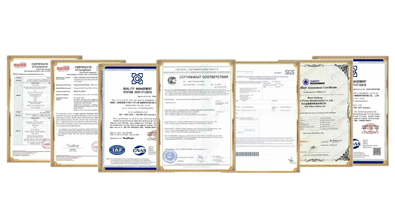
Partnering with reputable manufacturers ensures product reliability and regulatory compliance. Getting certified in ISO 9001:2015 shows that you are dedicated to quality management systems and process control. Make sure that providers give you a full MTC (Material Test Certificate) that shows the chemical composition and mechanical qualities of each production batch. GOST-R and SGS approvals prove that export rules are followed and that materials have been checked by independent testing. Check the technical skills of the provider, such as their ability to use CNC machines to make areas that are perfectly sealed and their heat treatment facilities. Check to see if the factory has the resources to handle both standard and unique fitting requirements.
Pricing Strategies and Order Optimization
When you buy in bulk, you save money on each item and make sure you have enough for ongoing projects. Kits that come with flanges, seals, and bolt sets make it easier to get the parts you need and set them up. To find the best mix between performance needs and budget limits, look at prices for different grades of material and types of face. Think about signing a long-term supply deal that locks in prices and guarantees arrival times. Don't just look at the initial purchase price; also think about the total cost of ownership, which includes labor for installation, upkeep, and the expected service life.
Lead Time Management and Logistics Planning
Project delays and cost overruns can be avoided by coordinating timelines well. Standard ANSI flanges usually ship in two to four weeks, but custom designs need more time for planning and production. For urgent needs, expedited manufacturing options are available, but they cost more. Plan shipping times around installation goals to cut down on storage needs and the cost of keeping supplies. When buying from global sellers, you need to plan for clearing customs and sending goods across borders. Keep extras of commonly used sizes on hand in case you need to replace them quickly without stopping work.
Conclusion
When connecting steel pipe flanges, making sure they are lined up correctly protects the integrity of the system, stops expensive failures, and makes sure that all industrial applications follow the rules. It's helpful for procurement workers to understand the basics of alignment, compare flange types, and choose qualified providers with well-established quality systems. Connections that are reliable are made using systematic installation methods, accurate measuring tools, and controlled bolt tightening processes. Choosing between carbon steel and stainless steel as a material depends on the environment, the amount of pressure that needs to be applied, and the budget. Strategic relationships with suppliers that provide certified goods, detailed paperwork, and quick help during the procurement and installation process are key to making projects successful.
FAQ
1. What Tools Are Essential for Proper Flange Alignment?
Straight edges, feeler gauges, and dial indicators are all examples of precision measurement tools that can be used to check for alignment and gap sizes. Laser positioning devices can precisely measure alignment over long distances. Torque wrenches that are set to ASME PCC-1 standards make sure that the bolt preload is correct. During assembly, alignment pins hold flanges in place temporarily. Thread lubricants cut down on friction and make it easier to set the right torque.
2. How Do I Choose Between Slip-On and Weld Neck Flanges?
Weld neck flanges are good for high-temperature and high-pressure situations that need the most power and resistance to wear. Slip-on flanges work well in low-pressure systems where choices are based on keeping costs low. When choosing flange types, you should think about how hard they are to install, whether they need to be welded, and how long you expect them to last.
3. What Indicates Flange Misalignment After Installation?
Visible gasket extrusion is a sign of uneven compression caused by being out of place. Leaking connections found during pressure tests show problems with the seals. An uneven gap between the flange faces when measured around the outside shows an angled or parallel shift. Changes in bolt tension indicate that the load is not being distributed correctly and need to be realigned.
Procurement Solutions from RAYOUNG: Your Trusted Connecting Steel Pipe Flanges Supplier
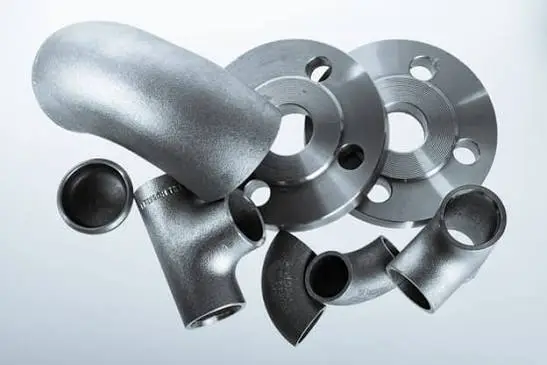
RAYOUNG offers complete fitting options and is ISO 9001:2015 certified, and possess extensive manufacturing expertise.We can make normal flanges according to ANSI, DIN, and JIS, as well as RF, FF, and RTJ facings that are made for high-pressure uses. Each flange has sealing surfaces machined using CNC technology to ensure a proper fit and reliable sealing. We provide full MTC traceability for all materials, keeping records of their chemical make-up and mechanical test results that meet international standards. Carbon steel plates can be protected against corrosion in harsh settings by hot-dip galvanizing.
As a reputable manufacturer of steel pipe flanges, we know that procurement professionals need more than just products. They also need partnerships that help projects succeed. If you need help choosing the right flange type, material, and rating for your application, our technical team is here to help. Custom manufacturing can meet specific size needs and use specific grades of materials. Our quality standards for international markets are backed up by GOST-R and SGS approvals. When shipping plans are reliable, they match up with project timelines, which cuts down on delays and storage costs.
Get in touch with us at info@hb-steel.com to talk about your flange needs. We'd love the chance to show you how our buttweld steel elbows, steel reducers, and full range of pipe fitting options can help your business projects.
References
1. American Society of Mechanical Engineers. (2020). ASME B16.5: Pipe Flanges and Flanged Fittings: NPS 1/2 through NPS 24 Metric/Inch Standard. New York: ASME Press.
2. Bickford, J.H. (2018). Gaskets and Gasketed Joints. Boca Raton: CRC Press.
3. International Organization for Standardization. (2019). ISO 7005-1: Metallic Flanges - Part 1: Steel Flanges. Geneva: ISO.
4. Nayyar, M.L. (2019). Piping Handbook, 8th Edition. New York: McGraw-Hill Education.
5. Standards of the Tubular Exchanger Manufacturers Association. (2019). TEMA Standards, 10th Edition. New York: TEMA.
6. Woodson, R.D. (2017). Pipefitter's and Welder's Handbook: A Guide to Layout, Installation, and Field Fabrication. New York: McGraw-Hill Education.

Need a quote? Want to see samples? Just say hello. We’re friendly. We’re fast. And we’re ready when you are.
Welcome to RAYOUNG – Strong Pipes, Stronger Promise