What are the types of elbows in piping Systems Explained?
Designing industrial systems that are effective, secure, and affordable requires an understanding of the various types of elbow in piping. Pipe elbows change the direction of fluid flow in pipe networks. This lets engineers make the best plans for a wide range of projects, including HVAC, oil and gas, chemical processing, and civil infrastructure. The pressure loss, installation space, upkeep needs, and overall cost of ownership are all affected by the type of elbow you choose. This guide helps engineers, builders, and procurement managers understand the technical details and practical aspects of various elbow fittings so they can make better purchasing choices.
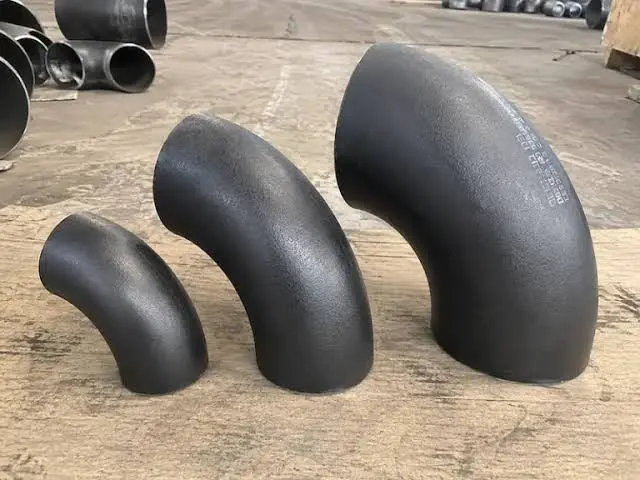
Introduction
Pipe elbows are important parts of piping systems because they let you change the direction of flow in a way that makes the system plan and work better while keeping the flow intact. Choosing the right type of elbow is very important for keeping the system safe, efficient, and in line with regulations in a wide range of industry settings, from distributing water to processing petrochemicals.
This guide is designed to meet the needs of business-to-business buyers, engineers, and procurement managers who want to learn everything they can about pipe elbows. We help decision-makers understand key product features that improve business performance by combining technical knowledge with buying strategies. This knowledge can help you make decisions that are both cost-effective and reduce project risk, whether you're in charge of an EPC project, looking for parts to distribute, or selecting fittings for government infrastructure.
You can choose fittings that meet pressure ratings, temperature requirements, and corrosion resistance requirements while staying within budget and delivery plans if you know about elbow classifications, material properties, and performance characteristics.
Understanding Pipe Elbows – Definition and Basics
What Pipe Elbows Do in Piping Networks/
Pipe elbows change the direction of liquids, gases, or slurries moving through pipe systems while keeping the structure of the system. These fittings connect straight pipe pieces at different angles. This lets pipe networks go around obstacles, through walls, work with limited space, and find the best route in complicated installs.
Standard Angles and Configurations
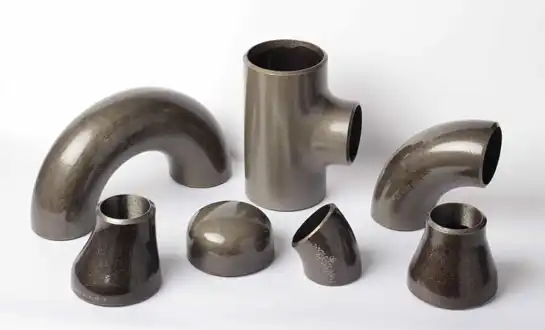
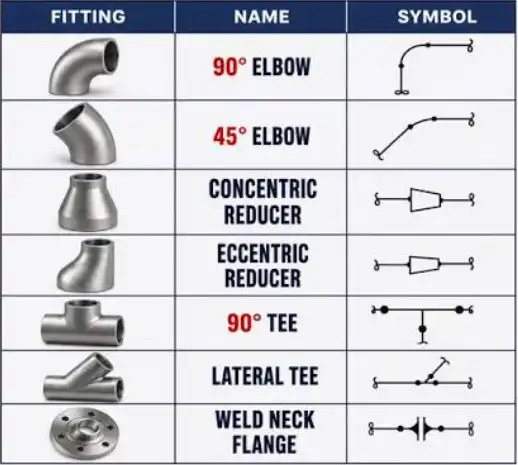
Elbows are usually used in piping systems at three standard positions. The 90-degree elbow lets you change directions perpendicularly, which is great for going from vertical to horizontal. When compared to faster turns, the 45-degree elbow makes directional changes more slowly, which lowers noise levels and pressure drop. The 180-degree return elbow completely changes the flow in small areas. This is especially helpful in heat exchanges and winding layouts.
Critical Specifications and Measurements
The nominal pipe size (NPS), wall thickness (schedule), and center-to-face dimensions define compatibility and system integration; the inner diameter (ID) tells you how much flow they can handle, and the wall thickness tells you how much pressure they can handle. The radius of curvature has a big effect on the flow properties and the fitting needs. Knowing these specs makes sure that the new system will work with the old one and meet the needs of the project in areas like water, HVAC, oil and gas, and chemical handling.
Types of Pipe Elbows Based on Geometry and Radius
The way pipe elbows are designed has a big impact on how well they work, how much pressure they lose, and how much space they need. When choosing between radius types and angles, you have to balance performance needs with fitting limitations and cost concerns.
Long Radius Elbows for Flow Efficiency
The centerline radius of a long-radius elbow is 1.5 times the standard pipe diameter (R = 1.5D). Compared to tighter bends, this softer curve lowers noise and keeps pressure drop to a minimum. The smoother flow path lowers friction losses, which means that pumps and fans will use less energy over the life of the system.
These bends work well in places where keeping the pressure steady is important, like oil and gas pipes, chemical transfer lines, and systems that distribute high-flow water. Less movement also means less damage to the inside of the fitting, which means it lasts longer and needs less upkeep. But long-radius elbows need more space to be installed than small ones, which could make them less useful in equipment rooms with a lot of people or for repair projects.
Short Radius Elbows for Space-Constrained Installations
When you use a short-radius elbow, the central radius is the same as the pipe diameter (R = 1D). This tighter curve makes the fitting smaller, which is great for installs where room limits the routing choices. The smaller footprint lets you put more equipment in the same space, which is useful on offshore platforms, in business buildings in cities, and in industry sites with a lot of people.
The compact form has more noise and a higher pressure drop when compared to long-radius options. Even with this trade-off, short-radius elbows are necessary in high-pressure systems, compressed air lines, and situations where the design needs to look good or have a low profile. Procurement experts can improve system design and keep project costs under control by knowing when the extra room is worth the performance drop.
45-Degree Elbows for Gradual Direction Changes
The 45-degree elbow makes it easier to change directions more gradually than the 90-degree fits. Compared to vertical bends, this softer turn causes less flow disruption, turbulence, and pressure loss. Less contact means that less energy is needed to move fluids through the system, which saves money in the long run.
These elbows are very flexible, which makes it easier to get around things in small areas. The middle angle makes it possible for pipe routes to go around equipment, building parts, and other services without having to use a lot of 90-degree fittings or a lot of special fabrication. This flexibility cuts down on construction time and labor costs while making the system more reliable by reducing the number of connection spots.
Material-Based Classification of Pipe Elbows
Picking the right material for an elbow has a direct effect on its efficiency, longevity, resistance to corrosion, and total cost over its entire life. Knowing the qualities of a material helps procurement managers make sure that requirements meet practical needs and price limits.
Carbon Steel Elbows for Strength and Economy
For oil and gas, petrochemical, power production, and general industry uses, carbon steel elbows are the optimal choice because they are strong and last a long time at a reasonable price. These fittings typically work in high-pressure and high-temperature situations and keep their structural integrity when they are put under mechanical stress.
When working on big projects that need a lot of parts, the cost savings of carbon steel become very important. Price stability and stable supply lines are helped by the ability to buy in bulk and a wide range of products. But carbon steel needs to be protected from rust in some places. Depending on the use, this could mean coats, linings, or cathodic protection systems.
Stainless Steel Elbows for Corrosion Resistance
Stainless steel elbows work great in situations where you need surfaces that are easy to clean, don't rust, and can handle harsh chemicals. Stainless steel offers good resistance to oxidation, pitting, and stress corrosion cracking under suitable operating conditions, which makes it useful in pharmaceutical manufacturing, food preparation, chemical plants, and marine settings.
The higher cost at first compared to carbon steel is worth it because it lasts longer, needs less upkeep, and breaks down less often because of rust. Stainless steel doesn't need to be coated to keep its surface integrity. This makes inspections and compliance paperwork easier for businesses that are controlled. The material's good looks also make it a good choice for open installations in business and government buildings.
Manufacturing Methods: Seamless, Welded, and Forged
Seamless elbows are made of one piece of material that doesn't have any welds in it. They are strong and reliable in high-pressure and high-temperature situations. Since there are no weld seams in the base material, there are no weld-related weak points, and inspection requirements related to weld integrity are reduced. Welded elbows join pieces of pipe together by welding, offering an economical solution for low-to-moderate pressure systems. Forged elbows are mechanically deformed to get the shape that is needed. They are very strong and can be used in tough situations. Knowing how something is made helps users choose the right fittings for the pressure class and safety standards.
How to Choose the Right Elbow Fitting for Your Piping System?
To choose the best elbow fittings, you need to carefully look at the technical needs, working situations, and buying factors. This system helps people who have to make decisions with writing specifications and choosing suppliers.
Evaluating Pressure Ratings and Temperature Tolerance
Pressure rating compatibility makes sure that the system can be used safely within its limits. Check the pressure class ratings, such as ASME/ANSI Class 150, 300, 600, or higher classes where applicable, to make sure that the parts you have meet the design pressures. Material choice is affected by temperature stability. For example, carbon steel works well in mild temperatures, while alloy steels are needed in harsh circumstances. Making sure that the grades for elbows are higher than the highest working conditions by the right amount of safety margins stops breakdowns and increases service life.
Assessing Corrosion Resistance Requirements
The environment decides what kind of rust protection is needed. Corrosion rates are affected by the qualities of the fluid inside, the atmosphere outside, and touch with other materials. Different types of chemicals can cause different amounts of rust in stainless steel grades like 304 and 316. When coated properly, carbon steel can be used in many cost-effective solutions. By matching the corrosion resistance of a material to its real working conditions, it is possible to avoid over-specification while still ensuring stable long-term performance.
Dimensional Compatibility and Connection Methods
The measurements of types of elbows in piping must match the pipes that are already in place. Making sure that the standard pipe size, schedule (wall thickness), and connection type are all the same guarantees a good fit and a strong seal. Butt-weld elbows create permanent joints and are strong enough for important jobs. In some cases, socket weld and threaded joints are better for installation. Making sure the dimensions are compatible before placing an order helps avoid costly delays and problems during the repair process.
Procurement Best Practices for Bulk Orders
Making clear standards speeds up the buying process and ensures that the quality is always the same. Purchase requests should be very specific about the type of material, its size, its pressure number, any relevant standards (ASME, ASTM, MSS), and any testing that needs to be done. Building ties with dependable suppliers who keep enough stock on hand helps keep projects on plan and cuts down on wait times. Asking for mill test papers and compliance paperwork helps make sure the quality is good and follows the rules. When looking at prices and quality, comparing products from well-known names and smaller, specialized companies can help.
Advantages and Applications of Different Elbow Types in Piping Systems
Different types of elbows offer different performance benefits that are best for certain business uses. Learning about these benefits helps procurement professionals optimize the design of systems and make sure they work well.
Performance Benefits Across Material Types
Carbon steel elbows work well in power plants, oil and gas pipes, and other industry systems where strength and cost-effectiveness are important. Because they can handle high temperatures and pressures, they are trusted workhorses for tough jobs. Protective coats make things last longer in corrosive settings, giving you a return on your investment that is worth the initial cost.
When product cleanliness and system health are very important, like in pharmaceutical, food processing, and chemical processes, stainless steel elbows provide critical corrosion resistance. The material is resistant to chemical attacks and is easy to clean, which helps it follow strict industry rules. Even though the starting prices are higher, the total cost of ownership is cheaper because of less upkeep and longer service intervals.
Application-Specific Selection Strategies
Careful elbow selection is important for HVAC systems to get the most airflow and the least amount of pressure drop. Long radius bends in air handling systems lower the amount of energy that fans use over time. Safety and dependability are very important to oil and gas pipes, so they need elbows that can handle the right amount of pressure and have been tested to work in difficult conditions. To keep things from getting contaminated and the system from breaking down, materials used in chemical processing must be compatible with the substances being moved. For pharmaceutical uses, clean forms with smooth insides that stop germs from growing and make cleaning easier are needed.
Industry Trends Improving Reliability
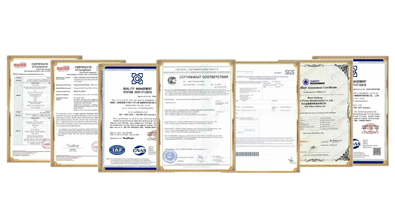
Advanced material coatings significantly enhance the corrosion resistance of carbon steel elbows, which extends their useful life. Modern coverings like epoxy, polyurethane, and fusion-bonded ones are better at blocking things out than older ones. For important uses that need maximum dependability and minimal failure risk, the industry is using seamless and forged elbows more and more. These ways of making things get rid of worries about welds and make sure that the material qualities are the same all the way through the fitting. Quality certificates from ISO 9001:2015, GOST-R, and SGS prove that manufacturing processes and materials are up to par. This gives procurement pros faith in the supplier's abilities.
Conclusion
It's important to find the right elbow fittings by weighing technical ability, material qualities, and cost. Long-radius elbows reduce pressure drop but take up more room, while short-radius elbows work better in small spaces but cause more noise. Whether to use carbon steel or stainless steel rests on how resistant you need it to rust, how much you can spend, and how long you expect the material to last. When procurement managers know about these things, they can choose parts that meet safety standards, keep projects on schedule, and keep total ownership costs low while making sure effective long-term use in a wide range of industrial settings.
FAQ
1. How Do I Accurately Measure Pipe Elbow Sizes?
Use callipers or a pipe gauge to measure the outside diameter (OD) of the pipe where the elbow joins. Compare this size to the stated sizes of pipes that are usually used. Check the wall thickness or schedule marking because it affects the pressure values. Check the central radius (is it long or short?) and angle (is it 45, 90, or 180 degrees) to make sure of the right fit and flow for your application.
2. What Distinguishes Seamless from Welded Elbows?
Seamless elbows are made by bending solid pipe pieces or hot forming them, so the material is continuous and there are no gaps. This design ensures uniform mechanical strength and eliminates weak spots caused by welding. Welded elbows join pieces of pipe together by welding, which saves money for bigger sizes and moderate-pressure uses. Seamless construction is best for high-pressure systems that need to be very reliable, while welded construction is better for general industrial uses because it is cheaper.
3. Which Elbow Types Handle High-Pressure Systems Best?
Because the material qualities are all the same and there are no weld gaps, seamless and forged elbows work better in high-pressure situations. When compared to short-radius options, long-radius designs have less pressure drop and flow turbulence. Picking the right material is just as important—pick the right pressure class ratings and make sure they meet ASME and ASTM standards. Make sure that the fittings you specify can handle more pressure than the maximum working pressure by the safety margins required in your specific application.
Partner with RAYOUNG for Reliable Pipe Elbow Solutions.
RAYOUNG makes reliable pipe elbows out of carbon steel and stainless steel that meet the needs of EPC contractors, wholesalers, engineering firms, and industry end users. Butt-weld elbows with different radius shapes are part of our wide range of products. They are made to international standards and have ISO 9001:2015, GOST-R, and SGS certifications to back them up.
As a long-standing supplier of industrial pipe elbows, we know that the success of a project rests on consistent quality, fair prices, and on-time deliveries. If you need standard setups or unique solutions, our team can help you choose the best fittings for your piping systems through expert consultation. We keep a large inventory to meet both urgent needs and planned projects, which keeps your buying schedule on track.
Get in touch with our technical experts at info@hb-steel.com to talk about the types of elbows in piping systems that best suit your needs. We can help you with your engineering and compliance needs by giving you full product specs, pressure rating paperwork, and material certifications. Get a quote today to find out how RAYOUNG's knowledge of pipe fittings can help your next project run more smoothly and optimize overall profitability.
References
1. American Society of Mechanical Engineers. (2020). ASME B16.9: Factory-Made Wrought Buttwelding Fittings. New York: ASME Press.
2. Menon, E. S. (2005). Piping Calculations Manual. New York: McGraw-Hill Professional.
3. Mohitpour, M., Golshan, H., & Murray, A. (2007). Pipeline Design and Construction: A Practical Approach (3rd ed.). New York: ASME Press.
4. Nayyar, M. L. (2000). Piping Handbook (7th ed.). New York: McGraw-Hill Professional.
5. Smith, P. R., & Van Laan, T. J. (2002). Piping and Pipeline Engineering: Design, Construction, Maintenance, Integrity, and Repair. New York: Marcel Dekker.
6. Pearson, G. H. (1978). Valve and Piping Handbook: Piping Material Selection, Design, and Installation. Houston: Gulf Publishing Company.

Need a quote? Want to see samples? Just say hello. We’re friendly. We’re fast. And we’re ready when you are.
Welcome to RAYOUNG – Strong Pipes, Stronger Promise