Elbow Pipe vs Bend: What's the Engineering Difference?
When engineers are making plans for pipe systems, they have to make a basic choice: should they use an elbow pipe or a bend pipe? The main difference is in how they are made and their shapes. An elbow pipe is a pre-made part that has a set angle, usually 45° or 90°, and is made by hot forming, casting, or forging. On the other hand, bends are made by changing the direction of an existing pipe using either cold or hot bending methods. This creates a smooth circle without any gaps. In oil and gas, chemical processes, and building projects, this difference affects the pressure ratings, flow efficiency, installation difficulty, and total project cost.
Understanding the Basics: What Are Elbow Pipes and Bends?
Defining Elbow Pipes in Industrial Applications
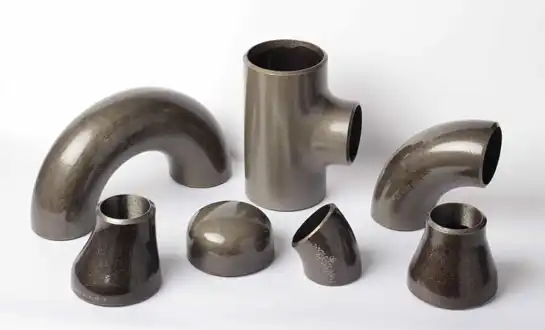
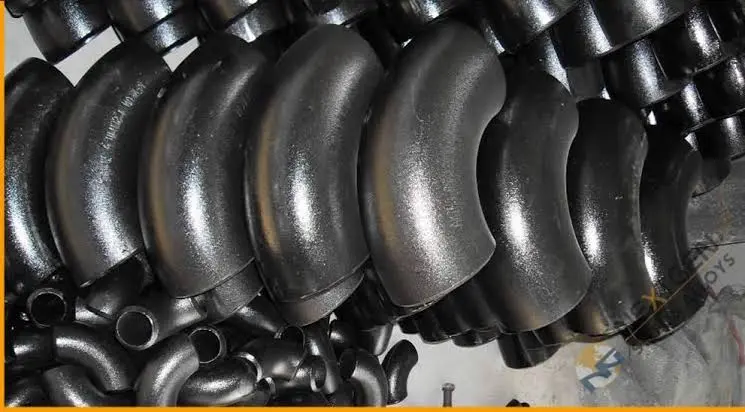
Elbow pipes are standard fittings that are made as separate parts and are used to connect straight pipe pieces at set angles. Carbon steel pipe elbows are the most common type used in industrial settings because they are strong, cost-effective, and easy to weld For bigger sizes,seamless hot pushing (heated seamless pipes are pushed over mandrels to achieve the desired radius and wall thickness and welded fabrication from plate material are the two primary manufacturing methods.The bevelled ends, which were made according to ASME B16.25 standards, allow full-penetration butt welding, which makes joints that don't leak and can handle high-pressure steam and volatile fluids.
How do pipe bends differ in construction?
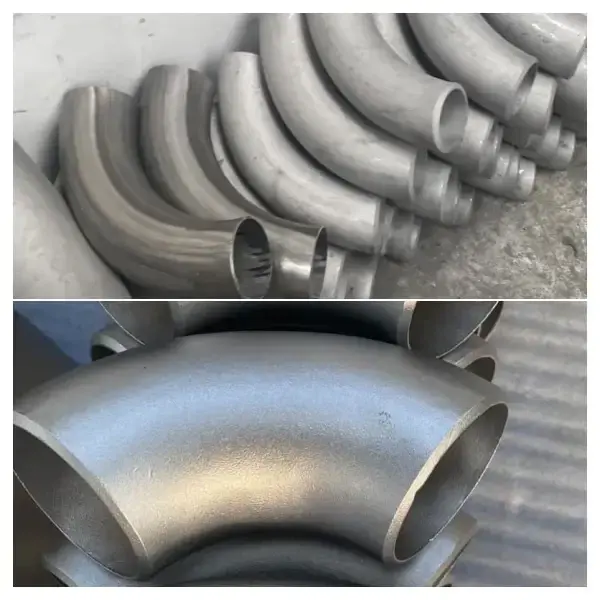
Pipe bends happen when straight pipe is physically deformed by induction heating or mechanical bending tools. This method significantly reduces the number of circumferential weld joints required in the piping system, minimizing potential leak paths and inspection requirements, though residual stresses may still exist depending on the bending method. Bending curves are different depending on the needs of the project. Long bends (usually 1.5 times the pipe diameter) reduce pressure drop and wear the most effectively, while tight bends are better for space-constrained situations. Oil refineries and chemical plants favor bends for large-diameter uses where reducing turbulence proves critical to working efficiency and equipment life.
Material Selection and Industry Standards
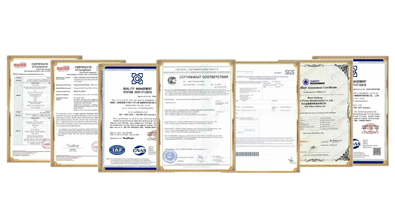
For regular work, both parts are made of carbon steel types like ASTM A234 WPB. For aggressive media, they are made of corrosion-resistant alloys like 316L stainless steel. Carbon steel pipe elbows meet standards like ASME B16.9 for sizes, ASTM A105 for cast carbon steel, and API 5L for working with line pipes. Traceability of materials through Mill Test Reports (MTRs) and Positive Material Identification (PMI) testing stops grade mix-ups that cost a lot of money during purchase. GOST-R and SGS certifications show that a product meets international quality standards. They give buying teams the proof they need to put in bids and get governmental approval in markets around the world.
Engineering and Design Differences Between Elbows and Bends
Angle Specifications and Manufacturing Methods
ASME B16.9 sets the manufacturing limits for standard elbow pipes, which come in fixed shapes of 22.5°, 45°, 90°, and 180°. By moving heated pipe billets through dies while internal mandrels keep the wall thickness even, hot pressing makes smooth joints. The mechanical qualities of this method are better than those of welding methods because the grain structure stays continuous without any heat-affected zones. Socket weld elbows and threaded elbows are used for smaller-diameter piping where detachable connections are better than fixed butt welds because of space constraints or the need for easy repair access.
Bends allow you to fabricate custom curves between standard increments, which gives you more design options when moving lines around existing facilities or equipment. Induction bending heats a small area of the pipe as it moves through the bending equipment. This makes smooth bends without ovalization or wall thickening. For thinner-walled pipes and flexible materials, cold bending works well, but it needs post-bend stress release to keep the pipe from breaking too soon when it's loaded and unloaded again and again.
Radius Variations and Flow Dynamics
The center-to-face measurement tells the difference between short-radius (1.0D) and long-radius (1.5D) elbows, where "D" stands for the standard pipe diameter. Short-radius fits take up less room during installation, but they cause higher pressure drops and faster erosion at the intrados. Long-radius elbows generally reduce turbulence significantly compared to their short-radius counterparts, depending on flow conditions. This makes them last longer in systems that move sludge and gases at high speeds. Computational Fluid Dynamics (CFD) research helps engineers figure out pressure loss coefficients (K-factors) during design, making sure that the pumping capacity matches the needs of the system.
Pipe turns with radii larger than 3D make the best changes in flow, almost completely removing separation zones where particles build up and corrosion starts. Power plants use these smooth slopes in their steam lines because a drop in pressure has a direct effect on how well the heat works and how much it costs to run.
Strength and Durability Considerations
Butt-weld seamless steel pipe elbows don't have the lengthwise weld seam that you find in ERW (electric resistance welded) goods. This means that the tensile strength is the same all the way around. This seamless design can be designed for very high-pressure applications, depending on material grade and wall thickness in petroleum handling without the risk of failure that comes with imperfect welds. Before installation, nondestructive testing methods like ultrasonic testing (UT) for laminar flaws and magnetic particle inspection (MPI) for surface cracks ensure the stability.
Normalizing and stress-relieving are two types of heat treatment that improve the microstructure and make it more resistant to impact in low-temperature service (down to -50°C). Mechanical testing according to ASTM A370 shows that the tensile strength, yield point, and Charpy V-notch toughness meet the standard requirements. This is shown by EN 10204 3.1 certificates, which are required by procurement teams to ensure quality.
Procurement Guidance: Choosing Between Elbow Pipes and Bends for Your Project
Evaluating Technical Requirements
Whether standardized elbows or custom bends are more efficient depends on project requirements. Stock elbow pipes are helpful for pipe plans that change directions more than once at common angles because they are readily available, and wait times are known ahead of time. EPC contractors who are in charge of tight building plans depend on distributors to keep materials and popular sizes (2" to 48") in stock so that production delays don't affect the rest of the project's schedule. Smaller engineering companies like threaded elbows because they are easier to install and can be used for low-pressure water and HVAC systems. This saves them money on field labor costs because welded connections need trained welders.
Custom bends are useful in situations where standard curves make a route inefficient or call for too many parts. In some situations, a single induction bend can be used instead of several elbows and pipe spools, which can significantly reduce the number of weld joints, in some cases by 60–75%. Fewer welds mean lower costs for manufacturing, shorter pressure testing processes, and fewer places where water could leak and threaten safety or environmental standards. For underground pipes that cross under roads or rivers, government building projects call for bends. The fewer joints that need to be dug up make hydrostatic testing easier.
Cost Analysis and Supply Chain Factors
Because of economies of scale in making, the unit price of standard elbows remains highly competitive. Carbon steel 90° elbows cost between $15 and $500, based on the size, schedule, and material grade. There are setup fees and longer production processes for custom bends (4–8 weeks vs. 1–2 weeks for stock elbows), but the total cost is often lower when fittings and welding labor are taken into account. During bids, procurement teams should ask for total fixed cost ratios that include consumables, NDT inspection, and possible rework for weld flaws.
Whether parts come on time and with all the necessary paperwork depends on how reliable the supplier is. Well-known companies like RAYOUNG keep their ISO 9001:2015 certification and systems that keep track of each fitting's heat number, mechanical test results, and chemical makeup analysis. This paperwork is very important for third-party reviews and provides risk-conscious project owners with the necessary liability protection. Building relationships with providers that offer technical support helps engineering teams find the best specs that meet performance needs and budget limits without sacrificing safety or compliance.
Compliance and Quality Verification
Codes like ASME B31.3 for process piping, B31.1 for power piping, and API 570 for inspection and repair must be followed in industrial projects. On the body of elbows and bends, the manufacturer's name, material grade, size, and plan must be stamped or stenciled clearly and visibly. Third-party inspection agencies use optical comparators and coordinate measuring tools to check the accuracy of the dimensions. They make sure that the wall thickness, outside diameter, and bevel angles are all within the tolerances set by the standard before shipping.
Quality control includes more than just measuring the size of something. It also includes checking the hardness (Brinell/Rockwell), the impact resistance at certain temperatures, and the intergranular corrosion resistance for steel grades. Distributors that work with government contracts can track all of the materials from the steel mill to the final machine, which meets audit standards and speeds up the approval process. This clear paperwork lowers the risk of the project and builds trust, which is what makes B2B markets so competitive.
Performance Evaluation: Flow, Pressure, and Longevity Implications
Hydraulic Performance and Pressure Loss
Flow resistance through bends changes a lot depending on the angle and radius. A normal 90° short-radius elbow causes a pressure drop equal to about 60 pipe diameters of straight run. Long-radius elbows lower this drop to 30 diameters. When you bend something with 3D radii, the resistance drops even more, up to 20 equal diameters. This means that you can save a lot of energy in pumping costs. Chemical processing plants that move acidic slurries choose long-radius shapes to keep the outer wall from wearing down too quickly. This means that replacements may be required every 5 to 7 years in abrasive service, depending on conditions.
To figure out the drop in system pressure, engineers use Darcy-Weisbach equations that have been changed by K-factors found in engineering handbooks like Crane Technical Paper 410. With accurate predictions during design, you can avoid buying pumps that are too small and don't meet flow goals or equipment that is too big and loses money on both capital and running costs. These rules are used by HVAC workers who work in business buildings to balance air distribution systems. This makes sure that there is enough airflow while reducing fan horsepower and noise.
Corrosion Resistance and Maintenance Planning
When elbows change directions quickly, they make areas where acidic media can build up and speed up a localized attack. This risk is lowered by internal protection systems or corrosion-resistant metals, but they cost more in materials. Ultrasonic thickness gauges are used in inspection programs to check for wall thinning at known failure places, like the inside of bends and the outside of elbows. This helps plan replacements before leaks happen. These results are used by oil and gas companies to create risk-based inspection protocols. These protocols focus maintenance resources on circuits with a high impact while stretching the time between inspections for less important systems.
Service life is extended by using stress-relieving welds, keeping things in line to avoid bending moments, and covering them with protective materials during installation. Industrial end users can avoid downtime by keeping key sizes stocked, which can be found through failure mode analysis. They do this by weighing the costs of keeping supplies against the lost production and safety issues that happen when there are unplanned breakdowns. This proactive method lowers the total cost of ownership while keeping the level of dependability that is needed in a competitive factory setting.
Real-World Case Studies
In a high-velocity gas transfer line, a Gulf Coast industrial complex replaced short-radius elbows with custom induction bends. This significantly reduced erosion failures that previously occurred about every 14 months. The bend fitting made the service life longer than 7 years, which more than made up for the 30% higher cost of the materials at the start of the replacement cycle. A city water authority that serves 200,000 people asked for ductile iron piping systems with bends for trunk mains that cross under a state highway. This cut the number of joints by 40% compared to an elbow-based design. The easier installation saved two weeks of road closure costs and kept traffic moving as smoothly as possible during the dig.
Conclusion
When deciding between elbow pipes and bends, you have to weigh technical performance, project limits, and the cost of the pipe over its entire life. For standard plans, elbows offer standardization, quick availability, and known costs. On the other hand, bends offer design freedom, fewer joints, and better flow features in challenging situations. Instead of just looking at unit prices, procurement teams need to look at system pressure levels, corrosion environments, installation plans, and the total cost of installation. Knowing the differences between methods of production, like seamless vs. bonded and hot pressing vs. cold bending, lets you make smart choices that lower project risk and meet industry standards. Partnering with experienced sellers who offer full documentation and expert support turns buying parts into long-term strategic relationships that give value.
FAQ
1. Can elbows and bends be used interchangeably in all piping systems?
Elbows and bends are used for similar things, but they are not always the same thing. When there are standard plans with common angles and modest flow rates, elbows work well. When trying to keep the pressure drop as low as possible, cut down on the number of joints, or accommodate special curves, bends are needed. Seamless elbows are often needed for high-pressure steam systems because they are stronger, and bends that get rid of multiple joints are good for large-diameter pipes. Before choosing a component, you should always check the relevant codes (ASME B31.3, API 570) and do a hydraulic study to make sure it works well and meets the requirements.
2. How does the choice of material affect the cost of upkeep over time?
Options for materials have a direct effect on how fast they rust, how hot they can get, and how long they last mechanically. Carbon steel elbows work well with media that don't corrode at normal temperatures, and coatings that protect them make them last longer. Grades of stainless steel like 316L can't be damaged by chemicals, but they cost three to five times more at first. Chrome-Moly alloy steels can handle high temperatures in power plants. The right material standard keeps things from breaking down too soon, which cuts down on costly repairs and output delays that are more than the extra cost of the material. A lifecycle cost study should compare choices by looking at how often they need to be inspected, how often they need to be replaced, and how much money they cost to run.
Partner with RAYOUNG for Reliable Elbow Pipe Solutions
RAYOUNG offers comprehensive piping solutions engineered to fit the needs of your project, whether you need buttweld seamless steel pipe elbows, custom induction bends, or full fitting packages. Our ISO 9001:2015 certifications and GOST-R and SGS export certifications make sure that the measurements are correct and that the materials can be tracked. As a reliable carbon steel pipe seller with decades of experience in the field, we keep a large stock of popular sizes and grades to meet tight deadlines, and we also do custom construction for unique uses. Get in touch with our engineering team at info@hb-steel.com to talk about your needs with an experienced elbow pipe maker who knows how to balance performance, safety, and budget. We offer reasonable prices, full documentation, and the professional help that makes even the most difficult tasks successful.
References
1. American Society of Mechanical Engineers. (2020). ASME B16.9: Factory-Made Wrought Buttwelding Fittings. New York: ASME Press.
2. Crane Co. (2018). Flow of Fluids Through Valves, Fittings, and Pipe: Technical Paper No. 410. Stamford: Crane Company.
3. Nayyar, M.L. (2019). Piping Handbook, 8th Edition. New York: McGraw-Hill Education.
4. American Petroleum Institute. (2016). API 570: Piping Inspection Code: In-service Inspection, Rating, Repair, and Alteration of Piping Systems. Washington: API Publishing.
5. Mohitpour, M., Golshan, H., & Murray, A. (2007). Pipeline Design and Construction: A Practical Approach, 3rd Edition. New York: ASME Press.
6. ASTM International. (2021). ASTM A234: Standard Specification for Piping Fittings of Wrought Carbon Steel and Alloy Steel for Moderate and High Temperature Service. West Conshohocken: ASTM International.

Need a quote? Want to see samples? Just say hello. We’re friendly. We’re fast. And we’re ready when you are.
Welcome to RAYOUNG – Strong Pipes, Stronger Promise