Flange Gasket Selection Guide for Leak-Free Pipe Systems
Picking the correct seal material and style is very important for keeping pipe systems leak-free in tough industrial settings. Flange gasket selection has a direct effect on system stability, operating safety, and long-term cost efficiency, whether you are in charge of big EPC projects, distribute pipe parts, or handle facility maintenance. A bad seal can cause unexpected downtime, damage to the environment, and fines from the government. This guide walks you through important factors like material fit, working conditions, and industry standards so you can make smart purchasing choices that protect your budget and infrastructure.
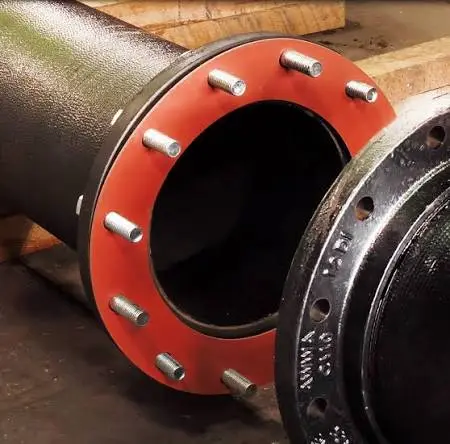
Understanding Flange Gaskets and Their Role in Leak Prevention
The most important thing that flange seals do is keep fluids and gases from escaping while keeping the system's pressure and temperature stable. If they are not sealed properly, even small leaks can turn into huge problems that put people in danger and damage expensive equipment.
Common Gasket Types and Their Industrial Applications
Different types of seal designs are best for different types of operations. Spiral wound gaskets have metal coils and soft filler material inside them. They are very strong and can handle high-pressure steam and petroleum service. Ring-type gaskets, typically used as ring-type joints (RTJ) gaskets made in oval or octagonal metal forms, are designed for high-pressure sealing applications in refinery, oil, and gas service, where reliable metal-to-metal sealing is required. Rubber gaskets are a cheap way to seal water and low-pressure systems, while PTFE gaskets can handle harsh chemicals in food and drug processing plants. Because they are more resistant to heat, graphite gaskets are perfect for power plants and exhaust systems that work at high temperatures.
Critical Performance Factors Affecting Gasket Lifespan
How long a gasket can withstand exposure to process fluids depends on how well the materials work together. Chemical resistance charts help engineers match rubber or polymer gaskets to the right medium, which keeps them from breaking down too quickly. It is important that pressure values match the design pressure and safety margins of the system. If you don't do this, you could have blowouts or other safety issues. The thickness of the gasket affects how easily it can be compressed and how quickly it can rebound, which directly affects the stability of the seal during thermal cycles. Extreme temperatures speed up the ageing process of materials, so choosing seals with the right thermal buffer keeps them from becoming brittle or deforming slowly over time.
Common Causes of Gasket Failure
A lot of sealing performance challenges are caused by mistakes made during installation. When bolts are tightened unevenly, stress builds up and can break weak seals or make leaks possible. When buying teams choose gaskets without looking at chemical compatibility data, material mismatches happen, which leads to fast breakdown. Surface flaws like rust, scale, or gouges on the flange faces stop the gasket from being compressed evenly, leaving gaps for fluid to leave. Ignoring torque specifications either breaks soft gaskets or doesn't create enough seating stress, which both make the seal less effective.
How to Select the Right Flange Gasket for Your Application (Decision Support Approach)?
A full analysis of your system's working envelope is the first step in effective gasket design. The closing problem your gasket has to solve is determined by temperature, pressure, chemical makeup, and fluid phase state.
Assessing Operating Conditions and System Requirements
Write down the highest and lowest temperatures your system goes through, including short-term spikes that happen when it starts up or in an emergency, for flange gasket selection. Changes in pressure put different stresses on gaskets than steady-state situations, so write down both the working and test pressures. Find out what the fluid or gas is made of, including how much of each acid, base, liquid, or oxidising agent there is. Gaskets need to be selected differently for steam service than for crude oil or acidic wastewater service. Knowing these factors helps you choose the right materials and avoids mistakes that cost a lot of money.
Comparing Gasket Materials for Specific Environments
Spiral wound gaskets are good for steam lines and fuel systems that work between 400°F and 1000°F because they are strong but not too stiff. Their stacked design lets the flanges move and the temperature rise and fall. Machined from solid stainless steel or Inconel, ring joint gaskets keep high-pressure connections (typically used in high-pressure systems such as Class 600 and above, including wellhead and subsea equipment) safe. These connections are popular in wellhead systems and subsea equipment. Rubber gaskets (EPDM, nitrile, and neoprene) can seal municipal infrastructure cost-effectively and can handle water, air, and light chemicals below 250°F at low pressures. PTFE gaskets can handle strong acids and bases over a wide range of temperatures, but they require higher bolt loads due to their tendency to undergo creep relaxation under load over time. Graphite gaskets can work in exhaust pipes and incinerators and can handle temperatures up to 850°F in oxidising environments.
Interpreting Pressure and Temperature Ratings for Safety
Manufacturers of gaskets put out PxT curves, which are graphs that show how much pressure is safe at different temperatures. If you work outside of these limits, the seal could fail. Safety margins take into account changes in the process and the effects of ageing. For example, selecting gaskets rated 20–30% above standard working conditions protects against upsets. Industry standards, such as ASME B16.20, spell out dimensional limits and material grades. This makes sure that parts from different sources can be used interchangeably and work in the same way.
Real-World Application Examples
After having monthly failures, a chemical company in the Midwest switched from EPDM seals to PTFE versions in their acid transfer lines. The switch stopped leaks, which saved 60% of the upkeep work and kept the company from getting pollution fines. An oil plant that serves high-temperature cracking units switched from compressed fibre gaskets to spiral-wound types. This cut the number of turnarounds from every three months to every six months. These case studies show that matching gasket technology to the needs of an application leads to measurable cost savings and higher dependability.
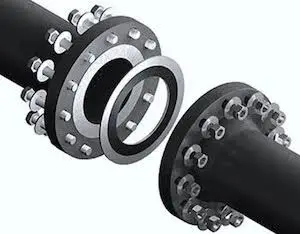
Practical Installation Tips to Ensure a Leak-Free Seal
The performance of a gasket depends on both the material used and how carefully it is installed. Even high-quality seals fail if they are not fitted correctly.
Preparing Flange Surfaces for Optimal Sealing
Thoroughly clean the contact surfaces, getting rid of any rust, old gasket fragments, and scale. For flanges that are highly rusted, wire brushing or grinding may be needed. Check for cracks, scratches, or holes. If defects greater than 0.005 inches are found, the flange may need to be refaced to restore flatness. Before putting the seal in place, make sure the flange is aligned correctly. An angle or parallel mismatch can cause stress to build up and create leak paths. Check the inside diameter, outside diameter, and bolt hole positions to make sure the gasket's measurements match the flange's.
Bolt Tightening Sequences and Torque Specifications
When the bolts are properly tightened, the clamping force is distributed evenly across the sealing surface. Instead of fully torqueing each bolt one at a time, use a star or cross design and tighten the bolts one at a time over several passes. In this way, the seal doesn't move, and the force is spread out evenly. Check out the force tables that the maker has made for each bolt size, material grade, and flange class. Not tightening enough lets leaks happen, while tightening too much damages seals or causes flanges to bend. Calibrated torque tools take away the need to guess, giving consistent results that meet engineering standards.
Avoiding Common Installation Pitfalls
Lubricants help reach the right bolt stress and reduce friction, but too much use can damage seals and change how compression works. Lubricants should only be used on bolt threads and nut faces in small amounts, and they should not come into contact with sealing surfaces. Don't use gaskets more than once; once they've been squeezed, they can't stretch back out and close properly when they're put back in place. Check the position of the gasket. Some types have metal centring rings or directional marks that must face certain directions. Installing something quickly can lead to mistakes, so give yourself enough time to carefully plan and carry out the job.
Procurement Guide: Buying Flange Gaskets for Industrial Applications
Finding the right gaskets means finding a balance between quality, supply, price, and the trustworthiness of the seller. Strategic choices about buying keep costs down and project risk to a minimum.
Evaluating Supplier Certifications and OEM Approvals
Gasket companies with a good reputation have ISO 9001:2015 certification, which shows that they handle quality consistently. Check to see if the material meets standards specific to your business, like API 6A for oil and gas use or FDA approval for food-grade products. OEM recommendations from major equipment makers prove that gaskets work well in serious situations. Suppliers who offer material test records (MTRs) and batch tracking make things clear, which helps with compliance checks and failure reviews.
Balancing MOQs, Lead Times, and Budget Constraints
Distributors usually keep standard gasket sizes in stock, which makes it easy to quickly fill orders for popular flange classes. Custom seals or unusual materials may need longer lead times, from weeks to months. This means that regular turnarounds need to be planned ahead of time. Unit prices are affected by minimum order amounts. Buying in bulk lowers the cost per piece but locks up working capital. Talk about blanket orders with planned releases to get big discounts and keep your inventory low. Cost overruns can be avoided by using clear price systems that take changes in raw materials into account.
Custom Gaskets Versus Standard Sizes
Standard gasket sizes are the same as those in ASME B16.5, B16.47, and other commonly used flange standards. This makes sure that a wide range of products can be used together and that prices are kept low. Custom gaskets are made for flanges with unusual shapes, bolt patterns that aren't normal, or special material needs. Customisation takes more time and money for engineers and tools, but it provides the best protection for tough situations. When you ask for custom gaskets, you should include thorough drawings with all the important measurements, material grades, and performance needs. Working with providers that have in-house design help speeds up development and cuts down on the number of iterations needed.
Comparing Top Flange Gasket Brands and Manufacturers
The supplier you choose has a big effect on how reliable the gasket is, how good the professional help is, and the total cost of ownership. Leading makers set themselves apart by coming up with new materials, trying them thoroughly, and providing excellent customer service.
Key Differentiators Among Industry Leaders
Top gasket makers put a lot of money into research and development, flange gasket selection, and making their own materials that work better than generic ones. They keep a wide range of products in stock, including different types of gaskets, pressure classes, and chemical protection profiles. This makes buying easier by combining providers. Manufacturers with approved test labs check the performance of gaskets in real-life work situations and then post actual data that helps with selection. Spreading out production sites and warehouses across the country cuts down on shipping times and freight costs, which is especially helpful when repairs need to be done quickly.
Benefits of Partnering with Trusted Suppliers
Suppliers that have been around for a while offer more than just products. Technical talks help engineers figure out how to choose the right gasket for the job by guiding them through complicated selection criteria. Some offer on-site installation training to make sure that best practices are always used by support teams. Support after the sale, like fixing problems and suggesting better designs, turns sellers into working partners instead of just selling things. Long-term relationships help both parties understand each other better, which lets providers guess what their clients will need and offer answers before they happen.
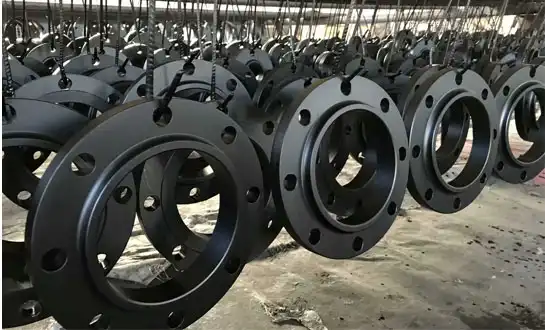
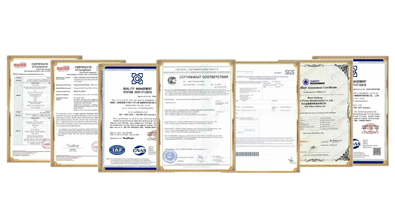
RAYOUNG is a great example of a seller because it has a lot of certifications, such as ISO 9001:2015, GOST-R, and SGS export compliance. Our engineering team helps clients look at flange gasket selection factors that are specific to their working conditions. We also offer flanges, including slip-on (SO) flanges, blind (BL) flanges, plate (PL) flanges, and weld neck (WN) flanges, which mate with closing elements and make sure the whole system works together. This unified method makes buying easier, lowers the risk at the junction, and gives one person responsibility for the stability of the piping system.
Conclusion
Flange gasket selection, fitting techniques, and supply relationships all need to be carefully considered in order to achieve leak-free pipe systems. Material compatibility, pressure-temperature rates, and chemical protection are the most important parts of a good seal. Good gaskets can be turned into good seals with the right fitting methods, including cleaning the surface, tightening the bolts in the right order, and controlling the force. Strategic procurement finds the best mix between cost, wait time, and source capability to get parts that meet both short-term needs and long-term goals for dependability. Working with suppliers with a lot of experience lets you get technical help and tried-and-true goods, which lowers the risk of projects going wrong and keeps operations running smoothly.
FAQ
1. How Do I Verify Chemical Compatibility of Gaskets?
See the manufacturer's chemical protection charts for a list of fluids and the materials that work best with them. Based on rapid ageing tests, these charts show compatibility scores such as "excellent", "good", "fair", and "not recommended". When process fluids have more than one chemical in them, make sure that each one is compatible with the others. For new or secret fluids, you should ask for immersion testing, in which gasket samples are put into real process media under controlled conditions and then checked for changes in weight, stiffness, and mechanical property retention.
2. What Distinguishes Spiral Wound Gaskets from Ring-Type Gaskets?
Spiral-wound gaskets have layers of metal and soft filler wound in a spiral design, which makes them flexible and resilient. They can move with the flange and are often used in steam, oil and gas service up to 1000°F. In wellhead and underwater uses, ring-type gaskets are made of solid metal with cross-sections that are often oval or octagonal. They fit into machined grooves on the sides of flanges and can handle temperatures and pressures above 2500 PSI.
3. How Often Should Gaskets Be Inspected or Replaced?
How often you inspect depends on how bad the service is. In places with a lot of heat, pressure, or corrosion, checks should be done once a year during planned shutdowns. In moderate working conditions, gaps may be pushed back to two to three years. If you see cracks, erosion, or permanent tension set in the gaskets, or if the flanges need to be taken apart for repair, you should replace them. Unplanned downtime caused by gasket failure between inspection cycles can be avoided by replacing them before they fail during regular turnarounds.
Partner with RAYOUNG for Expert Flange Gasket Selection and Supply
RAYOUNG offers complete pipe solutions that combine high-performance gaskets with precision-engineered flanges. This makes sure that the solutions work well with a wide range of industrial uses and provide reliable sealing. Our ISO 9001:2015-certified production methods ensure consistent quality, and our GOST-R and SGS certifications show that we follow export rules and that our materials are safe. Our technical team offers knowledgeable advice on flange gasket selection that is specifically suited to your needs, whether your project requires spiral wound gaskets for steam service, PTFE gaskets for corrosive chemicals, or custom solutions for unusual working conditions. We offer the whole connection package, which includes slip-on (SO), blind (BL), plate (PL), and weld neck (WN) flanges.This makes the buying process easier and lowers the risks at the contact. To make sure you meet your project dates without sacrificing quality, as a reliable flange gasket selection seller, we offer low prices, flexible MOQs, and fast shipping. Email our technical support team at info@hb-steel.com to talk about your application, get more information, or get samples that show how committed we are to leak-free performance and operational success.
References
1. American Society of Mechanical Engineers (ASME). ASME B16.20: Metallic Gaskets for Pipe Flanges—Ring-Joint, Spiral-Wound, and Jacketed. New York: ASME Press, 2017.
2. Bickford, John H. Gaskets and Gasketed Joints, Second Edition. Boca Raton: CRC Press, 2016.
3. Fluid Sealing Association. FSA Technical Handbook: Gasket Selection and Flange Sealing Best Practices. Wayne, PA: Fluid Sealing Association, 2019.
4. Brown, Richard N. Compressors: Selection and Sizing, Fourth Edition. Houston: Gulf Professional Publishing, 2019. (Chapter 8: Flange Connections and Gasket Technology)
5. European Sealing Association (ESA). Guidelines for Safe Gasket and Bolted Joint Assembly Practices. Brussels: ESA Publications, 2018.
6. Payne, J. Robert and Singh, Jasbir. Piping Systems Manual, Third Edition. New York: McGraw-Hill Education, 2020. (Section 5: Flange Gasket Selection and Installation Procedures)

Need a quote? Want to see samples? Just say hello. We’re friendly. We’re fast. And we’re ready when you are.
Welcome to RAYOUNG – Strong Pipes, Stronger Promise