Steel Flange Types and Their Heavy Industrial Applications
A steel flange is a piece of welded or cast steel that joins pipes, valves, pumps, and other machinery to make a complete pipe system in a heavy industrial setting. These important connection points allow for flexible assembly, easy repair access, and leak-free operation in harsh temperatures, pressures, and corrosive environments. Choosing the right type of flange protects the stability of the system, cuts down on downtime, and meets strict safety standards for projects in the oil and gas, power generation, chemical processing, and water infrastructure sectors.
Understanding Steel Flanges: Types, Standards, and Materials
What Are Steel Flanges and Their Core Functions?
Steel flanges are mechanical links used in industrial pipe systems. They allow parts to be taken apart without damaging the structure. They spread loads widely around the pipe's diameter, allow for thermal expansion, and make sure that the sealing surfaces are safe by compressing the gasket. These parts solve important problems in heavy industry, like stopping catastrophic leakage in hazardous fluid systems, making it easy to change broken equipment during repair windows, and making sure that dimensions are the same across global supply chains.
Six Common Steel Flange Types
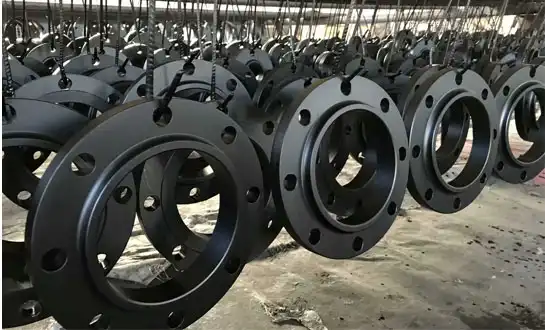
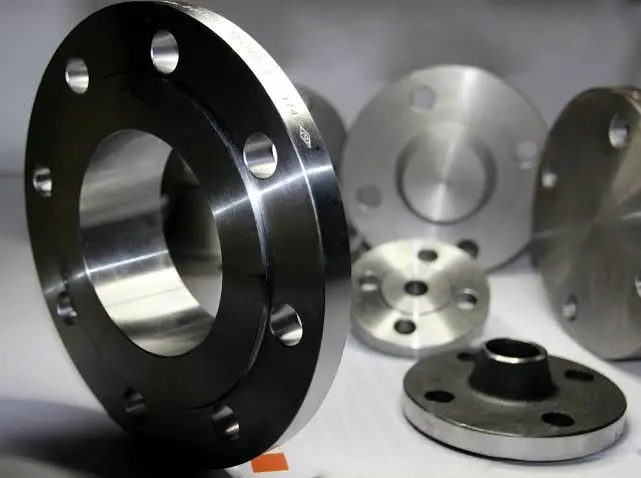
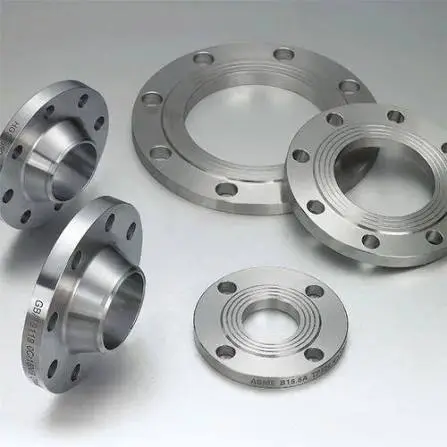
Different flange designs meet different technical needs. Because they better distribute stress, Weld Neck flanges are perfect for high-pressure and high-temperature uses. They have a long, tapered hub that gradually moves to the pipe wall. Slip-On flanges fit over the pipe and need two fillet welds. They are easy to place and align, but they can't handle as much pressure. Blind flanges make sure that pipe ends or tank holes don't let flow through. Socket weld flanges work well with high-pressure small-bore piping, but are generally avoided in severe cyclic or corrosive services due to crevice corrosion risks. Lap joint flanges and stub ends work together to let the backing flange rotate freely, simplifying bolt alignment. When hot work isn't allowed in low-pressure systems, threaded flanges take the place of welding.
International Standards Governing Flange Design
Interoperability and safety across countries are made possible by global norms. In North America, most of the markets are based on ANSI B16.5 and B16.47, which set pressure classes from 150 to 2500 (B16.47 typically up to Class 900 for large-diameter flanges) and flange size limits from ½" to 60". In Europe, DIN standards are used, which use PN values (PN6 to PN100) that show theoretical pressures in bars. Japanese standards with K grades are set by JIS B2220, and AWWA C207 talks about large-diameter flanges in water treatment facilities. When buying, teams understand these models, and they can choose suitable parts and avoid costly dimensional mismatches when they source from other countries.
Material Selection: Balancing Performance and Cost
Standard ASTM A105 carbon steel flanges are very strong and easy to weld, and they don't cost a lot, so they can be used for many different things. Stainless steel types (ASTM A182 F304/316) are better at resisting corrosion in chloride- and acidic-filled environments, like those found in chemical plants and ocean platforms. For high-temperature chemical work, alloy steel choices (A182 F11/F22) offer better resistance to creep. Material certificates keep track of the chemicals used, how they were heated, and their mechanical qualities to make sure they meet the needs of the project and stop early failures caused by materials that don't work together.
Comparing Steel Flange Types for Heavy Industrial Applications
Weld Neck vs. Slip-On: Strength and Installation Trade-offs
Weld neck flanges have the strongest structure because their hubs are curved. This makes the weld joint stronger and spreads out stress loads. Because it can handle pressures up to 2500, this design is the best choice for important hydrocarbon pipes and reactor vessels. When making something, slip-on flanges make it easier to line things up and lower the original cost, but you need to pay close attention to the quality of the welds on both the inside and outside sizes. The decision depends on the needs of the project: Weld Neck for maximum safety and long-term dependability, or Slip-On for projects on a budget with average working conditions.
Forged vs. Cast Steel: Durability and Economics
Forged flanges go through hot compression, which lines up the steel grain structure with the radial shape of the part. This gets rid of any holes and makes the wear resistance higher. This way of making things makes flanges that can handle the constant loads and shaking that happen in pump stations and compressor systems. Cast flanges are more economical for large-diameter or complex geometries, but they may contain internal porosity or inclusions that compromise pressure containment capabilities. For high-stakes installations, radiographic testing is needed to prove that the inside is sound. For lower-risk installations, a visual check is enough.
Stainless Steel vs. Carbon Steel: Corrosion Resistance
Carbon steel flanges work well in dry or mildly corrosive conditions and may be protected with coatings such as hot-dip galvanizing in suitable environments to make them last longer. When used with acids, brine, or hydrogen sulfide, where passive oxide layers prevent corrosion, stainless steel flanges are worth the extra money. When you do a life-cycle cost study, you should include the costs of downtime, upkeep, and replacements. Even though stainless steel materials are more expensive, chemical plants that work with acidic media usually get a lower total cost of ownership with them.
ANSI vs. DIN Standards: Compatibility Considerations
ANSI and DIN flanges can't be directly swapped out because they have different numbers of bolt holes, facing shapes, and pressure values. ANSI flanges use NPS (Nominal Pipe Size) with inch-based dimensional standards and include raised face (RF) or ring-type joint (RTJ) facings. DIN flanges, on the other hand, are measured in metric units and have raised face Type A or B designs. Multinational projects that need to buy tools must check that the standards will work together early on in the buying process to avoid having to make changes in the field. There are adapters and transition pieces, but they add more leak lines and make installation more difficult.
Selecting Flanges for High-Pressure Environments
When using high pressure, you need to think carefully about the pressure class ratings, face types, and seal materials. The bodies of Class 900, 1500, and 2500 flanges are bigger and have more bolt holes to spread the gripping loads. RTJ face types use metal ring gaskets that deform under compression to create metal-to-metal seals suitable for high-pressure Class 600–2500 applications, depending on material and temperature. CNC-machined sealing surfaces make sure that the flatness margins are within 0.002" to stop leak tracks. Full Material Test Certificates (MTC) show the chemistry and mechanical qualities of the raw materials, giving engineering teams and regulatory inspectors written proof of their safety.
How to Measure and Install Steel Flanges Correctly?
Essential Flange Measurements
The outer diameter (OD) of a flange tells you where the bolt holes are located, and the bolt circle diameter (BCD) tells you where the centerlines of the bolt holes are, which is important for mating with adjacent flanges. The bore size should match the pipe's internal diameter to keep the flow characteristics the same. The thickness and facing height of a gasket affect how it compresses and distributes load. Before accepting a shipment, procurement teams should compare these measurements to standard tables.
Installation Best Practices
For proper installation, the sealing surfaces must be clean and free of rust, scale, or old gasket material. To do this, wire brushes and solvent wipes are used to remove any contaminants that could weaken the seal. The type of gasket chosen must also match the operating conditions: compressed fiber for general service, spiral-wound for high temperatures, and elastomers for low-pressure water lines. Bolts should be tightened in a star pattern using calibrated torque wrenches to get even compression without warping the flange faces. Thread lubricants reduce friction and stop galling, and anti-seize compounds make it easier to take the assembly apart in the future.
Avoiding Common Installation Pitfalls
Overtightening hurts gaskets and warps flange faces, making leak paths even though the assembly seems to be correct. Undertightening lets fluid pressure overcome the gasket seating force, leading to weeping or catastrophic blowouts. Misalignment between mating flanges creates bending stresses that concentrate loads and accelerate fatigue failure. Using the wrong bolt grades weakens the joint; ASTM A193 B7 studs paired with A194 2H nuts provide reliable clamping in most situations. Temperature-sensitive gaskets need controlled tightening sequences during system heat-up to account for differential expansion.
Procurement Considerations for Steel Flanges in Heavy Industry
Evaluating Supplier Credentials
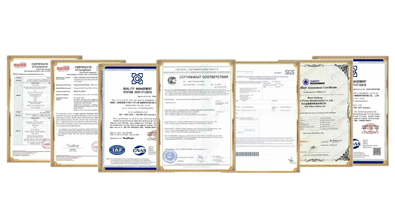
Reliable suppliers follow ISO 9001:2015 quality management systems, which makes sure that manufacturing controls are always the same. GOST-R and SGS export certifications show that suppliers follow Russian and international standards, which makes it easier to trade across borders. Production capacity assessments show that suppliers can meet project deadlines for large orders without sacrificing quality. Site audits show manufacturing capabilities, inspection protocols, and traceability systems that show the history of materials from mill certificates to final machining operations.
Understanding Price Drivers and Lead Times
The price of raw materials fluctuates with the global steel market, directly affecting the price of steel flanges. Forged parts are more expensive than cast ones because they are harder to make. Special facings (RTJ, tongue-and-groove) need extra machining steps that make lead times longer. Standard ANSI and DIN sizes ship from stock within weeks, but custom configurations take 8–12 weeks to make. For projects that need more than 500 pieces, volume discounts are available, which makes consolidated procurement strategies a good way to save money for big projects.
Custom Solutions vs. Standard Catalog Items
Standard flanges meet 80% of industrial needs and are readily available at competitive prices. Custom solutions, on the other hand, are made to deal with specific problems like non-standard pressure ratings, unique alloy compositions, exotic coatings, or proprietary facing designs. Working together with manufacturers to improve flange geometry for certain operating envelopes requires detailed specification documents that include material certifications, dimensional tolerances, surface finishes, and testing requirements. The investment is worth it when off-the-shelf alternatives reduce safety margins or require expensive workarounds.
Heavy Industrial Applications of Steel Flanges Across Sectors
Oil & Gas: High-Pressure Pipeline Connections
The operations of offshore platforms and refineries need flanges that can hold volatile hydrocarbons in harsh conditions. Weld Neck flanges with RTJ facings protect wellhead equipment and pipeline riser systems that are exposed to pressures above 5,000 psi. Corrosion-resistant alloys protect against hydrogen sulfide and saltwater. Hot-dip galvanizing provides protection for carbon steel flanges in offshore atmospheric zones where marine environments accelerate corrosion. Full MTC traceability records heat numbers and mechanical properties, meeting API 6A requirements for wellhead and pressure control equipment systems.
Power Generation: Boiler and Turbine Systems
Flanged connections are used in the steam generation and distribution networks of coal, gas, and nuclear power plants. High-temperature alloy flanges (A182 F22) keep their strength at temperatures close to 1000°F in superheater sections. Turbine inlet flanges can handle thermal cycling and vibration while keeping tight tolerances for efficient energy conversion. Cooling water systems use large-diameter flanges (30"-60") that meet AWWA standards, balancing cost and performance for non-critical applications.
Chemical and Petrochemical: Corrosion-Resistant Materials
Process industries that use acids, caustics, and organic solvents need flanges made of stainless steel and exotic alloys that don't react with chemicals. Hastelloy, Inconel, and titanium flanges are used in severe corrosion or high-temperature environments where conventional stainless steels are not sufficient. RF and FF facing finishes and chemically compatible gaskets stop leaks that put people at risk and contaminate products. Meeting NACE MR0175 standards guarantees resistance to sulfide stress cracking in sour service environments. CNC-machined sealing surfaces achieve surface finishes between 125 and 250 microinches AARH, which makes gasket seating better and reduces fugitive emissions.
Water Treatment: Infrastructure and Municipal Systems
Municipal water distribution networks and wastewater treatment plants use flanges that meet the requirements of AWWA C207 and ANSI B16.1 standards. Ductile iron and carbon steel flanges with epoxy or galvanized coatings resist corrosion in buried and submerged installations. Large-diameter flanges (36" to 120") connect pump stations, valves, and filtration equipment that need to be serviced on a regular basis. The government requires companies to follow the Buy American Act requirements, which favor domestic manufacturers with clear information about their material sources and labor practices. Life-cycle cost analysis puts durability and maintenance intervals over the initial purchase price.
Conclusion
In conclusion, when choosing the right steel flanges for a project, it's important to find a balance between technical specifications, material properties, and procurement strategies. Weld neck flanges are the strongest for high-pressure systems, while slip-on versions are easier to install. Forged construction is better than cast alternatives in harsh environments, and stainless steel is worth the extra cost when corrosion threatens the integrity of the system. Knowing ANSI, DIN, and JIS standards is important for ensuring compatibility across international supply chains.
FAQ
1. What is the difference between a steel flange and a pipe flange?
When talking about industrial settings, the terms are often used interchangeably. A steel flange is made of carbon steel, stainless steel, or alloy steel. A pipe flange, on the other hand, is any type of flange used to connect piping parts, no matter what material they are made of. This includes cast iron, ductile iron, and non-ferrous flanges, each of which is best for a different set of conditions and pressures.
2. How do I select the right flange type for my application?
Choosing the right application depends on the pressure rating, temperature range, corrosive environment, and installation limitations. For example, systems with more than 600 psi usually need weld neck flanges with Class 900 ratings or higher. Slip-on and threaded flanges are better for lower-pressure uses where ease of assembly is more important than maximum strength. Corrosive media need stainless steel or exotic alloys, while standard carbon steel is fine for general-purpose installations. To make sure you get the right specification, you should look at ASME B16.5 pressure-temperature ratings and talk to experienced engineers.
3. Can flanges be reused after disassembly?
For non-critical applications, reuse is possible as long as the flange is in good shape after service. The sealing surfaces must be flat and free of corrosion pits, warping, or tool marks. Any gasket remnants must be completely removed without scratching the faces. Bolts and nuts that show thread damage, corrosion, or elongation should be replaced. If dimensional inspection confirms compliance with original tolerances and visual examination shows no defects, reuse is possible. For high-consequence systems, new components are required to avoid uncertainty.
Contact RAYOUNG for Reliable Steel Flange Solutions
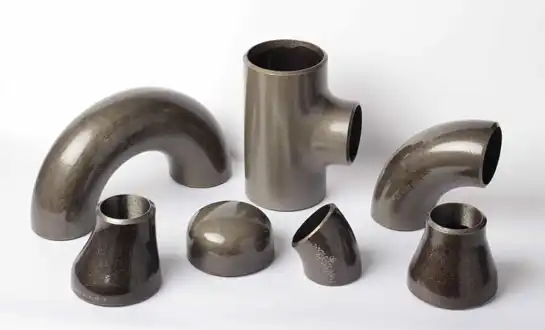
Precision-engineered steel flanges that meet ANSI, DIN, and JIS standards are made by our company. They have CNC-machined sealing surfaces and full MTC traceability. As a certified steel flange supplier with ISO 9001:2015, GOST-R, and SGS certifications, we offer RF, FF, and RTJ facing options that are good for high-pressure uses in the oil and gas, power generation, and chemical processing industries. Hot-dip galvanising options make them last longer in corrosive environments, and our buttweld steel elbows and reducers complement complete piping systems. Email us at info@hb-steel.com to get technical datasheets, material certificates, or volume quotes.
References
1. American Society of Mechanical Engineers. (2020). ASME B16.5: Pipe Flanges and Flanged Fittings: NPS 1/2 through NPS 24 Metric/Inch Standard. ASME Press.
2. ASTM International. (2019). ASTM A105/A105M: Standard Specification for Carbon Steel Forgings for Piping Applications. ASTM International.
3. Deutsches Institut für Normung. (2018). DIN EN 1092-1: Flanges and Their Joints – Circular Flanges for Pipes, Valves, Fittings and Accessories. Beuth Verlag.
4. Japanese Standards Association. (2017). JIS B2220: Steel Pipe Flanges. Japanese Standards Association.
5. American Water Works Association. (2021). AWWA C207: Steel Pipe Flanges for Waterworks Service – Sizes 4 In. Through 144 In.. AWWA Publications.
6. Becht Engineering. (2019). Flange Joint Assembly: Best Practices for Installation and Maintenance. Technical Bulletin Series, Vol. 12, Issue 3.

Need a quote? Want to see samples? Just say hello. We’re friendly. We’re fast. And we’re ready when you are.
Welcome to RAYOUNG – Strong Pipes, Stronger Promise