How to Select Corrosion-Resistant Flanges for Harsh Environments
The dependability, working safety, and long-term cost effectiveness of a system are directly impacted by the choice of corrosion-resistant flanges in harsh industrial settings. The flanges you choose must be able to handle harsh media, high temperatures, and changes in pressure when you're in charge of projects in chemical processing plants, offshore platforms, or marine installations. This detailed guide helps procurement managers, engineers, and distributors understand the different types of materials, industry standards, and buying strategies. This way, you can make sure that project risks are kept to a minimum while still meeting legal requirements and spending limits.
Understanding Corrosion-Resistant Flanges
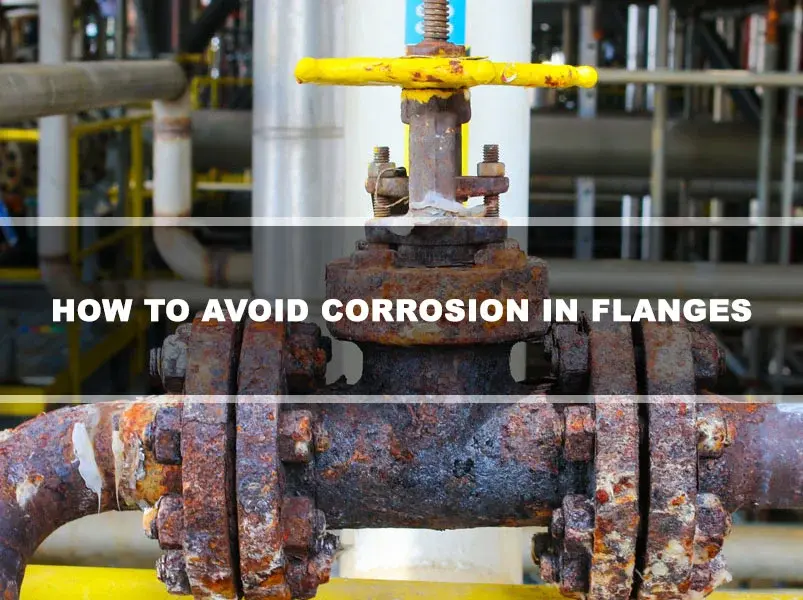
Corrosion-resistant flanges are engineered components designed to maintain structural integrity and leak-proof sealing even when they are exposed to harsh chemicals or the environment. Unlike regular carbon steel parts, these specialized flanges are manufactured from highly corrosion-resistant alloys or feature advanced surface treatments that prevent material degradation over time.
What Makes Flanges Corrosion-Resistant?
There are two main ways to make something resistant to corrosion: choosing the right materials and treating the surface to protect it. Chromium, nickel, and molybdenum are found in alloys that make inactive oxide layers that protect the base metal from chemical attack. Coatings on the surface, like galvanization, resin linings, or thermal spray metallization, make it safer. These parts work together to stop common types of failure like pitting, crevice corrosion, and stress cracks that can make the system less safe and cause expensive unexpected shutdowns.
Common Flange Types and Their Applications
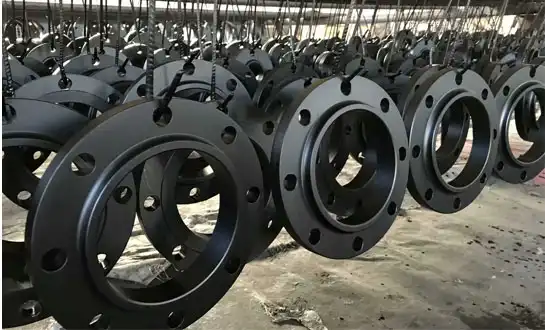
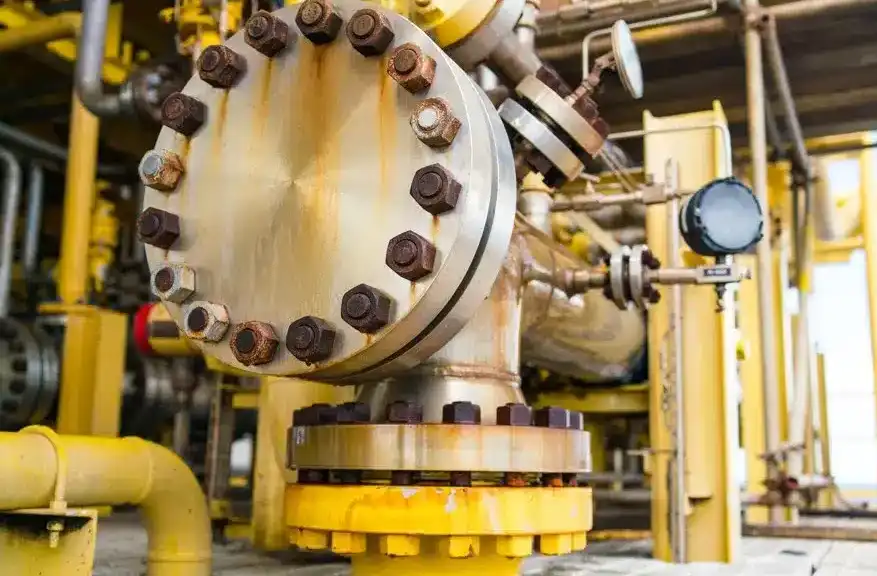
Weld neck flanges are most common in high-pressure situations because they smoothly change from pipe to flange, which lowers the number of stress spots. Slip-on flanges are good for moderate-pressure systems where alignment is important because they are easy to install and don't cost as much at first. Threaded flanges are used for small-bore pipes in dangerous places where welding isn't allowed, like industrial zones where getting a hot work permit is hard. Blind flanges are used to securely seal pipeline ends for maintenance isolation or future system expansion.
Material Standards and Certifications
ASTM standards describe the chemical make-up and mechanical qualities of materials. For example, ASTM A182 covers forged stainless steel flanges and ASTM A105 covers carbon steel forgings. The ASME B16.5 and B16.47 standards set the measurements that make sure parts from different makers can fit together properly without needing to be custom-modified. The NACE MR0175/ISO 15156 approval shows that the product can work in sour service settings with hydrogen sulfide, which is a very important requirement for oil and gas projects in the upstream.
Key Factors to Consider When Selecting Corrosion-Resistant Flanges
To choose the right joint, you need to look at a lot of technical and practical factors that affect how well it works in the long run and how much it costs to own. Using corrosion-resistant flanges requires analyzing multiple technical and operational parameters that influence long-term performance and total cost of ownership.
Environmental and Operational Conditions
Knowing your personal working environment will help you choose materials better than following general advice. Using standard austenitic stainless steels in high-chloride seawater accelerates pitting corrosion, necessitating higher-grade alloys with increased molybdenum content. To keep sulphide stress cracks from happening in reactors with media that contains sulphide, materials must meet NACE standards. When temperatures change, expansion stresses occur that threaded connections can't safely handle. For thermal service, welded joints are better because they can handle these stresses. Pressure class ratings must meet the design requirements of the system. For example, Class 150 is good for low-pressure uses, and Class 600 or higher is needed for high-pressure hydrocarbon processing.
Material Performance Comparison
Stainless steel types have different levels of protection against corrosion depending on the alloys they are made of. Type 304 provides adequate corrosion resistance in mildly corrosive environments, but it breaks down when exposed to salt in coastal settings. Type 316 adds molybdenum to make it more resistant to cracking, making it the standard for contact with seawater. Duplex stainless steels have both austenitic and ferritic structures. They have twice the yield strength of austenitic types and don't crack when exposed to chloride stress corrosion. With better protection against crevice corrosion and higher allowed stresses, super duplex metals can work in harsh circumstances. When the coating system can be kept up and not damaged during installation or use, carbon steel with protective coatings is the most cost-effective choice.
Compatibility and System Integration
The choice of flanges can't be made without taking into account the whole pipe system. Making sure that the pressure-temperature values of the flanges, gaskets, and bolts are all the same keeps the joint's mechanical features even. To avoid having to buy expensive adapters or make changes, dimensional standards must match up with how current equipment is connected. When different metals come into contact with each other in a conductive setting, galvanic compatibility is important because the more anodic material can quickly break down due to galvanic corrosion. Localized corrosion cells can be avoided by specifying matched alloy systems across all areas that come into contact with fluids.
Comparing Flange Options for Specific Harsh Environments
Corrosion problems are different in different manufacturing areas and need different material strategies. Selecting the most effective corrosion-resistant flanges involves matching the specific material properties to the unique chemical and physical challenges of the industry.
Marine and Offshore Applications
There are about 19,000 parts per million of chlorides in seawater, which makes pitting and crevice erosion very dangerous. Type 316 stainless steel is the least amount of material that can be submerged in salt water for a long time. However, super austenitic types like 6-mononickel or super duplex alloys last longer in splash zones and other underwater uses. Biological fouling in still seawater gathers acidic species in small groups, which speeds up the attack in cracks under gasket seats and bolt heads. If they are not built correctly, cathodic protection systems can increase the risk of hydrogen embrittlement in high-strength fasteners if not properly designed.
Chemical Processing Plants
In chemical plants, flanges are exposed to a wide range of toxic substances, from acidic solutions to alkaline caustics. Hydrochloric acid and concentrated sulfuric acid need different materials. The type of metal used depends on the temperature and strength. It is expensive to make, but Hastelloy C-276 offers excellent corrosion resistance in a wide range of oxidizing and reducing environments. If materials are only defined for normal working conditions, then process upsets that put equipment in conditions that aren't what they're supposed to be in can cause corrosion damage that wasn't expected. For legal compliance and risk protection, it's important to have certifications that show where materials came from and how they were tested mechanically.
Oil and Gas Production
Hydrogen sulfide-containing sour service settings need NACE-compliant materials with low hardness levels to stop sulfide stress cracks. When carbon dioxide is mixed with water, it forms carbonic acid. This acid attacks the metal, and the process accelerates as the partial pressure and temperature of CO₂ rise. Duplex stainless steels are very good at resisting CO₂ corrosion while still being strong, but their use in H₂S-containing environments must comply with NACE MR0175 hardness and environmental limits. NACE guidelines include material selection charts that give advice based on recorded amounts of H₂S and CO₂, temperature, and chloride.
Procurement Guide: How to Source Corrosion-Resistant Flanges Efficiently?
Strategic shopping methods lower the risk of buying things while also getting good prices and on-time delivery. Procurement teams can ensure high quality and compatibility by sourcing corrosion-resistant flanges from suppliers who provide comprehensive material documentation and industry-standard testing.
Evaluating Supplier Credentials
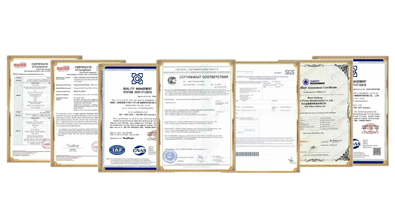
Manufacturers with a good reputation keep their quality management systems approved to ISO 9001:2015. This shows that they consistently control the production process and look for ways to make it better all the time. Export certificates, such as GOST-R and SGS validation, show that the product meets the standards for foreign trade. Third-party inspection services check the accuracy of the measurements and the make-up of the material by using positive material identity testing and checking the mechanical properties. Referrals from customers in similar fields can give you an idea of how reliable the service is and how good the technical help is.
Geographic Sourcing Considerations
There are cost benefits to global supply lines, but they also come with longer lead times and the possibility of more complicated operations. While local providers may be able to provide faster emergency replacements, they may not have as many alloys to choose from. Building ties with makers that run inventory programs makes sure that parts are available for when important maintenance needs to be done. RAYOUNG has made a name for itself as a reliable provider that serves both domestic and foreign markets with a wide range of certifications and consistent quality across all of its product lines.
Negotiating Terms and Lead Times
Standard flange sizes made of common materials usually ship within a few weeks. However, production times are longer for rare metals or large diameters. Unit costs go down when you buy in bulk, but you have to weigh the costs of keeping supplies against project deadlines. The framework deals lay out price frameworks for multiple deliveries, which makes it easier to manage costs and plan ahead. When project requirements call for unique setups, customization choices like special facings, dimensional changes, or tests beyond standard requirements make the product more valuable.
Maintenance Tips and Common Pitfalls to Avoid
Preventative repair and smart choices keep things from breaking down too soon and make them last longer. Effective maintenance schedules for corrosion-resistant flanges involve regular visual inspections and thickness measurements to identify early signs of environmental attack.
Inspection Best Practices
Surface rust can be found visually during controlled shutdowns, before it damages the structure. Ultrasonic thickness measuring measures how much metal is being lost, which lets you plan repair ahead of time. By checking the gasket sealing surfaces for rust products, mechanical damage, or warping, you can find parts that need to be reconditioned before they can be put back together. Verification of torque shows that bolts keep the right preload even when temperatures change and vibrations happen. Finding small rust early on lets you fix it by cleaning and coating the repair instead of replacing the affected part.
Common Failure Modes and Prevention
Crevice rust happens where gaskets touch because oxygen levels drop and salt levels rise in the electrolyte that doesn't move. This risk can be lowered by using sealants that are rated for the work area and choosing gaskets that don't absorb much water. Microbiologically affected rusting happens when groups of bacteria make harmful waste products. Biocide injections and regular cleaning stop bacteria from forming. When carbon steel bolts are used to assemble stainless steel flanges in conductive environments, galvanic corrosion between the dissimilar metals accelerates. The galvanic connection is broken by using insulating covers and plates.
Installation Errors to Avoid
When you tighten nuts past the suggested torque values, you damage gaskets and create residual stresses that make stress corrosion cracking more likely. Using gasket materials that don't work with process fluids leads to premature seal failure and leaky emissions. Not checking the alignment of the flange faces before tightening leads to uneven loads, which build up stress and make leaks more likely. When you weld close to flanges without controlling the heat properly, the metal's features change in the area that is heated. These mistakes can be avoided by following the fitting instructions provided by the maker and the best practices in the industry, as outlined in ASME PCC-1.
Conclusion
Through a methodical analysis of working conditions, material qualities, and source capabilities, the selection of corrosion-resistant flanges must strike a balance between technical requirements and financial restraints. When you know how external factors affect the way rust works, you can choose materials that will last for a long time. When procurement teams take the time to check certifications, build relationships with qualified providers, and use the right upkeep methods, they lower the total cost of ownership while increasing system uptime and safety. The methods in this guide give you a way to make choices with confidence that protect both project costs and operational integrity.
FAQ
1. How do I determine the right material grade for my specific corrosive environment?
Figuring out the main ways that rust happens in your application will help you choose the right material. Performance is affected by the amount of chloride, the pH level, the temperature, and the oxidizing potential. NACE papers give advice on how to choose materials for popular oil and gas settings. Chemical resistance charts from providers show how well a material works with certain acids, bases, and solvents. When process conditions don't match published data, laboratory corrosion testing using actual service fluids provides definitive data.
2. Can flanges be customized for specialized applications?
Customizations, such as nonstandard sizes, special metal compositions, unique face layouts, and more testing than what is required by standard, are commonplace for manufacturers. Custom choices are available for projects that have unique needs, like not enough room for installation, odd combinations of pressure and temperature, or government rules that need better tracking. Lead times are longer than for regular goods, and based on how much customization is needed, there may be a minimum order quantity.
3. What certifications should I verify when evaluating suppliers?
Getting ISO 9001:2015 approval for quality management shows that you can control processes in a planned way. Material test reports (MTRs) that list the chemical make-up and mechanical qualities of a substance show that it meets the standards of a specification. Positive material identification (PMI) uses non-destructive testing to prove that a metal is what it says it is. Certification by NACE for sour service products shows that they can be used in H2S conditions. Third-party inspection records from reputable organizations provide independent confirmation of the correctness of measurements and the properties of the material.
Partner with RAYOUNG for Reliable Corrosion-Resistant Flange Solutions
RAYOUNG makes high-quality corrosion-resistant flanges that are designed to work in the harshest industrial settings. We make weld neck, slip-on, and threaded configurations from quality stainless steel, duplex, and super duplex materials as part of our wide range of products. We have strict quality standards that are backed up by ISO 9001:2015 approval, GOST-R export compliance, and SGS validation. Our technical team can help you choose the right materials, which will help you get the best results while keeping project costs low. We offer competitive pricing, open customisation, and reliable delivery schedules, whether you're an EPC contractor handling large-scale projects or a dealer looking for a dependable supplier. Email us at info@hb-steel.com to talk about the needs of your project and get thorough quotes that are made just for you.
References
1. Boyer, H.E. (2019). Atlas of Stress-Corrosion and Corrosion Fatigue Curves. ASM International Materials Park, Ohio.
2. Craig, B.D., & Anderson, D.S. (2020). Handbook of Corrosion Data, 3rd Edition. ASM International.
3. National Association of Corrosion Engineers. (2021). NACE MR0175/ISO 15156: Petroleum and Natural Gas Industries—Materials for Use in H2S-Containing Environments. NACE International, Houston.
4. Schweitzer, P.A. (2018). Metallic Materials: Physical, Mechanical, and Corrosion Properties. CRC Press, Boca Raton.
5. American Society of Mechanical Engineers. (2020). ASME B16.5: Pipe Flanges and Flanged Fittings NPS 1/2 Through NPS 24 Metric/Inch Standard. ASME, New York.
6. Revie, R.W., & Uhlig, H.H. (2022). Corrosion and Corrosion Control: An Introduction to Corrosion Science and Engineering, 5th Edition. Wiley-Interscience, Hoboken.

Need a quote? Want to see samples? Just say hello. We’re friendly. We’re fast. And we’re ready when you are.
Welcome to RAYOUNG – Strong Pipes, Stronger Promise