Common Industrial Pipe Fitting Materials and Their Uses
Picking the correct industrial pipe fitting materials will have a direct effect on the safety, efficiency, and cost-effectiveness of your project. Knowing the properties of a material can help you keep downtime to a minimum, make sure you're following the rules, and keep lifetime costs under control, whether you're in charge of an EPC project, a distribution network, or a manufacturing facility. This guide looks at different types of metals, such as carbon steel, stainless steel, copper, plastics, brass, and alloys, so you can make smart buying choices that fit your needs and your budget.
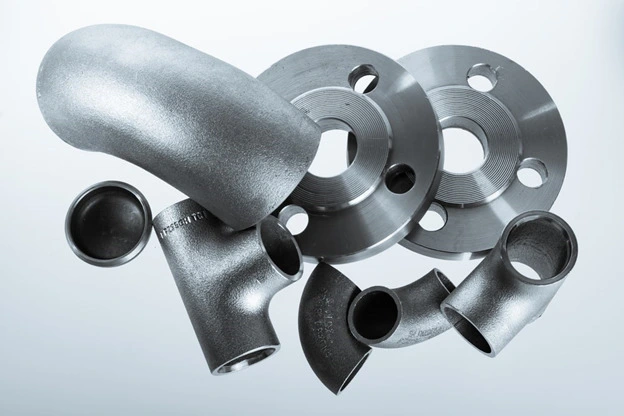
Overview of Common Industrial Pipe Fitting Materials
To choose the right materials for pipe connections, you need to know about the basic qualities that decide how reliable the system is. Each type of material has its own benefits that are best for a certain setting or set of operating needs.
Carbon Steel: Strength for Heavy-Duty Applications
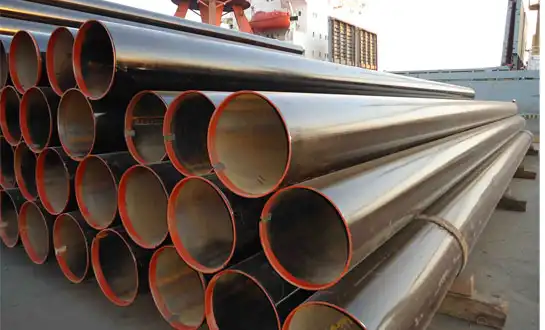
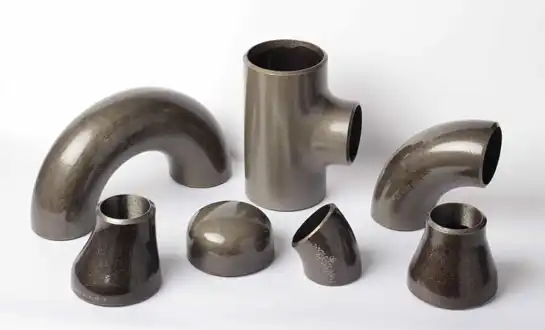
When it comes to industrial pipe systems that need to be strong and affordable, carbon steel is still the most popular choice. ASTM A234 WPB fittings have a minimum tensile strength of 60,000 psi (415 MPa), which means they can handle pressures up to 3000 psi based on the wall thickness schedule. The material is easy to install and integrate into petroleum plants, power plants, and water treatment facilities due to its excellent weldability and machinability. When carbon steel parts are made using seamless methods, they don't have any weld seams, which are usually weak spots that can crack from stress corrosion under repeated loads. Our buttweld elbows and reducers meet the dimensions required by ASME B16.9. This makes sure that projects with more than one manufacturer are compatible and that strict wall thickness limits are met from Schedule 40 to XXS.
Stainless Steel: Corrosion Resistance for Critical Systems
Corrosion problems can be solved with stainless steel parts in chemical processing, drug making, and food-grade settings where contamination risks can't be accepted. Grades 304 and 316 have between 16 and 18% chromium, which forms a passive oxide layer that can withstand acidic or chloride-rich environments. ASTM A403 stainless fittings keep their structural integrity across a wide range of cryogenic and elevated-temperature applications, up to approximately 1500°F. They last longer than carbon steel, even though they cost more at first. The material's smooth-bore surface keeps bacterial growth out of cleaning systems, which is in line with FDA and 3A standards. When looking at the total cost of ownership, the longer service life of stainless steel—often more than 30 years without replacement—balances out the higher price by reducing the need for upkeep and getting rid of corrosion-related breakdowns that cause unplanned shutdowns.
Copper and Brass: Proven Solutions for Moderate Conditions
Copper fittings work reliably in HVAC systems, potable water lines, and lines that cool things down below 400°F. The natural antimicrobial qualities of the material stop germs from growing, which means that safe drinking water can be delivered without using chemicals. While copper's excellent thermal conductivity makes it perfect for heat exchange uses, its malleability lets it be changed in the field without the need for special tools. Copper-zinc alloys, which are used to make brass fittings, make instrumentation connections and control systems that are subject to shaking, last longer. When used correctly, both materials can withstand dezincification and stress cracks. For chlorinated water systems, dezincification-resistant (DZR) brass types are suggested to keep the material from breaking down over time.
Plastic Piping: Lightweight Alternatives with Chemical Resistance
Thermoplastic fittings made of PVC, CPVC, and HDPE are becoming more popular industrial pipe fitting materials in areas where metal corrosion could be dangerous, such as handling chemicals, wastewater management, and moving corrosive fluids. Schedule 80 PVC fittings can handle pressures of up to 450 psi and are designed for 73°F. For non-critical uses, they can save you up to 60% on the cost of metal options. CPVC can handle temperatures up to 200°F, which makes it useful for hot chemical processes and industrial water systems. Because HDPE is flexible, it can adapt to changes in the ground and the expansion of heat in underground pipes. This keeps municipal water infrastructure from breaking at joints. These materials don't have to worry about galvanic corrosion and don't need much upkeep. However, they can't be used in high-performance industrial settings without metal connections because of pressure and temperature limits.
Comparing Industrial Pipe Fitting Materials for Informed Decision-Making
To get the most reliable system, you have to balance the performance features of the materials with the costs of their lives. By comparing common choices side by side, you can see important trade-offs that affect long-term running costs.
Carbon Steel vs. Stainless Steel: Balancing Cost and Durability
Carbon steel fittings are usually 30–40% cheaper than stainless steel parts that do the same job. This makes them a good choice for projects on a budget and uses that won't corrode. But carbon steel needs protective coatings or cathodic protection in places where it will be exposed to water, which adds to the cost of maintenance over many years. A case study of a chemical plant showed that carbon steel fittings had to be replaced every 8–12 years because they corroded on the outside, but stainless steel fittings that were put at the same time were still usable after 25 years. Because stainless steel is so much more resistant to rust, coating upkeep and inspections are not needed as often. This can save over 150% of the original price difference over the life of the product in corrosive settings. Stainless steel lasts longer and is better for projects with acidic condensates, marine environments, or chemical exposure. Coated carbon steel, on the other hand, works well for dry, non-corrosive indoor systems and costs less up front.
Metal vs. Plastic: Performance Under Pressure and Temperature
Metal fittings are most common in high-pressure and high-temperature situations where plastic materials can't keep their shape. Seamless carbon steel fittings can handle working pressures of more than 2500 psi at temperatures up to 750°F. PVC, on the other hand, breaks down above 140°F, and CPVC stops holding pressure above 200°F. Chemical compatibility is another way to tell these groups apart. Plastics don't react with most acids and bases that rust metals, but they break down quickly in organic solvents, aromatic hydrocarbons, and ketones that don't affect steel much. The hydrocarbon service at an oil refinery can only use metal parts because plastic doesn't work with crude products. On the other hand, PVC works well in acid neutralization systems at a wastewater treatment plant, where metal would rust and need to be replaced often. When choosing a material, it's important to think about how it will react to pressure, temperature, and chemicals all at the same time, rather than just looking at each one separately.
Real-World Performance: Corrosion and Temperature Considerations
Field experience shows how the qualities of industrial pipe fitting materials affect how they work. A natural gas distribution network originally utilized carbon steel fittings for underground service; however, within 15 years, 23% of them failed due to soil-side corrosion, despite protective coatings. Updating the system changed the distribution laterals to HDPE fittings and the high-pressure piping components to stainless steel. This cut the number of failures by 87% over the next ten years. On the other hand, a power plant tried to save money by choosing CPVC for condensate return lines that were rated at 180°F, but they failed early when operating problems temporarily raised temperatures to 220°F. These problems were fixed by replacing the failing parts with ones made of stainless steel. This shows how important it is to leave some room in the design for process changes and unexpected situations that will happen over the course of decades of service.
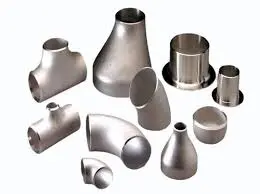
How to Choose the Best Industrial Pipe Fitting Materials for Your Industry?
Material selection needs a systematic review of operational factors against material capabilities to ensure compatibility and dependability. Different industrial areas present unique problems that demand tailored approaches.
Critical Selection Criteria for Procurement Teams
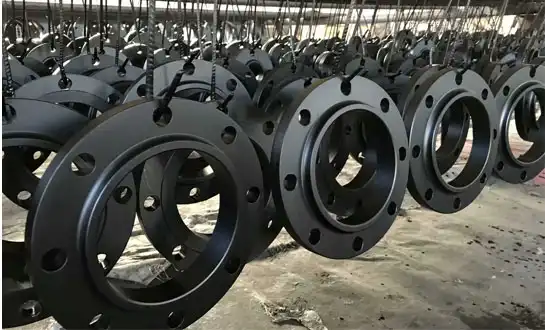
To understand mechanical strength standards, you must first know the system pressure values and safety factors that are required by codes like ASME codes, like ASME B31.1 for power piping or ASME B31.3 for process piping. Fittings need to be able to handle both steady-state stresses and changing situations, such as water hammer, thermal expansion stress, and earthquake loads. To do a chemical compatibility study, you have to look at the corrosion tables for different materials and process fluids, taking into account things like concentration, temperature, and any pollution that could make the chemicals more active. Our ANSI/DIN/JIS standard flanges feature CNC-machined sealing surfaces—including raised face (RF), flat face (FF), and ring-type joint (RTJ) configurations—to meet varied pressure classes and leak prevention requirements. A full material test certificate traceability record shows the chemical composition and mechanical properties of every heat of steel. This helps with quality assurance and compliance paperwork that is needed in regulated industries and for insurance permits.
Industry-Specific Material Recommendations
Chemical processing plants need materials that can stand up to harsh media. Grades 316 and 316L stainless steel are commonly used for many acid services, chlorinated chemicals, and high-purity uses. For hydrocarbon streams free of water or corrosive chemical contaminants, standard uncoated carbon steel is a cost-effective option. For high-pressure pipeline systems and wellhead connections, where weld integrity is very important, oil and gas operations use seamless carbon steel fittings. Offshore platforms, on the other hand, require additional qualification for sour gas service containing hydrogen sulfide (H2SH2S), which can induce sulfide stress cracking (SSC) in susceptible alloys. Depending on the width and pressure needs, municipal water systems use ductile iron, PVC, and HDPE for their distribution networks. Stainless steel is only used for pump stations and chemical feeds for treatment. Manufacturers of food and medicines must choose 316L stainless steel with sanitary finishes that meet 3A standards. These finishes must avoid crevices where bacteria can grow and include full tracking to support FDA approval paperwork.
Supplier Quality and Supply Chain Reliability
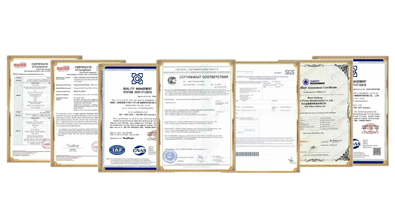
Choosing trustworthy suppliers of industrial pipe fitting materials has a direct effect on the danger of the project and the long-term success of the system. Manufacturers who have ISO 9001:2015 certification have quality management systems that keep an eye on the production process, check for errors, and handle nonconformances. Our GOST-R certification and SGS inspection or verification services verify compliance with international export regulations and maintain consistent material quality. This makes it easier for buying teams to do audits and makes sure that the quality of all shipments is the same. Some of the things that go into the supply chain that affect project schedules are production wait times, inventory access, and the ability to distribute goods geographically. When an urgent need arises, distributors who keep stock locally can speed up shipping, while direct manufacturer relationships offer expert help and customization options for unique uses. Payment terms, minimum order quantities, and framework agreement provisions all affect the total cost of acquisition in addition to unit pricing. This means that evaluating a supplier is a complex decision that needs input from stakeholders in operations, engineering, and procurement in order to balance quality, cost, and delivery needs.
Conclusion
It's important to find the right industrial pipe fitting materials by weighing their mechanical performance, resistance to corrosion, temperature range, and lifecycle costs against your unique working needs. Carbon steel provides cost-effective strength for basic services, while stainless steel offers better corrosion protection, supporting a premium price in aggressive environments. Plastics work best in moderate situations where the risk of corrosion is higher than the need for pressure or temperature. Successful procurement combines material knowledge with supplier evaluation, ensuring quality, certification compliance, and on-time delivery are all met. By matching the properties of materials to the needs of your business and working with reputable makers, you can make sure that your projects meet safety, compliance, and performance goals while keeping total ownership costs low over many years of use.
FAQ
1. What material is best for high-pressure industrial piping?
For high-pressure uses above 1500 psi, seamless carbon steel fittings that meet ASTM A234 WPB standards or alloy steel fittings that meet ASTM A335 alloy steel standards are commonly used for high-pressure and high-temperature applications. With the seamless production process, there are no weld gaps that could break when the product is loaded and unloaded over and over again. When choosing materials, you should think about the temperature and corrosive conditions where they will be used. For example, when high pressure and corrosive media are present, you may need to use stainless steel type 316 or duplex metals.
2. How do I determine chemical compatibility for pipe fittings?
Check out tables that compare the corrosion resistance of your process fluid to possible materials. These tables take into account things like concentration, temperature, and contamination. Manufacturers and trade papers, like NACE publications, give advice on compatibility. Testing programs might be needed for fluid combinations that don't happen very often or for important uses where field experience is limited.
3. Can plastic fittings replace metal in industrial systems?
Plastic fittings can be used in situations where the temperature stays between 140°F and 200°F and the chemicals don't react with them. They can't be used instead of metal in situations with high pressures (above 450 psi), high temperatures, or mechanical loads. Before replacing a material, you should look at its unique pressure levels, temperature exposure, and chemical compatibility.
4. What certifications should I require from fitting suppliers?
ISO 9001 certification for quality management, material test certificates that show the chemical make-up and mechanical features, and pressure equipment approvals like PED compliance for European projects. Approvals specific to your industry, like API, NACE, or sanitary standards, rely on the type of application and the rules that apply.
Partner with RAYOUNG for Reliable Pipe Fitting Solutions
RAYOUNG is ready to be your sole source of industrial pipe fitting materials. We offer certified parts, precision-machined flanges, and seamless steel fittings that meet the strict requirements of EPC contractors, wholesalers, and industrial end-users. Our factory is ISO 9001:2015 approved and makes buttweld elbows, reducers, and ANSI/DIN/JIS flanges with full MTC traceability and CNC-machined sealing surfaces for high-pressure uses that don't leak. Our product range meets your business needs with constant quality backed by GOST-R and SGS certifications. Whether you need carbon steel for low-cost projects or stainless steel for environments that are likely to rust, we have what you need. You can talk to our expert team at info@hb-steel.com about your needs, ask for material certifications, and get quick help that helps your projects stay on schedule while meeting safety and performance standards.
References
1. Davis, J.R. (2006). Corrosion of Weldments. ASM International, Materials Park, Ohio.
2. American Society of Mechanical Engineers (2020). ASME B31.3: Process Piping. ASME Standards Committee, New York.
3. Singh, R. (2017). Applied Welding Engineering: Processes, Codes, and Standards. Butterworth-Heinemann Technical Publications.
4. Mohan, R. & Natarajan, S. (2019). Material Selection for Oil and Gas Industry Applications. Journal of Petroleum Technology and Alternative Fuels, Volume 10, Issue 3, pp. 45-62.
5. Schweitzer, P.A. (2018). Metallic Materials: Physical, Mechanical, and Corrosion Properties. CRC Press, Boca Raton, Florida.
6. Harvey, J.F. (2013). Theory and Design of Pressure Vessels. Springer Science & Business Media, Berlin.

Need a quote? Want to see samples? Just say hello. We’re friendly. We’re fast. And we’re ready when you are.
Welcome to RAYOUNG – Strong Pipes, Stronger Promise