types of elbows Used in Industrial Piping Systems Guide
When industrial plumbing projects need to change the direction of fluid flow, it's important to know the different types of elbows available. Pipe elbows, also called elbow fittings, are very important parts of complex pipeline networks because they move liquids, gases, and slurries in different directions. Picking the right elbow design has a direct effect on how well the system works, how much it costs, and how safe it is to use in the long run. Whether you're looking for elbows for petroleum plants, water treatment plants, or HVAC setups, making sure you know which design fits your application is important for following industry standards and avoiding costly changes and downtime.
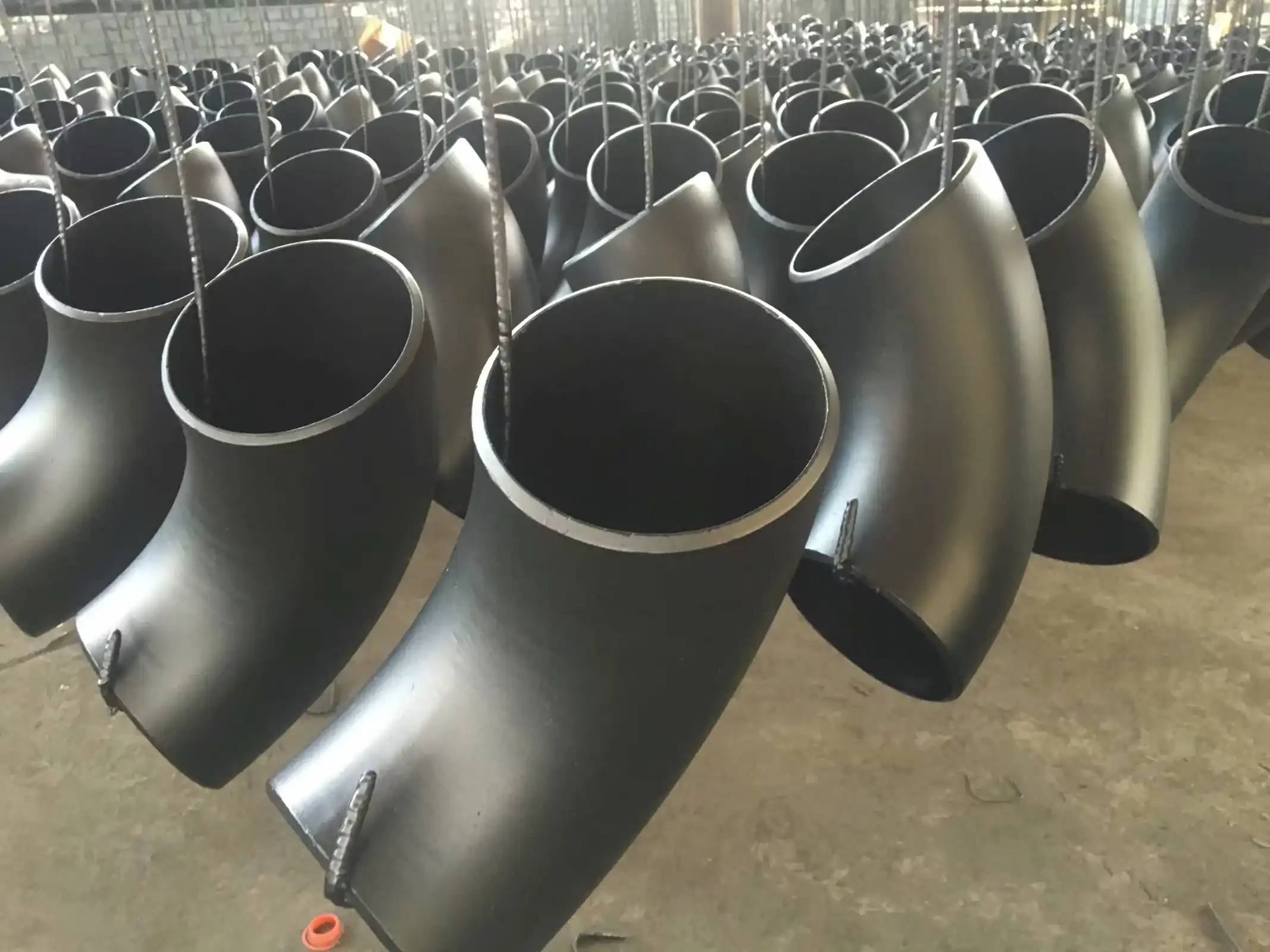
Understanding Different Types of Pipe Elbows
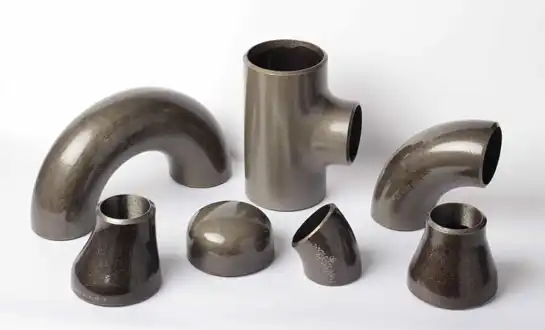
Elbow fittings help industrial pipe systems get around problems with space and find the best flow lines. These parts are very different in terms of angle, radius, how they were made, and the materials they are made of. Because of this, each one performs differently and meets different operating needs.
The Role of Elbow Joints Across Industries
Depending on the industry, elbow joints have different jobs to do. It is important for petrochemical plants to have leak-proof links, and buttweld elbows can handle harsh chemicals and high pressures. Corrosion-resistant stainless steel elbows are used in water treatment plants to keep the water quality high for decades. HVAC systems use lighter bends designed to improve thermal efficiency and make fitting easier. When procurement teams know these application-specific needs, they can avoid buying parts that don't work with the rest of the system.
Key Differences Between 45° and 90° Elbows
The angle of deflection changes the flow mechanics and structure options in a big way. A 90-degree elbow makes a sharp right-angle turn. This is often needed when room is limited, and routing needs to be compact, or when perpendicular links need to be made. Because they make it easy to connect hoses to pumps, deck drainage systems, and valves, these vertical elbows are most often used in building and structural applications.
45-degree bends, on the other hand, change directions more slowly, which lowers noise and pressure drop. These fittings work great for situations where better fluid flow is needed, like in lines where changing direction slowly keeps friction losses to a minimum. The choice between these angles relies on how much room is available and hydraulic performance. This is a calculation that has a direct effect on energy consumption and operating costs.
Seamless Versus Welded Elbow Construction
The way something is made has a big effect on how long it lasts and how well it works in harsh settings. When you hot-bend or cold-bend a solid pipe stock into a seamless elbow, you get rid of any weld gaps that could become weak spots under repeated stress or chemical attack. When used in high-pressure systems, where failure would have bad results, these fittings show that they are stronger and more reliable.
On the other hand, welded elbows are made by joining pieces of pipe together, which saves money and makes more sizes available. Joints made with modern welding methods meet strict quality standards. This means that welded options can be used in many medium-pressure situations. Stainless steel buttweld fittings offer high strength and corrosion resistance, making them suitable for applications ranging from industrial processing equipment to pressure vessels. Pressure levels, price, and weather exposure all play a role in choosing between seamless and welded designs.
Material Selection: From Stainless Steel to Carbon Steel
The chemical compatibility, temperature tolerance, and service life of a material are all based on its makeup. Stainless steel elbows don't rust and keep their shape even at very high and very low temperatures. This makes them perfect for use in food processing, medicinal manufacturing, and marine settings. Their longer life span makes up for their higher original costs by requiring less upkeep and fewer replacements.
As a commonly used workhorse material for oil and gas transfer, structural piping, and general industry uses, carbon steel elbows offer great mechanical strength at lower prices. When chemicals aren't present in large amounts, PVC elbows are commonly used in low-pressure water distribution and drainage systems operating at ambient temperatures. Copper fittings are still commonly used in plumbing and refrigerators because they keep heat in and germs out. As a reliable supplier of carbon steel piping, we ensure our materials comply with both domestic and international standards.
Technical and Dimensional Insights for Industrial Elbows
Being exact with the measurements makes sure that the parts fit well, flow well, and follow the rules. Professionals in procurement must navigate various technical factors that directly affect system performance and installation efficiency.
Essential Dimensional Parameters
Centre-to-face distance is the distance from the centre point of the elbow to the end face of the pipe. It shows how the fitting fits into current plans. Curvature tightness is controlled by radius specs, which can be either short or long. The pressure grade and structural strength are directly related to the thickness of the walls. Diameter matching makes sure that hookups with pipes next to each other go smoothly. Accurate measurements with regulated tools keep field changes and delays from costing a lot of money and time.
Understanding ANSI/ASME and DIN Standards
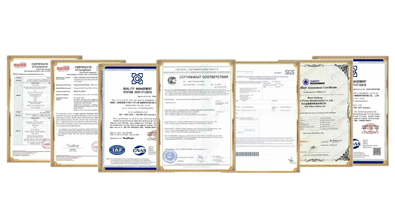
Long radius elbows are commonly sold in North America. The ASME B16.9 standard sets the dimensions, tolerances, and end preparation requirements for these elbows. Most of the time, these LR elbows have a bend radius that is 1.5 times the standard pipe diameter. This makes them less likely to cause friction and pressure drop than short radius designs. European specifications are mostly based on DIN standards, but there are some small differences in sizes that need to be taken into account when buying things from other countries. Our GOST-R and SGS certificates prove that exports are legal under a number of different regulatory systems. This takes the guesswork out of projects that span borders.
Short Radius Versus Long Radius Elbows
Long-radius bends make flow changes easier by reducing turbulence and energy loss. These are important benefits in fluid systems where efficiency affects costs directly. Their bigger size means they need more mounting room, but they work better with hydraulics. Short radius elbows have a centre-to-face radius equal to the nominal pipe diameter (1D). This makes them better for tight areas because they can be used in smaller designs. But they cause more pressure to be lost, so they should only be used when room limits are more important than efficiency. To get the best layout and operating performance, engineers have to weigh these trade-offs against the needs of the particular project.
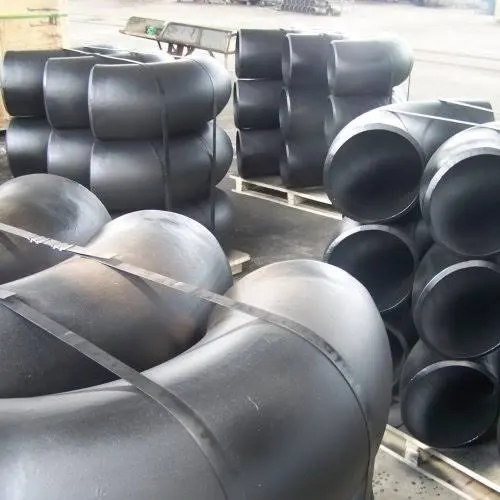
Comparing Elbow Types for Optimal Industrial Use
Installations that go well and ones that don't depend on matching the elbow's features to the needs of the job. The criteria for performance are very different for different materials and situations.
Performance Across Materials and Designs
Because they are so strong and can handle high temperatures, steel elbows are used in most high-pressure industrial settings. Copper fittings work great in HVAC systems and systems that handle potable water because they are good at conducting heat and killing germs. PVC choices are inexpensive and work well in low-pressure, room-temperature situations. In chemical processes and offshore settings, where early failure can cause safety issues and production stops, corrosion protection is very important.
A chemical plant recently ordered stainless steel butt weld elbows for all of its process pipes because carbon steel joints that were exposed to acidic vapours kept breaking down. The change got rid of unexpected shutdowns and shortened the time between inspections. This shows that choosing the right materials can lower the total cost of ownership even if they cost more at first.
Applications in Plumbing, Gas Lines, and Chemical Processing
Copper or PVC elbows are often used in both residential and business plumbing because they are easy to install and meet building codes. Steel fittings rated for dangerous gas service are needed for natural gas distribution systems. These fittings must be threaded or welded in a certain way. For chemical processing, you need materials that can work with the process fluids. For example, corrosion-resistant metals need to be made from stainless steel, and ultra-pure uses need special polymers. Each situation has its own safety and performance requirements that buying choices need to take into account.
High-Pressure and Hot Water System Requirements
Elbows that are made for harsh temperatures are needed for systems that work above 300 psi or above 400°F. Even at high temperatures, stainless steel stays strong because it doesn't rust or scale. Pressure class ratings such as 150, 300, 600, or higher provide appropriate design pressure limits to prevent catastrophic failure. Spacing and support design are affected by thermal expansion, and where the elbows are placed affects how stress is distributed across the network. For these tough uses, you need high-quality fittings that work reliably over time and in harsh working circumstances.
Purchasing Pipe Elbows: Procurement Strategies for B2B Clients
Quality assurance, competitive price, types of elbows, and supply chain stability must all be balanced for buying to work well. Strategic methods keep costs low and project risks to a minimum.
Bulk and Wholesale Purchasing Pathways
Direct connections with manufacturers that offer volume discounts and focused technical help are good for big projects. Distributors and trade companies keep a lot of products in stock locally, which cuts down on lead times for common setups. Stockists keep widely ordered things ready to be sent out right away, which is helpful when project deadlines get squished out of the blue. Building relationships with dependable suppliers guarantees regular quality and stable supply lines that encourage customers to buy from you again and again and form long-term partnerships.
Custom-Manufactured Elbow Solutions
Custom manufacturing is often needed for curves that aren't standard, diameters that are too big, or materials that aren't common. Misunderstandings that slow down projects can be avoided by making technical details like material approvals, dimensional limits, testing requirements, and delivery plans very clear. Giving manufacturers thorough drawings and links to relevant standards helps them give accurate quotes and deliver goods that meet standards. Custom solutions are good for solving specific problems, but they take longer to make and cost more, so it's important to plan your purchases early on.
Pricing Factors and Negotiation Strategies
The prices of materials change with the prices of commodities, especially for copper, metals, and stainless steel. Unit prices are directly related to the number of orders, with bigger orders resulting in bigger savings. Manufacturing prices are affected by how complicated the fabrication is, such as whether it is seamless or bonded, standard or special. Conditions for payment, shipping times, and quality approval needs are all things that can be negotiated. Building ties with suppliers over a number of projects makes it easier to negotiate and gets you special treatment when there are capacity or material shortages.
Assessing Supplier Logistics and Support
Reliable sellers have strong logistics skills and send full items on time and without damage. After-sales support, such as professional help, insurance coverage, and helpful customer service, is very helpful when there are questions about installation or problems that need to be fixed. Getting ISO 9001:2015 approval shows that you are committed to quality management systems that cut down on defects and make sure they can be tracked. By looking at these things, you can keep project schedules and funds safe and build relationships that will help you succeed in the long run.
Leading Brands and Supplier Reviews in Industrial Elbows
Established makers have track records that can be relied on and offer a wide range of products that make the design and purchasing processes easier.
Top-Tier Brands in Industrial Markets
Victaulic was the first company to make grooved mechanical pipe systems that were easy to install and worked well in a wide range of situations. Parker makes parts that are precisely designed to work with hydraulic and pneumatic systems in harsh industrial settings. Sigma focuses on providing solutions for the process business, offering a wide range of materials and engineering help. These brands have strict quality control and testing procedures that make sure their goods always meet the stated specifications.
Comparing Leading Manufacturers
Georg Fischer focuses on making metal and plastic parts that don't rust for the water treatment and chemical processing industries. They have a lot of scientific information to help choose the right materials. Tyco specialises in fire safety systems and sells UL-listed parts that meet strict safety standards. When buying teams compare technical specs like pressure ratings, temperature limits, material grades, and related standards, they can find solutions that meet their needs and stay within their budget. We make a wide range of industrial pipe fittings, such as buttweld steel elbows and steel reducers, that meet similar quality standards while being more affordable and easier to customise than our competitors.
Sourcing from Local and International Suppliers
Although they might be more expensive, domestic providers offer shorter lead times, easier communication, and simpler quality checks. Sourcing goods internationally offers access to a broader product selection at competitive prices, though it introduces logistics and lead-time challenges. Verifying licenses, looking over quality paperwork, and auditing suppliers are all ways to lower the risks that come with working with new vendors. Suppliers that can meet complex industry needs across multiple projects and places are reliable if they have strong distribution networks and good credentials.
Conclusion
To choose the right elbow fittings, you have to weigh the technical requirements against the needs of the application, your budget, and the supplier's skills. When procurement workers know the differences between angles, radii, manufacturing methods, and materials, they can choose parts that improve system performance while keeping prices low. Strategic ties with suppliers protect project plans and operational safety by ensuring uniform quality and on-time delivery. As a top maker of pipes and fittings, we know that making smart choices today can save you a lot of money in the long run. That's why knowing all of your options for pipe elbows is so important for a successful purchase.
FAQ
1. How do I determine the appropriate elbow type based on system requirements?
Check the working pressure, temperature, fluid properties, available room, and any relevant rules. Heavy-wall elbows with the right pressure class ratings are needed for high-pressure systems. Fluids that eat away at metals need strong materials like stainless steel. Because of hydraulic problems, short radius shapes may have to be used in tight areas. Getting help with flow estimates and stress analysis makes sure that the choices made meet both practical and safety standards.
2. What benefits do stainless steel elbows provide?
Elbows made of stainless steel don't rust when exposed to different chemicals, stay strong at high temperatures, and last longer with little upkeep. Their long life means they don't need to be replaced as often, and there is less chance of downtime, which justifies a higher initial investment in difficult situations where dependability is key to keeping operations running and keeping people safe.
3. Can welded elbows be used in high-pressure environments?
Modern butt-weld elbows are made, tested, and put in a way that meets strict standards for high-pressure work. The ASME B31.3 process plumbing code describes how to weld, how to test without damaging the pipe, and the quality standards that must be met to make sure that the joints don't leak. Qualified welders, the right heat treatment, and a radiographic check make sure that the joints are solid. This means that welded construction can be used for tough jobs and is cheaper and smaller than smooth options.
Choose RAYOUNG as Your Trusted Pipe Elbow Supplier
We manufacture high-precision buttweld steel elbows, reducers, and flanges that comply with strict international standards. These standards include ISO 9001:2015, GOST-R, and SGS certifications. Our wide range of products meets all design needs, from standard shapes to unique curves, and has been used to support water, gas and industrial process systems for years. We've been working with EPC contractors, dealers, and industry end-users around the world for decades, so we know how important it is for your project that the quality of the parts you get is always the same. Email our technical team at info@hb-steel.com right now to talk about your unique needs and get a thorough quote. We offer low prices, quick service, and reliable delivery times to make sure that your pipe systems are built to last and work efficiently from the start.
References
1. American Society of Mechanical Engineers. (2020). ASME B16.9: Factory-Made Wrought Buttwelding Fittings. New York: ASME Press.
2. Nayyar, M. L. (2019). Piping Handbook (8th ed.). New York: McGraw-Hill Education.
3. Kuppan, T. (2018). Heat Exchanger Design Handbook (2nd ed.). Boca Raton: CRC Press.
4. British Standards Institution. (2017). BS EN 10253: Butt-Welding Pipe Fittings. London: BSI Standards.
5. Ellenberger, J. P. (2016). Piping and Pipeline Calculations Manual: Construction, Design Fabrication and Examination. Oxford: Butterworth-Heinemann.
6. Antaki, G. A. (2021). Piping and Pipeline Engineering: Design, Construction, Maintenance, Integrity, and Repair. Boca Raton: CRC Press.

Need a quote? Want to see samples? Just say hello. We’re friendly. We’re fast. And we’re ready when you are.
Welcome to RAYOUNG – Strong Pipes, Stronger Promise