What are corrosion-resistant flanges used for in Pipelines?
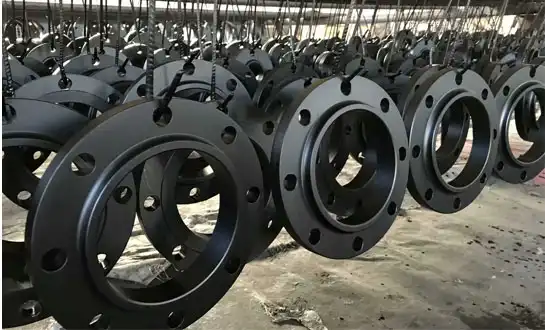
Corrosion-resistant flanges serve as specialized mechanical connectors designed to join pipes, valves, and equipment while preventing degradation caused by chemical attack, moisture, and environmental exposure in pipeline systems. These flanges utilize advanced materials like stainless steel, duplex alloys, and specialized coatings to resist rust, pitting, and material breakdown, ensuring leak-proof sealing and structural integrity throughout their operational lifespan. Industries such as chemical processing, offshore oil and gas, water treatment, and petrochemical facilities rely on these components to maintain system reliability, reduce maintenance costs, and comply with safety regulations in harsh operating conditions.
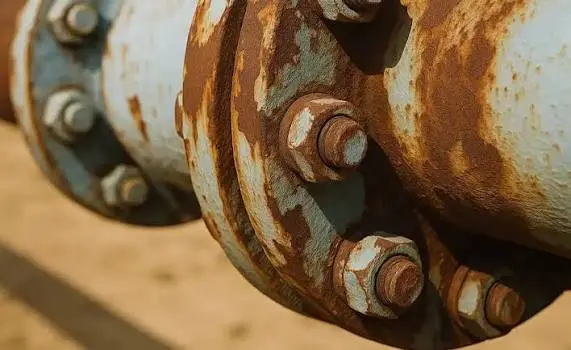
Understanding Corrosion-Resistant Flanges in Pipeline Applications
The quality of the pipeline component is closely related to the success of the project, the safety of operations, and long-term maintenance costs. In severe environments, normal carbon steel flanges degrade quickly. This may lead to leaks, failures, and expensive downtime. For this reason, many users prefer flanges designed to withstand harsh environments.
What Defines a Corrosion-Resistant Flange?
Some materials for corrosion-resistant flanges are radically different from the norm. They also make the surface significantly distinct. It’s probably OK to use conventional flanges in safe areas, but these particular parts are designed with metals and coatings that actively stand up to assault from chemicals. This distinction is especially essential when you are transferring acidic fluids, saltwater, or harmful gases, since the material you pick will directly affect the longevity of the system and the level of safety you can maintain.
Material Categories and Their Protective Properties
Materials must behave differently in diverse corrosive conditions. Stainless steel alloys with chromium generate a passive oxide film that may self-heal in the case of injury and hence can assist in avoiding general corrosion under acceptable circumstances. Duplex and super duplex stainless steels have a microstructure that consists of ferritic and austenitic phases. They have greater strength and higher resistance to corrosion from chlorides, which is vital for goods that are utilized in the ocean and constantly exposed to saltwater.
PTFE-lined flanges are used to keep corrosive substances from the metal flange body. That's why they do nicely with acids and bases that are very corrosive. Rubber-coated alternatives are an affordable way of protecting against corrosion in some water and chemical service applications. This is particularly true for water treatment facilities dealing with somewhat acidic fluids.Ceramic and epoxy coatings provide an additional layer of protection, enhancing chemical resistance, mechanical durability, and overall service life.
How Do Corrosion Mechanisms Affect Flange Performance?
By understanding the many types of rust, buying teams can make the best choices. Whereas ordinary corrosion takes time to remove material from surfaces, pitting can create deep holes at localized points and cause catastrophic failures even when the overall surface appears only slightly affected. Areas with limited air movement, such as the spaces between flanges and gaskets, can accelerate crevice corrosion. Stress corrosion cracking is the combination of tensile stress, a vulnerable material, and a corrosive environment that breaks down rapidly and readily. Each device has to be built from the correct components to perform as intended, and safety precautions must be followed.
Why Are Corrosion-Resistant Flanges Essential in Pipeline Systems?
The selection of materials for the flanges will have a direct bearing on the cost of the work, how safe it is, and how long it will run. The purchase price is one thing, but there are also lifetime expenses, being compliant, reducing risk, and other factors. All elements must be taken into consideration by procurement specialists when choosing parts.
Industry Applications Demanding Corrosion Protection
In chemical processing factories, acid solutions, strong acids, and volatile chemicals are employed, and they break down regular materials extremely fast. Corrosion-resistant flanges on these buildings prevent leaks that may be hazardous to humans and the environment. Offshore oil and gas platforms are constantly being wetted and sprayed with salt water, and therefore, for months on end, the exposed steel rusts. Marine-grade flanges are able to withstand repeated exposure to chloride-rich conditions without experiencing any harm.
Water treatment systems handle fluids containing corrosive substances such as chlorine, sulfates, and other aggressive chemicals. Highly aggressive chemicals such as chlorine dioxide and sodium hydroxide are frequently encountered in wood and paper pulp mills. Places that transport energy vapor and cooling water have varying pH values. Since varied uses mean different corrosion problems, materials have to be suited to the chemicals and the method they will be used.
Tangible Benefits Driving Adoption
This is a significant gain since the pipeline will last longer. Using the proper materials for corrosive service may greatly extend the life of your equipment, compared to systems that use the wrong materials. As the work progresses, capital expenses will fall, and repair expenditures will be deferred.
You will have lower operating expenses if you don’t have to undertake so much maintenance. If the service is acidic, standard flanges may have to be inspected every six months. With proper corrosion-resistant selections, the inspection interval may be extended to 24 to 36 months. It reduces labor costs, minimizes process interruptions, and allows support teams to concentrate on the most critical tools.
Preventing premature joint deterioration and leakage is another important benefit. Chemical facilities must also comply with applicable regulations governing leak prevention and process safety. Insurance companies usually provide cheaper rates for structures that have corrosion prevention measures since these buildings are less likely to have accidents.
Real-World Performance Data
Leaks around corrosion-resistant flanges went down by 75% at a plant on the Gulf Coast after parts made of duplex stainless steel were used instead of carbon steel when sour water was present. Three big problems didn't happen over the next five years because of the upgrade. It got rid of the need for monthly maintenance. Instead of steel, the city water company switched from seven years to twenty years between flange repairs for chlorine water lines. This saved them around $340,000 over the life of their network of stores.
How to Choose the Right Corrosion-Resistant Flanges for Your Pipeline Project?
When picking the right flanges, you should carefully think about how they will be used, the material's traits, and how easy it will be to get them. Some of the people who make decisions have to make sure that standards are met while also keeping professional needs in mind.
Environmental Factors Guiding Material Selection
Chemical compatibility is the most critical factor to evaluate. Hydrochloric acid can aggressively attack many stainless steels, while nickel-based alloys generally provide better resistance in selected hydrochloric acid services. Whether 316 stainless steel is suitable depends on the sulfuric acid concentration, temperature, and service conditions; more corrosion-resistant alloys may be required for severe environments. Alkaline conditions may require stainless steel instead of carbon steel when chlorides are present.
The rate of corrosion changes quickly as the temperature rises or falls. When the temperature rises above the intended operating range, materials that perform well at room temperature may corrode more rapidly. The amount of stress at the flange faces can also change because of pressure. Materials that are prone to stress corrosion cracking could be affected by this. When chemical attack and mechanical wear happen at the same time, erosion-corrosion happens. This is why metals need to be stronger and more durable.
Material Comparison for Common Scenarios
304 stainless steel is cost-effective and suitable for mildly acidic environments. It can handle normal water service and be left open to the air. Molybdenum is added to Grade 316 to make it stronger against chlorides. It is now the norm in places like chemical processes and the ocean. Duplex grades such as 2205 typically have about twice the yield strength of common austenitic stainless steels and are better at stopping chloride stress corrosion cracking. Because of this, they cost more in marine and salinity applications.
Alloy 625 and C-276 are the best materials to use for severe rust when hot acids or a mix of oxidizing and reducing agents are present. While these nickel-based alloys command a higher premium, their performance is indispensable in extremely severe service conditions. At room temperature, PTFE-lined flanges are the most resistant to chemicals. They keep carbon steel bodies safe while keeping the low cost for uses that aren't structural.
Procurement Considerations for B2B Buyers
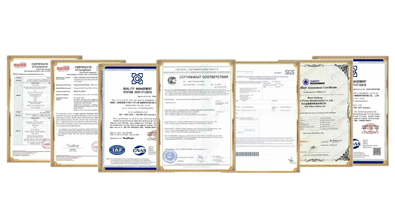
Certification of the seller makes sure that the things are of good quality and that the materials are real. If a product is approved by ISO 9001:2015, it means that it has a good quality management system. API and ASTM material test reports check for chemical makeup and mechanical traits. Approvals from GOST-R and SGS demonstrate compliance with export regulations and international standards, which is critical for global procurement.
Lead times depend a lot on how easy it is to get the supplies you need. Standard stainless steel flanges may ship within weeks, whereas casting and testing exotic alloys can require several months. Prices change based on how much you order. Because of economies of scale, it's cheaper to keep more goods on hand when you buy more. The extra time and money that global logistics adds to transportation affect project schedules. Experts like RAYOUNG can help you pick the right supplies, keep a lot of them in stock, and let you order in different ways to get them in time for your job.
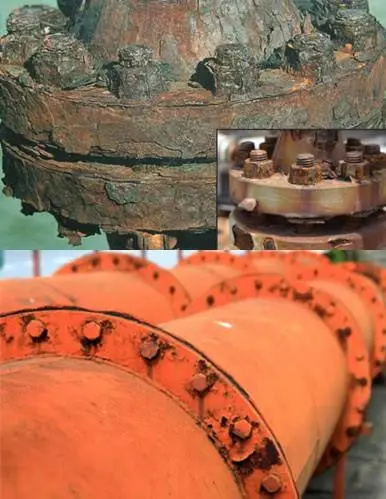
Maintenance and Longevity of Corrosion-Resistant Flanges in Pipelines
If you take good care of your corrosion-resistant flanges, they will give you the best return on your money. Even the most modern materials can last longer and not break down when you least expect them to if they are inspected and cared for regularly.
Inspection Protocols and Frequency
Visual inspection is the primary method for routine condition monitoring. Trained people check the sides of flanges for rough spots, stains, or layers that could mean rust has begun. A study of the bolt's state looks for signs of rust, thread damage, or elongation that could change how well it grips. It is important to look at the surfaces of gaskets for any marks, scratches, or corrosion that might make sealing less effective.
It depends on how bad the service is and how often you check. For uses that are very corrosive, checks should be made every three months for the first year. After that, they should only be done once a year, after the standard performance has been set. Checks might only need to be done every two years in places that aren't as dangerous. Testing for ultrasonic thickness finds out how much material has been lost in places that can be reached. This gives us a way to objectively measure how much life is left.
Preventative Maintenance Best Practices
It is essential to ensure the flange face is in optimal condition prior to installation. While not in use, parts should be kept in their original boxes and inside, away from water and other harmful substances. In the long run, how something is set up makes a big difference in how well it works. Thoroughly clean the flanges to get rid of any mill scale, rust, or other junk before putting them together.Fasteners must meet the required material specifications to ensure compatibility. Additionally, bolts should be properly lubricated to achieve uniform load distribution.
Bolts are tightened in a certain way and with a certain amount of force so that the stress is spread out evenly across the face of the joint. Something will rust faster if you load it randomly because you create stress points and leak tracks. To account for the effects of gasket tension and thermal expansion, the bolts need to be tightened again after thermal cycling. This is done after the first start-up.
Early Detection and Troubleshooting
If you catch rust early, you can fix it before it gets worse. Surface coloring is often a sign that rust is beginning to form. Rust stains on stainless steel, for instance, show that the metal is dirty or doesn't meet the standards. If the flange joints leak, it means that either the seal is wearing out or the bolts are loosening. This needs to be fixed right away. Tests of the process fluid can show that the material is still being attacked by iron or chromium ions, which are signs of rust.
Root cause analysis finds out if the problem was caused by the materials used, how they were put together, or how they were used when rust starts to form. Better materials, changes to the process to make it less corrosive, or better coatings that protect are all things that could be done. You can use test results, maintenance actions, and performance trends to decide when to replace parts and how to improve specs for future projects if you keep track of them.
Conclusion
Corrosion-resistant flanges protect pipeline systems from corrosion that could threaten safety, compliance, or productivity. Picking the right materials for the job makes tools last longer, keeps maintenance costs low, and stops problems before they happen. Chemicals, temperature, pressure, and other environmental factors must be weighed against the material's properties in order to make the right specification. Parts last longer when they are checked and cared for regularly as part of a maintenance plan. You can get certified goods, expert help, and a stable supply chain from providers you can trust. These are all things that are necessary for a project to succeed. When buying, professionals know these things; they can make smart decisions that lower the total cost of ownership while still making sure the product works well in the long run.
FAQ
1. How long do corrosion-resistant flanges typically last?
Service life is based on the material used, how it is used, and how well it is taken care of. If the weather isn't too bad, stainless steel flanges can often provide several decades of service when properly selected and maintained. If the air is very acidic, they might need to be changed every 10 to 15 years. Most of the time, duplex materials can provide a long service life in offshore applications when properly selected and maintained. Inspections and maintenance done on a regular basis find problems early and extend equipment service life.
2. Can I retrofit corrosion-resistant flanges into existing systems?
Retrofitting is possible as long as the new flanges are the same size as the old pipes. Other size rules, like ASME B16.5, make sure that parts made by different companies can be used with each other. Because of this, you need to make sure that the bolts, seals, and other parts that fit with the new flange will still work with the old one. For weld neck flanges, the pipes need to be cut and re-welded. Slip-on and threaded types, on the other hand, are easier to fix because the pipes don't need to be changed as much.
3. What standards govern corrosion-resistant flange specifications?
From NPS 1/2 to NPS 24, ASME B16.5 talks about pipe flanges and flanged fittings. It has a list of the sizes, standards, materials, and limits for pressure and temperature. API 6A specifies requirements for wellhead and Christmas tree equipment used in oil and gas production. ASTM guidelines describe what things are made of and how they work. One example is A182, which covers cast metal and stainless steel flanges, and A105, which covers carbon steel forgings for piping applications. European rules make sure that everything works together all over the world by following international norms like DIN and EN.
Partner with RAYOUNG for Reliable Corrosion-Resistant Flange Solutions
We at RAYOUNG can help you with your pipeline projects by giving you high-quality corrosion-resistant flanges that don't rust. These flanges have been approved by ISO 9001:2015 and have been used successfully in many different industries. Our large selection of goods includes aluminum, stainless steel, and flange forms that are made to order to meet ASME, ASTM, and other international standards. We keep a lot of stock on hand so that we can get things to you quickly. We can also make changes to fit the needs of each project. You can get help from our technical team in picking the best materials for your needs. These materials will work well and save you money. Get in touch with us right away at info@hb-steel.com to talk about your flange needs with a company that cares about quality, reliability, and customer happiness.
References
1. American Society of Mechanical Engineers. ASME B16.5: Pipe Flanges and Flanged Fittings. New York: ASME Press, 2020.
2. Davis, J.R. Corrosion: Understanding the Basics. Materials Park, OH: ASM International, 2000.
3. NACE International. Corrosion Management in Pipeline Systems: A Practical Guide. Houston: NACE International, 2018.
4. Revie, R.W., and Uhlig, H.H. Corrosion and Corrosion Control: An Introduction to Corrosion Science and Engineering. Fourth Edition. Hoboken, NJ: John Wiley & Sons, 2008.
5. American Petroleum Institute. API Specification 6A: Wellhead and Christmas Tree Equipment. Washington, DC: API Publishing Services, 2019.
6. Singh, Raman. Corrosion Control for Offshore Structures: Cathodic Protection and High-Efficiency Coating. Cambridge, UK: Woodhead Publishing, 2014.

Need a quote? Want to see samples? Just say hello. We’re friendly. We’re fast. And we’re ready when you are.
Welcome to RAYOUNG – Strong Pipes, Stronger Promise