Corrosion Resistance Flanges: Materials and Protection Methods
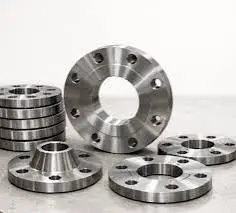
Corrosion damage: Expensive industrial pipe failures serve as a constant reminder of corrosion damage. Corrosion-resistant flanges are made from corrosion-resistant materials and special surface treatments to protect your pipeline systems from chemical assault, ocean exposure, and extreme temperatures. These high-quality connectors are crucial connections on refineries, offshore platforms, and chemical processing units. They are produced from stainless steel alloys such as 316L, nickel-based alloys such as Inconel, and duplex steels. Their reliable sealing performance can also reduce the risk of leaks, potentially reducing emergency shutdowns that can disrupt production schedules and increase maintenance costs. They are safeguarded against degradation by means of passivation layers and protective coatings.
Understanding Corrosion-Resistant Flanges: Definition and Materials
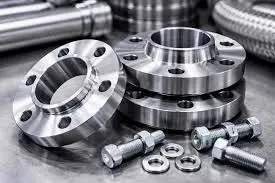
Corrosion-resistant flanges are structural pipe system connectors in which the normal carbon steel parts are vulnerable to failure when exposed to moisture, chemicals, or high temperatures that are corrosive. Normal flanges may fail in a very short time in hostile conditions. Corrosion-resistant fittings may endure for decades if properly chosen and maintained.
Key Materials That Resist Corrosion
Stainless steel is the most common material used for corrosion-resistant flanges. This is because it contains chromium, which creates a self-healing oxide coating. For chemical and marine applications, the best grade is 316L because of the presence of molybdenum, which enhances resistance to chloride and acidic conditions. The higher nickel and molybdenum content of 904L allows it to perform better in highly corrosive environments, including certain chemical processing applications. Both ferritic and austenitic microstructures are present in duplex and super duplex steels. They have approximately twice the yield strength of standard austenitic stainless steels and provide improved resistance to chloride stress corrosion cracking in chloride-containing environments.
Nickel alloys represent the pinnacle of corrosion-resistant materials. Monel alloys are resistant to hydrofluoric acid and salt water. Inconel has mechanical properties in the temperature range of over 1000°F. Hastelloy metals can withstand the most severe chemical service for which even the best stainless steels are not suited. The exotic materials cost more, but they will last longer in ultra-corrosive settings and won’t need to be replaced as often.
Passivation and Protection Mechanisms
Corrosion resistance is all about establishing barriers based on corrosion science. When oxygen reacts with the chromium atoms in stainless steel, it generates a very thin layer of chromium oxide. When sufficient chromium is present in the base metal, this passive coating will self-repair when scratched. They are also safety barriers and maintain their flexibility when heated and chilled. NACE International’s material selection guidelines assist engineers in matching metallurgical properties with specific corrosive media. This is a critical step in ensuring system reliability and preventing premature failures.
Types and Coating Methods for Corrosion-Resistant Flanges
Choosing the right flange configuration affects both how quickly and how well it works in the long run. Each design takes into account different connection requirements and operating stresses.
Common Flange Configurations
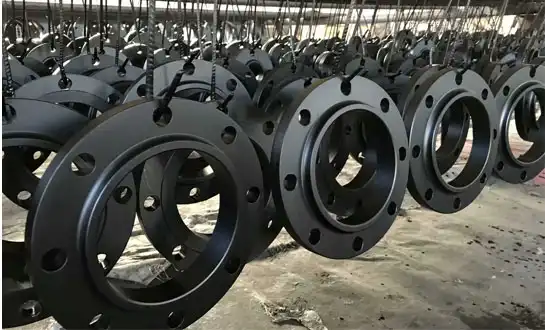
Weld neck flanges are the best link because the pipe and flange get gradually thinner. This makes them perfect for high-pressure petrochemical lines that experience cyclic stress. Their long, curved hub spreads loads out well, which keeps stress cracks from forming near weld zones. Slip-on flanges are easier to assemble because they just slide over the ends of the pipes. They need two fillet welds, one inside and one outside. When installation speed is more important than ultimate strength, these flanges work well in low-pressure situations.
Blind flanges either seal the ends of a pipeline or seal pipeline openings and allow systems to be isolated for inspection and maintenance and cleaned. Maintenance crews in chemical plants like these plates that can be taken off and used to service equipment without having to drain whole systems. Socket weld flanges work with small-bore pipes that are less than two inches in diameter. They have a shoulder that makes sure the pipe depth is right before joining. Threaded flanges get rid of the need for welding completely. This protects the zinc coatings on fire protection systems and makes installation safe in dangerous areas where hot work permits are hard to come by.
Advanced Coating Technologies
Surface treatments make corrosion-resistant flanges last longer than the base material can. Epoxy powder coatings make thick films that keep metal away from fluids that can damage it. These thermoplastic layers chemically stick to clean surfaces and stop chemicals and abrasion from getting through. Zinc galvanizing is still a popular way to protect against atmospheric corrosion, but it doesn't work as well in acidic or hot conditions. Hot-dip galvanizing produces thicker, more durable coatings than electro-galvanizing.
High-performance linings address specialized needs. PTFE linings provide near-universal chemical resistance for pharmaceutical and semiconductor piping, while rubber linings absorb impact and resist slurry abrasion in mining operations. Ceramic coatings withstand temperatures and erosion that destroy organic materials. Surface finishing techniques like electropolishing remove surface contaminants and micro-crevices where corrosion initiates, creating ultra-smooth profiles that prevent bacterial growth in food processing systems.
Industry Standards and Compliance
ASME B16.5 sets the standards for flange dimensions, pressure-temperature ratings, and materials for sizes up to NPS 24. This makes sure that they can be used anywhere in the world. ASME B16.47 adds standards for bigger diameters that are common in power plants and offshore platforms. Chemical limits and mechanical qualities are set by ASTM material standards. For example, ASTM A182 covers forged stainless and nickel alloy flanges, and ASTM A105 covers carbon steel forgings. API 6A standards require strict testing procedures for wellhead and Christmas tree equipment used in oil and gas production. By reviewing mill test results and third-party inspection reports to verify that products meet the specified requirements, procurement teams can confirm compliance and reduce liability risks.
Comparison and Selection: How to Choose the Best Corrosion-Resistant Flange for Your Needs?
You need to know more about the economics of the complete lifetime than simply the initial purchase price to pick between standard and corrosion-resistant flanges. A carbon steel flange could be half the price of a stainless steel flange, but in a corrosive climate, the savings rapidly disappear if the flange requires replacing every three years.
Performance Analysis in Aggressive Media
Replacement intervals are dictated by the material's corrosion rate.The corrosion rate of carbon steel in saltwater is typically between 20 and 50 mils per year, depending upon flow conditions, temperature, oxygen concentration, and other environmental parameters. That implies a plate may lose its structural integrity in five years. Type 316 stainless steel slows this down to less than 1 mil each year; thus, it will survive for almost twenty years. Even lower rates are achieved by super duplex alloys in high-chloride brines. These discrepancies have immediate consequences for maintenance costs and for the capacity to sustain manufacturing goods.
Galvanized carbon steel is a solid option for weather exposure. The security of the base metal is sacrificed for the security of the zinc covering. This protection may last 10-15 years in moderate industrial environments. However, once the sacrificial zinc layer is depleted, rapid oxidation of the base metal commences. Painting over galvanizing or epoxy layers may prolong this safety window, but it is a more expensive option and takes longer to cure.
Application-Specific Selection Guidance
If materials are matched to service conditions, items won't be over-specified or break down prematurely. For saltwater applications, super duplex or titanium flanges are often preferred because they provide strong resistance to pitting and crevice corrosion under marine conditions. In chemical processing, it is vital to check the rust tables closely. For example, concentrations of sulfuric acid exceeding 80% will attack stainless steel but not much carbon steel. This is why generic advice doesn't work.
Oxidation at high temperatures requires a different metal than rust, which occurs when it is moist. Inconel 625 may be heated and cooled repeatedly at 1800°F without losing strength or corroding in gas turbine exhaust systems. Acidic condensate demands nickel alloys or high-molybdenum steel grades in flue gas desulfurization facilities. For projects looking to keep under budget while dealing with non-corrosive fluids such as natural gas or compressed air, carbon steel with protective coatings is a better option than more costly alloys. This concentrated approach offers safety margins and reduces the overall cost of ownership.
Procurement Guide for Corrosion-Resistant Flanges: Sourcing, Pricing, and Delivery
Smart buying strikes a balance between quality control and keeping costs low. The lowest price often comes with hidden risks, like using low-quality materials, not having all the necessary licenses, or shipping delays that stop building plans.
Supplier Verification and Quality Assurance
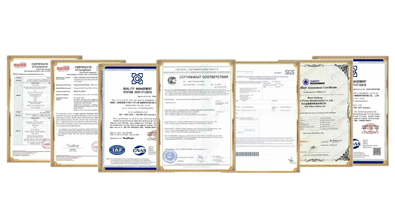
Suppliers you can trust give you a lot of paperwork. Mill test reports link the chemical make-up and mechanical features of materials to specific heat lots, which lets you recall them if problems show up. Before shipping, third-party inspection reports from companies like SGS or Lloyd's check the accuracy of the measurements and the state of the surface. Systematic quality management is shown by ISO 9001:2015 certification, and authorization to make pressure-retaining parts is shown by API monograms or ASME stamps.
For important items, ask for positive material identification tests. In seconds, PMI testers prove the makeup of an alloy, finding changes that make it less resistant to corrosion. Pressure stability is checked by hydrostatic testing. This is especially important for forged parts such as corrosion-resistant flanges that may have flaws inside them. Suppliers with a good reputation take these steps because they keep both parties from being held responsible.
Pricing Structures and Negotiation Strategies
Feed prices are based on the cost of materials. When it comes to the same size and pressure class, standard 316L stainless steel flanges cost three to five times more than carbon steel ones. This is even higher for exotic metals. For example, Hastelloy C-276 plates cost ten times more than carbon steel. Size is also important. For instance, fabricating a 24-inch Class 600 flange demands significantly more raw material and machining time than a 4-inch Class 150 fitting. Bulk purchasing unlocks significant savings. Consolidating purchases across multiple projects leverages buying power. Distributors and stockists keep common sizes and popular materials in stock.
Regional Manufacturing Landscape
North American manufacturers stress ASME compliance and the use of materials from the United States, which makes them appealing to projects that need to buy American. European manufacturers have a lot of experience with metals and can certify their pressure tools with things like CE marks and PED compliance. Asian producers, especially those in China, offer low prices and higher quality standards. GOST-R certification shows that a project meets the technical standards set by Russia for projects in the area.
Logistics planning affects total delivered cost. It takes 6 to 8 weeks to ship a container from Asia, plus time to clear customs. Air freight cuts this down to days, but it costs more to ship. Domestic suppliers ship within a few weeks, which lowers the costs and risks of keeping inventory on hand. Lead times for custom or large-diameter flanges can be 12 to 16 weeks, no matter where they come from. This means that EPC contractors managing critical path activities need to plan their purchases early on.
Maintenance Tips to Extend the Life of Corrosion-Resistant Flanges
To last as long as they were meant to, even the best products need to be properly cared for. If you don't take care of your flanges, they can leak, which can cause unplanned shutdowns and safety risks.
Routine Inspection Protocols
During turnarounds, visual checks find early warning signs. If you see rust around the bolt holes, that means there is crevice corrosion from water getting stuck. When the coating cracks or peels, it means that the barrier has failed, revealing the base metal. Look for scratches, gouges, or rust pits on the flange face that could make it hard for the gasket to sit properly. Using photos and location tags to record what you find will help you keep track of how quickly things break down over time.
Non-destructive testing gives you more information. Ultrasonic measurements of thickness can find wall loss before it can be seen. Magnetic particle inspection shows cracks on the surface of ferritic materials. Liquid penetrant testing (PT) detects surface-breaking flaws in non-magnetic metals such as nickel alloys and austenitic stainless steels. Plan these checks based on how important the service is: inspect key high-pressure lines once a year and review moderate-duty systems every three years.
Repair and Re-coating Strategies
Cleaning and recoating can fix minor surface corrosion. Wire brushing or abrasive blasting gets rid of rust and other dirt, leaving clean surfaces that are ready for coatings to stick to. Use controlled environments to apply epoxy or polyurethane coatings according to the manufacturer's cure times. Coatings last longer if the surface is properly prepared; jobs that are rushed fail within months. Replacement is needed if there are deep pits or a lot of wall loss. Evaluate remaining thickness against minimum design requirements using pressure vessel code calculations. Replace flanges showing cracks, regardless of size, as these defects propagate under pressure cycling.
Preventative Maintenance Schedules
Proactive programs deliver measurable savings. In three years, unplanned shutdowns at a Gulf Coast chemical plant that used systematic flange inspection dropped by 60%. As part of their protocol, they did visual inspections once a year, ultrasonic surveys every two years, and gasket replacements during turnarounds. By comparing the cost of upkeep to the time that it saved, it was found that preventive investments paid off four times over.
Marine uses need to be looked at more often. Offshore bases check important flanges every three months, paying special attention to splash zones where repeated wetting speeds up rust. Through cathodic protection, sacrificed anodes keep underwater flanges safe. Salt layers that build up under insulation can be removed by pressure washing. These strict maintenance methods keep old infrastructure running for decades past its original design life, showing that proper care increases the value of a material investment.
Conclusion
Through better materials and safeguarding technologies, corrosion-resistant flanges safeguard your pipe investments. Preventing early failures means choosing the right metals, ranging from inexpensive 316L stainless steel to rare Hastelloy grades, based on the chemicals and temperatures they will be exposed to. Procurement teams can balance upfront costs against long-term value when they know about flange configurations, coating options, and maintenance needs. When you work with certified suppliers who offer full paperwork and quality guarantees, you can be sure that production will run safely and successfully.
FAQ
1. What distinguishes corrosion-resistant flanges from regular flanges?
Instead of carbon steel, corrosion-resistant flanges are made of specific alloys such as stainless steel, duplex steel, or nickel alloys. Carbon steel rusts quickly in acidic, chloride, or high-moisture environments, but these materials form protective oxide layers that stop chemical attack. In harsh conditions, this difference can extend service life from only a few years to several decades, depending on the material and operating environment.
2. Which materials work best for seawater exposure?
Super duplex stainless steels, such as UNS S32750, are very good at resisting pitting and crevice corrosion caused by seawater. Nickel-copper metals like Monel 400 work well when the ocean doesn't move. Titanium offers excellent corrosion resistance compared with many conventional engineering metals, but it costs more. The choice of material is based on the temperature, the speed of the flow, and the presence of marine growth or sulfides.
3. What are typical lead times for custom flange orders?
From stock, standard sizes in common materials ship in two to four weeks. Forging and grinding may take 8 to 12 weeks for custom sizes or specialty alloys. For flanges with nominal sizes of 24 inches or larger, lead times may extend to 12 to 16 weeks. These wait times don't become critical path delays if buying is planned early in the project schedule.
Secure Your Project with RAYOUNG's Corrosion-Resistant Flange Solutions
RAYOUNG makes engineered flange systems that will protect your infrastructure assets for many years to come. We can make corrosion-resistant flanges out of 316L stainless steel, super duplex steel, and nickel alloys. All of these materials are backed by ISO 9001:2015 approval and full mill test paperwork. We keep a large collection of standard configurations so that we can send them quickly, and our engineering team can help with custom specs for special uses. Our technical experts can help you find the right materials and coatings for your job, whether you're in charge of offshore platforms, chemical processing units, or public water systems. Send an email to info@hb-steel.com right now to get a detailed quote and material suggestions to learn how choosing the right flanges can lower your total cost of ownership.
References
1. Boyer, H.E. (1987). Atlas of Stress-Corrosion and Corrosion Fatigue Curves. ASM International, Materials Park, Ohio.
2. Sedriks, A.J. (1996). Corrosion of Stainless Steels, 2nd Edition. John Wiley & Sons, New York.
3. NACE International (2015). Corrosion Engineer's Reference Book, 4th Edition. NACE International, Houston, Texas.
4. Tuthill, A.H. & Schillmoller, C.M. (1965). Guidelines for Selection of Marine Materials. Nickel Development Institute, Toronto, Canada.
5. Craig, B.D. & Anderson, D.S. (1995). Handbook of Corrosion Data, 2nd Edition. ASM International, Materials Park, Ohio.
6. American Society of Mechanical Engineers (2020). ASME B16.5: Pipe Flanges and Flanged Fittings NPS 1/2 through NPS 24 Metric/Inch Standard. ASME Press, New York.

Need a quote? Want to see samples? Just say hello. We’re friendly. We’re fast. And we’re ready when you are.
Welcome to RAYOUNG – Strong Pipes, Stronger Promise