How Do Pipe Fittings Manufacturers Ensure Product Quality?
Pipe fittings manufacturers ensure product quality through a multi-layered approach that begins with certified raw material selection and extends through advanced manufacturing processes, rigorous inspection protocols, and strict compliance with international standards. We implement real-time process monitoring, non-destructive testing, and third-party audits to validate dimensional accuracy, material integrity, and pressure ratings. Heat treatment processes restore mechanical properties altered during forming, while automated controls maintain consistency across production batches. This comprehensive quality framework minimises project risk, prevents safety incidents, and delivers reliable long-term performance that procurement professionals depend on across industrial applications.
Introduction
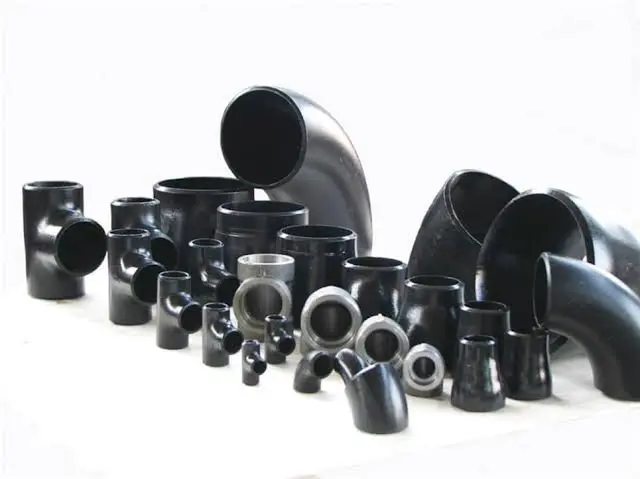
Pipe fittings are important components in many industries because they ensure that systems are connected correctly and that fluids can flow through them. When you're in charge of a water treatment plant, a chemical processing plant, or an oil and gas pipeline, the reliability of every connection point has a direct effect on how well the business runs. Quality control is very important when making these parts to make sure they are safe, last a long time, and work well. This has a direct effect on operational efficiency and costs.
We know how difficult it is for you to choose sources. One defective fitting can cause the whole system to fail, resulting in expensive downtime and safety issues that can hurt both budgets and reputations. The goal of this guide is to give procurement managers, engineers, distributors, and original equipment manufacturers a full understanding of the quality control methods used by companies that make industrial pipe components. This will help them make better decisions and find reliable suppliers for global B2B purchases.
Understanding Quality Challenges in Pipe Fittings Manufacturing
There are many quality issues that can arise during pipe fitting manufacturing that can affect the stability of the system if they are not properly handled. Material inconsistencies are a major concern, since variations in chemical composition can reduce material stability when pressure or temperature changes. Inaccurate dimensions cause issues during installation, which can lead to poor welded joints or thread engagement failures. Surface flaws like pits, cracks, or inclusions can increase the risk of corrosion, especially in places with harsh chemicals or a lot of moisture.
Root causes are often problems getting raw materials, like steel or alloy grades that don't meet standards, from suppliers who can't be trusted. Some factors that slow down production include outdated equipment with inadequate process controls, insufficiently trained workers responsible for specialised tasks such as heat treatment, and quality control systems that fail to detect defects before products are shipped. Poor quality can cause additional downtime when installations need to be redone, increase safety risks (especially in high-pressure environments where fitting failures can cause explosions or toxic releases), and incur higher costs due to replacements and warranties. This shows how important it is to have strict quality management from choosing the supplier to the final inspection.
The effect on the economy goes beyond the cost of replacement. Unplanned shutdowns disrupt production schedules, leading to delayed deliveries and compromised customer commitments. It's harder for maintenance teams to handle planned preventative maintenance tasks because they have to handle more emergency fixes. Furthermore, frequent warranty claims can severely damage the credibility and trust procurement professionals have established with internal stakeholders.
Core Quality Assurance Processes in Pipe Fittings Manufacturing
Leading producers have strict quality control procedures that start with choosing approved raw materials that meet international standards like ASTM and ISO. We only buy alloy, carbon steel, and stainless steel from mills that give us EN 10204 3.1 Material Test Reports (MTRs). These reports include chemical analysis, heat numbers, and mechanical test results so that we can track our materials.
Raw Material Verification and Traceability
Before production starts, new materials are analysed by pipe fittings manufacturers using spectroscopy to make sure their chemical makeup meets the requirements. We keep batch traceability systems that connect each fitting to the heat number of the material that it comes from. This lets us look into quality problems quickly if they happen later. This check prevents nonconforming materials from entering the production line, addressing one of the main sources of quality issues.
Advanced Manufacturing Techniques and Process Controls
Automated process controls and real-time tracking through Statistical Process Control (SPC) tools help make sure that advanced production methods such as forging, casting, and precision machining can be applied consistently. Butt-weld pipe fittings go through hot forming processes that need careful temperature control. We use infrared sensors to maintain the required forging temperature, helping control grain structure and prevent excessive residual stress.
Heat treatment processes require particular attention. To restore the required mechanical properties after forming, carbon steel parts made to ASTM A234 WPB standards undergo the heat treatment required by the applicable specification and product conditions. This thermal processing improves the grain structure, making sure that the fitting meets the required values for yield strength, tensile strength, and impact toughness. For each output lot, we write down the temperature, holding time, and cooling rate for the heat treatment. This shows that the process was followed correctly.
Comprehensive Inspection and Testing Protocols
Comprehensive inspection methods, including dimensional measurement, non-destructive testing (NDT), and pressure testing, help verify product integrity. Coordinate measuring machines (CMM) and special gauges are used for dimensional verification, which ensures that the specified pipe schedules (SCH 40, SCH 80, XXS), bevel angles (usually 37.5° ±2.5°), and centre-to-end dimensions match what is shown on the drawing. This level of accuracy helps prevent installation errors that can lead to noise, leakage, or localised corrosion.
Some non-destructive testing methods are liquid penetrant inspection for finding cracks on the surface, magnetic particle testing for ferromagnetic materials, and radiographic testing for critical applications. Hydrostatic test pressures are determined by the applicable product and design standards to verify mechanical integrity. These steps of validation find mistakes in the manufacturing process before the products get to customers. This keeps your project on schedule and helps maintain a strong safety record.
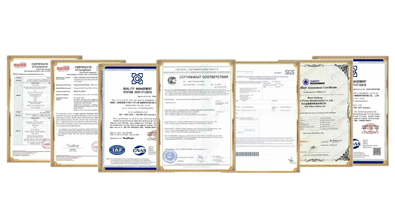
Compliance with recognised standards, certifications, and third-party audits is another way to ensure consistent quality and safety. Our ISO 9001:2015 certification demonstrates our commitment to a quality management system that includes written procedures, regular internal audits, and efforts to keep getting better. Export compliance can be supported by applicable GOST-R documentation and third-party inspection or certification from organisations such as SGS. This is especially important for government building projects with strict bidding rules.
Comparative Insights: How Top Manufacturers Differentiate on Quality?
Leading manufacturers differentiate themselves through a consistent commitment to quality, which they demonstrate by developing new approaches to customisation and process improvement. Material choice has a big impact on how well something works. Galvanised carbon steel fittings may offer lower corrosion resistance and a shorter service life than stainless steel fittings in certain aggressive environments. This is why chemical processing plants that deal with acidic or alkaline fluids need to use stainless steel fittings. The higher initial investment lowers the total cost of ownership by minimizing the frequency of premature replacements.
More quality standards are set because of high-pressure use and sustainability. When making fittings for high-pressure, high-temperature steam systems, companies may use additional testing methods, such as creep testing and evaluation of mechanical properties at elevated temperatures, when required by the service conditions and applicable standards. These specialised capabilities distinguish qualified suppliers from those offering generic products that are unsuitable for demanding service conditions.
Procurement professionals place significantly more trust in manufacturers that provide reliable lead times, robust after-sales technical support, and transparent warranty policies.When you're in charge of a project with a tight schedule, suppliers who keep enough standard-sized items in stock can help you avoid costly delays. Technical support teams that know how to solve installation problems and can suggest the right fitting types for different uses add value to the product itself, showing that quality assurance goes beyond production and includes the whole customer experience.
Leading pipe fittings manufacturers can also be told apart by the quality of their documentation. Full material traceability packages, detailed instructions for welding procedures, and suggested installation rules can help your engineering teams safely design, install, and maintain systems. This all-around method lowers the risk of the project and helps people follow safety rules.
Best Practices for B2B Procurement: Ensuring You Select Quality Pipe Fittings
When evaluating a manufacturer, you should check its certifications, learn about its production capabilities, and evaluate pricing transparency and minimum order quantity (MOQ) policies. When looking at possible providers, ask to see copies of their most recent ISO 9001, API, ASTM, or CE certifications and check that they are still valid by searching issuing body databases. You can tell if a supplier can meet the needs of your project without sacrificing quality by rushing production if you know how much they can produce.
Being clear about prices is important because quotes that are too low often mean that the quality of the materials has been lowered or that quality checks have been skipped. Ask specific questions about where the materials come from, how they are tested, and what rules drive production. Reputable suppliers should be willing to answer these questions and provide detailed documentation that shows they are committed to quality.
Clear conversation about payment and shipping terms, sample tests, and pre-shipment inspections are all good ways to place an order. Before making big orders, ask for samples with full documentation and have them tested by a third party to make sure they are chemically correct, have good mechanical properties, and are the right size. Pre-shipment checks, which can be done by your team or by outside inspection companies, find goods that don't meet your standards before they get into your supply chain.
Building long-term relationships with suppliers through open communication and regular audits makes sure that quality standards are always met and that you can get technical support. You can conduct virtual or in-person supplier audits once a year to see how products are made, look over quality records, and talk about ways to make things better. This partnership approach encourages transparency and helps ensure that your suppliers' capabilities remain aligned with your changing business goals. This creates a reliable supply chain that helps the project succeed.
Future Trends in Pipe Fittings Quality Assurance
Emerging technologies associated with Industry 4.0, including the Internet of Things (IoT) and artificial intelligence, are changing quality control by enabling predictive analytics and process optimisation. Smart sensors built into manufacturing equipment collect real-time data on parameters like temperature, pressure, and size. This data is fed into algorithms that find process drift before defects happen. This proactive approach can reduce scrap rates and improve production consistency.
Advanced materials and surface treatments significantly enhance component performance and extend service life. New metal formulations offer better strength-to-weight ratios, and advanced coatings that prevent corrosion make things last longer in tough settings. More and more, the market wants eco-friendly and certified products that are in line with harmonising global standards. This forces manufacturers to use sustainable methods and get environmental certifications.
Real-time tracking and integrated quality data on digital procurement platforms dramatically increase supply chain transparency. Blockchain technology creates permanent records that can be used to track goods from the raw materials they are made of to where they are installed. This helps procurement teams make better, more flexible choices and makes the supply chain more resilient overall. These new technologies look like they will further lower project risk and improve quality and performance across the industrial piping industry.
Conclusion
Quality assurance in pipe fitting manufacturing is a complex system that includes choosing the right materials, controlling the process, following inspection requirements, and making sure that certifications are met. Procurement professionals lower the risk of a project by working with pipe fittings manufacturers who can back up their quality promises with certifications, clear documentation, and quick technical support. By learning about the quality problems, checking methods, and new technologies we've talked about here, you'll be able to make smart sourcing choices that protect safety, keep costs low, and support long-term performance in a variety of industrial settings.
FAQ
1. What certifications should I verify when selecting pipe fitting manufacturers?
ISO 9001:2015 for quality management systems, compliance with ASTM material specifications (A234 for carbon steel and A403 for stainless steel), applicable API certifications for oil and gas uses, and CE marking for European markets are some of the most important credentials. Standards such as NACE MR0175/ISO 15156 and NACE MR0103 are important for sour-service environments. Before choosing a supplier, you should always ask for copies of up-to-date certificates and check their authenticity through databases maintained by the issuing body.
2. How can I verify manufacturer quality claims before placing large orders?
Ask for samples of the material along with all the necessary paperwork, such as MTRs, dimensional inspection reports, and pressure test certificates. Send examples to independent testing labs to make sure they are accurate in terms of their chemical make-up, mechanical qualities, and dimensions. You can do virtual or in-person supplier audits to look at the manufacturing processes, quality control methods, and calibration records for testing tools. Pre-shipment inspection services check goods one more time before they are sent out.
3. What is the typical lead time for custom butt-weld fitting orders?
Fittings made of standard carbon steel and stainless steel in common sizes usually ship in two to four weeks. Custom orders involving rare alloys, non-standard sizes, or special materials typically require six to ten weeks. This depends on the supply of the raw materials and the heat treatment needs. Project delays can be avoided by building adequate buffer time into procurement schedules. Talk to suppliers about faster production options when they give you quotes for projects that need to be done quickly.
Partner with RAYOUNG for Certified Quality Pipe Fittings.
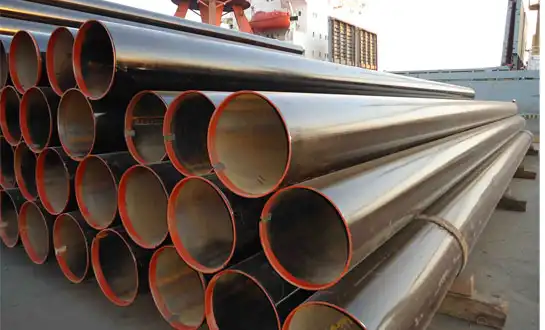
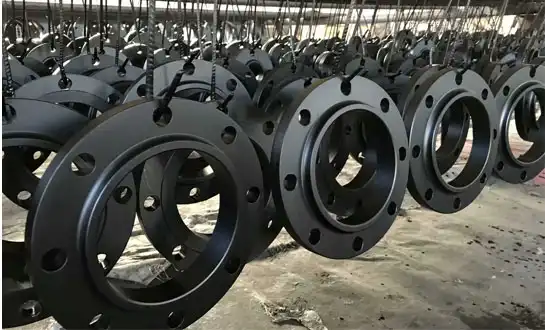
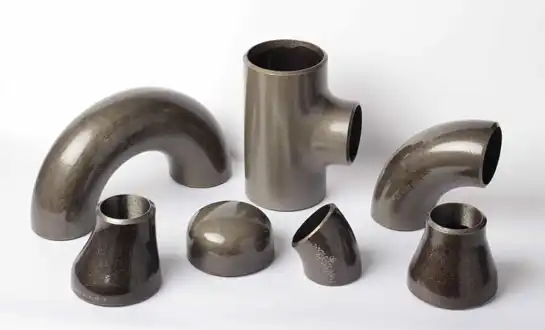
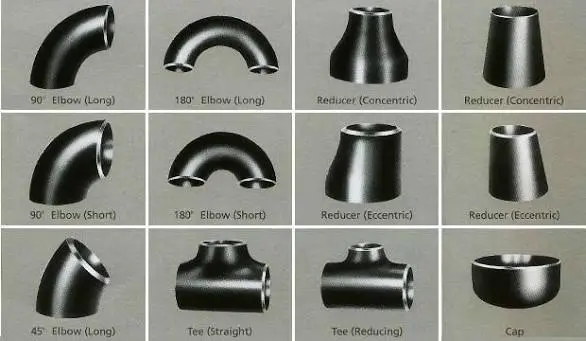
RAYOUNG is a reliable source for carbon steel pipes and a valued partner among pipe fittings manufacturers serving markets in the United States and around the world. Our wide range of products, which includes buttweld steel elbows, reducers, flanges, and BSPT zinc pipe caps, gives your projects the performance, safety, and long-term durability they need. With ISO 9001:2015 certification, GOST-R documentation, and SGS inspection support, we make sure that every fitting we sell meets strict international standards for everything from water systems to gas lines to chemical processing. Email our technical team at info@hb-steel.com to request samples, personalised quotations, or detailed quality documentation.
References
1. American Society for Testing and Materials. (2021). ASTM A234/A234M-21: Standard Specification for Piping Fittings of Wrought Carbon Steel and Alloy Steel for Moderate and High-Temperature Service. West Conshohocken, PA: ASTM International.
2. American Petroleum Institute. (2020). API Specification 5L: Specification for Line Pipe, 46th Edition. Washington, DC: American Petroleum Institute.
3. International Organisation for Standardisation. (2015). ISO 9001:2015 Quality Management Systems – Requirements. Geneva, Switzerland: ISO.
4. European Committee for Standardisation. (2019). EN 10204:2004 Metallic Products – Types of Inspection Documents. Brussels, Belgium: CEN.
5. National Association of Corrosion Engineers. (2018). NACE MR0175/ISO 15156: Petroleum and Natural Gas Industries – Materials for Use in H2S-Containing Environments in Oil and Gas Production. Houston, TX: NACE International.
6. Bhadeshia, H.K.D.H. (2016). Steels for Pipelines and Pressure Vessels: Microstructure and Properties. London, UK: Maney Publishing for the Institute of Materials, Minerals and Mining.

Need a quote? Want to see samples? Just say hello. We’re friendly. We’re fast. And we’re ready when you are.
Welcome to RAYOUNG – Strong Pipes, Stronger Promise